“Are we going to have to run away again, Peggy?”
— Mike asks Peggy as they face a new threat.

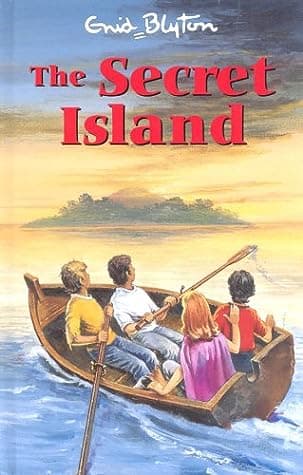
Enid Blyton (1938)
Genre
Children's / Mystery / Young Adult
Reading Time
164 min
Key Themes
See below
Sign in to track this book
Four plucky runaways transform a deserted island into a self-sufficient paradise with a willow-tree house, a cow named Daisy, and a flock of hens, only to discover their secret Eden isn't as isolated as they thought.
The story introduces Mike, Peggy, Nora, and Jack, four orphaned children living with their stern Aunt Harriet. They are constantly criticized, underfed, and made to do chores. Mike, the eldest, suggests a plan to run away and find a place where they can live freely. The younger children, Peggy, Nora, and Jack, agree, wanting to escape their current situation. They begin to gather supplies, preparing for their escape with food, blankets, and tools for their adventure.
One night, the four children carry out their escape plan. They slip out of the house with their supplies. Jack, the youngest, remembers hearing about a large lake with many islands from a local farmer, and suggests they go there. They travel through the night, tired but determined, dreaming of freedom. After walking for hours, they reach the edge of a vast lake, dotted with many small islands, just as Jack had described. The sight fills them with hope for their new life.
At the lake, the children find an old, abandoned boat. With Mike's help, they fix it enough to make it float. They then explore the lake, looking for the right island. After checking several small islands, they find a larger, more secluded one, overgrown with trees and bushes, making it look uninhabited and hidden. This island, with its fresh water spring and fertile land, seems like the perfect secret place for them. They decide to make it their new home.
Once on their chosen island, the children immediately begin building their new home. Mike, with his practical skills, leads the building of a clever willow-tree house for shelter. Peggy and Nora make the treehouse comfortable, gathering heather and bracken for beds. Jack helps with the work and says he wants to bring his cow, Daisy, and some hens to the island for fresh milk and eggs. They work hard, clearing a small patch of land to plant vegetables, eager to become self-sufficient.
Wanting fresh milk and eggs, Jack plans to get Daisy, his cow, and some hens from their old farm. With Mike's help, they secretly return to the mainland, lead Daisy back to the lake, and transport her to the island in their boat. They also catch several hens, ensuring a supply of eggs. The animals improve their daily life, providing essential food. The children quickly adapt to their new routines, milking Daisy, collecting eggs, and tending to their vegetable patch. They feel proud of their flourishing island home.
Life on the secret island is peaceful for a while, filled with games, exploration, and the satisfaction of independent living. However, their peace is broken one day when Mike sees two unfamiliar men on their island. The men look rough and suspicious, causing alarm among the children. The children quickly hide themselves and their animals, watching the intruders from a distance. It is clear these men are not just lost; they seem to be searching for something, inspecting the island. The children realize their secret place is no longer entirely their own, and they must be careful.
While hiding and watching the intruders, Mike, Peggy, Nora, and Jack overhear the men's conversations. They hear the men discussing hidden treasure or valuable items believed to be buried on the island. The men mention a map and specific landmarks, showing they have a clear goal. The children realize the island's secrecy is compromised on purpose, and these men are criminals looking for loot. This discovery adds danger and excitement to their situation, turning their runaway adventure into a mystery.
Realizing the men are dangerous and threaten their home, Mike plans to outwit them. The children decide they must find the treasure before the men do, not necessarily for its value, but to protect their island and perhaps use it as leverage. They follow the clues the men accidentally reveal, trying to piece together the map and the treasure's location. They use their knowledge of the island's hidden spots, moving quietly and watching the men's every move, always staying ahead.
The children begin a race against the two men. Using the information they overheard and their knowledge of the island, they guess the likely hiding spot. They follow the clues, using the men's frustrated searches to learn where the treasure is not. Eventually, after a tense search, they find a cleverly hidden chest buried beneath a distinctive rock formation. Inside, they find not just jewels and money, but also important documents, showing that the treasure belongs to someone else and was hidden for safekeeping, not by criminals.
With the treasure found, the children plan to trap the two men. They set up a simple but effective snare, leading the men into it. Once the men are caught, Mike, using the documents from the treasure chest, discovers that the treasure belongs to a wealthy, kind gentleman who had hidden it from thieves. The children then signal for help from the mainland. The police arrive, the criminals are caught, and the children's story of bravery reaches their former guardian. Instead of being punished, their cleverness is praised, and the treasure's rightful owner, grateful for their actions, offers them a new, loving home.
The Protagonist
Mike transforms from a desperate runaway into a confident and capable leader, proving his ingenuity and bravery in protecting his siblings and their home.
The Protagonist
Peggy grows in self-reliance and confidence, embracing the challenges of island life and contributing significantly to their collective well-being.
The Protagonist
Nora learns to overcome her initial timidness, finding strength and resilience in the face of danger and contributing to the group's success.
The Protagonist
Jack matures from a quiet observer into an active and brave participant, his contributions proving vital to their success.
The Antagonist
Aunt Harriet remains static as the antagonist, her negative influence serving as the initial motivation for the children's adventure.
The Supporting
Daisy's role is primarily functional, representing the success of their self-sufficiency and the comfort of their new life.
The Antagonist
The First Invader remains a static antagonist, driven solely by greed and ultimately thwarted by the children's cleverness.
The Antagonist
The Second Invader is a static antagonist, his cleverness ultimately proving insufficient against the combined ingenuity of the children.
The Mentioned
The Grateful Gentleman's role is to provide a positive resolution, offering the children a new beginning.
The main theme is the children's search for independence and their ability to create a self-sufficient life. They show great resourcefulness, from repairing a boat and building a treehouse to growing vegetables and keeping animals for food. This theme is clear in their escape from Aunt Harriet's harsh rule, which symbolizes their desire to control their own lives. Their success in building a home on the island shows the power of self-reliance.
“They would make their own beds, grow their own food, and live like free birds.”
The children's success comes from their teamwork and Mike's leadership. Each child contributes unique skills: Mike's practical leadership, Peggy's domesticity, Nora's gentle spirit, and Jack's observation and animal care. They work together well, whether building their home, gathering food, or planning against the invaders. This theme shows that working together with a clear leader can overcome challenges, creating a sense of belonging.
“Mike was the leader, and they all trusted him to know what was best.”
The story begins with the children escaping Aunt Harriet's cruel home. Their journey to the secret island symbolizes a flight towards freedom, where they can live without constant criticism. The island becomes a safe place, where they can be themselves and experience happiness. This theme emphasizes the human desire for freedom and a life lived on one's own terms.
“No more nagging, no more hunger, no more Aunt Harriet! They were free!”
Throughout their adventure, the children show great resourcefulness and cleverness. They turn an abandoned boat into transport, build a comfortable treehouse from natural materials, and create traps to outwit the adult invaders. Mike's ability to plan, Jack's memory of the lake, and their shared problem-solving skills are central to their survival and victory. This theme celebrates the ability of young minds to adapt and innovate in hard situations.
“It was amazing what they could do when they put their minds to it.”
Despite the serious start, the book mostly shows the children's island life as an adventure. They enjoy the freedom of nature, exploring, building, and being self-sufficient. The challenges they face, even the threat of invaders, are presented in a way that highlights their bravery and cleverness rather than fear. This theme captures the romantic idea of childhood adventures, where imagination and courage turn difficult situations into exciting experiences.
“Every day was an adventure, a new discovery on their wonderful secret island.”
A physical setting that functions as both a sanctuary and a source of conflict.
The secret island is the central plot device, serving as the children's refuge from their cruel guardian and the setting for their independent life. It symbolizes freedom, self-sufficiency, and a return to nature. Initially, its isolation protects them, but later it becomes the focal point of conflict when invaders discover it, turning their sanctuary into a contested territory. The island's hidden nature and natural resources are crucial to the children's survival and the unfolding mystery.
A symbol of the children's ingenuity and their creation of a new home.
The willow-tree house is more than just a shelter; it represents the children's ability to build a new life for themselves through their own efforts. It symbolizes their independence and the comfort they create away from adult supervision. Its construction highlights Mike's practical skills and the cooperative spirit of the group. As their primary dwelling, it is central to their daily routines and becomes a strategic hiding spot during the invasion.
A MacGuffin that drives the external conflict and provides a resolution.
The hidden treasure acts as a classic MacGuffin, a plot device that drives the external conflict without necessarily being the central focus of the characters' desires. The children initially run away for freedom, but the treasure's presence on their island introduces the antagonists and creates a thrilling race against time. Ultimately, the discovery of the treasure, and the documents within, not only resolves the immediate threat but also provides a benevolent resolution to their overall plight, securing their future.
The inciting incident and primary motivation for the children's escape.
Aunt Harriet's unkindness and neglect serve as the crucial inciting incident that sets the entire plot in motion. Her character provides the initial motivation for the children to run away, establishing the stakes and the desperate need for a better life. Without her oppressive presence, the children would not embark on their adventure. She represents the 'old life' that the children are determined to leave behind, making their new, free existence on the island all the more appealing by contrast.
“Are we going to have to run away again, Peggy?”
— Mike asks Peggy as they face a new threat.
“It's a secret island, and nobody knows about it but us!”
— Nora expresses her excitement about their discovery.
“We'll build a house, and we'll have a boat, and we'll catch fish!”
— Peggy outlines their plans for living on the island.
“But we haven't got any matches!”
— Jack realizes a crucial missing item for their survival.
“They won't find us here. We're quite safe.”
— Mike reassures the younger children on the island.
“We must be very, very careful not to let anyone know.”
— The children discuss keeping their island a secret.
“It was a wonderful feeling, being completely on their own, with no grown-ups to tell them what to do.”
— The narrator describes the children's sense of freedom.
“We're going to live like Red Indians!”
— Jack enthusiastically suggests how they will live.
“Everything tastes better when you've caught it yourself.”
— The children enjoy a meal they prepared from their own efforts.
“Oh, what a lovely, lovely cave!”
— Nora discovers a new shelter on the island.
“We've got to make a plan. A proper plan.”
— Peggy takes charge when faced with a challenge.
“It's a good thing we're so clever, isn't it?”
— Mike comments on their ingenuity in building things.
“The island was their kingdom, and they were its kings and queens.”
— The narrator describes the children's feeling of ownership and power.
“We'll never forget our secret island.”
— The children reflect on their time on the island.
Ready to see how well you understood this book? Take our interactive quiz with 10 questions.
Biography coming soon.

Dan Gemeinhart
4.5

Kate O'Hearn
4.4

Jeanne Birdsall
4.4

Jen Wang
4.4

Wendelin Van Draanen
4.3

John Marsden
4.3

Chris Van Allsburg
4.3

Jennifer A. Nielsen
4.2