“Where you tend a rose, my lad, a thistle cannot grow.”
— Ben Weatherstaff explains gardening to Colin.

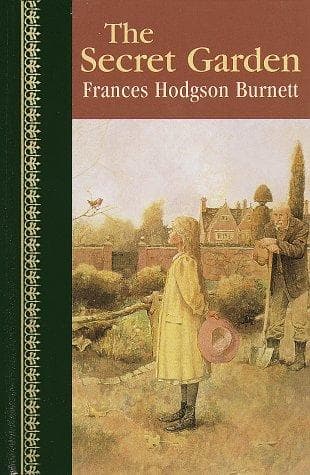
Frances Hodgson Burnett (2010)
Genre
Fantasy / Children's / Historical Fiction / Young Adult
Reading Time
331 min
Key Themes
See below
Sign in to track this book
A spoiled orphan discovers a hidden garden and a secret cousin, changing their lives and a gloomy manor with nature and friendship.
Mary Lennox is born in India to wealthy British parents who mostly ignore her. Her father is a busy government official, and her mother is a beautiful socialite who cares only for parties and her own looks. Mary is raised by ayahs, who spoil her to stop tantrums, but she never gets true affection. Because of this, Mary grows into a pale, ill-tempered, and self-centered child. She is often left alone, playing by herself, and feels deep resentment and unhappiness. This isolated, unloved childhood shapes her character at the start of the novel, making her very different from the lively, caring child she becomes.
A cholera epidemic in India kills Mary's parents and most of their household staff. Mary is forgotten in the chaos, found days later by British soldiers. She is then sent to live with Mr. Archibald Craven, her mother's brother, whom she has never met, at Misselthwaite Manor in the desolate moors of Yorkshire, England. The journey is long and uncomfortable. Mary arrives at the large, isolated manor feeling even more disagreeable and alone. The change from warm India to the cold, damp English countryside makes her feel even more out of place and unhappy.
When Mary arrives at Misselthwaite Manor, the stern housekeeper, Mrs. Medlock, greets her. Mary gets a kind, direct maid named Martha Sowerby, who encourages Mary to play outside. Mary is initially resistant and surly, but she slowly starts to explore the estate's large gardens and grounds. During her walks, Martha tells her about a secret garden that has been locked for ten years since her uncle's wife, Lilias, died there. The key was buried, and no one has entered it since. This mystery immediately interests Mary, sparking a bit of curiosity in her otherwise dull life.
Mary's interest in the secret garden grows. She spends her days walking the large grounds, looking for clues. One windy day, a gust of wind uncovers a patch of earth, showing an old, rusty key. Later, while watching a robin, Mary sees a thick wall covered in ivy. The robin lands on an old, ivy-covered door, almost completely hidden. With the key, Mary unlocks the door and steps inside the long-abandoned garden. The discovery fills her with wonder and excitement, marking a turning point in her solitary life as she now has a secret to care for.
Inside the secret garden, Mary meets Ben Weatherstaff, the old, gruff gardener. He first disapproves of her but eventually warms to her. He confirms the garden's history and helps her understand the dormant plants. Martha also tells Mary about her brother, Dickon Sowerby, a kind and gentle boy who is good with animals and nature. Mary is interested and eventually meets Dickon. He is a welcome presence, teaching her about gardening, local wildlife, and the beauty of the Yorkshire moors. Dickon's gentle nature and practical knowledge begin to soften Mary's hardened heart, and together they start to care for the neglected garden.
While exploring the large, silent corridors of Misselthwaite Manor, Mary repeatedly hears faint, sad cries that no one explains. Her curiosity is strong, and she decides to find the source. One night, following the sound, she discovers a hidden room where her cousin, Colin Craven, lies in bed. Colin is Mr. Craven's son, a sickly and bossy boy who is believed to be an invalid and will die young. He is kept isolated, always attended by servants, and has never been allowed outside. Mary is initially shocked by his fussiness but also feels a strange connection to his loneliness, seeing a similar spirit in his unhappiness.
Mary starts to visit Colin in secret, going against the doctor's orders and the servants' wishes. She listens to his endless complaints and his morbid belief that he will die. However, Mary, having changed herself, challenges his self-pity and encourages him to think differently. She tells him about the secret garden, sparking his curiosity and offering him a bit of hope beyond his sickroom. Mary's directness and refusal to spoil him are exactly what Colin needs. Their shared loneliness starts to build a tentative friendship, slowly breaking down Colin's long-held beliefs about his illness.
Inspired by Mary's descriptions and Dickon's gentle persuasion, Colin wants to see the secret garden. Mary and Dickon secretly arrange for him to be taken outside in his wheelchair. It is Colin's first time outdoors in years, and the experience is overwhelming. The fresh air, the sounds of nature, and the garden's vibrant life fill him with wonder. In a moment of strong emotion, Colin tries to stand, proving to himself and others that his legs are not as weak as he thought. This act is a big turning point in his physical and mental recovery, showing the power of belief and nature's healing qualities.
With regular visits to the secret garden, Colin's health gets much better. He begins to walk, then run, losing his invalid identity and gaining strength and confidence. He, Mary, and Dickon spend their days caring for the garden, which grows well under their care. They call the garden 'magic,' believing its power helps Colin's recovery. Colin develops a deep connection with nature, like Dickon. The children's laughter and joy fill the once-silent garden, changing it into a lively place of life and healing. Their shared secret experience strengthens their bonds and helps all three grow a lot.
While Colin changes, Mr. Craven is traveling abroad, trying to escape his grief. He has a recurring dream about his wife, Lilias, in the secret garden, which makes him return to Misselthwaite. As he nears the manor, he hears children's voices and laughter from the formerly silent secret garden. He finds the door unlocked and steps inside, where he is amazed to see his son, Colin, healthy, strong, and running. Overwhelmed with joy and disbelief, Mr. Craven embraces Colin, realizing the 'magic' that has healed his son and, by extension, his own broken heart. The family is reunited, and the garden is fully restored to life and happiness.
The Protagonist
Mary transforms from a spoiled, sickly, and unloved child into a compassionate, healthy, and joyful girl, finding purpose and friendship through the secret garden.
The Supporting
Colin transforms from a tyrannical, hypochondriac invalid into a strong, healthy, and joyful boy who embraces life.
The Supporting
Dickon remains consistently kind and wise, serving as a steady, positive force for change in Mary and Colin.
The Supporting
Mr. Craven transforms from a grief-stricken, reclusive invalid of the spirit to a loving, engaged father and master of his estate, finding joy in his son's recovery.
The Supporting
Martha remains consistently kind and supportive, serving as a stable, positive influence on Mary.
The Supporting
Mrs. Medlock's character remains largely static, representing the established order challenged by the children's changes.
The Supporting
Ben Weatherstaff softens from a gruff, solitary gardener to a proud, albeit still gruff, participant in the garden's and children's revival.
The Mentioned
Her character is static, but her memory is the driving force behind much of the plot and character development for Mr. Craven and Colin.
The secret garden is the central symbol of healing and new life in the novel. The neglected garden reflects the neglected children, Mary and Colin. As the children care for the garden, it grows, and at the same time, they experience great physical and emotional healing. Fresh air, exercise, and a connection to nature, especially through Dickon's guidance, change Mary from sickly to strong and Colin from an invalid to a healthy boy. The garden gives them a safe place where they can be free from adult supervision and expectations, allowing them to grow naturally.
“'If you look the right way, you can see that the whole world is a garden.'”
The novel is a story of change, not just for the children but also for the adults. Mary, Colin, and Mr. Craven all change a lot. Mary goes from a sour, selfish child to a kind, empathetic one. Colin stops being a sickly invalid and becomes a lively, healthy boy. Mr. Craven moves from being a grief-stricken recluse to a loving, involved father. These changes come from self-discovery, the influence of good relationships, and nature's power to restore. The garden's blooming directly mirrors the characters' spirits blooming.
“'When you are angry and want to fly into a rage, you think of the garden and what you are going to do in it.'”
The novel shows how important a healthy, active childhood and true friendship are. Mary and Colin, both isolated and neglected, find comfort and strength in their bond with each other and with Dickon. Their shared secret of the garden, their work together in caring for it, and their encouragement of each other help them overcome their individual problems. The freedom to play, explore, and just 'be' children in the garden is essential to their development. This shows how good peer relationships and self-directed play are vital for emotional and physical well-being.
“'It was the best thing that could have happened to her, to have a secret and a friend.'”
Grief is a strong theme, especially in the past of Mr. Craven and Colin. Mr. Craven's deep sorrow over his wife's death makes him neglect his son and withdraw from life, effectively locking away joy and hope along with the garden. Colin's perceived illness is closely tied to his mother's death and his father's grief. The novel explores how hidden grief can show up in unhealthy ways (Colin's outbursts, Mr. Craven's isolation) and how facing and working through it, often with help from others and a renewed connection to life, leads to strength and recovery. The garden's revival symbolizes overcoming loss.
“'Until that morning he had been a child who had been dead and buried, and now he was alive and running.'”
The children, especially Colin, often talk about 'magic' to explain the healing happening in the garden and within themselves. While not supernatural, this 'magic' means the power of positive thinking, belief, and nature's restorative forces. Colin believes the garden's magic causes his recovery, and this belief helps him try to walk and get stronger. This theme suggests that faith in something good, whether it is nature's inherent life force or the power of positive intention, can have real, life-changing effects on one's life and surroundings.
“'It is the magic, I am sure of it! It is the Magic that has made me well! It is the Magic that has made us all well!'”
A physical and symbolic space representing healing, growth, and rebirth.
The secret garden is the central plot device and a powerful symbol. Initially, it is a locked, neglected space, mirroring the emotional states of Mary, Colin, and Mr. Craven. Its discovery and subsequent revival by the children directly parallel their own physical and emotional transformations. It acts as a sanctuary where they can escape the rigid rules of the manor, connect with nature, and develop genuine relationships. The garden is a place of freedom, healing, and growth, becoming a living testament to the power of care, belief, and the life force of nature.
A recurring animal motif symbolizing companionship, guidance, and the presence of life.
The robin serves as a significant recurring motif throughout the story. It is the first creature to truly engage Mary's attention at Misselthwaite, leading her to the discovery of the secret garden's key and then to its hidden door. The robin becomes Mary's first 'friend' in England, offering a small, consistent presence of life and companionship. Later, it also interacts with Dickon, reinforcing his connection to nature. The robin symbolizes hope, the reawakening of life, and the gentle guidance that leads Mary and, by extension, Colin, towards their healing and discovery.
A mystery element creating suspense and leading to the discovery of Colin.
The mysterious cries heard within Misselthwaite Manor and the subsequent discovery of Colin's hidden room serve as a key plot device to introduce a major character and deepen the narrative. The unexplained sobs create suspense and fuel Mary's curiosity, driving her to explore the manor more thoroughly. This mystery not only leads to Colin's revelation but also highlights the extent of his isolation and the secrets kept within the household, setting the stage for Mary's empathetic connection and subsequent efforts to help her cousin.
A narrative technique emphasizing authenticity, character, and setting.
The use of Yorkshire dialect, particularly by characters like Martha, Dickon, and Ben Weatherstaff, is a significant narrative device. It grounds the story firmly in its geographical setting, providing a strong sense of place and authenticity. The dialect also differentiates the local characters from the more formal speech of Mary and the manor staff, highlighting their down-to-earth nature, wisdom, and connection to the land. It adds charm and humor to their interactions, making them more vivid and memorable, and contributes to the story's overall tone and atmosphere.
“Where you tend a rose, my lad, a thistle cannot grow.”
— Ben Weatherstaff explains gardening to Colin.
“If you look the right way, you can see that the whole world is a garden.”
— Mary reflects on the garden's impact.
“At first people refuse to believe that a strange new thing can be done, then they begin to hope it can be done, then they see it can be done—then it is done and all the world wonders why it was not done centuries ago.”
— Colin speaks about his recovery.
“Is the spring coming? I asked. Yes, is the answer, and it is coming with a rush.”
— Mary observes the garden awakening.
“The sun shone down for nearly a week on the secret garden.”
— Narration describing the garden's revival.
“One of the strange things about living in the world is that it is only now and then one is quite sure one is going to live forever and ever and ever.”
— Mary feels the joy of the garden.
“Might I have a bit of earth?”
— Mary asks for a garden plot.
“Everything is made out of magic, leaves and trees, flowers and birds, badgers and foxes and squirrels and people. So it must be all around us.”
— Colin marvels at the natural world.
“Two worst things as can happen to a child is never to have his own way—or always to have it.”
— Mrs. Sowerby advises on raising children.
“The secret garden is always open now.”
— Narration at the story's end.
“It was the lock of the door which had been closed ten years.”
— Mary finds the hidden garden key.
“I am going to live forever and ever and ever!”
— Colin declares his newfound health.
“She made herself stronger by fighting with the wind.”
— Narration about Mary's resilience.
“The garden is awake!”
— Mary exclaims upon seeing spring growth.
Ready to see how well you understood this book? Take our interactive quiz with 10 questions.
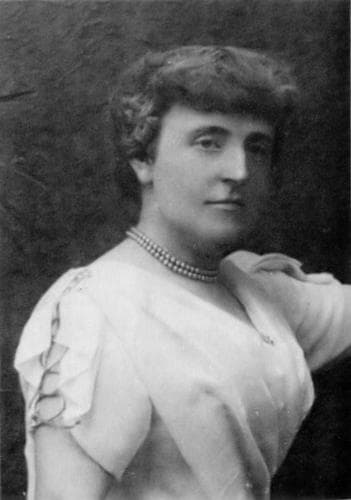
Biography coming soon.







