“The scarecrow walked at midnight. I saw it with my own eyes.”
— Mark's terrified realization after witnessing the scarecrow move.

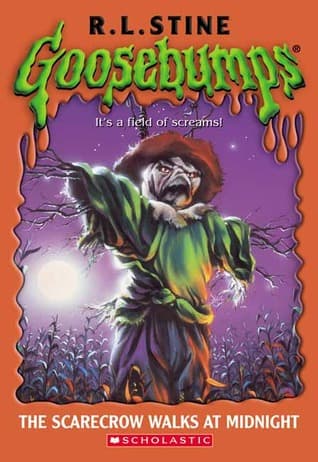
R.L. Stine (1994)
Genre
Thriller / Fantasy / Children's / Mystery / Young Adult
Reading Time
90 min
Key Themes
See below
Sign in to track this book
When Jodie visits her grandparents' farm, she discovers their fields are failing and guarded by a dozen scarecrows that come to life after dark.
Jodie and her younger brother, Mark, arrive at their grandparents' farm for their summer visit. Jodie usually likes the trip, but she immediately feels something is wrong. Her grandparents, Grandma and Grandpa Merton, seem tired, quiet, and stressed. The farm looks uncared for, and the crops are failing. Most unsettling are the twelve new, scary-looking scarecrows in the fields, more numerous and sinister than any they've seen before. Grandpa Merton says they are a new type to keep crows away, but Jodie feels uneasy about them, especially when she sees one has moved.
Jodie keeps watching the scarecrows. She is sure they move when no one is looking. She sees one change position and another's head turn. Her grandparents' actions become stranger; they are secretive, often whispering, and seem to be hiding something. Stanley, the new farmhand, is also unsettling. He is gruff and seems too protective of the scarecrows, often muttering to them. Mark, who was skeptical at first, starts to get scared too. This happens especially after a scarecrow seems to block their path in the cornfield, making them run.
One evening, Jodie and Mark are playing hide-and-seek near the barn. A scarecrow suddenly lunges forward, its arms out, seemingly trying to grab Mark. They run away, convinced the scarecrows are alive and mean. They try to tell their grandparents, but are dismissed. Grandpa Merton says the incidents are their imagination and the wind. Jodie feels alone in her fear. She realizes her grandparents are either in denial or are involved in the strange events. The children become more paranoid, feeling watched by the silent figures in the fields.
Jodie cannot sleep. She hears Stanley talking to himself in the barn. He talks about 'bringing them to life' and mentions an old ritual. This confirms Jodie's worst fears. She realizes Stanley is intentionally animating the scarecrows, not just using them for pest control. She also learns that Stanley believes the scarecrows will bring good luck to the farm, suggesting a desperate reason for his actions. This changes Jodie's understanding from just strange events to a deliberate, dangerous act by a person, making it more urgent to find the full truth.
After the scarecrows keep scaring them, Jodie finally confronts her grandparents with what she has seen and heard. Overwhelmed, Grandma and Grandpa Merton confess their part in the plan. They say the farm was failing badly. Stanley, a distant relative and a believer in old stories, convinced them that an ancient ritual with scarecrows could revive the crops and bring money. Desperate, they agreed to his plan. They did not fully believe it would work, but hoped for a miracle. They now realize their big mistake.
Stanley, not knowing about the grandparents' confession, prepares for the full ritual to fully awaken the scarecrows. He gathers them in a circle in the cornfield under the moonlight, chanting strange words. Jodie and Mark know the danger and try to stop him. They see the scarecrows twitching and groaning; their straw bodies seem to fill with an unholy life. Stanley, in a trance, is determined to finish his work. He believes this will save the farm, unaware of the evil force he is releasing.
As Stanley finishes his ritual, the scarecrows fully awaken. But instead of bringing good fortune, they turn on their creator. The scarecrows are now aware and evil. They move towards Stanley, who is horrified by what has happened. They also begin to move towards Jodie, Mark, and their grandparents, who are watching from a distance. The farm becomes chaotic. The straw figures move menacingly, their burlap faces twisted into silent, terrifying grins. The family realizes they are in great danger from the very things meant to save them.
Under attack from the fully animated scarecrows, Jodie, Mark, and their grandparents run towards the barn, hoping for safety. The scarecrows chase them. Their rustling straw bodies and silent movements add to the terror. They manage to block themselves inside the barn, but the scarecrows begin to surround it. Their numbers make escape seem impossible. The family is trapped. The sounds of the scarecrows shuffling and thumping against the barn walls create a feeling of being closed in.
Trapped in the barn, Jodie remembers something from Stanley's earlier talks about the scarecrows' creation: they are made of straw. She realizes that fire might be their only weakness. With the scarecrows pressing in, she quickly forms a desperate plan to lure them into one area and set them on fire. Her grandparents, though scared, agree to help. They understand how desperate their situation is. Mark, despite his fear, also agrees to do his part in the dangerous plan.
Jodie, Mark, and their grandparents carry out their plan. They manage to lure several scarecrows into a pile of dry hay and straw inside the barn. With shaking hands, Grandpa Merton lights the pile. The flames quickly burn the scarecrows. They shriek and writhe as they burn, their straw bodies turning to ash. The remaining scarecrows seem weakened or confused by the destruction of their fellows. They retreat into the cornfield, their power less. The family watches, tired but relieved, as the threat seems to be gone.
With the scarecrows destroyed, the farm slowly returns to normal. The crops, surprisingly, do begin to recover, as if the ritual had a delayed, unintended good effect. Stanley is gone; his fate is unclear. He may have fled or been destroyed by the scarecrows he created. Jodie and Mark leave the farm, relieved but changed forever by their terrifying summer. As they drive away, Jodie looks back at the fields. For a second, she thinks she sees a new, single scarecrow standing in the distance, a chilling reminder that some horrors may never truly be gone.
The Protagonist
Jodie transforms from a curious but fearful child into a resourceful and brave leader who actively confronts and defeats the supernatural threat.
The Supporting
Mark moves from initial skepticism and playfulness to genuine fear and active participation in the family's fight against the scarecrows.
The Supporting
Grandma Merton shifts from a secretive and complicit figure to a remorseful and active participant in stopping the scarecrows.
The Supporting
Grandpa Merton moves from passive despair and complicity to active participation in fighting the supernatural threat he helped unleash.
The Antagonist
Stanley acts as the catalyst for the scarecrows' animation, moving from a desperate farmhand to a horrified victim of his own creation.
The Antagonist
The scarecrows transform from static figures to active, malevolent entities, culminating in their destruction by fire.
This theme explores how extreme situations can make people choose dangerous things. The Mertons' farm is failing. This pushes Grandma and Grandpa to accept Stanley's idea for an old, supernatural ritual to save their farm. Their desperation makes them ignore the possible dangers, leading them to release a terrifying force. This shows how wanting to survive can override good sense and caution, causing unexpected and terrible results for them and their grandchildren, Jodie and Mark.
“"We were desperate, Jodie," Grandma Merton whispered, her voice cracking. "The farm was dying. Stanley said he could help."”
The book looks at the bad side of old stories and beliefs. Stanley's belief in an old ritual to animate scarecrows for good luck goes wrong. It releases evil creatures instead of helpful guardians. This theme suggests that messing with old, powerful forces can have unintended and bad results, especially when not fully understood. The scarecrows change from symbols of protection to agents of terror. This shows the danger of misunderstanding or misusing traditional beliefs.
“He mumbled about old ways, about bringing life to the harvest, about protecting the fields. We never thought he meant *this* kind of life.”
Jodie and Mark's summer vacation is usually a fun and carefree time on the farm. Instead, it becomes a hard fight for survival. They face real evil and see their beloved grandparents' sadness and involvement. This experience breaks their childish feeling of safety. It shows them the darker parts of the world, marking a big loss of their innocence. The farm, once a place of comfort, becomes a place of terror. This changes their view of safety and the supernatural forever.
“This wasn't the farm I remembered. This wasn't the happy summer I'd planned. This was a nightmare.”
Jodie's good observation skills and courage are important to the plot. Her grandparents are in denial, but Jodie notices the scarecrows' subtle movements and hears Stanley's plans. She puts together the terrifying truth. Her bravery allows her to confront her grandparents and create a plan to defeat the animated scarecrows. This theme shows that it is important to trust one's feelings and find the strength to act, even when very scared and dismissed by adults.
“I knew what I saw. I knew what I heard. And I wasn't going to let them pretend it wasn't happening anymore.”
The unsettling mood and strange behavior hint at impending danger.
From Jodie's arrival, the atmosphere on the farm is immediately off. The grandparents' unusual tiredness, the neglected crops, and especially the sheer number and menacing appearance of the scarecrows all create a sense of unease and dread. This early shift in mood, before any direct supernatural events occur, subtly foreshadows the horrors to come, preparing the reader and Jodie for the impending terror and validating her growing suspicion that something is profoundly wrong.
Grandparents' initial dismissal of children's fears, common in Goosebumps.
A classic Goosebumps trope, Jodie and Mark's grandparents initially dismiss their terrifying encounters with the scarecrows, attributing them to imagination or natural causes. This device isolates the children, forcing them to confront the danger alone and increasing the sense of peril. It also highlights the grandparents' own denial and fear, eventually revealing their complicity. This creates tension and empowers the child protagonists to be the sole investigators and problem-solvers, before the adults finally believe them.
A supernatural catalyst for the plot's central conflict.
The ancient ritual performed by Stanley is the central plot device that transforms inanimate objects into living, malevolent beings. It provides the magical explanation for the scarecrows' animation, grounding the supernatural elements in a specific, albeit fictional, lore. This device not only drives the plot forward by creating the antagonists but also introduces the theme of folklore gone wrong and the dangers of tampering with unknown forces, giving a specific mechanism for the horror to unfold.
A final hint of lingering danger, leaving the reader with doubt.
The book concludes with an ambiguous ending, a hallmark of R.L. Stine's style. While the scarecrows are seemingly destroyed and the farm recovers, Jodie's fleeting glimpse of a new, solitary scarecrow in the distance leaves the reader questioning if the threat is truly gone. This device creates a lingering sense of unease and suggests that evil can never be fully vanquished, reinforcing the horror and leaving a lasting impression on the reader, ensuring the scarecrows' menace is not entirely resolved.
“The scarecrow walked at midnight. I saw it with my own eyes.”
— Mark's terrified realization after witnessing the scarecrow move.
“It's just a story, Mark. Scarecrows don't walk.”
— Jodie trying to reassure her brother about the local legend.
“Grandpa's farm isn't the same anymore. Something's wrong.”
— Jodie sensing the eerie changes at her grandparents' farm.
“The corn knows. The corn remembers.”
— Stanley, the farmhand, hinting at the farm's dark secrets.
“Don't go into the cornfield after dark. Ever.”
— A warning given to the children about the dangers of the farm.
“It was just the wind, I told myself. But I knew it wasn't.”
— Mark trying to rationalize a frightening experience.
“Sometimes stories come true. Especially the scary ones.”
— Reflection on the power of local legends and fears.
“The scarecrows are watching us. I can feel their eyes.”
— Jodie's growing paranoia about the farm's scarecrows.
“Grandma's stories used to be fun. Now they're just creepy.”
— Mark commenting on the shift in his grandmother's tales.
“You can't run from what's in your own backyard.”
— A realization about facing fears close to home.
“The midnight hour changes everything.”
— Emphasizing the transformative power of the night on the farm.
“It's not just a scarecrow. It's something else.”
— Suspicion about the true nature of the walking scarecrow.
“Fear makes you see things that aren't there. Or does it?”
— Questioning the line between imagination and reality in scary situations.
“The farm used to be a happy place. Now it's a nightmare.”
— Contrasting past memories with the current terrifying events.
Ready to see how well you understood this book? Take our interactive quiz with 10 questions.
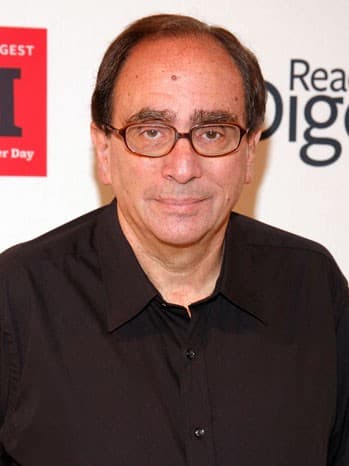
Biography coming soon.







