“The past, even a sweet one, could not be held onto. It was a phantom limb, an ache where something used to be.”
— Reza reflects on his past and the impermanence of happiness.

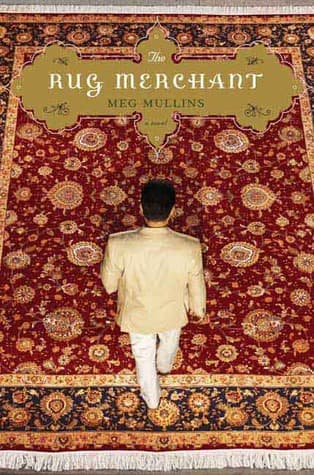
Meg Mullins (2006)
Genre
Literary Fiction / Historical Fiction / Romance
Reading Time
270 min
Key Themes
See below
Sign in to track this book
A heartbroken Iranian rug merchant, adrift in New York after his wife's betrayal, finds an unexpected and tender connection with a lonely American college student, weaving a new tapestry of hope and love.
Ushman Khan, a sophisticated and reserved Iranian immigrant, runs a rug business on Manhattan's Upper East Side. He selects hand-woven rugs from Tabriz, his hometown, and caters to wealthy clients, including the demanding Mrs. Roberts, who is more interested in his stories than the rugs themselves. Ushman maintains a life of decorum and hard work, driven by the dream of reuniting with his wife, Farak, whom he left behind in Iran years ago. He envisions a perfect American life with her, believing her presence will complete his existence and validate his sacrifices. Despite his financial success, Ushman feels isolated, living only a partial life without Farak by his side.
The world Ushman has built collapses with a phone call from Iran. Farak, the woman he has loved and waited for, the centerpiece of his American dream, informs him that she is not coming to New York. Instead, she reveals she has fallen in love with another man and intends to divorce him. This news shatters Ushman, leaving him heartbroken, disoriented, and adrift. The vision of a shared future that had sustained him through years of separation and hard work vanishes instantly, replaced by a sense of betrayal and loss. His identity, so intertwined with his role as Farak's husband and provider, is destabilized.
In the aftermath of Farak's revelation, Ushman is consumed by grief and confusion. He finds himself drawn to JFK Airport, the place where he had so often imagined Farak's arrival, now a symbol of his shattered dreams. He wanders the terminals aimlessly, observing other families reuniting, their joy a stark contrast to his despair. It is during one of these melancholy vigils that he has a fleeting encounter with Stella, a young Barnard College student. Stella has just bid farewell to her parents, who are embarking on an Italian vacation, leaving her with a sense of quiet loneliness. Their brief interaction is marked by a shared, unspoken vulnerability.
After their encounter at JFK, Stella finds herself drawn to Ushman. His quiet dignity and the hint of sadness in his eyes resonate with her own feelings of isolation. She remembers his business card and, driven by curiosity and a subtle longing for connection, makes her way to his rug shop on the Upper East Side. Her visit is initially framed as an interest in his merchandise, but it quickly becomes clear that her true draw is Ushman himself. This visit marks the formal beginning of their relationship, moving it beyond a chance airport encounter into a more deliberate, if still tentative, connection.
Stella's initial visits to Ushman's shop evolve into regular meetings, often over tea. They begin to cautiously share aspects of their lives. Ushman, still reeling from Farak's betrayal, finds himself opening up to Stella in ways he hasn't to anyone else. He speaks of his Iranian heritage, his family, and the loss he feels. Stella, in turn, shares glimpses of her own life as a college student from the Deep South, her sense of being an outsider in New York, and her quiet yearning for deeper understanding. In each other's company, they find a surprising sense of comfort and understanding, a balm for their respective loneliness.
Despite the age difference and their different cultural backgrounds—Ushman, the traditional Iranian, and Stella, the American college student—their connection blossoms into a tender and improbable romance. Their conversations extend beyond the shop, leading to shared meals, walks, and quiet moments of intimacy. Ushman, who had believed his heart was forever broken, finds himself slowly reawakening to joy and affection. Stella, in Ushman, discovers a depth and wisdom she hadn't encountered before. Their relationship becomes a sanctuary for both, a place where they can shed their respective burdens and simply be with each other, finding solace and passion.
As Ushman and Stella's relationship becomes more serious, they begin to encounter the realities of their unconventional pairing. The age gap and their differing cultural backgrounds become points of subtle and overt scrutiny from outsiders. Ushman's traditional Iranian upbringing contrasts sharply with Stella's more modern American sensibilities, leading to moments of misunderstanding and navigation. While their bond is strong, they must contend with the judgments of Ushman's clientele, like Mrs. Roberts, who views Stella with suspicion, and the societal expectations that their relationship defies. These external pressures test the resilience of their newfound happiness.
Even as Ushman's relationship with Stella deepens, the ghost of Farak and his past life in Iran continues to hold him. He finds it difficult to fully compartmentalize his grief and anger over Farak's betrayal, and memories of their shared history surface unexpectedly. This lingering attachment to his past, and the cultural expectations he was raised with, sometimes creates a subtle distance between him and Stella. He grapples with the idea of moving on, of fully embracing a new future that is so different from the one he had meticulously planned. Stella, observant and sensitive, senses this internal struggle within him.
Stella, initially somewhat naive and isolated, undergoes personal growth throughout her relationship with Ushman. His wisdom, his cultural insights, and his gentle guidance help her to see the world with new eyes. She becomes more confident, more self-aware, and more articulate in expressing her needs and desires. The experience of loving Ushman, with all its complexities and challenges, forces her to mature rapidly. She learns about sacrifice, loss, and the beauty of human connection. Their bond empowers her to embrace her own identity more fully and to navigate the world with greater conviction.
As their romance matures, Ushman and Stella face the task of envisioning a future together. Their lives, rooted in such different realities—Ushman's established business and cultural heritage, Stella's academic career and American background—present practical challenges. They must confront whether their love is strong enough to bridge these divides and withstand the pressures of their respective worlds. The novel explores their internal and shared deliberations about commitment, sacrifice, and the possibility of building a lasting life together, even as the echoes of Ushman's past and Stella's emerging independence continue to shape their path forward.
The Protagonist
Ushman transitions from a man consumed by a past love and a shattered dream to one who tentatively embraces a new, unexpected future and rediscovers the capacity for joy and connection.
The Protagonist
Stella evolves from a somewhat naive and isolated college student into a more confident, self-aware young woman who embraces an unconventional love and discovers her own strength.
The Mentioned
Farak's arc is off-stage, but her decision to leave Ushman propels his character development, forcing him to confront loss and rebuild his life.
The Supporting
Mrs. Roberts remains largely static, serving as a foil to Ushman and Stella's authentic connection.
The novel looks at the immigrant experience of pursuing the 'American Dream' and the disillusionment that can accompany it. Ushman's dream is initially tied to financial success and the reunion with Farak, symbolizing a complete, idealized life. However, Farak's betrayal shatters this vision, revealing the fragility of such external aspirations. His subsequent wanderings at JFK, the symbolic gateway to that dream, show his loss. The theme also extends to Stella's own search for meaning beyond conventional expectations, suggesting that the 'dream' is more about personal connection and authenticity than material wealth or societal norms.
“He had built a life, a business, a reputation—all for her. And now she was gone, taking with her the very foundation of his American dream.”
A central theme is the unexpected and powerful nature of love that transcends significant cultural, age, and experiential divides. Ushman and Stella's romance is improbable: an older Iranian immigrant and a young American college student. Their connection shows that genuine affection and understanding can bridge seemingly insurmountable gaps. Their love is a testament to shared vulnerability and the human need for connection, showing how two isolated individuals, despite their different backgrounds, can find solace and joy in each other's company, challenging societal norms and expectations.
“Their worlds were so different, yet in each other's eyes, they found a mirror, reflecting a shared loneliness, a common yearning.”
The novel explores the complexities of identity, particularly for an immigrant like Ushman, who navigates between his Iranian heritage and his life in America. He struggles with a sense of being 'half a life' without Farak, indicating how deeply his identity was tied to his past and his role as a husband. His rugs, steeped in Persian culture, are both a connection to his homeland and his livelihood in a new one. Stella, too, grapples with belonging, as a Southern girl in New York and in her evolving sense of self. Both characters find a new sense of belonging within their relationship, creating a shared space where their individual identities can flourish.
“He was a man caught between two worlds, his heart woven into the fabric of one, his feet firmly planted in the other.”
The hand-woven rugs are not merely merchandise but symbols of art, culture, and memory. For Ushman, they represent his heritage, his skill, and his connection to Tabriz. The patterns and rich colors embody a beauty that transcends language and culture, acting as a link to enduring tradition. Ushman's appreciation for beauty extends beyond his craft, influencing his perception of the world and his connection with Stella. The rugs serve as a backdrop to their romance, a tangible link to the aesthetic sensibilities that both characters, in their own ways, appreciate and are drawn to.
“Each knot, each thread, told a story, a history woven into the very soul of the rug, much like the stories woven into the lives of those who admired them.”
Exquisite hand-woven rugs symbolize cultural heritage, beauty, and the intricate tapestry of life.
The rugs in Ushman's shop are central to the narrative, serving multiple symbolic functions. They represent Ushman's connection to his Iranian heritage, his craftsmanship, and his livelihood. Their intricate patterns and enduring beauty symbolize the complexity and richness of culture, as well as the 'weaving' together of lives and experiences. The process of making and selling them reflects Ushman's meticulous nature and his deep aesthetic sensibility. They are also a point of connection between Ushman and Stella, as she is drawn to their beauty and the stories they evoke, representing a shared appreciation for art and tradition that transcends their cultural differences.
The airport functions as a symbolic threshold of hope, loss, and unexpected encounters.
JFK Airport is a significant liminal space in the novel. Initially, it represents Ushman's enduring hope for Farak's arrival, the gateway to his idealized American dream. After her betrayal, it transforms into a symbol of his profound loss and disillusionment, a place where his shattered future confronts the joyous reunions of others. It is also the site of his first, fateful encounter with Stella, making it a threshold for new beginnings and unexpected connections. The airport embodies the transient, in-between state of Ushman's emotional landscape and the unexpected turns of fate that shape human lives.
The juxtaposition of Iranian and American cultures highlights differences and fosters mutual understanding.
The stark cultural contrast between Ushman's traditional Iranian background and Stella's modern American upbringing is a key plot device. This contrast creates both challenges and opportunities for growth within their relationship. It manifests in their communication styles, values, and worldviews, leading to moments of misunderstanding but also profound learning. The exploration of these differences allows the novel to delve into themes of identity, assimilation, and the universal human need for connection that can bridge cultural gaps. It also highlights the complexities an immigrant faces in navigating a new society while holding onto their heritage, as seen in Ushman's interactions with clients like Mrs. Roberts.
“The past, even a sweet one, could not be held onto. It was a phantom limb, an ache where something used to be.”
— Reza reflects on his past and the impermanence of happiness.
“Every rug tells a story, if you know how to listen.”
— Reza often says this to customers, explaining the artistry and history of his rugs.
“Love was not a thing to be captured and kept, but a wild bird, free to come and go.”
— Reza's internal thoughts on the nature of love and relationships.
“Sometimes the most beautiful things are born from the greatest pain.”
— Discussing the intricate and often sorrowful origins of certain rug designs.
“A good rug is like a good life: woven with care, full of unexpected patterns, and meant to be walked upon.”
— Reza's philosophical musings on the parallels between his craft and existence.
“He understood then that true belonging wasn't about a place, but about a person.”
— Reza's realization about his connection to the woman he loves, rather than his homeland.
“Silence could be a language all its own, speaking volumes when words failed.”
— Observations on unspoken communication between characters.
“The scent of wool and history was a comfort, a constant in a world of change.”
— Reza finds solace in the familiar aromas of his rug shop.
“To forget was a kind of death, but to remember was to live with ghosts.”
— Reza grapples with the burden of memory and the desire to move on.
“He learned that sometimes, the hardest journey was the one back to yourself.”
— Reza's internal struggle to rediscover his identity after significant life changes.
“Each knot was a moment, each thread a day, building something enduring from fleeting instants.”
— Reza describes the meticulous process of rug weaving and its metaphor for life.
“Hope was a delicate thing, easily crushed, but also stubbornly persistent.”
— Reza's reflections on maintaining hope amidst personal challenges.
“The world was a tapestry, and everyone was a thread, connected in ways they might never see.”
— A broader philosophical thought about human interconnectedness.
“He knew that some wounds never truly healed, but they could be woven into the fabric of who you became.”
— Reza's acceptance of past traumas and their role in shaping his character.
Ready to see how well you understood this book? Take our interactive quiz with 10 questions.







