“The wind was a living thing, always trying to get inside you, to find a warm place.”
— Reflecting on the harsh Montana landscape.

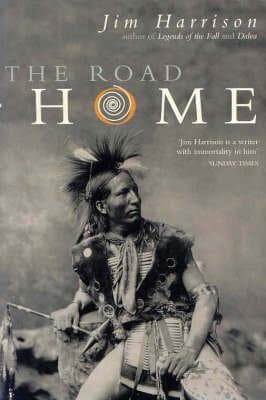
Jim Harrison (1998)
Genre
Literary Fiction / Historical Fiction / Romance
Reading Time
900 min
Key Themes
See below
Sign in to track this book
Across generations and the American plains, an unusual family navigates love, loss, and the wild spirit that connects them through history.
The novel begins with John Northridge, Dalva's grandfather, in his late 90s, dictating his memoirs. He tells of his early life in Michigan, his family's move to Nebraska, and the founding of their ranch. John details his marriage to Marguerite, their children, and how the Great Depression and World Wars affected his family and the land. He speaks of his connection to nature, his love for hunting and fishing, and his thoughts on life and death. He also mentions the death of his son, Robert, and his lasting love for his granddaughter, Dalva, seeing her unique spirit and connection to the Northridge heritage. His story sets the historical and geographical background of the family.
Naomi, Robert's widow and Dalva's mother, continues the story. She recounts her deep love for Robert and the grief she felt after his death in World War II. Naomi describes her struggles with depression and alcoholism afterward, and the difficulties of raising Dalva as a single mother on the Northridge ranch. She reflects on Dalva's unusual nature, her early interest in reading and history, and her close bond with John. Naomi offers insights into the family's interactions, her own strength in hard times, and her journey toward healing, finding comfort in her connection to the land and her family.
Paul Northridge, John's oldest son, gives his perspective, detailing his early life on the ranch and his complex relationship with his father. Unlike his younger brother Robert, Paul felt less connected to ranching and pursued an academic path, becoming a professor. He describes his intellectual awakening, his love for literature, and his struggles to balance his scholarly goals with his family's rural life. Paul reflects on the generational differences in the Northridge family, his sometimes difficult but respectful bond with John, and his observations of Dalva's intellectual curiosity and independent spirit from a young age.
Nelse Northridge, Dalva's son, offers a current voice, reflecting on his upbringing and his search for who he is. Adopted and raised by Dalva, Nelse is aware of his mixed heritage (Native American and Northridge) and his family's history. He tells of his travels, his experiences with different cultures, and his attempts to understand his mother's complex past and her unusual choices. Nelse is drawn to the Northridge ranch and the stories of his ancestors, trying to connect with his roots while making his own way. His story explores belonging, heritage, and the ongoing impact of the past on the present.
Though Dalva's direct voice is less present in this novel than in the previous one, her presence is deeply felt through the stories of others. The various voices come together with her return to the Northridge ranch in Nebraska, bringing Nelse with her. This return marks a time of reconciliation with her family, especially with her mother, Naomi, and her grandfather, John, before he passes. She has deep conversations, sharing her experiences and listening to theirs, putting together a fuller understanding of her family's history and her place in it. This period allows her to heal old wounds and find a sense of belonging.
Through the various stories, the Northridge ranch in Nebraska remains a central, almost character-like, element. John describes its founding and his lifelong connection to the land. Naomi finds comfort there after Robert's death, and it is where she raises Dalva. Paul visits, observing the lasting pull of the place, despite his academic life. Nelse is drawn back to it in his search for identity. The ranch symbolizes the family's roots, their connection to nature, and the continuous cycle of life and death. It holds their memories, struggles, and successes, a physical representation of their shared history.
The novel traces the Northridge family's evolution across multiple generations, from John's pioneering spirit to Nelse's modern questions. Each character's story highlights the distinct values, challenges, and views of their time. John represents a connection to the land and quiet strength. Naomi shows post-war grief and maternal power. Paul displays intellect and a move away from traditional ranching. Nelse deals with current issues of identity and heritage. Despite these changes, core Northridge traits—a deep connection to nature, a fiercely independent spirit, and a love for storytelling—are shown to last, creating a rich picture of family continuity.
A key part of the novel is the characters' act of telling or writing their personal histories. John Northridge explicitly dictates his memoirs, setting the tone. Naomi, Paul, and Nelse each contribute their own written or remembered stories. This structure emphasizes how memory and truth are personal, showing how different perspectives shed light on and sometimes differ from each other, yet ultimately contribute to a more complete family story. Storytelling becomes a healing and uniting act, allowing characters to process their pasts, understand their present, and connect across time and experience. Through these shared stories, the family's legacy is kept and understood.
The connection to nature is a repeated theme across all stories. John Northridge's life is tied to the land, hunting, and fishing, finding spiritual meaning in the wild. Naomi, after Robert's death, finds healing in the Nebraska landscape. Paul, despite his academic pursuits, acknowledges nature's lasting pull. Nelse, in his travels, seeks natural environments and reflects on humanity's place in them. Nature is often shown as a source of wisdom, comfort, and a mirror for the characters' inner lives, providing a constant, stable presence amid personal and historical trouble. Time alone in nature allows for thought and understanding.
Through the various stories, the themes of love and loss are deeply linked. John's grief for Robert, Naomi's sorrow, and Dalva's own history of love and heartbreak are central. The characters deal with the lasting impact of those they have loved and lost, and how these experiences shape who they are and their life choices. The novel suggests that while grief can be hard, it also builds strength and a deeper appreciation for life. The memory of loved ones, especially Robert and Dalva's father, becomes a guiding force, influencing decisions and shaping the family's emotional landscape.
The Supporting
John provides a foundational narrative, his arc is one of reflection and passing on wisdom, accepting the end of his long life.
The Supporting
Naomi's arc is one of overcoming profound grief and addiction to find a stable and loving connection with her daughter and the land.
The Supporting
Paul's arc is one of reconciling his intellectual life with his family's rustic heritage, finding a unique place within the Northridge legacy.
The Supporting
Nelse's arc is a journey of self-discovery, culminating in a deeper understanding and acceptance of his multifaceted heritage and identity.
The Protagonist (implied/central figure)
Dalva's arc, as revealed through others, is one of returning to her roots, seeking reconciliation, and solidifying her place as the keeper of the Northridge spirit.
The Mentioned
Robert's 'arc' is fixed by his death, but his character serves as a foundational source of love and loss for the other characters.
The Mentioned
Marguerite's 'arc' is historical, representing the foundational mother figure in the Northridge lineage.
The Mentioned
Michael's arc is pre-established; he serves as a pivotal point in Dalva's history and Nelse's heritage.
The novel explores how family ties, shared history, and ancestral background shape individual lives across generations. Each narrator—John, Naomi, Paul, and Nelse—deals with their place in the Northridge line, trying to understand how the past affects their present and future. The Northridge ranch is a physical representation of this heritage, a constant reference point for identity. Each character's act of storytelling becomes a shared effort to preserve and interpret this complex family history, showing that while individual paths may differ, family roots remain a strong, undeniable force. For example, Nelse's journey is driven by his need to connect with this heritage.
“You can never quite get away from your blood, can you? It pulls at you, like the moon on the tides.”
A common theme is the deep, almost spiritual, connection the Northridge family has to nature, especially the Nebraska landscape. John Northridge's entire life is defined by his relationship with the land, hunting, and fishing, seeing nature as a source of wisdom and truth. Naomi finds comfort and healing in the prairie after her loss. This connection is not just practical but essential, providing a moral guide and a sense of belonging. The changing landscape, from pioneering times to the modern era, mirrors the characters' inner lives, reflecting their struggles and their search for meaning in a changing world.
“The land holds memories, you know. Not just ours, but the ones before us. You can feel it if you listen.”
The novel's multi-voice structure directly engages with the theme of memory and how personal stories build individual and collective truths. Each character's account offers a personal view on shared events, showing that 'truth' is often complex and influenced by perspective, experience, and emotion. John's memoirs, Naomi's thoughts, Paul's observations, and Nelse's search for understanding all contribute pieces to a larger, more complete picture of the Northridge story. This interplay of memories highlights that no single story is completely reliable and emphasizes that a full understanding requires putting together different viewpoints, showing the power of storytelling itself as a way to process and preserve history.
“What we remember, and how we tell it, that's what we become, isn't it?”
The Northridge family experiences significant loss, especially the death of Robert in World War II, which affects generations. Naomi's struggle with grief and alcoholism, and John's quiet sadness, are central to their stories. The novel explores the lasting impact of loss and how individuals cope and adapt to it. It shows strength not as the absence of pain, but as the ability to endure, to find new meaning, and to keep living despite heartbreak. The characters' eventual ability to speak about their losses and find connection through shared experience shows the human capacity for healing and persistence.
“Grief isn't a thing you get over; it's a thing you carry, like a stone in your pocket.”
This theme is particularly clear in Nelse's story, as he deals with his mixed heritage and his place within both Native American and Northridge cultures. However, it extends to all characters: John's identity as a frontiersman, Naomi's as a grieving widow and mother, and Paul's as an academic separate from his family's farming roots. Each character seeks a sense of belonging, whether it is tied to the land, their family, or their chosen intellectual pursuits. The novel suggests that identity is not fixed but is a changing process shaped by ancestry, personal experience, and the stories we tell ourselves and others.
“Who am I, really, if not the sum of all these stories they tell about me, and the ones I tell myself?”
The story is told through the distinct voices of different family members.
This device allows the author to present a multifaceted view of the Northridge family history and Dalva's life. Each narrator (John, Naomi, Paul, Nelse) offers a unique perspective, colored by their individual experiences, biases, and generational viewpoints. This creates a rich tapestry of subjective truths, highlighting the complexity of memory and the way different people interpret the same events. It also allows for character development to be revealed indirectly through the eyes of others, deepening the reader's understanding of Dalva as a central, enigmatic figure.
The novel is presented as a collection of personal accounts and dictated memoirs.
The narrative is framed as dictated memoirs (John's) and personal written accounts (Naomi, Paul, Nelse). This structure lends an intimate, confessional tone to each section, making the reader feel privy to deeply personal reflections. It emphasizes the theme of storytelling and the act of preserving family history. The 'written' nature of these accounts also allows for a more reflective, philosophical style, as characters process their lives and memories, rather than simply recounting events in real-time.
The story jumps between different time periods and characters' pasts.
While each character's narrative generally progresses chronologically within their own lifespan, the overall novel shifts between different historical periods as it moves from John's early 20th-century recollections to Nelse's contemporary musings. This non-linear approach allows for a deeper exploration of themes like heritage and the enduring impact of the past on the present. It mimics the way memory works, often jumping between different eras, and allows the reader to piece together the family's saga by connecting events and themes across time.
The Northridge ranch functions as more than a setting; it's a character and symbol.
The Northridge ranch in Nebraska is not merely a backdrop but acts as a powerful symbol of family roots, continuity, and man's connection to the land. For John, it represents his life's work and legacy. For Naomi, it's a place of healing and raising her daughter. For Nelse, it's the physical embodiment of his heritage. The ranch embodies the family's history, their struggles, and their enduring spirit, serving as a constant, tangible link across generations and a silent witness to their lives.
“The wind was a living thing, always trying to get inside you, to find a warm place.”
— Reflecting on the harsh Montana landscape.
“Memory is a kind of ghost, always there, sometimes whispering, sometimes screaming.”
— Delving into the past and its lingering effects.
“Love is a dangerous country, full of beautiful traps and unexpected kindnesses.”
— Considering the complexities of romantic relationships.
“A man without a dog is a man missing a piece of his soul.”
— Expressing an affinity for canine companionship.
“The older you get, the more you realize how much you don't know, and how little time you have left to learn it.”
— Reflecting on aging and wisdom.
“There's a certain kind of loneliness that only the vastness of the land can give you.”
— Experiencing solitude in the American West.
“Food, good food, is a kind of prayer, a communion with the earth.”
— Pondering the significance of a well-prepared meal.
“Every life is a story, and every story is worth telling, even the quiet ones.”
— Considering the value of individual narratives.
“The past is a foreign country; they do things differently there, but they never truly leave.”
— Acknowledging the enduring influence of history.
“You can never truly go home again, not to the same home, not to the same you.”
— Reflecting on the impossibility of recapturing the past.
“Grief is a landscape you have to walk through, no shortcuts, no easy paths.”
— Describing the process of mourning.
“The only true freedom is found in knowing what you truly want, and having the courage to pursue it.”
— Contemplating the nature of personal liberty.
“Silence can be a friend, a confidant, or a cruel mirror.”
— Exploring the various aspects of quietude.
“There's a rhythm to the seasons, to life and death, that you can't fight, only embrace.”
— Accepting the natural cycles of existence.
Ready to see how well you understood this book? Take our interactive quiz with 10 questions.
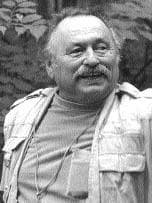
James Harrison was an American poet, novelist, and essayist. He was a prolific and versatile writer publishing over three dozen books in several genres including poetry, fiction, nonfiction, children's literature, and memoir. He wrote screenplays, book reviews, literary criticism, and published essays on food, travel, and sport. Harrison indicated that, of all his writing, his poetry meant the most to him.







