“A man's got to stand for something, or he'll fall for anything.”
— Milo Talon's philosophy on integrity.

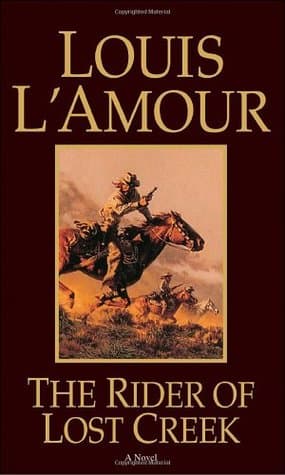
Louis L'Amour (2006)
Genre
Historical Fiction / Mystery
Reading Time
150 min
Key Themes
See below
Sign in to track this book
A mysterious range war in Live Oak country forces gunslinger Lance Kilkenny to pay a life debt by defending his friend, only to uncover a deeper conspiracy and a beautiful saloon owner's warning that puts his own life on the line.
Lance Kilkenny, a skilled gunfighter, arrives in the Live Oak country, drawn by a promise to his old friend, Major Riley. Riley had once saved Kilkenny's life, and now the Major's ranch, the Lazy R, is under attack by a mysterious group aiming to take over the valley. Kilkenny immediately feels the tension, observing the armed riders and the fear in the eyes of the local ranchers. He learns that the conflict is not just a simple land dispute but a planned effort by an unknown power to drive out all independent landowners. His arrival is met with suspicion by some, but also hope by those who know his reputation.
Upon entering Apple Canyon, the nearest town, Kilkenny goes to the Apple Canyon Saloon, owned by Nita Riordan. Nita, a sharp and independent woman, immediately recognizes Kilkenny's reputation and understands the situation. She warns him that the conflict is more organized and dangerous than it seems, and that the man behind it, Harkey, specifically wants Kilkenny dead. Nita's information is important, revealing that Harkey is not just a local tough but a ruthless operator with many hired guns and a plan to control the entire Live Oak valley, including its water rights and possible mineral wealth.
Kilkenny's presence quickly causes trouble. While investigating at Major Riley's ranch and gathering information in Apple Canyon, he has his first direct fight with a group of Harkey's hired guns. These men, led by an aggressive foreman, try to scare Kilkenny away. However, Kilkenny, with his quick draw and precise shooting, disarms them and sends a clear message that he will not be easily stopped. This encounter confirms his reputation among both the fearful locals and Harkey's men, making it clear that a new, strong force has entered the range war.
Driven to help Major Riley and understand the conflict, Kilkenny investigates the land claims and legal documents for the disputed areas. He finds evidence of widespread fraud, including forged deeds, manipulated water rights, and illegal land grabs planned by Harkey and his partners. This investigation shows that Harkey's plan is not just about driving out a few ranchers, but a systematic attempt to seize control of all valuable resources in the Live Oak country, creating a private empire. Kilkenny realizes that the fight is not just with guns, but also with legal tricks and corruption.
As Kilkenny looks deeper into the conspiracy, Harkey increases his attacks. A large group of his hired guns launches a coordinated attack on Major Riley's Lazy R ranch. The assault is fierce, meant to drive Riley out or kill him. Kilkenny, along with Riley and his loyal ranch hands, defends the ranch. The battle is intense, showing Kilkenny's tactical skill and marksmanship as he positions defenders and repels waves of attackers. Despite the odds, they hold off the assault, though the ranch is damaged and the defenders have close calls. This attack confirms how ruthless Harkey's operation is.
After the attack on the Lazy R, Kilkenny becomes the target of a series of ambushes, clearly planned by Harkey's men. During one attempt, he is trapped in a canyon but manages to outwit and outshoot his attackers, though he gets minor injuries. This close call reinforces Nita Riordan's warning about Harkey's determination to kill him. Realizing the size of Harkey's operation and the number of men he commands, Kilkenny understands that he cannot win this fight alone. He begins to quietly contact other independent ranchers and townsfolk who have suffered under Harkey, slowly building a network of allies.
As their trust grows, Nita Riordan reveals more about her past and her personal vendetta against Harkey. She explains that Harkey was responsible for her family's ruin and her father's death, who had also fought against his land-grabbing plans in another area. Nita's move to Apple Canyon and her saloon were part of her long-term plan to gather information and resources to eventually confront Harkey. Her understanding of his methods and her strong desire for justice become invaluable to Kilkenny, changing their relationship from allies to a partnership built on shared purpose and trust.
With Harkey's threat growing, Kilkenny, supported by Major Riley and Nita, begins to rally the other independent ranchers in the Live Oak country. Many are afraid, having seen Harkey's ruthlessness, but Kilkenny's strong resolve and his reputation for fairness and strength begin to win them over. He explains Harkey's goal of total control and emphasizes that their only hope is unity. Slowly, a group forms, with ranchers like the Miller family and the owners of the Bar M ranch agreeing to combine their resources and stand together against the common enemy, preparing for a decisive fight.
As Kilkenny's group strengthens, Harkey, sensing the growing resistance, decides to crush it for good. His forces, reinforced by new hires and led by his most ruthless lieutenants, begin to move towards a strategic point in the valley, signaling their intent for a final, overwhelming attack. Information gathered by Nita and her network confirms that Harkey plans to eliminate all opposition in one swift, brutal strike. The air in Live Oak country becomes thick with anticipation and dread, as both sides prepare for the inevitable, climactic confrontation that will decide the fate of the entire region.
The final battle begins as Harkey's large group of hired guns clashes with Kilkenny's united ranchers. The conflict is fierce and widespread, involving ambushes, gunfights across the open range, and close-quarters combat. Kilkenny's leadership is crucial, as he directs the ranchers, using their knowledge of the terrain and their courage. Major Riley fights bravely, and Nita, though not directly in the fight, provides vital support and information. The battle rages, with both sides suffering losses, but Kilkenny's better tactics and the ranchers' determination to protect their homes begin to turn the tide against Harkey's mercenary army.
Amidst the chaos of the battle, Kilkenny tracks down Harkey, who has been planning the conflict from a seemingly secure position. The two men finally meet in a tense, high-stakes confrontation. Harkey, confident in his power and numbers, underestimates Kilkenny's skill and resolve. The duel is swift and decisive, with Kilkenny's quick draw proving superior. Harkey is defeated, his plan to control the Live Oak country ending. His death signals the collapse of his organization and the immediate end of hostilities.
With Harkey's defeat, his remaining hired guns quickly scatter, and the range war ends. Peace slowly returns to the Live Oak country. The ranchers, now free, begin rebuilding their lives and properties, strengthened by their new unity. Major Riley is safe, and the debt Kilkenny owed him is paid. Nita Riordan, having achieved justice for her family, finds a new purpose. Though he has brought peace and order, Lance Kilkenny, true to his nature, prepares to ride on, leaving the Live Oak country to its peace, his duty fulfilled.
The Protagonist
Kilkenny arrives as a lone wolf fulfilling a debt, but his journey sees him unite disparate factions against a common enemy, becoming the reluctant leader who restores peace.
The Supporting
Initially a cautious informant, Nita becomes an active and courageous partner in Kilkenny's fight, ultimately achieving personal vindication.
The Supporting
From a man under siege, Major Riley becomes a symbol of resistance and a rallying point for other ranchers.
The Antagonist
Harkey emerges from the shadows as a powerful, unseen threat, only to be directly confronted and ultimately defeated by Kilkenny.
The Supporting
From fearful victims, the Millers become active participants in the fight for their land and freedom.
The Supporting
Serves as a recurring obstacle and instrument of Harkey's will, ultimately defeated by Kilkenny.
The Mentioned
Remains largely static, representing the failure of official authority to protect the innocent.
The main conflict is about the struggle for justice in a region where law is either absent, weak, or corrupted by powerful forces. Kilkenny, driven by honor and loyalty, steps in to provide justice where official channels fail. Harkey's actions, including fraudulent land claims and violent threats, represent lawlessness and a lack of fair play. The story shows that true justice often requires individuals to stand up and fight for what is right when institutions cannot or will not.
““Some debts aren’t measured in money, and some justice isn’t found in a courtroom.””
Kilkenny's entire reason for entering the dangerous Live Oak country is his strong loyalty to Major Riley, who once saved his life. This debt drives his actions and commitment to the range war. The theme explores the deep bonds of friendship and the sacrifices one makes for those they care about. Kilkenny's loyalty extends beyond Riley to the other ranchers who become his allies, showing the importance of standing by friends in hard times, even at great personal risk.
““A man’s word, and a debt paid, is all he truly owns.””
The range war is not just a land dispute but a struggle between the independent spirit of the ranchers and Harkey's greedy ambition. Harkey seeks to gain power and wealth by driving out smaller landowners, symbolizing corporate interests moving into traditional ways of life. Kilkenny and the ranchers fight for their freedom, their land, and their right to live freely, highlighting the enduring American frontier ideal of self-reliance against oppressive, monopolistic forces. The conflict becomes a metaphor for protecting individual liberty against unchecked capitalism.
““They want to own the land, the water, and the very air we breathe. But they don’t own free men.””
At first, the independent ranchers are isolated and vulnerable, easily defeated by Harkey's organized forces. However, Kilkenny's leadership and Nita's efforts gradually bring them together. The story shows that while an individual hero can inspire, true victory against a powerful force often requires collective action. The ranchers, by overcoming their fears and combining their resources, change from separate victims into a strong fighting force. This theme shows that unity and cooperation are essential for overcoming powerful, oppressive enemies and protecting a community.
““Alone, we’re just targets. Together, we’re an army.””
Kilkenny's unwavering commitment to repay Major Riley for saving his life.
The life debt owed by Lance Kilkenny to Major Riley serves as the primary inciting incident and a powerful motivator for Kilkenny's actions. It immediately establishes his honorable character and provides a clear, personal reason for him to become involved in a conflict that is not originally his own. This device not only drives the plot forward but also reinforces themes of loyalty and friendship, making Kilkenny's heroism deeply personal rather than purely altruistic. It sets the stakes and gives the reader an immediate understanding of his moral compass.
Harkey's initial unseen and shadowy presence, orchestrating events from the background.
For a significant portion of the story, Harkey remains a shadowy, almost mythical figure, referred to only by name or through his agents. This device builds suspense and makes Harkey seem more formidable and pervasive, as his influence is felt everywhere, yet he is rarely seen. It heightens the sense of danger and conspiracy, forcing Kilkenny to piece together clues and understand the true nature of the threat before confronting its source. This mystery surrounding Harkey allows the narrative to gradually reveal the true scope of his ambition and ruthlessness.
Nita Riordan's Apple Canyon Saloon serves as a central gathering place for news and intelligence.
Nita Riordan's Apple Canyon Saloon functions as a classic Western setting for gathering information, rumors, and warnings. It's a neutral ground where both locals and Harkey's men might congregate, allowing Nita to observe, listen, and piece together the larger picture. This device is crucial for plot exposition, providing Kilkenny with vital clues about Harkey's operations, the mood of the town, and the extent of the conflict. It also serves as a point of contact for Kilkenny to meet potential allies and understand the local dynamics, making Nita an indispensable source of intelligence.
Kilkenny embodies the classic Western hero who rides into town to solve its problems.
Lance Kilkenny fits the archetype of the lone rider, a skilled and principled individual who arrives from outside to bring justice to a troubled community. This device allows for a fresh perspective on the conflict and immediately establishes Kilkenny as a force for change. His independence and lack of local entanglements enable him to act decisively without being constrained by existing power structures or local fears. It highlights his self-reliance and moral fortitude, making him a clear figure of hope and ultimate resolution for the oppressed ranchers.
“A man's got to stand for something, or he'll fall for anything.”
— Milo Talon's philosophy on integrity.
“The West ain't a place for the faint of heart, nor for them that can't tell a hawk from a handsaw.”
— A general observation about the harsh realities of the frontier.
“Truth has a way of coming out, no matter how deep you bury it.”
— Milo reflecting on the unfolding mystery.
“A good horse and a straight-shooting gun, that's a man's best friends out here.”
— Practical advice for navigating the dangers of the range.
“Fear is a poor companion on a long trail.”
— Milo's internal thought about facing danger.
“Some men are born to trouble, and some trouble is born for men.”
— A fatalistic view on the inevitability of conflict.
“A man learns more from a good fight than from a hundred sermons.”
— Milo's belief in the lessons learned through struggle.
“The wind whispers secrets if you just listen close enough.”
— A poetic observation about the subtle clues in the environment.
“Justice ain't always fast, but it usually catches up.”
— A hopeful sentiment regarding the ultimate outcome of the mystery.
“There's a difference between being alone and being lonely.”
— Milo's introspection on his solitary life.
“A man who trusts nobody often finds nobody to trust.”
— A warning about the dangers of excessive suspicion.
“The smell of rain on dry earth is a promise.”
— A sensory detail evoking the harsh beauty of the landscape.
“Every man carries his own brand of wilderness inside him.”
— A philosophical thought about human nature.
“Money talks, but a gun shouts louder.”
— A cynical view on power dynamics in the West.
Ready to see how well you understood this book? Take our interactive quiz with 10 questions.
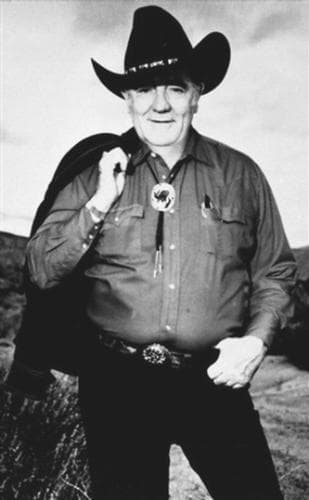
Biography coming soon.







