“The magic is still there, but it's different now. It's not just about fun and games; it's about responsibility.”
— Omri reflects on the changes in the magic after his previous adventures.

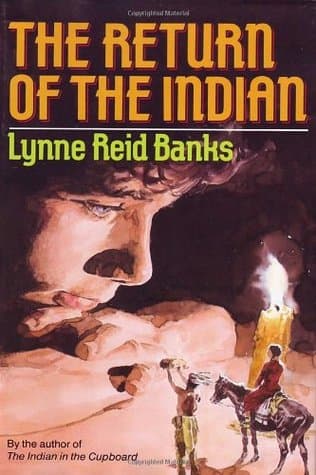
Lynne Reid Banks (1986)
Genre
Fantasy / Children's / Historical Fiction / Young Adult
Reading Time
180 min
Key Themes
See below
Sign in to track this book
A year after sending his miniature Indian friend back to his own time, Omri reclaims the magic key and returns to a dangerous world where Little Bear is gravely wounded during the French and Indian Wars, forcing Omri to see that his childhood game now holds life-or-death consequences.
Over a year has passed since Omri sent Little Bear, the Iroquois Indian, back to his own time through the magic cupboard. His mother wears the key around her neck to prevent him from using it, but one day Omri finds it on the bathroom sink. Wanting to share his latest news, that his family is moving to a new house, he uses the key. He brings Little Bear back, but in his excitement, he also accidentally brings back Boone, the cowboy, who was in the cupboard at the same time. Little Bear appears gravely injured, having been shot, and is in pain. Boone is more concerned with his own comfort and finding a drink.
Omri is upset by Little Bear's condition and his wound. Little Bear, despite his pain, says that his village is under attack by the French and the 'redcoats' (British soldiers) and that his people are being killed. He asks Omri to send help, specifically mentioning that his wife, Bright Stars, and their people are in danger. Omri realizes the situation is serious, far beyond a simple game, and that he has pulled Little Bear from a real, life-threatening conflict. Boone, meanwhile, stays focused on his own needs and making demands.
Realizing he needs professional help, Omri brings a tiny nurse from his sister's old toy hospital kit to life. The nurse, a stern but capable woman named Ms. Doom, immediately checks Little Bear's injury and starts to care for him, criticizing Omri for not thinking ahead. To understand the war and make a plan, Omri also brings a tiny British General, named General Custer (though he is not the historical Custer), from his collection of lead soldiers. The general is confused at first but quickly understands the miniature conflict and begins to plan, seeing it as a real military engagement.
General Custer, with his military mindset, quickly makes a plan to help Little Bear's village, involving scouting and a possible counter-attack. Omri is relieved to have a capable mind working on this. However, Boone, still resentful and self-serving, causes problems. He steals food and complains constantly, being more of a hindrance than a help. His actions show the difference between his self-interest and Little Bear's concern for his people. Omri struggles to manage the personalities and demands of his tiny charges, all while the urgency of Little Bear's village's situation weighs on him.
Following General Custer's plan, Omri brings to life a tiny Iroquois scout, whom Little Bear identifies as his friend, Tall Bear. Tall Bear is quickly told what happened and sent back through the cupboard to gather information on the attacking forces and the state of the village. General Custer, through his talks with Little Bear, learns that the French have allied with other Indian tribes, including the Hurons and Algonquins, making the conflict worse. This information makes the general's strategy more complex, as he realizes they face a more difficult enemy than first thought, making Omri's task even harder.
Tall Bear eventually returns through the cupboard, injured himself and bringing bad news. He reports that Little Bear's village has been largely destroyed, many people killed, and the remaining women and children, including Bright Stars, have been taken captive by the enemy tribes allied with the French. Little Bear is heartbroken and angry, his pain now joined by grief and fear for his wife. Omri feels a heavy responsibility, understanding that his actions in bringing Little Bear back have pulled him deeper into this tragic historical conflict.
With the grim news from Tall Bear, General Custer and Omri quickly change their strategy from defense to a daring rescue mission. They decide they must try to free Bright Stars and the other captives. The plan involves Omri bringing a small group of British soldiers to life to help in the rescue, hoping their presence and firepower will create a diversion or overwhelm the captors. Omri is increasingly stressed by the rising stakes, knowing that real lives depend on his actions and that any mistake could have fatal consequences for his tiny friends.
Omri carefully places the tiny British soldiers, Little Bear, Tall Bear, and General Custer into the cupboard, sending them into the past for the rescue attempt. The tension is clear as Omri waits. When they return, the group is shaken. One of the British soldiers has been killed, a brutal reminder to Omri of the deadly reality of the war he is involved in. This loss deeply affects Omri, making the consequences of his magic incredibly real and personal. He feels guilt and responsibility for the soldier's death.
Despite the casualty, the rescue mission is partly successful: Bright Stars is brought back through the cupboard, safe but traumatized. Little Bear is happy to be reunited with his wife, but the joy is lessened by the destruction of their village and the loss of many of their people. It becomes clear that Little Bear, despite his injuries, must return to his own time to lead his surviving people, rebuild their village, and mourn their dead. Omri realizes that he cannot keep Little Bear in his world indefinitely, as his place is with his tribe.
With a heavy heart, Omri prepares for the final goodbyes. He sends Little Bear, Bright Stars, Tall Bear, General Custer, and the remaining British soldiers back to their own time through the cupboard. Ms. Doom, the nurse, also returns. Omri realizes the great responsibility and potential for harm that comes with the magic key. He understands that while the adventures were exciting, the real lives involved are too precious to be treated as mere playthings. He decides to put the key away permanently, having learned a lesson about the consequences of his actions and the delicate balance between worlds.
The Protagonist
Omri evolves from an excited, somewhat naive boy playing with magic to a more mature and responsible individual who understands the gravity of his actions.
The Supporting/Co-protagonist
Little Bear endures great suffering and loss, demonstrating resilience and leadership in the face of adversity, ultimately returning to lead his surviving people.
The Antagonist/Supporting
Boone remains largely unchanged throughout the story, serving as a consistent source of minor conflict and demonstrating the dangers of self-interest.
The Supporting
Ms. Doom remains a consistent and reliable professional, providing essential medical aid and a grounding presence.
The Supporting
General Custer consistently provides military insight and leadership, fulfilling his role as a strategic advisor.
The Supporting
Bright Stars endures capture and is rescued, symbolizing the survival and hope for Little Bear's people.
The Supporting
Tall Bear acts bravely as a scout, delivering crucial but devastating information, and enduring injury for his people.
The Mentioned
Her role is primarily to initiate the plot by inadvertently making the key available again.
The main theme is Omri learning the responsibility that comes with having magical power. What starts as a game quickly becomes life-and-death situations, making Omri face the real consequences of his actions. Little Bear's injury, the destruction of his village, and the death of a British soldier are direct results of Omri's choices, teaching him that his magic affects real lives and history. This theme is clear in his eventual decision to permanently put away the key, recognizing the weight of his power.
“'He had started it, he had done it all. It was his fault that Little Bear was hurt, that his village was burned, that his wife was captured, that a man had died.'”
The book shows the realities of war, even in miniature form. Little Bear's initial injury, the descriptions of his destroyed village, the capture of Bright Stars, and the death of the British soldier show the brutal and tragic nature of conflict. It moves past a romanticized view of history, showing the suffering, loss, and difficult choices faced by those involved. This theme is especially impactful as Omri, a child, directly confronts the horror of historical events he accidentally influences.
“'This was not a game. This was real. And in real life, people got hurt, and sometimes they died.'”
Omri's journey includes growing empathy. Initially, he might see his figures as toys, but as he interacts with Little Bear, Boone, Ms. Doom, and General Custer, he understands their individual lives, fears, and motivations better. He feels Little Bear's pain and grief, the nurse's professionalism, and the general's strategic mindset. This empathy allows him to move past childish play to genuinely care for their well-being and to make difficult decisions for their benefit, even if it means personal sacrifice.
“'He saw the pain in Little Bear's eyes, not just of his body, but of his heart, for his lost home and people. Omri felt it too, a pain of his own making.'”
The interactions between characters from different times and cultures show this theme. Little Bear, Boone, Ms. Doom, and General Custer each bring their unique perspectives, values, and language to Omri's world. Boone's self-interest contrasts with Little Bear's tribal loyalty, while Ms. Doom's modern medical knowledge clashes with the primitive conditions of the past. Omri acts as a bridge between these worlds, trying to reconcile their differences and understand their individual needs, often leading to humorous or sad moments of misunderstanding and adaptation.
“'Why does he talk so strange? And what is this 'whisky' he keeps asking for?'”
The central magical artifact that brings inanimate figures to life and transports them through time.
The cupboard and key are the primary magical device, acting as a portal between Omri's world and the past. They allow Omri to bring plastic or metal figures to life and, crucially, to send them back to their original time. In 'The Return of the Indian,' the cupboard's function is expanded to include sending 'live' figures back to their correct historical context, not just returning them to being inanimate. It serves as the catalyst for all the adventures and conflicts, representing both immense power and dangerous responsibility.
The narrative device of tiny, living characters interacting within a normal-sized environment.
The miniature world created by the magic cupboard is a key plot device. It allows for a unique perspective on human interaction, power dynamics, and scale. Omri, as a giant, holds immense power over his tiny friends, which highlights the theme of responsibility. The challenges faced by the tiny characters, such as navigating Omri's house or facing the dangers of their own historical conflicts, are made more vivid by their small size. This device also creates opportunities for both dramatic tension and moments of humor.
Little Bear's injury serves as the driving force for much of the plot.
Little Bear's critical wound at the beginning of the story immediately raises the stakes and shifts the narrative from playful adventure to urgent crisis. His injury is not merely a plot point but a constant reminder of the real dangers and consequences of Omri's actions. It forces Omri to seek help (Ms. Doom, General Custer), and it underscores the devastating reality of the war Little Bear is fighting. The wound makes Little Bear vulnerable and dependent on Omri, intensifying their bond and Omri's sense of responsibility.
Omri's mother leaving the key accessible acts as the inciting incident.
The simple act of Omri's mother forgetting the magic key on the bathroom sink is the direct catalyst for the entire plot of 'The Return of the Indian.' This seemingly mundane event reintroduces the magic into Omri's life, despite his previous resolution to avoid it. It highlights the power of temptation and the unpredictability of circumstances that can lead to significant events. Without this 'forgetfulness,' the story would not have happened, demonstrating how small actions can have monumental consequences in a magical world.
“The magic is still there, but it's different now. It's not just about fun and games; it's about responsibility.”
— Omri reflects on the changes in the magic after his previous adventures.
“You can't just play with people's lives, even if they are only three inches tall.”
— Omri realizes the ethical implications of bringing plastic figures to life.
“The past is a dangerous place to visit, but sometimes you have to go back to move forward.”
— Omri contemplates using the magic to help Little Bear with his historical troubles.
“Friendship isn't about size; it's about heart.”
— Omri defends his bond with Little Bear to skeptical outsiders.
“Magic doesn't solve problems; it just gives you a chance to face them.”
— Omri learns that the magic cabinet is a tool, not a solution.
“Every time you use the magic, you change something—and you can't always change it back.”
— A warning from Omri's experience with unintended consequences.
“Being brave doesn't mean you're not scared; it means you do what's right anyway.”
— Little Bear encourages Omri during a tense moment in their journey.
“History isn't just in books; it's in the people who lived it.”
— Omri gains a deeper appreciation for Little Bear's perspective as a Native American from the past.
“Sometimes the smallest things can make the biggest difference.”
— Reflecting on how tiny figures like Little Bear have impacted Omri's life.
“You don't own the magic; the magic owns a part of you.”
— Omri feels the lasting connection and burden of the magical cabinet.
“Trust is the bridge between two worlds, no matter how far apart they seem.”
— Describes the bond between Omri (modern boy) and Little Bear (18th-century Native American).
“Adventure isn't about seeking danger; it's about finding truth.”
— Omri justifies his risky trips to the past to his worried friend.
“The hardest battles are often the ones you fight inside yourself.”
— Omri struggles with guilt over meddling in Little Bear's life.
“A true friend stands by you, even when the world doesn't understand.”
— Omri remains loyal to Little Bear despite others' disbelief.
Ready to see how well you understood this book? Take our interactive quiz with 10 questions.
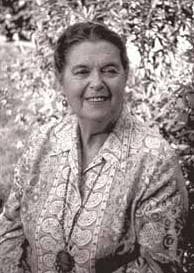
Biography coming soon.







