BookBrief
The Red Badge of Courage cover
Archivist's Choice

The Red Badge of Courage

Stephen Crane (2009)

Genre

Historical Fiction / Young Adult

Reading Time

12 Minutes

Key Themes

See below

Track Your Reading

Sign in to track this book

A young Civil War recruit's shame-fueled flight from the battlefield turns into a desperate quest for a "red badge of courage" amidst the brutal realities of war.

Synopsis

Set during the American Civil War, 'The Red Badge of Courage' follows the psychological journey of Henry Fleming, a young Union Army private eager for the glory of battle but unprepared for its brutal reality. When his regiment faces its first major engagement, Henry's initial enthusiasm gives way to terror, leading him to flee the battlefield in a moment of panic and perceived cowardice. Grappling with intense shame and the desire for a 'red badge of courage'—a battle wound that would signify his bravery—he wanders among the wounded and dying, witnessing the true cost of war. Consumed by his internal conflict, Henry eventually rejoins his regiment. Given a second chance in a seemingly futile charge, he confronts his fears head-on, finding an unexpected wellspring of courage and leadership within himself. The novel explores themes of heroism, fear, shame, and the search for self-identity amidst the chaos and moral ambiguities of warfare.
Difficulty
Medium
Pacing
Moderate
Mood
Introspective, intense, historical, thought-provoking

Plot Summary

The Call to Arms and Initial Enthusiasm

Henry Fleming, a young farm boy, enlists in the Union Army, despite his mother's initial worry. He is drawn by a romantic idea of military glory, fueled by newspaper stories and the excitement in his rural town. He imagines heroic charges and brave deeds, believing war is a grand adventure. As he trains with his regiment, the 304th New York, he faces the routine of camp life and long waits, which slowly lessen his initial enthusiasm. He starts to doubt his own courage and wonders if he will stand firm or run in real combat, a constant fear.

The Eve of Battle and Gnawing Fear

The regiment moves closer to the front, and signs of battle become clearer. Henry and his comrades hear distant artillery and see skirmishes, which increases the tension. Henry's fear about his own potential cowardice consumes him. He watches his fellow soldiers, trying to judge their reactions and find reassurance, but he feels alone in his struggle. He thinks about running away and tries to justify it, telling himself it would be a smart choice to save himself, not a shameful desertion. The night before their first major fight is sleepless, filled with dread and self-doubt.

The First Engagement and Panic

The regiment is finally in its first major battle. At first, Henry fights well, firing his rifle and holding his position amid the chaos. He feels a surge of pride and confidence, believing he has overcome his fears. But when the enemy launches a second, stronger charge, panic takes over. He sees his comrades falling and the line wavering, and his earlier resolve breaks. Overwhelmed by terror, he throws down his rifle and runs from the battlefield, blindly into the woods, convinced the Union line has collapsed and he is saving himself from certain death.

The Retreat and Encounter with the Wounded

After running, Henry wanders through the woods, eventually finding a stream of wounded soldiers retreating from the battle. He feels deep shame and isolation as he sees their injuries, which he sees as 'red badges of courage' – visible proof of their bravery and sacrifice. He talks briefly with a 'tattered soldier' who repeatedly asks Henry where he is wounded. Unable to admit his cowardice, Henry avoids the questions, feeling more and more guilty. He also meets a 'spectral soldier,' a dying man whose calm acceptance of his fate affects Henry, showing his own lack of bravery.

The 'Red Badge' and Return to the Regiment

Still ashamed of running, Henry tries to find his way back to his regiment. He meets a column of retreating soldiers and, desperate to hide his desertion, tries to blend in. During a confused moment, one of the retreating soldiers, in a panic, hits Henry on the head with his rifle butt. Henry falls unconscious but eventually recovers, now with a real wound. He decides to use this injury as his 'red badge of courage,' making up a story that he was grazed by a bullet during a heroic stand. He eventually finds his way back to his regiment, where his friend Wilson helps him and believes his made-up story.

Rejoining the Fight and Renewed Resolve

After rejoining his company, Henry is initially nervous his desertion will be discovered, but his comrades are more focused on the ongoing battle. He feels anger and resentment towards the officers and the war, which he projects onto the enemy. This anger, with his desire to prove himself and protect his made-up reputation, creates a new kind of courage. He fights almost recklessly, no longer paralyzed by fear. His actions are driven by a need for redemption and a fierce will to erase the memory of his earlier cowardice, surprising even himself with his new aggression.

The Flag Bearer and Heroic Stand

During a particularly brutal fight, the regimental flag-bearer falls, and Henry, seeing a chance for bravery, grabs the flag. He charges forward, rallying his discouraged comrades. With the flag held high, he becomes a symbol of defiance and courage, inspiring the other soldiers to press on. He fights with great ferocity, feeling an almost primal connection to the battle and his regiment. This act of heroism is a turning point for Henry; it is a public display of courage that begins to validate his self-worth and earn him the respect of his peers, solidifying his new identity as a brave soldier.

A Moment of Reflection and Guilt

After his heroic actions, Henry gets praise from his fellow soldiers and officers, boosting his confidence. He feels a sense of triumph, believing he has finally achieved the 'red badge' he wanted. However, even with this new glory, he cannot fully escape the memory of his earlier desertion. Guilt washes over him, reminding him of his past cowardice and the shame he felt. He thinks about the 'tattered soldier' and the spectral soldier, recognizing the true cost of war and the moral complexities of his own journey. This internal struggle is a step towards true self-awareness.

The Final Charge and Moral Victory

The regiment is ordered into another seemingly impossible charge, but this time, Henry faces it with a different attitude. He is no longer driven only by fear or a need for external approval. He fights with a matured courage, a quiet determination from his experiences. The charge succeeds, and the Union forces win a significant victory. As the battle ends, Henry looks over the battlefield, thinking about the horrors and heroism he has seen. He feels a sense of inner peace and quiet confidence, having faced his fears and emerged a changed man, no longer consumed by the fear of cowardice.

The Journey Home and Self-Acceptance

As the regiment marches from the battlefield, Henry thinks about his entire journey. He recalls his initial romantic ideas, his terrified flight, his made-up wound, and his later acts of courage. He understands that courage is not a constant state but a changing response to extreme pressure, and that true bravery often means overcoming one's own fear. He recognizes the great growth he has gone through, changing from a naive, self-doubting boy into a more mature and self-aware man. He has faced the brutal reality of war and, despite his imperfections, has found a measure of self-acceptance and a new understanding of what it means to be courageous.

Principal Figures

Henry Fleming

The Protagonist

Henry transforms from a naive, fear-ridden boy who flees battle into a more self-aware and genuinely courageous man, learning that heroism is complex and often born from the struggle against one's own nature.

Jim Conklin

The Supporting

Jim serves as a static character whose death profoundly impacts Henry, symbolizing the harsh realities of war and the quiet dignity of suffering, pushing Henry towards a deeper understanding of courage.

Wilson

The Supporting

Wilson transforms from a boastful, fear-stricken soldier into a mature, courageous, and compassionate comrade, paralleling Henry's own development and serving as a foil to Henry's initial self-absorption.

The Tattered Soldier

The Supporting

A static, symbolic character whose innocent questions about Henry's wounds serve as a catalyst for Henry's shame and a stark reminder of his desertion.

The Lieutenant (Lieutenant Hasbrouck)

The Supporting

The Lieutenant serves as a consistent figure of authority and leadership, recognizing and rewarding Henry's eventual bravery, thus validating his transformation in the eyes of his peers.

The General

The Supporting

A static, symbolic character who represents the impersonal nature of high command and unwittingly fuels Henry's initial anger and drive for redemption.

The Corporal (Corporal Simpson)

The Supporting

A minor, static character who helps establish the regimental hierarchy and the day-to-day realities of military life.

The Spectral Soldier

The Supporting

A static, symbolic character whose silent suffering and death serve as a profound, sobering lesson for Henry about the true cost of war and the nature of courage.

Themes & Insights

The Nature of Courage and Cowardice

The novel deeply explores courage, showing its changing and complex nature, and challenging romantic ideas of heroism. Henry's journey shows that courage is not a constant trait but often a momentary response to intense pressure, mixed with fear, panic, and even anger. His initial flight and later acts of bravery demonstrate that soldiers can be both cowardly and heroic in the same conflict, and that true courage often means overcoming one's own internal struggles rather than simply lacking fear. The 'red badge' itself symbolizes both real sacrifice and the potential for fabricated glory.

He had been to touch the great death, and come back. He knew for a truth that he was an invincible man.

Narrator

The Loss of Innocence and Maturation

Henry Fleming's experience in the Civil War is a harsh journey from naive boyhood to a more mature understanding of himself and the world. He starts with idealized, almost childish, views of war as a glorious adventure. The realities of battle—the fear, the death, the moral compromises—remove his innocence. His journey of self-discovery forces him to confront his own flaws, his capacity for both fear and bravery, and the complexities of human nature. By the end, he has gained a more realistic view of life, death, and his place within the vast, indifferent machine of war.

He had rid himself of the red sickness of battle. The sultry nightmare was in the past.

Narrator

The Indifference of Nature and the Universe

Stephen Crane often emphasizes nature's complete indifference to the human conflict. Descriptions of serene skies, peaceful woods, and changing seasons contrast sharply with the violent, chaotic, and emotional human drama of the battlefield. This indifference highlights the insignificance of individual human struggles in the universe, making the soldiers' battles seem more futile and poignant. Nature acts as a silent, unfeeling observer, emphasizing the isolation of human suffering and the lack of cosmic justice or recognition for their sacrifices.

The sun suddenly appeared and began to strike a front of the woods with its rays. They were, in effect, like a bench full of spectators.

Narrator

The Dehumanizing Effects of War

The novel shows how war strips individuals of their unique identities, reducing them to parts of a larger, often brutal, machine. Soldiers are often called by general terms like 'the youth,' 'the tall soldier,' or 'the loud soldier,' showing their loss of individuality. The chaos and violence of battle turn men into primal beings driven by instinctual fear or aggression. The scale of death and suffering, the indifference of high command, and the constant threat to life reduce empathy and can lead to a desensitization to violence, showing how war can lessen human dignity and moral agency.

He was a blood-swollen god. And he was capable of clear-headed ferocity.

Narrator

The Search for Identity and Self-Knowledge

Henry's journey is a quest for self-knowledge and a stable identity amid the chaos of war. He constantly questions who he is and what he is capable of, especially in the face of fear. His initial identity is built on idealized ideas of heroism, which are shattered by his cowardice. He then deals with shame, trying to build a new identity through a fabricated wound and later through real acts of bravery. Ultimately, his experiences force him to shed his illusions and accept a more complex, nuanced understanding of himself, recognizing his capacity for both weakness and strength.

He had learned that many things were not as they had seemed. He had been to touch the great death, and come back. He knew for a truth that he was an invincible man.

Narrator

Plot Devices & Literary Techniques

Symbolism of the 'Red Badge of Courage'

A wound as a mark of bravery or a cover for shame.

The 'red badge of courage' symbolizes a visible battle wound, which Henry initially craves as proof of his bravery. It represents the external validation of heroism and sacrifice. However, the symbol is complicated when Henry receives an accidental head wound and uses it to falsely claim valor, highlighting the deceptive nature of appearances and the internal struggle between genuine courage and perceived honor. Ultimately, the true 'red badge' becomes an internal one, marking Henry's psychological wounds and his eventual growth beyond the need for superficial validation.

Irony

Contradictions between expectation and reality, and between appearance and truth.

Irony pervades the novel, particularly in the stark contrast between Henry's romanticized expectations of war and its brutal reality. The most prominent example is Henry's yearning for a 'red badge of courage' to prove his bravery, only to acquire a wound through an act of cowardice (being struck by a retreating soldier). There's also the irony of the 'loud soldier' (Wilson) becoming quiet and compassionate, while the initially introspective Henry becomes fiercely aggressive. This device underscores the unpredictable nature of war and human character, challenging simplistic notions of heroism.

Naturalism

Humans as products of environment and instinct, lacking free will.

Crane's naturalistic approach depicts Henry and other soldiers as largely driven by primal instincts (fear, self-preservation, aggression) rather than conscious, rational choice. The overwhelming chaos of battle, the indifference of nature, and the sheer force of circumstances often determine their actions. Henry's flight is presented as an almost involuntary reaction to terror, and his later courage as a surge of animalistic fury. This device suggests that individuals are often at the mercy of their environment and biological urges, diminishing the role of free will and moral agency in extreme situations like war.

Stream of Consciousness

Narrative technique mirroring Henry's internal thoughts and feelings.

While not a pure stream of consciousness novel, Crane frequently employs this technique to immerse the reader directly into Henry's internal world. The narrative often shifts to Henry's unfiltered thoughts, anxieties, rationalizations, and emotional responses, sometimes presented in fragmented or associative ways. This allows the reader to experience the psychological turmoil of battle and Henry's internal conflict firsthand, rather than merely observing from a distance. It highlights his self-absorption, his fluctuating courage, and the often-irrational nature of his thought processes, making his psychological journey the central focus of the story.

Color Symbolism

The use of colors to evoke emotions and signify meaning.

Crane makes extensive use of color symbolism, particularly 'red' and 'yellow/grey.' Red is prominently associated with blood, battle, courage, and the 'red badge' itself, signifying both violence and heroism. Yellow or grey tones often represent fear, cowardice, and the drab, unheroic aspects of war. The 'blue' of the Union uniforms and the 'grey' of the Confederates also carry symbolic weight, though less directly tied to Henry's internal state. This device adds a layer of sensory detail and emotional resonance, subtly guiding the reader's perception of events and characters' psychological states.

Critical analysis

Notable Quotes

Quiz

Test Your Knowledge

Ready to see how well you understood this book? Take our interactive quiz with 10 questions.

10
Questions
~5
Minutes
?
Best Score

Key Questions (FAQ)

The Red Badge of Courage tells the story of Private Henry Fleming, a young recruit in the American Civil War. It follows his intense psychological journey as he grapples with fear, shame, and the desire to prove his courage in the face of battle.

About the author

Stephen Crane

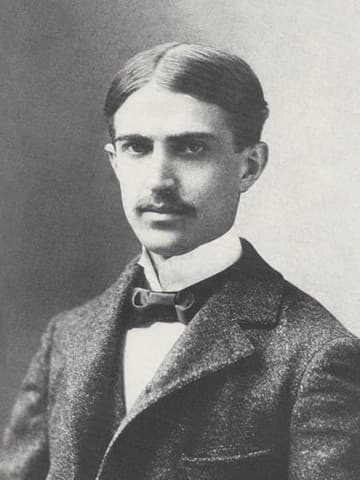
Stephen Crane was an American poet, novelist, and short story writer. Prolific throughout his short life, he wrote notable works in the Realist tradition as well as early examples of American Naturalism and Impressionism. He is recognized by modern critics as one of the most innovative writers of his generation.