“I'm a lawyer, and I'm not ashamed of it.”
— Rudy Baylor asserts his professional identity early in the story.

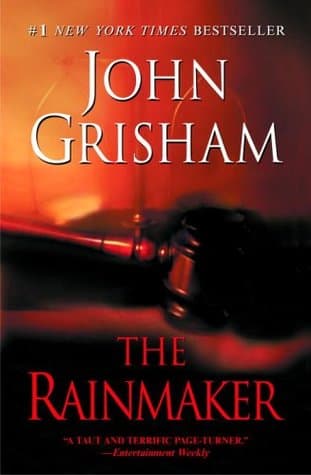
John Grisham (1995)
Genre
Thriller / Mystery
Reading Time
500 min
Key Themes
See below
Sign in to track this book
A broke, unproven law school graduate takes on a monolithic, corrupt insurance giant to expose a billion-dollar scam and fight for a dying boy's denied medical care, risking everything against the nation's most formidable legal defense.
Rudy Baylor, a recent graduate from Memphis State Law, is in a bad spot. He has no job offers, is deep in debt, and must pass the bar exam. His only real chance is an interview with a personal injury firm run by 'Bruiser' Stone, known for his aggressive tactics. Rudy's last semester requires pro bono work at a senior citizens' center. There, he meets Dot and Buddy Black, whose son, Donny Ray, is dying of leukemia. Their insurance company, Great Benefit Life, has denied coverage for Donny Ray's bone marrow transplant many times, leaving them without money and their son without hope. This meeting starts what will become Rudy's most important case.
Despite his doubts, Rudy takes a job with 'Bruiser' Stone, a showy and unethical personal injury lawyer. Bruiser's firm operates on the edge of legality, doing things like seeking clients in hospitals and making up evidence. Rudy's first tasks involve chasing ambulances and helping with small cases, quickly showing him the bad side of the legal profession. He also meets Deck Shifflet, a paralegal who failed the bar exam six times but is good at legal research and a cynical guide to the firm's work. Deck becomes Rudy's unexpected mentor and partner, helping him understand his new, morally unclear job while still keeping an eye on the Black family's situation.
Rudy and Deck start looking into Great Benefit Life's denial of Donny Ray Black's claim. They find a pattern: Great Benefit regularly denies valid claims, hoping policyholders will give up. Donny Ray's policy clearly covers bone marrow transplants, but the company has invented reasons to avoid payment. This systematic denial of coverage, especially to people with terminal illnesses, suggests a larger, planned insurance fraud. The sheer lack of care in Great Benefit's actions makes Rudy more determined, turning the case from a legal task into a personal fight for justice against a powerful, uncaring company. They realize this is not just one denied claim, but possibly a class-action lawsuit.
Just as Rudy and Deck are making progress on the Great Benefit case, their lives change. Bruiser Stone, facing an FBI investigation and possible disbarment for his illegal activities, suddenly disappears. His office is raided, and his assets are taken. This unexpected event leaves Rudy and Deck without a firm, but also frees them from Bruiser's bad influence. With no other choices, they decide to start their own small, independent practice. They find a rundown office and, with Deck's cleverness and Rudy's new bar license, commit to pursuing the Black family's case against Great Benefit, now with more determination and a sense of moral purpose.
Rudy, now a licensed attorney, officially files a lawsuit for Dot and Buddy Black against Great Benefit Life. The legal battle quickly gets bigger as Great Benefit hires Leo F. Drummond, a very experienced, tough, and well-funded defense attorney from a respected firm. Drummond and his team use every tactic to scare and overwhelm Rudy, from huge amounts of discovery to aggressive motions. Rudy, with few resources and little experience, relies heavily on Deck's research skills and his own growing legal instincts. The first court fights show the big difference in resources and experience between the two sides, setting up a difficult battle.
During the initial legal work, Donny Ray Black dies from his leukemia. His death, a direct result of Great Benefit's refusal to cover his treatment, deeply affects Rudy and makes him more committed to the case. Donny Ray's death changes the lawsuit from a matter of money into a search for justice and accountability. The emotional impact of his death strengthens Rudy's resolve to expose Great Benefit's cruelty and stop other families from suffering the same way. The Black family's grief becomes a strong reason for Rudy to fight harder against the seemingly impossible odds presented by Drummond and his legal team.
While getting ready for the Great Benefit trial, Rudy takes on another client, Kelly Riker, a young woman badly beaten by her abusive husband, Cliff Riker. Rudy first meets Kelly in the hospital where he is looking for clients for Bruiser and later helps her get a restraining order. The case quickly gets worse when Cliff, a violent and unstable man, breaks the order and keeps bothering Kelly. Rudy gets involved in Kelly's situation, offering her shelter and protection. This side story adds personal danger and moral complexity to Rudy's life, as he becomes closely involved in protecting Kelly from her dangerous husband, all while balancing the demands of the high-stakes Great Benefit lawsuit.
The Great Benefit case is given to Judge Tyrone Kipler, an unusual and at first intimidating figure. To the surprise of both Rudy and Drummond, Judge Kipler is fair-minded and, at times, subtly favors Rudy, the underdog. He often overrules Drummond's procedural objections and allows Rudy more freedom than expected. Kipler's rulings and manner suggest he is tired of corporate legal bullying, giving Rudy important breathing room and a more equal playing field. This judicial help is a significant turning point, giving Rudy a chance against Great Benefit's superior resources and legal power, and unsettling Drummond's usual control in court.
The trial of Black v. Great Benefit Life starts, putting Rudy, a new lawyer, against Leo Drummond and his experienced team. Rudy, despite his lack of experience, presents a strong case, carefully detailing Great Benefit's systematic denial of Donny Ray's claims and the company's wider pattern of fraudulent behavior. He calls witnesses, including former Great Benefit employees, who testify about the company's orders to deny claims no matter what. Drummond, in turn, tries to discredit Rudy, paint Donny Ray as not deserving, and portray Great Benefit as a good insurer. The courtroom becomes a battle of legal strategy, emotional appeals, and the sharp contrast between corporate power and individual suffering.
During the trial, Rudy finds a key document—an internal memo from Great Benefit showing a deliberate company policy to deny claims and profit from policyholder deaths. This evidence, with strong testimony from a former Great Benefit executive, proves the company's bad intentions. The jury, moved by Rudy's passionate arguments and the clear evidence of fraud, gives a verdict: $15 million in compensatory damages and an unprecedented $50 million in punitive damages against Great Benefit Life. This large award shocks the legal community and is a clear victory for the Black family and Rudy Baylor.
After the verdict, Great Benefit Life immediately declares bankruptcy, making the multi-million dollar judgment mostly uncollectible. While the Black family gets only a small part of the awarded damages, the moral victory and the public exposure of Great Benefit's fraud are huge. Meanwhile, Rudy's personal life changes when Cliff Riker, Kelly's abusive husband, tries to kill Kelly. Rudy steps in, and in the fight, Cliff is killed. Rudy and Kelly, now close, decide to leave Memphis. Rudy, disappointed by the legal system's limits and the compromises he had to make, decides to stop practicing corporate law and follow a different path, traveling with Kelly to start over.
After the events around the Great Benefit trial and Cliff Riker's death, Rudy and Kelly Riker decide to leave Memphis. Rudy, having achieved the moral victory for the Black family and protected Kelly, feels deeply disappointed with the legal system and the personal cost it took. He decides to stop practicing law, at least for now. Together, they start a journey, driving out of Memphis with no specific place in mind, looking for a quiet life away from the competitive world of litigation and the shadows of their past. Rudy finds peace and purpose in helping Kelly heal and building a new, simpler life together, free from the pressures of his old job.
The Protagonist
Rudy evolves from a desperate, inexperienced law student into a tenacious and morally driven attorney who ultimately questions the entire legal system.
The Supporting
Deck transitions from a jaded paralegal in a corrupt firm to a dedicated partner in a quest for legitimate justice.
The Supporting
Dot transforms from a desperate, grieving mother into a symbol of resilience and a catalyst for corporate accountability.
The Supporting
Buddy remains a steadfast and supportive figure, embodying the quiet suffering inflicted by corporate negligence.
The Supporting
Donny Ray's life and death serve as the tragic catalyst for the entire legal drama.
The Antagonist
Drummond remains a steadfast antagonist, representing the unyielding power of corporate defense, ultimately experiencing a rare defeat.
The Supporting
Bruiser's arc is one of self-destruction, serving as a catalyst for Rudy's independence.
The Supporting
Judge Kipler demonstrates a progression from a stern arbiter to a subtly supportive force for justice against corporate power.
The Supporting
Kelly transforms from a terrified abuse victim to a survivor finding new hope and independence with Rudy.
The Antagonist
Cliff remains a consistently violent and destructive force, culminating in his demise.
The novel explores the tension between an individual's search for justice and the strong, often corrupt, legal system. Rudy Baylor, an inexperienced lawyer, takes on a powerful, unethical insurance company, Great Benefit Life, and its top legal team. This theme is clear in Rudy's struggle against overwhelming resources, bureaucratic obstacles, and the unfairness of the legal process. Despite the moral win for the Black family, Great Benefit's bankruptcy shows the system's limits in giving full financial compensation, making Rudy question his profession.
“There are times, I think, when we are all called to take a stand.”
A main theme is the terrible effect of corporate greed on ordinary people. Great Benefit Life shows this, putting profits over human lives by regularly denying valid insurance claims, especially for people with terminal illnesses like Donny Ray Black. The company's internal memos and the statements of former employees reveal a planned strategy of fraud and cold indifference. This theme exposes how big companies can use legal loopholes and scare individuals, showing the moral decay that can come with unchecked corporate power.
“It was a company that made money by saying no.”
The novel is a coming-of-age story for Rudy Baylor, showing his change from a naive law school graduate to an experienced, though disappointed, attorney. He learns about the ethical gray areas of the legal profession through his first work with 'Bruiser' Stone, then faces the tough realities of litigation against a powerful company. Rudy's 'education' involves not just legal strategy but also moral compromises, personal sacrifices, and a deep understanding of human suffering and strength. His journey ends with him realizing that justice in the legal system is often flawed and comes at a high personal price.
“Justice, I was learning, was an elusive thing.”
This theme appears in several ways: Great Benefit's abuse of its corporate power to deny claims and financially ruin families, and Cliff Riker's physical and emotional abuse of his wife, Kelly. Both examples show how power, whether corporate or personal, can be used to oppress and harm vulnerable people. Rudy Baylor confronts both types of abuse, fighting against a large company and directly helping to protect Kelly. The novel connects these seemingly different forms of abuse, showing their shared ability to destroy and the moral need to resist them.
“They had a system, and the system worked because it preyed on the poor and the ignorant.”
The story strongly uses the 'David vs. Goliath' idea. Rudy Baylor, a broke, inexperienced, and barely licensed lawyer, takes on Great Benefit Life, a huge insurance company represented by one of the most powerful and well-funded law firms in the country. His lack of resources, his old office, and his reliance on a paralegal who never passed the bar highlight his underdog status. The story celebrates the persistence and moral conviction of an individual against overwhelming institutional power, showing the emotional and strategic challenges of such a fight and the satisfaction of a hard-won, though imperfect, victory.
“I was out of my league, but I was in the game.”
Provides an intimate perspective on Rudy's struggles and moral dilemmas.
The story is told from Rudy Baylor's first-person perspective, allowing the reader direct access to his thoughts, fears, and evolving moral compass. This narrative choice immerses the reader in Rudy's personal and professional struggles, making his journey more relatable and impactful. It highlights his initial naivete, his growing disillusionment, and his internal conflicts as he navigates the corrupt legal world. The reader experiences the frustration of battling Great Benefit, the danger of helping Kelly Riker, and Rudy's ultimate questioning of his chosen profession directly through his eyes.
A crucial piece of evidence that exposes corporate malfeasance.
The 'smoking gun' in *The Rainmaker* is an internal memo from Great Benefit Life that explicitly details the company's policy of denying claims regardless of merit, calculating that more policyholders would die or give up than successfully sue. This document serves as the pivotal piece of evidence that proves malicious intent and fraud, turning the tide of the trial in Rudy's favor. It's a classic thriller device that provides undeniable proof of wrongdoing, creating a dramatic climax in the courtroom and securing the massive verdict against the insurance company.
A cynical but knowledgeable guide for the inexperienced protagonist.
Deck Shifflet serves as Rudy's unconventional mentor. Despite having failed the bar exam multiple times, Deck possesses invaluable practical legal knowledge, research skills, and street smarts. He guides Rudy through the intricacies of litigation, the ethical pitfalls of the profession, and the strategies for battling powerful law firms. Deck's cynical wisdom and resourcefulness are crucial to Rudy's success, providing the young lawyer with the practical tools and strategic advice he desperately needs. He represents the pragmatic, less idealistic side of the law, balancing Rudy's moral fervor.
Adds personal danger and a different dimension to Rudy's fight for justice.
The subplot involving Kelly Riker and her abusive husband, Cliff, runs parallel to the main Great Benefit lawsuit. This device serves several purposes: it provides a stark contrast between corporate, systemic injustice and immediate, personal violence; it deepens Rudy's character by showing his willingness to protect the vulnerable even outside the courtroom; and it introduces a significant element of personal danger and emotional entanglement into Rudy's life. The violent resolution of this subplot ultimately influences Rudy's decision to leave the legal profession, highlighting the toll his pursuit of justice takes.
“I'm a lawyer, and I'm not ashamed of it.”
— Rudy Baylor asserts his professional identity early in the story.
“The law is a noble profession, but it's also a business.”
— Rudy reflects on the dual nature of legal practice.
“Insurance companies are in the business of collecting premiums and denying claims.”
— Rudy criticizes the practices of Great Benefit Life Insurance.
“I'm not in it for the money. I'm in it for the people.”
— Rudy explains his motivation in taking on the case against Great Benefit.
“The truth is a powerful weapon.”
— Rudy emphasizes the importance of honesty in the legal battle.
“Sometimes you have to fight fire with fire.”
— Rudy discusses his aggressive legal tactics against the insurance company.
“A good lawyer knows the law; a great lawyer knows the judge.”
— Rudy learns about the practical aspects of courtroom success.
“Justice delayed is justice denied.”
— Rudy comments on the slow pace of the legal system affecting his clients.
“In the end, it's not about winning or losing; it's about doing what's right.”
— Rudy reflects on the moral core of his legal work.
“The little guy can win if he has the right lawyer.”
— Rudy expresses hope for underdogs in the legal system.
“Fear is a great motivator, but so is anger.”
— Rudy describes the emotions driving his fight against corporate greed.
“You don't have to be rich to make a difference.”
— Rudy encourages others to stand up against injustice.
“The system is broken, but that doesn't mean we can't fix it.”
— Rudy acknowledges flaws in the legal system while advocating for change.
Ready to see how well you understood this book? Take our interactive quiz with 10 questions.
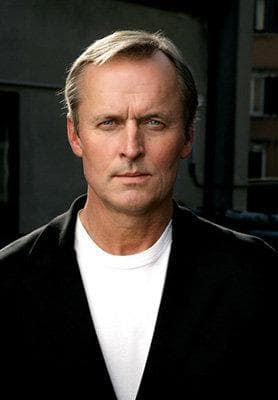
Biography coming soon.







