“A nurse's job is to keep things clean, to keep things moving, to keep things quiet.”
— Julia Power reflects on her duties as a nurse during the flu pandemic.


Emma Donoghue (2020)
Genre
Literary Fiction / Historical Fiction
Reading Time
360 min
Key Themes
See below
Sign in to track this book
During the 1918 flu pandemic and Ireland's fight for independence, a nurse, a rebel doctor, and a volunteer form a bond in a Dublin maternity ward, bringing hope and new life amid death and revolution.
In October 1918, Nurse Julia Power begins her shift in the fever ward of a Dublin maternity hospital, a place for pregnant women with the Spanish Flu. The ward is isolated and short-staffed, with Julia as the only nurse. Her day starts with Bridie Sweeney, a young, uneducated volunteer from a local Magdalene laundry, assigned to help her. Bridie is clumsy at first but eager to assist. Their first patient, Mrs. Kavanagh, arrives in severe distress, suffering from the flu and in advanced labor. Julia recognizes the high death rate for mothers and infants in such cases and begins managing Mrs. Kavanagh's labor amid severe breathing problems.
Because of high demand and few doctors, Dr. Kathleen Lynn is assigned to the fever ward. Julia immediately knows her as the 'Rebel Doctor' connected to the 1916 Easter Rising, making her a controversial figure. Despite initial awkwardness and Julia's respect for authority, Dr. Lynn quickly shows her medical skill, offering different treatments and a more hands-on approach than Julia is used to. They face immediate problems with Mrs. Kavanagh, whose condition worsens quickly. Dr. Lynn suggests unusual methods for breathing and labor, which Julia, though unsure, follows. Bridie, meanwhile, shows unexpected empathy and practical help, comforting Mrs. Kavanagh and assisting with tasks, slowly earning Julia's trust.
Mrs. Kavanagh's labor becomes harder, worsened by her flu symptoms. Dr. Lynn and Nurse Power work constantly, with Bridie assisting, to deliver the baby. The infant is born alive but very weak, and Mrs. Kavanagh is quickly failing. In her confusion, Mrs. Kavanagh says she has other children at home, neglected because of her illness, and asks Julia to care for them. Despite their efforts, Mrs. Kavanagh dies from the flu shortly after giving birth. The baby, named 'Bairn' by Bridie, becomes an orphan. Julia is deeply affected by the loss and Mrs. Kavanagh's dying request, which weighs on her. The ward, already sad, becomes even more so with this first death.
A new patient, Mrs. O'Rahilly, arrives. She is from a higher social class, visibly distressed, and has a history of difficult pregnancies. Her arrival changes the ward's mood, as she is more vocal and demanding. Dr. Lynn and Julia continue to have minor disagreements about medical methods, but their respect for each other grows. Bridie is very helpful in caring for Bairn, showing a natural motherly instinct and an ability to calm the fragile infant. As they handle Mrs. O'Rahilly's care and the constant flu threat, Julia, Dr. Lynn, and Bridie start to form a strong, quiet bond. They share personal stories and fears, finding comfort and strength together in the isolated ward.
During a quiet moment, Bridie, feeling close to the others from their shared experience, starts to tell about her past. She talks about her life in the Magdalene laundry, describing the harsh conditions, forced work, and emotional abuse she suffered since being sent there after her mother's death. She explains how she was seen as a 'fallen woman' for unclear reasons and trapped in the institution. Her story deeply affects Julia and Dr. Lynn, who are both horrified and saddened by the injustice Bridie faced. This story strengthens Bridie's place in their small, makeshift family, creating a protective feeling in both women towards her and deepening their connection.
Mrs. O'Rahilly's labor continues, but it is complicated by her flu symptoms and the baby's difficult position. Dr. Lynn uses all her skills, performing a difficult manual maneuver to help the birth. Despite their efforts, the baby is stillborn. The loss is devastating for Mrs. O'Rahilly and affects Julia, Dr. Lynn, and Bridie, who had invested so much emotionally. The repeated tragedy in the ward takes its toll, but they must quickly recover, as another patient, Mrs. Kelly, is admitted, already in advanced stages of both the flu and labor. The ongoing cycle of life and death in the fever ward continues to test their endurance and care.
Overwhelmed by the constant stress and the closeness formed in the face of death, Julia tells a personal secret to Dr. Lynn and Bridie. She reveals she is pregnant outside of marriage, a scandalous situation in conservative Ireland, especially for a single nurse. She shares her fears about the future, the shame, and the uncertainty of her baby's father, who is fighting in the war. This confession makes her vulnerable, breaking down her usual professional barriers. Dr. Lynn and Bridie respond with understanding and support, strengthening the unique bond that has grown between the three women in the fever ward.
Despite the earlier losses, Mrs. Kelly's baby is born successfully. The infant is healthy, providing a much-needed moment of joy and hope in the sad ward. This success lifts the spirits of Julia, Dr. Lynn, and Bridie. However, their relief is short-lived as another patient, a young woman named Miss O'Dwyer, is admitted. Miss O'Dwyer has the flu and appears to be a runaway or in hiding, bringing mystery and possible danger to the already tense environment. Her secretive nature and the chance of outside problems add another layer of difficulty to the women's work.
As the three days end, a police officer arrives at the hospital, looking for Dr. Kathleen Lynn, confirming she is a wanted Sinn Féin supporter. Knowing her time is limited, Dr. Lynn decides to flee. She cannot risk arrest and losing her medical license, especially during the pandemic. She says a heartfelt goodbye to Julia and Bridie, promising to help them from hiding. Her departure leaves Julia and Bridie to manage the ward alone again, but now with a deeper understanding of each other and a shared, profound experience that has changed them. They face the future, both personal and professional, with new strength.
After Dr. Lynn leaves, Julia and Bridie's bond grows stronger. Julia, now more open and trusting, decides to keep Bairn, the orphan baby, instead of sending her to an orphanage, with Bridie's eager help. They talk about their future together, with Bridie wanting to stay with Julia and help raise Bairn, and implicitly, Julia's unborn child. Julia sees a way forward, imagining a life where they can create their own unconventional family, going against societal norms. The fever ward, though a place of great suffering, has created a strong connection between them, offering hope and belonging in a world still dealing with war and disease. They emerge from the three days changed, but stronger and more connected.
The Protagonist
Julia transforms from a rigid, emotionally guarded nurse into a more open, empathetic woman who embraces an unconventional life path and chosen family.
The Supporting
Bridie evolves from a subservient, isolated laundry girl into a confident, indispensable caregiver who finds belonging and purpose with Julia and the children.
The Supporting
Dr. Lynn maintains her convictions and dedication to medicine, demonstrating resilience and courage in the face of political persecution, ultimately choosing her freedom and principles.
The Supporting
Her brief but impactful presence serves as a tragic representation of the pandemic's victims, prompting Julia's compassion and commitment.
The Supporting
Her story tragically illustrates the indiscriminate nature of the pandemic and the profound grief of losing a child, regardless of social standing.
The Mentioned
From an orphaned infant, Bairn becomes the catalyst for Julia and Bridie's bond and the foundation of their unconventional family.
The Mentioned
Her successful delivery provides a crucial moment of hope and respite in an otherwise tragic narrative.
The Mentioned
Her arrival hints at the broader societal dangers and secrets women face, beyond the immediate threat of the flu.
The novel explores care and compassion during a crisis. Nurse Julia Power, Dr. Kathleen Lynn, and Bridie Sweeney show dedication and empathy towards their flu patients, often doing more than their jobs. This is clear in Julia's struggle with Mrs. Kavanagh's dying request, Bridie's gentle care for Bairn, and Dr. Lynn's new medical approaches. Their acts of kindness and emotional involvement with their patients, even those who do not survive, show the humanity that appears amid suffering, highlighting the selfless nature of caregiving.
“'They were only three women, and they could not save the world, but they could hold this corner of it steady for a few days.'”
The isolated fever ward creates a place where connections form out of need and shared experience. Julia, Dr. Lynn, and Bridie are physically and emotionally separate from the hospital and society because of the pandemic and their personal lives. This isolation, however, becomes the setting for their deep bond. They share secrets, fears, and support each other, creating a chosen family. The theme shows how extreme situations can remove social masks, allowing for real human connection and solidarity to grow, providing comfort and strength against death and despair.
“'The ward was a tiny island of women, battered by a sea of sickness and war, but somehow, they were holding fast.'”
The novel shows the strength and ability of women in a society with war, disease, and social limits. Julia handles her secret pregnancy, Bridie escapes a Magdalene laundry, and Dr. Lynn defies political persecution and social expectations to practice medicine. These women make hard choices, support each other, and find ways to survive despite immense outside pressures. Their ability to deliver babies, care for the sick, and form their own unconventional family shows their resilience and their power to shape their own lives in a world that often tries to limit them.
“'They were women, they were Irish, they were living through a war and a plague, and still, they kept going.'”
The novel centers on the contrast between life and death during the 1918 Spanish Flu pandemic. The fever ward is a place where new life enters the world even as mothers and infants die from the illness. The cycles of birth and death, often happening within hours, show how fragile existence is and how relentless the disease can be. This theme explores the emotional cost for caregivers, who see both miraculous births and tragic losses, making them face the reality of human mortality and the lasting power of life.
“'Every birth was a defiance, a tiny flag of hope raised in the face of so much dying.'”
The book looks at the social stigmas in early 20th-century Ireland, especially those affecting women. Julia's pregnancy outside marriage, Bridie's past in a Magdalene laundry, and Dr. Lynn's political ties all show ways women's lives are judged, controlled, and pushed aside. The fever ward becomes a place where these hidden lives and shames can be revealed and accepted without judgment. The novel exposes the unfairness of a society that often punishes women for things beyond their control, while also showing the strength and unity found among those who challenge these norms.
“'The world outside might condemn them, but in here, they were just women, trying to make it through.'”
Confined physical space to intensify character interaction and thematic focus.
The entire novel unfolds within the confines of a single, isolated maternity fever ward. This limited setting functions as a powerful plot device, creating an intense, claustrophobic atmosphere that mirrors the characters' emotional states and the overwhelming nature of the pandemic. By restricting the action, Donoghue forces the characters—Julia, Bridie, and Dr. Lynn—into constant, intimate interaction, accelerating the development of their relationships and revealing their true natures under pressure. It also isolates them from the outside world, emphasizing their shared struggle and the microcosm of life and death unfolding within their control, making the ward itself almost a character.
Compressed timeframe to heighten urgency and dramatic tension.
The narrative spans a mere three days in October 1918. This compressed timeline serves to heighten the sense of urgency, mirroring the rapid progression of the flu and the swift changes in patients' conditions. It forces the characters to make quick decisions, forge immediate bonds, and confront profound challenges without respite. The short duration intensifies the emotional impact of each birth and death, making the rapid development of deep relationships between Julia, Bridie, and Dr. Lynn feel organic and necessary. It emphasizes the 'here and now' of survival, stripping away extraneous details and focusing on the raw human experience.
Integration of a real historical person to ground the fiction in reality and add thematic depth.
The inclusion of Dr. Kathleen Lynn, a real-life Irish physician, Sinn Féin activist, and socialist, grounds the fictional narrative in historical reality. Her presence adds layers of authenticity and political context, reminding the reader of the turbulent social and political climate of Ireland during World War I and the fight for independence. As a 'Rebel Doctor,' her character embodies themes of female agency, social justice, and defiance against oppressive systems, complementing the personal struggles of Julia and Bridie. Her historical background enriches the story by connecting the personal tragedies of the pandemic to broader societal and political upheavals.
Alternating successful births with tragic deaths to emphasize the unpredictable nature of the pandemic.
The novel deliberately alternates between patients who tragically die (Mrs. Kavanagh, Mrs. O'Rahilly) and those who successfully deliver healthy babies (Mrs. Kelly). This plot device serves to highlight the arbitrary and unpredictable nature of the Spanish Flu, creating a constant tension between hope and despair. Each contrasting outcome prevents the narrative from becoming solely bleak or overly optimistic, reflecting the real-life experience of medical professionals during a pandemic. It intensifies the emotional stakes for the caregivers, as each new patient brings a renewed sense of possibility and dread, underscoring their resilience and the emotional toll of their work.
“A nurse's job is to keep things clean, to keep things moving, to keep things quiet.”
— Julia Power reflects on her duties as a nurse during the flu pandemic.
“The world was ending, but we were still here, and we had to keep on.”
— Julia contemplates the relentless nature of life during the crisis.
“A baby is a beginning and an end all at once.”
— Julia observes the cycle of life and death in the maternity ward.
“We're all just trying to keep the ship afloat in this storm.”
— Julia describes the collective effort to survive the pandemic.
“In the dark, you can hear the world breathing.”
— Julia finds a moment of peace and connection during a quiet night.
“Hope is a stubborn thing; it grows in the cracks.”
— Julia reflects on finding hope amidst despair.
“The body remembers what the mind tries to forget.”
— Julia considers the physical and emotional toll of trauma.
“Sometimes the only way out is through.”
— Julia advises a patient or colleague facing hardship.
“We are all stars pulling each other in our orbits.”
— Julia muses on human connections and interdependence.
“The silence between words can be louder than the words themselves.”
— Julia observes unspoken emotions in the ward.
“Every birth is a rebellion against death.”
— Julia finds meaning in the act of bringing new life into a dying world.
“We patch up the broken places as best we can.”
— Julia describes the makeshift care provided during the pandemic.
“The heart is a muscle that never tires of beating.”
— Julia reflects on physical and emotional endurance.
“In the end, all we have is each other.”
— Julia emphasizes the importance of human connection in crisis.
Ready to see how well you understood this book? Take our interactive quiz with 10 questions.
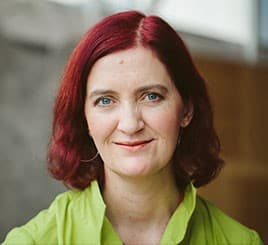
Biography coming soon.







