“When you are a priest you are a priest for ever. It's like the soul. It can't be taken away.”
— The whiskey priest reflecting on his indelible ordination despite his sins and the anti-clerical regime.


Graham Greene (2018)
Genre
Literary Fiction / Historical Fiction / Spirituality
Reading Time
240 min
Key Themes
See below
Sign in to track this book
In 1930s Mexico, a whisky-soaked, morally compromised priest, hunted by an anti-clerical government, grapples with his duty and his sins as he faces an almost certain trap to hear a dying man's confession.
The novel opens in Tabasco, Mexico, during intense anti-clerical persecution. A zealous lieutenant arrives in a small, impoverished village, determined to eliminate all traces of the Catholic Church. He interrogates villagers, confiscates religious artifacts, and threatens anyone who harbors priests. His methods are brutal and efficient, reflecting the government's resolve. The people live in fear, their faith driven underground, as the lieutenant's presence means the end of public worship and the start of a dangerous new era for believers. This initial scene sets the oppressive tone and establishes the dangerous context for the 'whisky priest's' existence.
The 'whisky priest,' an unnamed, morally compromised clergyman, is introduced trying to flee Tabasco. He carries the burden of his sins, particularly his alcoholism and his illegitimate child, Brigitta. He struggles with his conscience, feeling unworthy of his calling yet unable to abandon it. His journey is dangerous, as he constantly evades the police and the lieutenant's patrols. He encounters a Mestizo, a Judas-like figure who offers to guide him but whose intentions are clearly questionable. The priest's internal conflict between his desire for self-preservation and his sense of duty is immediately clear.
While in hiding, the whisky priest is recognized by a group of devout villagers. Despite the extreme danger, they beg him to hear confessions and administer sacraments. He reluctantly agrees, his spiritual duties momentarily outweighing his fear. This secret act of ministry highlights the enduring faith of the people and the priest's essential, though flawed, role in their lives. However, this act also increases his exposure, making him a more visible target for the authorities. The scene shows the tension between spiritual necessity and physical survival that defines the priest's existence.
The whisky priest has a close call with the lieutenant. He manages to evade capture, but the encounter provides insight into the lieutenant's character. The lieutenant is not just cruel; he is a man driven by a deep conviction that the Church is an opiate of the people, hindering progress and perpetuating poverty. He believes he is liberating his countrymen. This ideological clash between the priest's flawed faith and the lieutenant's ruthless idealism forms a central dynamic of the novel, revealing the complexities of their opposing missions.
During his flight, the whisky priest meets an American gangster, a wanted murderer. The gangster is a pragmatic, amoral character who offers the priest a chance to escape to another country, but only if the priest can pay him. This encounter forces the priest to confront his own despair and the depth of his moral degradation, as he considers associating with such a man for survival. The gangster's cynical worldview contrasts sharply with the priest's internal struggle, highlighting the priest's ongoing battle with his faith and his unworthiness.
The whisky priest encounters Brigitta, his illegitimate daughter, during his travels. Her existence is a constant source of shame and guilt for him, a tangible reminder of his broken vows. Seeing her reminds him of his personal failings and the hypocrisy of his position as a spiritual leader. He struggles with his paternal feelings, torn between affection and the crushing weight of his sin. This relationship humanizes the priest, showing his vulnerabilities and the impact of his past on his present struggle.
The Mestizo, who has been shadowing the priest, finally makes his move. He approaches the priest with a plea, claiming a dying man in a remote village desperately needs confession. The priest, despite his strong suspicion that it is a trap, feels compelled by his priestly duty to respond. His moral compass, though flawed, ultimately points him towards service, even if it means certain capture or death. This act of self-sacrifice, driven by a deep sense of obligation, marks a turning point in his journey, leading him directly into the hands of the authorities.
As anticipated, the 'dying man' is a ruse, and the whisky priest is captured by the police, led by the lieutenant. He is imprisoned and interrogated. During his time in jail, he meets other prisoners, including a pious woman and a devout man, whose unwavering faith contrasts with his own despair and self-loathing. Despite his fears, he finds a strange sense of peace, accepting his fate and perhaps even welcoming the end of his tormented existence. His capture marks the culmination of his flight and the beginning of his final trial.
While imprisoned, the whisky priest is asked by a fellow prisoner, a pious woman, to hear her confession. Despite his own unworthiness and the lack of proper sacramental conditions, he performs his duty, offering absolution and comfort. This act, performed in extremis, highlights his core identity as a priest, even in his fallen state. It is a moment of grace, suggesting that his spiritual power transcends his personal failings. This final act of ministry provides him with a sense of purpose and a flicker of redemption before his ultimate fate.
The whisky priest is eventually executed by a firing squad. His death is not glamorous or heroic; it is a quiet, almost ignominious end to a life filled with struggle and sin. However, his sacrifice is not in vain. In the novel's closing scenes, another priest secretly arrives in the village, indicating that the spirit of faith, though persecuted, cannot be entirely extinguished. The 'whisky priest's' life and death, despite his flaws, inspire a renewed sense of devotion among the people, suggesting that true faith can endure even through imperfect vessels.
The Protagonist
From a desperate, self-loathing fugitive, he gradually accepts his fate and fulfills his priestly duties, finding a form of redemption through self-sacrifice.
The Antagonist
His resolve remains unwavering, but his encounters with the priest subtly reveal the limits of his purely secular vision.
The Supporting
Remains consistently manipulative and self-serving, leading to the priest's capture.
The Supporting
Her brief appearances serve as a catalyst for the priest's internal conflict regarding his sins and fatherhood.
The Supporting
Serves as a temporary, contrasting figure who emphasizes the priest's spiritual path.
The Mentioned
Her influence is primarily in the priest's internal struggle and guilt.
The novel explores the nature of faith, not as a pristine, unwavering belief, but as a messy, often doubt-ridden struggle. The whisky priest shows this, constantly questioning his worthiness and the effectiveness of his actions, yet still performing his priestly duties. His faith is tested by his sins, his alcoholism, and the persecution he faces, yet it persists. The unwavering faith of the poor villagers, contrasted with the priest's internal torment, highlights different facets of spiritual devotion. This theme appears in scenes where the priest, despite his despair, administers sacraments or offers comfort, such as his final confession in prison, suggesting that grace can operate even through the most imperfect vessels.
“Oh God, help me to be a saint. Let me be martyred. But please, not yet.”
The concept of redemption is central, particularly through suffering and self-sacrifice. The whisky priest, initially driven by self-preservation, gradually moves towards accepting his fate, finding a form of spiritual purification in his trials. His physical and moral degradation are linked to his spiritual growth. His journey, culminating in his deliberate return to danger to hear a 'dying man's' confession and his eventual execution, transforms his ignoble life into an act of profound, though flawed, sacrifice. His suffering, rather than diminishing his spiritual authority, ultimately elevates it in the eyes of the faithful and, arguably, in the eyes of God.
“When you imagined God, you saw a face with no eyes, only a mouth, like a crocodile, to gobble you up.”
Greene challenges traditional notions of sainthood, suggesting that true holiness can be found not in perfection, but in the struggle of deeply flawed individuals. The whisky priest is a 'bad priest' by conventional standards – a drunkard, a father, a coward – yet he is the only one left to serve the faithful. His sins make him relatable and his suffering more profound. Conversely, the zealous lieutenant, though morally upright in his own eyes, is a destructive force. The novel suggests that God's grace can operate through human weakness, and that 'sainthood' can be found in persistent, humble service despite deep personal failings, as seen in the priest's final acts of ministry.
“A man who had been a good priest would have been able to make them understand. A bad priest could only offer them a whisky-sodden, fear-ridden face.”
The novel portrays the clash between totalitarian political power and the human need for spiritual freedom. The Mexican government, represented by the lieutenant, seeks to eradicate Catholicism entirely, believing it to be an opiate that hinders social progress. Churches are destroyed, priests are hunted, and religious practice is outlawed. However, despite this intense oppression, the faith of the people persists, driven underground but never extinguished. The whisky priest, even in his flawed existence, becomes a symbol of this resistance, demonstrating that spiritual conviction can defy even the most brutal attempts at suppression, as shown by the arrival of a new priest at the end.
“He knew what was in the mind of the people: that the priests were the last thing they had left, the last bit of color in their lives.”
A protagonist who lacks conventional heroic qualities but drives the narrative.
The whisky priest is a quintessential anti-hero. He is an alcoholic, a father, and often cowardly, embodying numerous personal and spiritual failings. This device allows Greene to explore themes of grace through imperfection, challenging traditional notions of sainthood and heroism. The priest's flaws make him more human and relatable, allowing readers to connect with his internal struggles and moral dilemmas, rather than an idealized figure. His journey is one of reluctant heroism, driven by duty despite his profound unworthiness.
Whisky as both a vice and a source of fleeting comfort for the priest.
Alcohol, particularly whisky, is a pervasive symbol throughout the novel. For the priest, it is a vice that contributes to his guilt and degradation, yet it also offers him temporary escape and solace from his fear and despair. It represents his human weakness and his struggle with temptation. The 'whisky priest' moniker itself encapsulates his dual nature: his sacred calling tainted by his earthly failing. The presence of alcohol underscores his constant battle between the spiritual and the carnal, the sacred and the profane.
A character who betrays the protagonist, mirroring biblical narratives.
The Mestizo serves as a clear Judas figure in the narrative. He befriends the whisky priest, gains his trust, and then ultimately betrays him for a reward. This device draws a direct parallel to the biblical story of Jesus and Judas, enhancing the spiritual allegory of the priest's suffering and sacrifice. The Mestizo's betrayal is not merely a plot point but a symbolic act that highlights the themes of treachery, human weakness, and the cost of fidelity in a hostile world, pushing the priest towards his ultimate fate.
The antagonist's fervent, almost religious, devotion to atheism.
The lieutenant, though an atheist, exhibits a zealous, almost religious, devotion to his anti-clerical cause. He believes with absolute conviction that he is purifying his country and liberating its people from superstition. This ironic twist highlights the intensity of his conviction, which mirrors the very religious fervor he seeks to destroy. It underscores the idea that even secular ideologies can demand a faith-like commitment, and that fanaticism, whether religious or anti-religious, can lead to similar destructive outcomes.
“When you are a priest you are a priest for ever. It's like the soul. It can't be taken away.”
— The whiskey priest reflecting on his indelible ordination despite his sins and the anti-clerical regime.
“Pity was like a scratch on a window, it let in the light.”
— The priest's internal thought about the role of compassion even amidst suffering.
“The only difference between the saint and the sinner is that every saint has a past, and every sinner has a future.”
— A general reflection within the narrative on the nature of good and evil, often attributed to Oscar Wilde but fitting the book's themes.
“You can't make a good man out of a bad man, but you can make a bad man out of a good man.”
— The lieutenant's cynical view on human nature and the corrupting influence of power or circumstances.
“It was for the the poor, for the good, for the beautiful, that God had died.”
— The priest's understanding of Christ's sacrifice, particularly poignant given his own perceived unworthiness.
“Hate was a familiar emotion, but love was a strange country.”
— The priest's internal struggle with his feelings, often finding hatred easier to grasp than love.
“He felt a quite unreasonable irritation with God, for having made him a priest.”
— The priest's moments of despair and resentment over his calling, which has brought him so much suffering.
“The world was not a place of safety, but of danger, and the only escape was through the grace of God.”
— A recurring theme reflecting the precariousness of life and the need for divine intervention.
“He had a feeling that he was not only a man but a whole system of life, the whole of the human race, the whole of humanity.”
— A moment of profound self-awareness for the priest, realizing his representative role.
“One could get used to anything, even to being a priest.”
— A darkly humorous, yet sad, thought from the priest about the resilience of human adaptation.
“It was the quietest, the most unobtrusive, the most ordinary, the most forgotten of all the virtues, and yet it was the one that moved mountains.”
— A reflection on the often-overlooked power of humility or quiet perseverance.
“He knew what he was doing and he knew what he was not doing, and he knew that he was doing nothing.”
— The priest's sense of helplessness and futility in a dire situation.
“He was a bad priest, he knew it, but he was a priest all the same.”
— The priest's constant internal conflict between his personal failings and his sacred office.
“The great thing about faith was that it didn't need to be understood.”
— A simple, profound thought on the nature of faith, accepting its mystery.
Ready to see how well you understood this book? Take our interactive quiz with 10 questions.
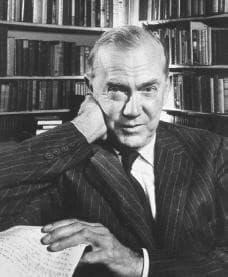
Henry Graham Greene was an English writer and journalist regarded by many as one of the leading English novelists of the 20th century.







