“The law is the law, and must be respected.”
— Judge Marmaduke Temple emphasizes the importance of legal order in the frontier settlement.

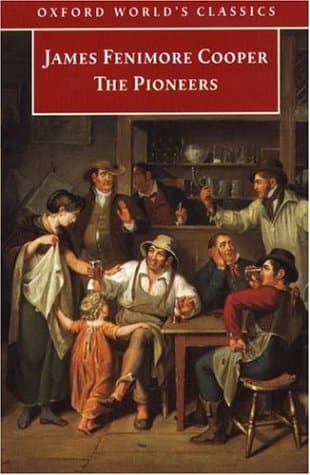
James Fenimore Cooper (1800)
Genre
Historical Fiction
Reading Time
12-15 hours
Key Themes
See below
Sign in to track this book
On the American frontier, an old scout and a young landowner deal with clashing cultures and competing claims for the wilderness as civilization advances.
On Christmas Eve in 1793, Judge Marmaduke Temple and his daughter Elizabeth travel by sleigh through the snowy wilderness near their growing settlement of Templeton. They are involved in a deer hunt where Natty Bumppo, known as Leatherstocking, and his Mohican friend Chingachgook save Elizabeth from a stray shot. Natty's shot wounds a young man named Oliver Edwards, who was also hunting. Edwards is brought to Templeton for care. Later, at the Temple's manor, a formal Christmas dinner takes place, where the town's important citizens, including the eccentric Richard Jones and the scholarly Dr. Todd, gather. Elizabeth is drawn to Oliver Edwards, who works as Judge Temple's secretary, despite his reserved and sometimes sad manner. His presence creates a subtle tension, especially with Judge Temple.
Elizabeth Temple settles into life in Templeton, seeing the fast and often harmful development of the frontier town. She sees the wasteful logging and hunting that threaten the natural beauty and resources of the area, much to Natty Bumppo's sadness. Oliver Edwards, despite being Judge Temple's secretary, remains distant and sometimes argumentative, especially when land ownership and past grievances come up. He spends a lot of time with Natty and Chingachgook, learning their ways. Elizabeth finds herself more and more interested in Oliver, despite his mysterious past and his occasional bitterness towards Judge Temple. The Judge, meanwhile, often tries to civilize Natty, offering him work and a place in society, which Natty always refuses, preferring his independent life in the woods.
A large group of passenger pigeons flies over Templeton, leading to a disorganized and wasteful pigeon shoot planned by Richard Jones. The townspeople participate eagerly, killing thousands of birds without thought, far more than they can use. Natty Bumppo and Chingachgook watch this scene with sadness and disgust, seeing it as another example of the settlers' disregard for nature's balance. This event widens the gap between Natty's view of living respectfully with the wilderness and the settlers' exploitative approach. Elizabeth, though she first participates, soon feels regret and starts to understand Natty's perspective, strengthening her growing respect for the old hunter and the natural world he represents.
Chingachgook, an old and sick man, falls ill. Natty Bumppo cares for him, but his condition worsens, hinting at the decline of his people and the wilderness. During this time, Oliver Edwards's behavior becomes more unpredictable, and he is increasingly drawn to a secluded cabin in the woods, which he shares with Natty and Chingachgook. Hints of his true identity start to appear through his talks with Natty and his reactions to discussions about the original land claims in Templeton. It turns out that Oliver is, in fact, Oliver Effingham, the grandson of Major Effingham, the original owner of the land now held by Judge Temple. His family had lost their land, and he resented Temple, believing him to be a usurper.
A forest fire, likely an accident, starts and burns Natty Bumppo's cabin. During the confusion, Natty is accused of breaking game laws by shooting a deer out of season and also charged with resisting local authorities, especially Sheriff Richard Jones, who represents the random and often minor application of frontier law. He is brought before Judge Temple, who, despite his personal fondness for Natty, feels he must uphold the law. Natty is found guilty and sentenced to a fine, imprisonment, and public humiliation in the stocks. This unfairness deeply affects Elizabeth and further shows the conflict between the natural law Natty lives by and the written, sometimes flawed, laws of the settlers.
Natty Bumppo calmly endures his time in the stocks, a symbol of old ways being overtaken by new. Elizabeth Temple, upset by the unfairness, visits him and offers comfort. Oliver Edwards, now openly supporting Natty, also visits and helps arrange his escape. With the help of Elizabeth and other sympathetic townspeople, Natty is freed from prison. This act of defiance against the legal system shows the moral complexity of law in a frontier setting and highlights loyalties that go beyond social and legal rules. Natty goes back into the wilderness, his spirit unbroken but his place in the settled world permanently changed.
Chingachgook, the last of the Mohicans, dies from his illness. His death is a sad moment, symbolizing the end of the Native American presence and their way of life in the region. Natty Bumppo, deeply saddened, performs a traditional burial ceremony in the wilderness. Elizabeth Temple and Oliver Edwards are there, witnessing the solemn event. The funeral is a strong reminder of the displacement and loss faced by native peoples as the frontier grows, and it deepens the bond between Oliver, Elizabeth, and Natty, uniting them in their respect for the passing era.
After Chingachgook's death and Natty's escape, Oliver Edwards finally tells Judge Temple his true identity. He admits that he is Oliver Effingham, the rightful heir to the lands that Judge Temple now owns through legal, though complex, means. Oliver explains his initial bitterness and his wish to get back his inheritance. Judge Temple, a man of integrity, expresses regret for the situation and explains the legal details that led to his ownership, saying he believed the Effingham family was gone. They reconcile, as both men realize they were victims of circumstance and misunderstanding rather than ill will. This revelation clears things up and allows for a resolution.
With the truth about Oliver's identity known and his reconciliation with Judge Temple complete, the romantic feelings between Elizabeth Temple and Oliver Edwards become clear. They admit their love for each other. Their upcoming marriage represents the joining of old and new claims to the land — Oliver representing the original, aristocratic owners, and Elizabeth representing the hardworking, developing frontier. This union promises a future where the best parts of both traditions might be kept. The community of Templeton looks forward to this marriage as a hopeful sign for the future of the settlement and its people, uniting the founding families.
Despite the happy ending for Oliver and Elizabeth, Natty Bumppo remains a figure of the disappearing wilderness. After Chingachgook's death and the arrival of civilization, Natty realizes there is no longer a place for him in Templeton. He says a sad goodbye to Elizabeth and Oliver, saying he plans to move further west, beyond settlements and the laws he finds unfair. His departure is a melancholic but firm act, meaning the end of an era and the advance of progress. He leaves, a solitary figure, seeking the untamed frontier, showing his lasting spirit and his strong connection to nature.
The Protagonist/Supporting
Natty begins as an integral part of the frontier society but, facing persecution and the destruction of his beloved wilderness, ultimately chooses to retreat further into the untamed lands.
The Protagonist/Supporting
Judge Temple grapples with the tension between establishing legal order and respecting individual freedoms, ultimately finding reconciliation with Oliver and reaffirming his commitment to justice.
The Protagonist
Elizabeth matures from a somewhat naive young woman into a compassionate figure who understands the complexities of frontier life and serves as a bridge between conflicting ideologies.
The Protagonist
Oliver transitions from a resentful stranger seeking vengeance to a reconciled and understanding figure, reclaiming his heritage and finding love.
The Supporting
Chingachgook's arc is one of decline and eventual death, symbolizing the fate of his people and culture.
The Supporting
Richard remains largely static, serving as a comedic foil and a representation of the less effective aspects of frontier governance.
The Supporting
Le Quoi remains a static character, serving as a cultural counterpoint in the frontier setting.
The Supporting
Dr. Todd's character remains static, providing a glimpse into frontier medicine and social dynamics.
The Supporting
Remarkable remains a static character, providing a domestic anchor for the Temple household.
This is a main theme of the novel, looking at the conflict between the growing order of civilization (Judge Temple, his laws, and Templeton) and the wild nature (Natty Bumppo, Chingachgook, and the natural world). The novel shows the harmful effect of settlement on nature, especially through events like the wasteful pigeon shoot and logging, while also recognizing the need to build a society. The tension between these forces drives much of the story and character conflicts.
“"The Judge… had, in fact, been a principal instrument in converting a wilderness into a garden, and in bringing the thousand advantages of an advanced state of society to a spot that, within the memory of man, had been a perfect desert."”
The novel examines different types of justice: the written laws of the settlers (often arbitrary or misused by figures like Richard Jones), and the 'natural law' or moral code Natty Bumppo lives by. Natty's unfair arrest and imprisonment for breaking game laws highlight the clash between these systems. Judge Temple, though dedicated to upholding the law, deals with its flaws and the moral implications of its enforcement on people like Natty. The resolution involving Oliver's inheritance also looks at the complexities of legal claims and rightful ownership.
“"The law… is a law; and it is not to be trifled with, by man or woman."”
The story around Oliver Edwards's true identity as Oliver Effingham and his claim to the Templeton lands is a core theme. The novel explores how land was acquired on the frontier — through original grants, legal moves, and the displacement of native peoples. It asks what makes ownership 'rightful,' whether it's by family claim, legal document, or the act of developing the land. The reconciliation between Oliver and Judge Temple ultimately symbolizes a blending of these different claims.
“"The land was originally owned by my family, and it was through an act of injustice that it passed into other hands."”
Through Chingachgook, 'the last of the Mohicans,' the novel shows the disappearing presence and culture of Native Americans. His illness and death symbolize the displacement and extinction faced by native peoples as European settlement grows. Natty Bumppo's respect for Chingachgook and their shared way of life emphasizes the loss of a valuable connection to the land and a spiritual understanding that the settlers often lack. The theme highlights the sad cost of 'progress' on the frontier.
“"My tribe is like a tree that has been cut down; the leaves are withered, and the branches are broken."”
The novel provides a detailed picture of frontier life in early America, from the challenges of building a town to the social dynamics of a new community. It shows the settlers' hard work, the temporary nature of their institutions (like the justice system), and the mix of different social classes and backgrounds. It also shows the fast exploitation of natural resources and the tension between individual freedom and community responsibility in a developing society. The growth of Templeton itself is a part of the story.
“"The settlement of Templeton was already a place of some importance, and promised to be of still greater."”
A dynamic backdrop that shapes characters and conflicts.
The physical and social frontier of Templeton is not merely a background but a central plot device. It creates the conditions for the conflict between civilization and wilderness, shapes the characters' values (Natty's independence, Judge Temple's drive for order), and dictates the challenges they face. The untamed landscape, the nascent town, and the clash of cultures inherent in a frontier environment are crucial to every plot point, from the wasteful pigeon shoot to Natty's legal troubles and Oliver's claims of inheritance.
A suspenseful revelation that drives much of the character interaction and plot.
The true identity of Oliver Edwards as Oliver Effingham is a significant plot device. It creates initial tension and suspicion, particularly in his interactions with Judge Temple. This mystery fuels reader curiosity and allows Cooper to slowly reveal details about past land claims and injustices, building towards a climactic revelation and reconciliation. It also serves to connect the personal stories of the characters to the broader historical themes of land ownership and settlement.
Natural elements used to represent themes and foreshadow events.
Various natural elements are used symbolically. The deer hunt at the beginning introduces the tension between Natty's respectful hunting and the settlers' more cavalier approach. The wasteful pigeon shoot vividly symbolizes the settlers' destructive impact on nature. The forest fire that consumes Natty's cabin represents the consuming force of civilization and the loss of the wilderness. These natural events are not just background details; they actively drive the plot and underscore the novel's central themes of environmental exploitation and the clash between man and nature.
A thematic device highlighting conflicting moral and legal codes.
The contrast between written, statute law and Natty Bumppo's 'natural law' or moral code is a pervasive plot device. Natty's arrest and trial are direct consequences of this conflict, forcing characters like Judge Temple and Elizabeth to confront the limitations and injustices of the legal system. This device allows Cooper to explore questions of justice, individual liberty, and societal order in a developing frontier, often showing how rigid legalism can fail to account for deeper moral truths or the realities of a wilder existence.
“The law is the law, and must be respected.”
— Judge Marmaduke Temple emphasizes the importance of legal order in the frontier settlement.
“The woods are the true school of the American.”
— Natty Bumppo reflects on the wilderness as a formative influence on character.
“I am a man without a cross of blood in me.”
— Natty Bumppo declares his pure American heritage, free from European ancestry.
“The axe has made more noise and done more mischief than the rifle.”
— Natty criticizes the settlers' destruction of the forest compared to hunting.
“There is a pleasure in the pathless woods.”
— Describing the allure and freedom found in untamed nature.
“The settlements are spreading like a fire in dry grass.”
— Observing the rapid expansion of European settlements into Native lands.
“A man's word should be as good as his bond.”
— Highlighting the value of honesty and integrity in frontier life.
“The forest is the heritage of the red man.”
— Acknowledging the Native Americans' rightful claim to the land.
“Civilization is a blessing, but it comes with a price.”
— Reflecting on the trade-offs between progress and natural harmony.
“The rifle is the true friend of the woodsman.”
— Natty Bumppo praises the rifle as essential for survival and skill.
“We are but tenants on this earth.”
— A philosophical view on humanity's temporary relationship with nature.
“The pioneer's life is one of hardship and hope.”
— Summarizing the dual nature of frontier existence.
“Justice should be blind to wealth and station.”
— Advocating for equality under the law in the new society.
“The silence of the woods is more eloquent than words.”
— Appreciating the profound communication found in nature's quiet.
Ready to see how well you understood this book? Take our interactive quiz with 10 questions.
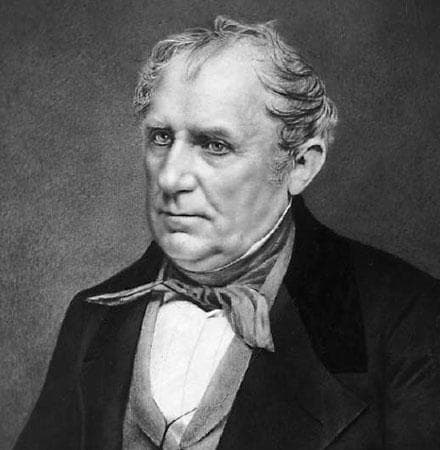
James Fenimore Cooper was an American writer of the first half of the 19th century, whose historical romances depicting colonial and indigenous characters from the 17th to the 19th centuries brought him fame and fortune. He lived much of his boyhood and the last fifteen years of life in Cooperstown, New York, which was founded by his father William Cooper on property that he owned. Cooper became a member of the Episcopal Church shortly before his death and contributed generously to it. He attended Yale University for three years, where he was a member of the Linonian Society.







