
Betsy Byars was a prolific American author known for her children's and young adult fiction. She received the prestigious Newbery Medal for her 1971 novel 'The Summer of the Swans' and is also celebrated for 'The Pinballs.' Byars's work often explored themes of family, friendship, and personal growth with sensitivity and realism.

Archivist's Choice
The Pinballs
Betsy Byars (1977)
Genre
Children's / Young Adult
Reading Time
12 Minutes
Key Themes
See below
Track Your Reading
Sign in to track this book
Three foster children, feeling like discarded pinballs, discover the power of friendship to navigate life's challenges and reclaim control over their futures.
Synopsis
Carlie, a cynical and tough-shelled teenager, finds herself in a new foster home with two other boys: Harvey, who has a broken leg and a history of being bounced between relatives, and Thomas J, an orphaned boy raised by an elderly couple who recently passed away. Initially, Carlie views their situation as being like 'pinballs,' at the mercy of others' whims and decisions. She resists forming connections, believing it's futile given their transient lives. However, through shared experiences, vulnerabilities, and unexpected moments of camaraderie, the three children gradually forge a bond. As they navigate their individual struggles and learn to support each other, they begin to realize that despite their pasts, they have the power to influence their own futures and create a sense of belonging, rather than simply being passively moved around.
Difficulty
Easy
Pacing
Moderate
Mood
Hopeful, reflective, touching, realistic
Plot Summary
Arrival at the Mason's
Carlie, a cynical twelve-year-old, arrives at the Masons' home, her latest foster placement. She meets Harvey, a quiet boy with two broken arms from an accident involving his abusive father. Soon after, Thomas J., a six-year-old who has been in many foster homes since infancy and remembers nothing of his biological parents, joins them. Mrs. Mason, a kind woman, tries to make them feel welcome, but Carlie remains guarded, sure this home will be temporary, like all the others. The children's first interactions are tense. Carlie asserts her independence, Harvey withdraws, and Thomas J. watches with hopeful innocence.
The Pinball Metaphor
Carlie tells Mrs. Mason her belief that foster children are like pinballs, bounced around with no control. She says that just as you get settled, someone puts another coin in the machine, and you're off again. This idea shows her helplessness and resignation about her transient life. Mrs. Mason listens patiently, understanding Carlie's pain but gently suggesting she might influence her own path. Harvey and Thomas J. also live this 'pinball' existence, though they react to it differently.
Harvey's Accident and His Father
Harvey's quietness and broken arms concern everyone. Through observation and Mrs. Mason's gentle questions, it is revealed that Harvey's father injured him in a drunken rage. This news affects the other children, especially Carlie, who, despite her tough exterior, feels sympathy for Harvey. Harvey struggles with fear and a desire for his father's affection, even after the abuse. This incident shows the difficult realities many foster children face. It begins to soften Carlie's cynicism, starting a sense of empathy in her.
Thomas J.'s Quest for Parents
Thomas J., having never known his biological parents, quietly hopes to find them. He often looks for clues in old photographs, thinking any adult in a picture could be his mother or father. He asks innocent, sad questions about his parents and if they will ever come for him. This longing is particularly touching, as he has no memories, only an empty space. Carlie, at first dismissive of his 'silly' questions, finds herself moved by Thomas J.'s vulnerability and deep desire for belonging. His innocence contrasts with Carlie's jaded view, making her think about her own experiences.
The Garden Project
Mrs. Mason suggests the children start a garden, hoping it will give them a shared project and responsibility. Carlie, initially resistant, eventually gets involved, showing a surprising talent for gardening. Harvey, despite his broken arms, finds ways to help, and Thomas J. approaches the task with enthusiastic curiosity. Planting seeds and watching them grow becomes a strong image for their own development and the chance for a stable future. This shared activity builds friendship among the three children, breaking down their initial barriers. It is a small but important step toward forming a makeshift family.
Carlie's Past Revealed
As the children spend more time together, Carlie slowly starts to open up, sharing parts of her painful past. She hints at a neglectful mother who often left her alone and a series of unstable living situations. Her sarcasm and defiance are shown to be defenses developed to cope with a lack of consistent care and emotional support. While she does not fully confide in the Masons, she shares enough with Harvey and Thomas J. for them to understand her cynicism. This limited vulnerability strengthens the bond between the three, as they recognize shared experiences of abandonment and instability.
The Calf and New Life
The Masons' farm offers a new experience for the city children. They see a calf born, an event that represents new life and nature's cycle. This experience affects Thomas J., who sees it as a miracle, and Carlie, who is quietly moved by the fragility and beauty of new life. It contrasts with their difficult beginnings, suggesting the possibility of fresh starts and growth. The shared wonder of this event further strengthens their bond and offers a glimpse of hope beyond their past hardships, connecting them to nature's inherent promise.
Harvey's Hope for Reconciliation
Despite the abuse he suffered, Harvey wants to see his father again. This desire is complex, coming from a child's need for parental love and a hope that his father might change. He even suggests writing to him, which initially surprises Carlie. His continued affection for his abusive parent shows how difficult it is for children to detach from their biological families, even when those relationships are harmful. This moment highlights the theme of unconditional love and the lasting hope for family, even through deep pain, making Carlie re-evaluate her own feelings about her estranged mother.
The Photo Album Discovery
Thomas J.'s search for his parents leads him to an old photo album of the Masons. While it does not have pictures of his biological family, it gives him a tangible history, a collection of faces and moments he can call 'his own' without his true past. He cherishes these photos, creating imaginary stories for the people in them, fulfilling his need for a personal history. Carlie and Harvey see his joy, understanding how important this is for a child who has never had a family album. It is a touching moment showing his deep need for roots and connection.
Carlie's Change of Heart
Through her experiences with Harvey and Thomas J. and the Masons' care, Carlie's tough exterior begins to soften. She starts to actively care for the boys, offering comfort and protection. Her 'pinball' idea, while still part of her thinking, loses some of its absolute power. She realizes that while they cannot control everything, they can choose how they react and who they become. This change marks a turning point in her character, as she moves from passive resignation to a growing sense of control and connection, understanding that she can build her own support system.
The Boys' Birthday Celebration
Carlie decides to plan a surprise joint birthday party for Harvey and Thomas J. She gets the Masons' help, carefully planning the details. This act of selfless giving contrasts sharply with her earlier cynical and self-absorbed manner. The party is a joyous occasion, full of laughter and a real sense of celebration, marking a significant point in their bond. It symbolizes the creation of a new, chosen family and the joy that comes from caring for others, further strengthening the children's connection to each other and to the Masons.
A Future Together?
As their time at the Masons' home continues, the idea of staying together, not just as foster siblings but as a chosen family, becomes a real hope. The children, especially Carlie, start to say they want stability and for their makeshift family to stay together. While the future is uncertain, their experiences together have given them a sense of belonging and a belief that they can, to some extent, influence their own destinies. The book ends with the understanding that while life will always bring challenges, they are no longer just 'pinballs,' but individuals with control and the power to form meaningful connections.
Principal Figures
Carlie
The Protagonist
Carlie transforms from a jaded, isolated girl into a caring and empathetic individual who embraces connection and finds agency in her own life. She learns that she can choose to build a family.
Harvey
The Supporting
Harvey moves from a state of fear and withdrawal to one of cautious hope and emotional healing, learning to trust and express his feelings.
Thomas J.
The Supporting
Thomas J. finds a sense of belonging and a 'family' in the Masons, Carlie, and Harvey, fulfilling his innate need for connection and a personal history.
Mrs. Mason
The Supporting
Mrs. Mason remains a consistent source of love and stability, successfully fostering growth and connection among the children in her care.
Mr. Mason
The Supporting
Mr. Mason consistently provides a stable and supportive presence, helping to create a secure environment for the children.
Harvey's Father
The Antagonist (off-screen)
His influence remains a source of past trauma and complex emotional longing for Harvey, but he does not undergo any character arc within the story.
Carlie's Mother
The Antagonist (off-screen)
Her past neglect continues to influence Carlie's initial behavior, but she is not an active participant in the story's events.
Themes & Insights
The Search for Family and Belonging
A main theme is the human need for a stable family and belonging, especially for children who have experienced loss. Carlie, Harvey, and Thomas J. each want connection and a place where they are wanted. Thomas J. looks for his biological parents, while Harvey hopes for reconciliation with his abusive father. Carlie, despite her cynicism, eventually finds a family with the Masons and her foster siblings, realizing that family can be chosen. The Masons' home becomes a place where these children can begin to heal and form new bonds, showing that love and stability can create a family regardless of biology.
“‘You know what we are?’ Carlie said. ‘We’re like pinballs. Somebody puts in a coin and you go bomp, bomp, bomp, against all the bumpers, and then, pop, you’re in a hole. And somebody else puts in a coin and out you come and go bomp, bomp, bomp again.’”
Overcoming Trauma and Finding Resilience
The novel explores how children cope with and overcome trauma. Harvey's physical and emotional scars from abuse, Carlie's cynicism from neglect, and Thomas J.'s emptiness from not knowing his parents are all forms of childhood trauma. Through the Masons' care and their relationships with each other, the children slowly begin to heal. They learn to trust, to care, and to find strength in their shared experiences. Their resilience is shown in their ability to form new bonds and find hope for the future, demonstrating that even after hardship, children can heal and grow.
“‘You know,’ Mrs. Mason said, ‘some people think a garden is like a family. You put a lot of work into it, and you get a lot out of it.’”
The Power of Empathy and Connection
Empathy and real connections are essential to the children's change. Carlie's initial guardedness slowly disappears as she sees Harvey's vulnerability and Thomas J.'s innocent longing. Her ability to empathize with their pain and her desire to protect them shows the power of human connection. The children, at first isolated, become a makeshift family, offering each other comfort, understanding, and a sense of belonging they lacked in their biological families. This theme highlights how shared experiences and mutual support can lead to healing and strong personal growth.
“Carlie looked at Thomas J. and she felt a strange pulling in her chest. She had never felt that before. It was a good feeling, like she had a secret that only she and Thomas J. knew.”
Agency vs. Determinism
The novel addresses whether individuals, especially children in difficult situations, control their lives or are simply products of their environment. Carlie's 'pinball' metaphor captures a deterministic view. However, as the story progresses, the children, guided by Mrs. Mason, begin to realize that while they cannot control every external event, they can choose their reactions, build relationships, and shape their futures. Their decision to actively care for one another and their desire to stay together shows a shift from passive acceptance to active participation in their own destinies, asserting their control over the 'pinball' game of life.
“‘Well,’ Mrs. Mason said, ‘a pinball can't help where it goes. But you can.’”
Plot Devices & Literary Techniques
The Pinball Metaphor
A central metaphor for feeling powerless.
Carlie's vivid metaphor of foster children as 'pinballs' is a powerful plot device. It immediately establishes her cynical worldview and the pervasive feeling of helplessness experienced by children in the foster system. This metaphor serves as a constant thematic touchstone, allowing the reader to track Carlie's emotional journey as she gradually moves away from this fatalistic perspective. The eventual subversion of this metaphor, as the children find agency and connection, highlights their growth and the book's central message about overcoming adversity. It's a relatable image that encapsulates the lack of control many children feel.
The Garden
Symbol of growth, nurturing, and shared responsibility.
The act of planting and tending a garden serves as a rich symbolic plot device. It provides a tangible, shared project that forces the three disparate children to cooperate and work together, fostering their nascent bond. Symbolically, the garden represents growth, care, and the potential for new life, mirroring the emotional and personal growth of Carlie, Harvey, and Thomas J. As they nurture the plants, they also begin to nurture each other and themselves, establishing roots and finding stability in their lives. It's a quiet, yet powerful, catalyst for their development and connection.
Thomas J.'s Photo Album
A proxy for a missing personal history.
Thomas J.'s adoption of the Masons' old photo album as his own 'history' is a poignant plot device. It underscores his deep longing for a personal past and a sense of belonging, which he lacks due to never knowing his biological parents. The album, though not truly his family's, provides him with a tangible collection of faces and memories he can call his own, fulfilling an emotional void. This device highlights the importance of personal history and roots for identity formation, and it evokes empathy for Thomas J.'s innocent yearning, further softening Carlie's heart.
Harvey's Broken Arms
A visible symbol of past trauma.
Harvey's two broken arms are a powerful and immediate visual symbol of the physical and emotional abuse he has endured. They serve as a constant reminder of his past trauma and contribute to his initial withdrawn and fearful demeanor. This physical manifestation of his pain evokes immediate sympathy from the reader and, crucially, from Carlie, beginning to chip away at her defenses. The slow healing of his arms mirrors his emotional recovery, as he gradually learns to trust and finds a sense of safety and belonging within the Mason household. It's a stark, undeniable representation of the challenges these children face.
Critical analysis
Notable Quotes
Quiz
Test Your Knowledge
Ready to see how well you understood this book? Take our interactive quiz with 10 questions.
10
Questions
~5
Minutes
?
Best Score
Key Questions (FAQ)
'The Pinballs' by Betsy Byars is about three children living in a foster home: Carlie, Harvey, and Thomas J. They feel like pinballs, being bounced around by life with little control over their circumstances. The story explores their unexpected friendship and their journey to finding agency in their own lives.
Similar books
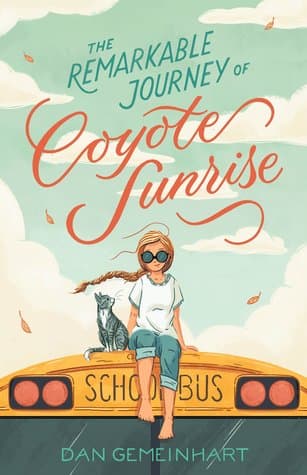
The Remarkable Journey of Coyote Sunrise
Dan Gemeinhart
4.5

The Runaway
Kate O'Hearn
4.4

The Penderwicks in Spring
Jeanne Birdsall
4.4

The Prince and the Dressmaker
Jen Wang
4.4

The Running Dream
Wendelin Van Draanen
4.3

The Rabbits
John Marsden
4.3

The Polar Express
Chris Van Allsburg
4.3
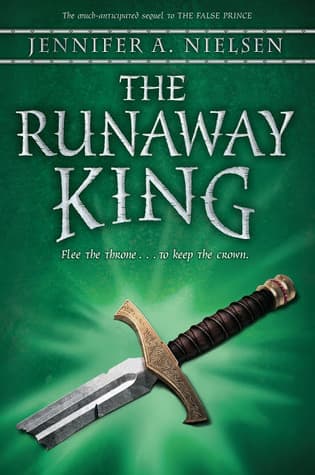
The Runaway King
Jennifer A. Nielsen
4.2