“There was a time we didn't use to laugh. We didn't use to laugh at anything.”
— John reflects on how he and Lorraine have changed since meeting Mr. Pignati.

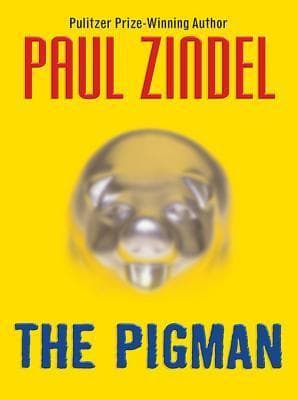
Paul Zindel (1968)
Genre
Children's / Young Adult
Reading Time
160 min
Key Themes
See below
Sign in to track this book
Two rebellious teenagers, seeking an escape from their own troubled lives, unexpectedly find solace and a surrogate family with a lonely, eccentric old man, only to confront the devastating consequences of their friendship and his mortality.
The novel opens with John Conlan and Lorraine Jensen, two high school sophomores, making an oath to write their true story about Mr. Pignati. They agree to share the narration, each taking turns, but their differing personalities become clear. John, a rebellious prankster, focuses on the outrageous and his misbehavior, while Lorraine, more thoughtful and compassionate, tries to provide context. They introduce themselves and their difficult home lives, explaining why they might be drawn to an unconventional friendship. They reveal Mr. Pignati is dead, and their narrative is an attempt to process his death and their role in it, hinting at a tragic conclusion.
John, Lorraine, and their friends, Dennis and Norton, are bored and looking for trouble. They play a game where they randomly dial phone numbers and try to keep the person on the line the longest. It is Lorraine's turn, and she dials Angelo Pignati. Initially, their intention is to prank him and get money for a charity, but Mr. Pignati, lonely and eager for conversation, offers to donate ten dollars if Lorraine can guess what he collects. Lorraine, using her quick wit, guesses 'pigs,' which is correct. Mr. Pignati invites them over to collect the money, setting the stage for their first meeting and the unexpected bond that will form.
Lorraine and John go to Mr. Pignati's house to collect the ten dollars. They are initially wary, but Mr. Pignati's eccentricities quickly put them at ease. His house is filled with a collection of ceramic and glass pigs, reflecting his nickname, 'the Pigman.' He is childlike and playful, showing them tricks, including a memory game with a deck of cards. He takes them to the zoo, where he introduces them to Bobo, a large baboon, whom he considers his best friend. This outing shows Mr. Pignati's deep loneliness and his capacity for simple joy, which connects with John and Lorraine, who lack such experiences in their own lives.
Over the next few weeks, John and Lorraine continue to visit Mr. Pignati, lying to their parents about where they are. They find an escape from their dysfunctional homes in his house, where they are treated with kindness, attention, and a sense of freedom they do not experience elsewhere. Mr. Pignati buys them roller skates, and they race around his house, symbolizing their newfound joy and innocence. He shares stories about his late wife, Conchetta, revealing the depth of his grief and loneliness. Their bond strengthens, evolving from a prank into a genuine, if unconventional, friendship based on mutual understanding and a shared need for connection.
While exploring Mr. Pignati's house, John and Lorraine discover a hidden funeral parlor bill. They realize that Conchetta, Mr. Pignati's wife, has been dead for ten years, not just away on a trip as he had led them to believe. This revelation shocks them, exposing the depth of his loneliness and his coping mechanism of living in a fantasy world where she is still alive. Instead of being repulsed, they feel a deep sadness and understanding for him. This moment solidifies their affection, and they silently agree to keep his secret, recognizing his fragility and their growing responsibility towards him.
During one of their playful visits, John, Lorraine, and Mr. Pignati are having a joyful time. They are roller skating around his house, laughing and playing tag. In the midst of this exuberant play, Mr. Pignati collapses, suffering a heart attack. John and Lorraine are terrified and immediately call for an ambulance. This incident brings a harsh dose of reality to their carefree days, forcing them to confront Mr. Pignati's mortality and their own role in his excitement. It highlights his advanced age and physical frailty, reminding them that their 'game' has serious consequences.
With Mr. Pignati in the hospital, John and Lorraine are left with his house key and access to his money. They initially use this freedom responsibly, enjoying the space and the sense of independence it provides. However, their control over the situation begins to unravel. John, in particular, starts taking advantage, buying more food and luxuries. Lorraine feels uneasy, sensing that they are abusing Mr. Pignati's trust and that their actions are becoming disrespectful. This period highlights their immaturity and the blurred lines between innocent fun and exploitation, foreshadowing the eventual disaster.
Against Lorraine's objections, John decides to throw a party at Mr. Pignati's house. He invites numerous friends, including the destructive Norton Kelly and the promiscuous Helen. The party quickly spirals out of control, fueled by alcohol and the absence of adult supervision. Guests trash the house, break Mr. Pignati's cherished pig collection, and cause general chaos. Lorraine tries to intervene but is overwhelmed. The party represents a betrayal of Mr. Pignati's trust and the destruction of the sanctuary he had created for them. It is the culmination of their immaturity and lack of foresight.
The party is interrupted by Mr. Pignati's unexpected return from the hospital. He walks in to find his home in ruins, his beloved pig collection shattered, and strangers everywhere. The sight of the destruction, especially his broken pigs, devastates him. He is heartbroken and betrayed, and his fragile emotional state is severely impacted. John and Lorraine are caught, facing the full weight of their actions and the pain they have caused their friend. This moment is a turning point, marking the damage done to Mr. Pignati's spirit and their innocence.
In an attempt to make amends and lift Mr. Pignati's spirits after the party, John and Lorraine take him to the zoo, a place that always brought him joy. However, when they arrive, they discover that Bobo, Mr. Pignati's beloved baboon and 'best friend,' has died. This second, profound loss is too much for the already weakened Mr. Pignati. He collapses, suffering another, fatal heart attack, right there at the zoo. His death is a direct consequence of the emotional and physical strain he endured, a tragic culmination of the events set in motion by John and Lorraine's actions.
After Mr. Pignati's death, John and Lorraine are taken to the police station for questioning but are eventually released. They are deeply shaken and consumed by guilt. The rest of the book is their attempt to process their grief and responsibility through writing. They reflect on Mr. Pignati's life, his loneliness, and the joy he brought them. They realize the impact he had on their lives, teaching them about love, acceptance, and the importance of genuine connection. They acknowledge their role in his tragic end, accepting that they 'murdered' him in a metaphorical sense through their carelessness and betrayal.
John and Lorraine conclude their story, agreeing that Mr. Pignati was not just a 'pigman' but a unique individual who brought light into their dark lives. They grapple with the harsh reality of their actions and the irreversible consequences. They realize that they were, in many ways, more childish than Mr. Pignati, who despite his eccentricities, had a capacity for love and joy. They understand that his death marks the end of their own childhood innocence and a forced confrontation with maturity. They commit to remembering him and learning from their mistakes, ensuring that his spirit and the lessons he imparted will not be forgotten.
The Protagonist
John moves from reckless immaturity to a painful understanding of responsibility and the consequences of his actions.
The Protagonist
Lorraine evolves from insecure compliance to a more confident voice of reason, grappling with guilt and moral responsibility.
The Supporting
Mr. Pignati, initially a source of innocent joy, ultimately succumbs to the emotional and physical toll of loneliness and betrayal.
The Supporting
Norton remains a static character, embodying unchecked destructive impulses.
The Supporting
Dennis remains a static character, a background figure in the group's activities.
The Supporting
Mrs. Jensen remains a static character, embodying the oppressive parental figure.
The Supporting
Mr. Conlan remains a static character, representing an oppressive parental figure.
The Supporting
Mrs. Conlan remains a static character, representing an oppressive parental figure.
Loneliness drives the story, connecting all three main characters. Mr. Pignati, a widower, lives in isolation, clinging to memories of his wife and his pig collection. His eagerness to connect with John and Lorraine, even after their initial prank, comes from this loneliness. Similarly, John and Lorraine, despite their youth, feel emotionally isolated within their dysfunctional families. Their parents are either absent, abusive, or overly critical, leaving them wanting understanding and acceptance. Their unexpected friendship with Mr. Pignati fills this void, creating a temporary haven where they feel valued and loved, as seen when they roller skate freely in his house, a stark contrast to their restrictive homes.
“He was just so happy to have somebody there, even if it was only us.”
The story is a coming-of-age narrative for John and Lorraine. Initially, they are immature, reckless teenagers driven by boredom and a desire for escape. Their relationship with Mr. Pignati starts as a prank but evolves into a genuine bond, forcing them to confront deeper emotions and responsibilities. The Pigman's death, directly linked to their carelessness and betrayal, marks a traumatic end to their innocence. They are forced to confront the realities of mortality, guilt, and the irreversible consequences of their actions. The experience transforms them from thoughtless adolescents into individuals burdened by a new understanding of life's fragility and their own capacity for harm.
“We had murdered him. It wasn't murder in the first degree, or murder in the second degree, but it was murder.”
Deception and trust are central to the plot. The story begins with John and Lorraine deceiving Mr. Pignati with a phone prank. As their friendship deepens, the deception becomes more complex. Mr. Pignati himself maintains the illusion that his wife, Conchetta, is still alive, a lie born of his grief and loneliness. John and Lorraine, in turn, deceive their parents about their whereabouts. The ultimate betrayal of trust occurs when John throws a wild party at Mr. Pignati's house, destroying his cherished possessions. This act shatters Mr. Pignati's trust and ultimately leads to his demise, highlighting the impact of broken trust.
“He loved us, and we'd killed him. And we'd betrayed him.”
All three main characters use escapism and fantasy to cope with their difficult realities. Mr. Pignati lives in a world where his deceased wife is merely 'away,' surrounded by his pig collection which offers comfort. His childlike games and visits to the zoo with Bobo are forms of escape from his loneliness. John and Lorraine, stifled by their dysfunctional homes and boring school lives, find an escape in Mr. Pignati's house, where they can be free, play, and be themselves without judgment. This shared need for escape initially binds them, but also blinds them to the dangers of their actions, leading to the tragic climax when their fantasy collides with reality.
“His house was the only place in the world where we could be ourselves.”
The story is told alternately by John and Lorraine, offering contrasting perspectives.
The novel employs a dual narration structure, with John and Lorraine taking turns to tell the story in first-person. This device allows the reader to experience the events from two distinct viewpoints, highlighting their individual personalities, biases, and emotional responses. John's chapters are often more cynical and rebellious, while Lorraine's are more introspective and compassionate. This contrast not only provides a fuller picture of the events but also emphasizes their different ways of processing guilt and responsibility, underscoring the complexity of their friendship and their shared trauma.
Mr. Pignati's collection of ceramic pigs symbolizes his childlike innocence, loneliness, and ultimately, his shattered world.
Mr. Pignati's extensive collection of ceramic and glass pigs is a central symbol. Initially, it represents his eccentric charm and his childlike joy, giving him his affectionate nickname 'the Pigman.' The pigs are a link to his past with Conchetta and a source of comfort in his loneliness. When the pigs are senselessly destroyed during the party, it symbolizes the shattering of Mr. Pignati's innocent world, his trust, and ultimately, his spirit. Their destruction is a tangible representation of the damage John and Lorraine inflict, and a powerful visual of the loss of innocence for all three characters.
Bobo represents Mr. Pignati's deepest connection and his last link to genuine companionship.
Bobo, the baboon at the zoo, is more than just an animal; he is Mr. Pignati's 'best friend' and a symbol of his profound loneliness and need for companionship. Mr. Pignati connects with Bobo on a deep, almost spiritual level, seeing him as a non-judgmental companion. Bobo's death at the zoo, immediately preceding Mr. Pignati's own fatal heart attack, is the final blow to his fragile spirit. It symbolizes the complete loss of all that Mr. Pignati held dear and the ultimate consequence of his isolation and vulnerability. His death mirrors Mr. Pignati's own impending demise.
The house functions as a sanctuary, a playground, and ultimately, a site of betrayal and destruction.
Mr. Pignati's house is a multifaceted plot device. Initially, it is a quirky, intriguing setting filled with the magic of his pig collection. For John and Lorraine, it quickly becomes a sanctuary – a place of freedom, acceptance, and fun, a stark contrast to their own restrictive homes. It serves as a playground where they can roller skate and be themselves. However, it transforms into a site of betrayal and destruction during the party, where their carelessness leads to its desecration. The house's transformation mirrors the trajectory of their friendship with Mr. Pignati, from innocent joy to tragic consequences.
“There was a time we didn't use to laugh. We didn't use to laugh at anything.”
— John reflects on how he and Lorraine have changed since meeting Mr. Pignati.
“We were going to remember Mr. Pignati as he was before the pig room.”
— John and Lorraine decide how they want to remember their friend, before his decline.
“Our life was like a game, and Mr. Pignati was the referee.”
— Lorraine describes the early days of their friendship with Mr. Pignati.
“He really did want to give us money. He just didn't know how.”
— Lorraine observes Mr. Pignati's generosity and his naivete.
“The only thing I ever asked for was a little understanding.”
— Lorraine expresses her longing for empathy, particularly from her mother.
“We were wrong, of course, but it was a beautiful wrong.”
— John reflects on their actions, acknowledging their fault but cherishing the experience.
“He just wanted to be loved, that's all. He was like a big, overgrown kid.”
— Lorraine reflects on Mr. Pignati's fundamental desire for affection.
“I think I've always been afraid of things.”
— Lorraine admits to her inherent anxieties and fears.
“It all started when we were sophomores.”
— The opening line of the book, setting the stage for the narrative.
“He had a smile like he had just swallowed a canary.”
— John describes Mr. Pignati's joyful and mischievous expression.
“He was just a lonely old man who wanted to play.”
— John summarizes Mr. Pignati's core desire and vulnerability.
“The Pigman was dead. The Pigman. Pigman.”
— John's short, impactful phrases upon realizing Mr. Pignati's death.
“I never felt so good in my life. It was as though I was living my own life for the first time.”
— Lorraine describes the freedom and joy she felt while with Mr. Pignati.
“We killed him. We killed the Pigman.”
— John's anguished admission of guilt after Mr. Pignati's death.
Ready to see how well you understood this book? Take our interactive quiz with 10 questions.

Biography coming soon.

Dan Gemeinhart
4.5
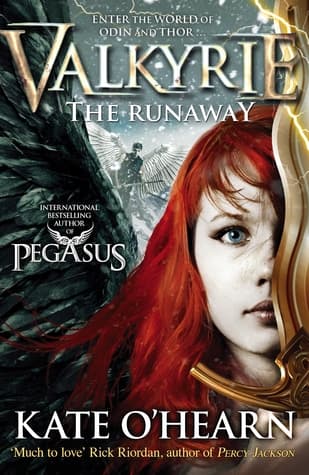
Kate O'Hearn
4.4

Jeanne Birdsall
4.4

Jen Wang
4.4
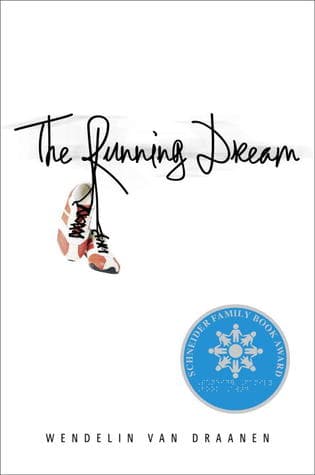
Wendelin Van Draanen
4.3

John Marsden
4.3

Chris Van Allsburg
4.3
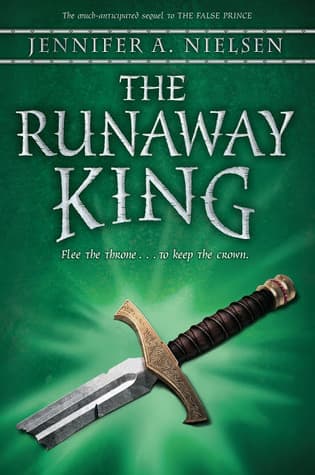
Jennifer A. Nielsen
4.2