“The greatest gift you can give another is the purity of your attention.”
— Something that Sergeant Major B.K. 'Bluey' Dean often told his men.

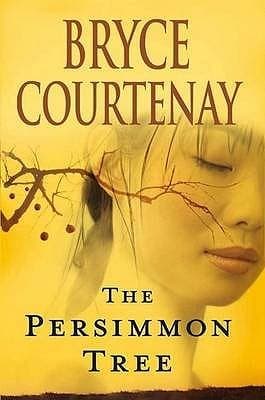
Bryce Courtenay (2007)
Genre
Historical Fiction / Romance
Reading Time
1200 min
Key Themes
See below
Sign in to track this book
During the brutal 1942 Japanese invasion of Java, a man and a woman fall in love, showing that even in war, people can find forgiveness, healing, and strength.
In 1942, on the Dutch East Indies island of Java, Anna van der Bok, a young Dutch woman, lives a sheltered life with her family on their plantation. The Japanese invasion becomes a reality when the Imperial Japanese Army sweeps through the island. Anna and her family, along with many other European residents, are caught in the chaos. The invasion involves extreme violence, looting, and the systematic gathering of non-Japanese civilians. Anna experiences the immediate breakdown of order and the loss of her comfortable life, forcing her into a desperate fight for survival as she sees the terrible acts committed by the invading forces.
During the Japanese occupation, Anna meets Nick Duncan, an American intelligence agent stranded on Java. Nick, a skilled and resourceful man, is trying to avoid capture and find a way off the island. Their meeting is dangerous, but a shared need for survival quickly connects them. They decide to try to escape together, navigating the dangerous land filled with Japanese patrols and desperate villagers. Their journey is risky, marked by close calls, hunger, and the constant threat of being found. They see firsthand the brutality of the occupation and the suffering of the Javanese people.
Despite their efforts, Anna and Nick are separated during a Japanese search. Nick, through luck and training, avoids capture and continues his journey to freedom. Anna, however, is not so lucky. Japanese soldiers apprehend her, and she is interned in a harsh civilian prison camp. Conditions in the camp are terrible: overcrowding, starvation, disease, and constant abuse by the Japanese guards. Anna endures great hardship, seeing death and despair daily, but her will to survive and hope for reunion with Nick keeps her going.
Nick Duncan successfully leaves Java and returns to Australia. Haunted by the suffering he saw and Anna's fate, he dedicates himself to the war effort as an intelligence officer, using his knowledge of the region and experiences to help the Allied forces. He gets involved in dangerous secret operations, always hoping his work might help liberate Java and give him a chance to find Anna again. His missions often put him in peril, but his resolve is strengthened by his memories of Anna and their shared ordeal.
Inside the Japanese internment camp, Anna endures years of hardship. She sees many friends and fellow prisoners die but refuses to give in to despair. She forms bonds with other women, sharing small rations and emotional support. A small, strong persimmon tree growing in the camp becomes a strong symbol of hope and endurance for Anna. Its ability to bear fruit despite the harsh conditions reflects her own determination to survive. The tree becomes a secret place of comfort and a reminder of the beauty and life that still exist outside the camp walls.
After years of brutal imprisonment, World War II ends with Japan's surrender. The internment camps are liberated, and Anna, thin but alive, emerges from her ordeal. The liberation brings great relief and mixed emotions, as the joy of freedom mixes with grief for those lost and the trauma of her experiences. She begins the slow, painful process of physical and psychological recovery, dealing with the profound changes she has undergone and the uncertain future. Her first thoughts, however, are of finding Nick.
After liberation, Anna begins the difficult task of finding her family and, most importantly, Nick. The world has changed due to the war, and communication is hard. She navigates displaced persons camps and bureaucracy, her hope often tested by the sheer amount of human suffering and displacement. Meanwhile, Nick, having returned to Java post-war with the Allied forces, is also desperately searching for Anna. He uses his intelligence contacts and resources to search the island for any information, fearing she may not have survived the camps. Their paths, though parallel, remain frustratingly separate.
After a long and difficult search, Anna and Nick are finally reunited, a moment of strong emotion. Their love for each other has lasted through separation and the horrors of war. However, their reunion has challenges. Both have been deeply scarred by their experiences, Anna by the camps and Nick by his dangerous missions and the loss he saw. They struggle to reconcile who they were before the war with who they have become. The process of healing and rebuilding their relationship is long and hard, marked by tender moments and the return of past traumas.
Wanting a fresh start away from the memories of Java, Anna and Nick decide to build a new life together in Australia. They face the challenges of adjusting to peacetime, a new country, and the lasting effects of their wartime experiences. Nick tries to regain a sense of normalcy, while Anna deals with the psychological aftermath of the internment camp. They find comfort in each other, but memories of the past are always present. They work to create a home and a future, aiming to find peace and happiness despite the shadows of the war.
Over the years, Anna and Nick's relationship is tested by the lasting trauma of the war, the challenges of rebuilding their lives, and the complexities of human connection. They learn to deal with each other's scars, offering comfort and understanding. The persimmon tree, a symbol of strength and hope from Anna's darkest days, becomes a recurring image in their lives, representing the lasting nature of life and love. Their story ultimately shows how love can heal, forgive, and provide meaning even in the face of great suffering.
The Protagonist
Anna transforms from a sheltered young woman into an incredibly strong and resilient survivor, learning the depths of human cruelty and the enduring power of hope and love.
The Protagonist
Nick evolves from a focused operative into a man deeply affected by love and loss, learning to integrate his wartime experiences with his desire for a peaceful future with Anna.
The Antagonist
They remain static antagonists, representing a force of oppression and cruelty throughout the war.
The Supporting/Mentioned
Their collective arc reflects the suffering and resilience of a colonized people caught in a global conflict, often overlooked in the grander narrative.
The Supporting/Mentioned
Their arc is brief and tragic, serving to illustrate the immediate and devastating impact of the war on innocent lives.
The Supporting
Their individual arcs are often truncated by death, but collectively they demonstrate the power of human connection in adversity.
At its core, The Persimmon Tree explores how love can change and renew people during the darkest human experiences. Anna and Nick's love story begins in war, is tested by long separation, great suffering, and trauma, yet it lasts. Their love acts as a source of hope and a reason to survive, proving to be a healing force that allows them to rebuild their lives. This theme is clear in Anna's hope for Nick in the camp and Nick's relentless search for her after the war.
“Without love, life for most of us would lack true meaning.”
The novel clearly shows the human spirit's strength in extreme difficulty. Anna's journey through the Japanese internment camp shows her incredible resilience. She endures starvation, disease, abuse, and great loss, yet she never fully gives in to despair. Her ability to find hope in small things, like the persimmon tree, shows her will to survive. Nick also shows remarkable strength through his dangerous escapes and intelligence work, driven by similar determination. The characters' survival is not just physical, but also a struggle to keep their humanity.
“The persimmon tree was a reminder that even in the most barren of places, life could find a way to take root and flourish.”
The book clearly shows the terrible realities of World War II in the Pacific, especially the Japanese occupation of Java and the atrocities in internment camps. It shows the physical and psychological scars left by war, not just on soldiers but on civilians. Anna's experiences in the camp, including starvation, disease, and constant threat of violence, are central to this theme. The lasting trauma that affects both Anna and Nick after the war, seen in their struggles to adjust to peacetime, highlights that the war's effects go far beyond the battlefield.
“The war had stolen not just their youth, but their innocence, leaving behind a landscape of ghosts and unspoken horrors.”
Loss is a common theme throughout the novel. Anna loses her family, her home, her freedom, and years of her life. Nick experiences the loss of comrades and the constant threat of losing Anna. The characters constantly deal with memories of what was lost and the people who died. The novel explores how memory, while painful, can also drive survival and honor the past. The characters' struggle to match their pre-war selves with their post-war identities is deeply connected to the memories of their profound losses.
“The past was not something you could simply leave behind; it clung to you like a shadow, sometimes a comfort, often a burden.”
A powerful symbol of hope, resilience, and endurance.
The persimmon tree in the internment camp serves as a central symbolic plot device. For Anna, it represents life, hope, and the possibility of beauty even in the most desolate circumstances. Its ability to bear fruit despite the harsh conditions mirrors Anna's own resilience. The tree becomes a secret place of solace and a private reminder of the world outside the camp. It connects her to the natural world and provides a tangible focus for her will to survive, ultimately becoming a symbol of enduring love and new beginnings after the war.
Courtenay's personal introduction sets a reflective and intimate tone.
While the main narrative is third-person, Bryce Courtenay's personal introduction as the author, explicitly stating his intent to write a love story and his age, acts as a framing device. This unique authorial intrusion sets a deeply personal and reflective tone for the entire novel. It primes the reader to view the story not just as historical fiction, but as a profound exploration of love from a seasoned perspective. This device adds an emotional layer, suggesting the wisdom and empathy that underpin the narrative, making the love story feel more authentic and deeply considered.
Anna and Nick's separate but equally harrowing paths during the war.
The novel employs the plot device of parallel journeys, depicting Anna's brutal experience in the internment camp simultaneously with Nick's dangerous missions as an intelligence officer. This allows the narrative to explore different facets of the war's impact and to heighten the emotional tension of their eventual reunion. Their separate struggles, each driven by the hope of reuniting with the other, underscore the depth of their love and the immense challenges they overcome. It emphasizes the vastness of the war and how it separated and reshaped individuals.
Recollections of the past to inform present struggles.
The novel uses flashbacks and the characters' internal memories to reveal their past lives and the traumatic events they endured. These aren't always explicit 'flashback' chapters but often manifest as characters reflecting on their pre-war existence, the initial invasion, or specific moments of suffering. For Anna, these memories often include the comfort of her past life or the horrors of the camp. For Nick, they are of his time with Anna or the dangers of his missions. This device deepens characterization and highlights the enduring psychological impact of trauma, showing how the past continually informs their present struggles and their capacity for love and healing.
“The greatest gift you can give another is the purity of your attention.”
— Something that Sergeant Major B.K. 'Bluey' Dean often told his men.
“The past is a foreign country; they do things differently there.”
— A general reflection on the differences between eras, particularly relevant to the post-war world.
“Hope is a good breakfast but a poor supper.”
— A saying that often reflects the harsh realities faced by the characters, particularly during wartime.
“Sometimes the only way to stay sane is to go a little crazy.”
— Reflecting the coping mechanisms of soldiers and prisoners during extreme duress.
“Love is not about possession. It's about appreciation.”
— A theme explored through the long-distance relationship and sacrifices of the main characters.
“A man's worth is not measured by the clothes on his back, but by the heart in his chest.”
— Often used to describe the inherent value of characters regardless of their social standing or circumstances.
“The world is full of good people, if you know where to look.”
— A recurring sentiment, despite the horrors witnessed, offering a glimmer of optimism.
“War strips away everything but the bare essence of a man.”
— Reflecting the transformative and often brutal impact of conflict on the soldiers.
“Memory is a funny thing. Sometimes it's a blessing, sometimes a curse.”
— Characters often grapple with traumatic memories and the longing for lost loved ones.
“Even in the darkest night, a single star can still shine.”
— A metaphor for enduring hope and resilience amidst despair.
“The greatest battles are fought not on the battlefield, but within the heart.”
— Referring to the internal struggles of the characters with love, loss, and morality.
“Freedom is not free. It is paid for with blood and tears.”
— A poignant reflection on the sacrifices made during World War II and its aftermath.
“Sometimes, the only thing left to do is to keep breathing.”
— A simple yet powerful statement of perseverance in the face of overwhelming adversity.
Ready to see how well you understood this book? Take our interactive quiz with 10 questions.

Arthur Bryce Courtenay, was a South African-Australian advertising director and novelist. He is one of Australia's best-selling authors, notable for his book The Power of One.