“She was a paying guest, and that was all. But it was not all.”
— Frances reflects on the ambiguous status of Lilian as a lodger in her home.

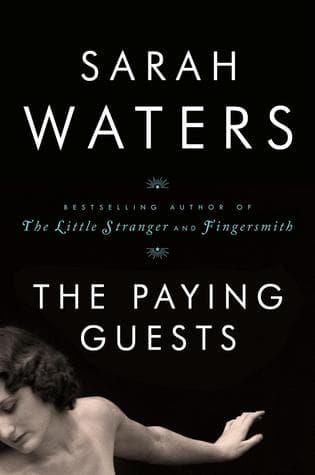
Sarah Waters (2014)
Genre
Literary Fiction / Historical Fiction / Romance
Reading Time
1200 min
Key Themes
See below
Sign in to track this book
In 1920s London, a spinster's quiet life with her mother is shattered when a young couple moves in, sparking a forbidden passion that leads to secrets and betrayal.
In 1922 London, Frances Wray lives with her widowed mother in a large, old house in Camberwell. After her brothers died in the war and her father passed, their money situation became bad. They had to fire servants and consider selling the house. To avoid selling, Mrs. Wray decides to take in lodgers. The tenants are Lilian and Leonard Barber, a young, working-class couple. Lilian is lively and modern, working as a clerk. Leonard is a quiet insurance clerk. Their arrival changes the calm life Frances and her mother had, bringing new sounds and social interactions into their private home.
As the Barbers settle in, Frances finds herself drawn to Lilian. At first, she is just curious, noticing Lilian's modern clothes, her laughter, and her easy nature, which is different from Frances's quiet personality. This curiosity soon becomes a strong attraction. Frances starts to look forward to seeing Lilian, to listen for her, and to feel a sense of awareness when they are in the same room. These feelings are new and exciting, challenging Frances's ideas of proper behavior and her own identity, especially given the social rules of the time about same-sex relationships.
One evening, after a tense dinner where Leonard was rude to Lilian, Frances finds Lilian upset in the drawing-room. Frances, feeling sympathy and growing desire, offers comfort. Their talk reveals Lilian's weaknesses and her unhappiness with her marriage. The mood between them becomes filled with unspoken emotion. In a moment of closeness, Frances and Lilian kiss. This kiss is a turning point, confirming the strong attraction between them and changing their relationship from unspoken longing to a dangerous, physical reality.
After their first kiss, Frances and Lilian begin a passionate, secret affair. They find time together when Leonard is out, using the night and the quiet of the house to meet. Their times together are intense, giving both women an escape from their restricted lives and a strong connection. Frances discovers a sexual awakening she did not expect, finding pleasure and emotional fulfillment with Lilian. However, the need for secrecy, the fear of Mrs. Wray or Leonard finding out, and society's disapproval of their relationship create anxiety over their happy moments.
As Frances and Lilian's affair grows, Leonard Barber becomes more suspicious. He notices Lilian's late-night absences, her changed mood, and small shifts in the house. His initial dislike of Frances, from class differences and feeling like an outsider, turns into jealousy. He starts making hints, watching Lilian and Frances closely, and creating a watchful presence in the house. His suspicions are not spoken but are clear, creating tension that threatens to expose the lovers and break the peace of the Wray household. The risk of being found out is great, making their secret more dangerous.
One night, after Frances and Lilian have been together, Leonard confronts Lilian in their bedroom. The fight quickly becomes violent. Lilian, wanting to protect her secret and her relationship with Frances, tries to push him away. In the struggle, Leonard falls, hits his head on the fireplace, and dies. Frances, hearing the noise, rushes to the Barbers' room and sees what has happened. The accidental death changes their secret affair into a desperate fight for survival and secrecy, with big legal and personal effects.
Right after Leonard's death, Frances and Lilian are consumed by panic. They quickly understand what this means: a dead man, a secret affair, and certain scandal and jail if the truth comes out. Driven by self-preservation and their bond, they decide to hide the crime. They move Leonard's body, make the scene look like an accident or a robbery, and get rid of any evidence that could show their guilt. This act of hiding the crime connects them even more, creating a dark, shared closeness born from terror and a desperate hope for freedom.
Mrs. Wray finds Leonard Barber's body in the morning, which starts a police investigation. Detective Sergeant Steer and his team arrive, examining the scene and questioning everyone. Frances and Lilian must stick to their made-up story, acting upset and innocent while facing the police's questions and suspicious looks. The pressure is huge, as any detail or inconsistency could expose their lie. The house, once a safe place for their love, now feels like a prison, filled with the police's watchful eyes and the constant threat of being found out.
As the police investigation continues, Frances and Lilian face great psychological stress. Detective Sergeant Steer's suspicions grow, and he focuses on inconsistencies in their stories and the lack of a clear reason for a 'robbery.' The constant questioning and the fear of making a mistake strain their relationship. The closeness they once had is now filled with paranoia. Lilian, more fragile and likely to panic, starts to show weakness, while Frances tries to stay calm. The pressure threatens to break them, leading to doubt and unspoken anger that weakens their shared loyalty.
The inquest into Leonard Barber's death is a difficult experience. Frances and Lilian are called to testify, forced to tell their made-up story under oath, knowing their lives depend on it. Despite their efforts to seem believable, the evidence and the police's growing suspicions point to foul play. The authorities, especially Detective Sergeant Steer, are not convinced by the robbery story. The inconsistencies and the growing indirect evidence lead to their arrests. Frances and Lilian are charged with Leonard Barber's murder, their secret exposed and their future uncertain as they face the legal system.
The trial of Frances Wray and Lilian Barber becomes a public event, fueled by the scandalous nature of their alleged crime and the hint of their 'unnatural' relationship. The prosecution looks closely at their lives, their characters, and the events of that night. Frances, more stoic, tries to protect Lilian, while Lilian often seems overwhelmed. The defense tries to show it was an accident or self-defense, but the evidence and societal bias against their perceived deviance are strong. The verdict, given after much thought, decides their fates, with one facing consequences while the other is set free, but forever changed by the experience.
After the trial, Frances tries to live a life changed by the events. The house in Camberwell becomes a reminder of loss and memory, haunted by Leonard's death and Lilian's absence. Frances carries the weight of her involvement and the memory of her passionate, tragic love affair. She deals with societal judgment, the lingering suspicions of others, and her own inner struggles. The novel ends with Frances living a quiet, solitary life, forever changed by the intense experience, thinking about the choices made, the love lost, and the lasting results of their secret life.
The Protagonist
Frances transforms from a dutiful, repressed spinster into a woman awakened by forbidden love, ultimately becoming a survivor marked by tragedy and complicity.
The Protagonist/Supporting
Lilian moves from a woman seeking escape from a mundane marriage to a terrified participant in a crime, her spirit ultimately broken by the consequences.
The Supporting
Mrs. Wray remains largely static, a symbol of the old order, increasingly frail and oblivious to the true nature of the household's events.
The Supporting/Victim
Leonard's character devolves from a quiet, somewhat unremarkable husband into a suspicious and ultimately tragic figure, his death driving the plot.
The Supporting
Steer steadily uncovers the truth of Leonard's death, representing the inexorable march of justice.
The Mentioned
Serves as a symbol of working-class grief and suspicion, contrasting with the Wrays' middle-class facade.
The Mentioned
Her memory provides context for Frances's latent desires, highlighting a past that informs her present.
The Supporting
His presence adds to the external pressure on Frances and Lilian during the cover-up and investigation.
The main theme is the powerful, forbidden love affair between Frances and Lilian. In 1920s Britain, same-sex relationships were taboo and legally risky, especially for women. The novel shows the excitement and emotional connection of their love, next to the constant fear of being found out and society's disapproval. This theme appears in their secret meetings and the emotional awakening Frances experiences, challenging her previously hidden life. Their love, while deeply felt, is dangerous and leads to tragedy.
“It was like being drunk, it was like being mad, it was like being a child. It was like being in love.”
The novel shows the strict class structure of post-WWI Britain and its effect on the characters. The Wrays, part of a declining middle class, must take in the 'clerk class' Barbers, showing the weakening of old social ranks. Frances's initial discomfort with Lilian's 'common' ways, and Leonard's anger at the Wrays' faded status, show the social tensions. The class difference also affects power and vulnerability in the household, and later, how the police and public see the characters during the investigation and trial.
“A house like this, in a street like this, was a statement. It was a statement that had been made, years ago, by Frances's grandfather; and now, like a sentence in a dying man's mouth, it was becoming fainter, fainter...”
Frances's journey shows repression and awakening. Living a life of duty and quiet, her desires and true self have been mostly hidden. Lilian's arrival starts a passionate awakening within Frances. This theme is seen in Frances's thoughts, her growing awareness of her body and feelings, and her willingness to go against social norms for love. The initial repression makes the later awakening very powerful and, in the end, devastating.
“She felt as if a part of her had been asleep for years, and was only now beginning to stir.”
After Leonard's death, the novel looks at the psychological weight of guilt, the secrets, and the shared involvement that connects Frances and Lilian. Covering up the murder forces them into a shared, terrifying closeness. The constant fear of being found out, the need to keep their made-up story, and the inner struggle with their consciences drive much of the plot. This theme shows how shared guilt can both strengthen and hurt a bond, turning love into a desperate alliance.
“The secret was a living thing between them, a third presence, breathing in the room.”
The Wrays' Camberwell villa, at first a safe place, becomes a closed-in and dangerous space. The home, usually associated with safety, becomes the setting for forbidden passion, violence, and a murder cover-up. The confined nature of the house makes the drama stronger, trapping the characters inside and increasing the tension and fear of being found out. Every sound, every closed door, and every shared meal becomes filled with unspoken secrets, turning the familiar into a source of dread.
“The house, which had once felt so solid and secure, now seemed to breathe with secrets.”
The Wrays' house acts as a pressure cooker for the plot's events.
The entire narrative unfolds within the confines of the Wrays' large, increasingly dilapidated house in Camberwell. This confined setting serves as a powerful plot device, intensifying the claustrophobia and psychological pressure on the characters. It forces Frances and Lilian into close proximity, facilitating their affair, and later, traps them with the body and the subsequent police investigation. The house becomes a character in itself, reflecting the Wrays' declining fortunes and acting as a silent witness to the illicit love and the crime, amplifying the sense of inescapable fate.
The story is primarily told through Frances's eyes, shaping reader perception.
The novel is largely narrated from Frances Wray's perspective, offering intimate access to her thoughts, feelings, and internal struggles. This narrative choice allows the reader to experience Frances's gradual awakening, her profound love for Lilian, and her escalating fear and guilt directly. It creates a strong sense of empathy for Frances and shapes the reader's understanding of events, making Leonard's death and the subsequent cover-up feel like desperate acts of survival rather than cold-blooded murder. The reader is complicit with Frances, sharing her secrets and anxieties, making the psychological tension more acute.
The reader knows more than Mrs. Wray, creating tension and suspense.
Dramatic irony is frequently employed, particularly in relation to Mrs. Wray. The reader is privy to the secret affair between Frances and Lilian, and later, the truth about Leonard's death and its cover-up, while Mrs. Wray remains blissfully or willfully ignorant. This creates a constant undercurrent of tension and suspense, as every interaction, every casual comment by Mrs. Wray, carries a double meaning for the reader and for Frances. The irony highlights the extreme lengths Frances and Lilian must go to maintain their deception and underscores the fragility of their carefully constructed facade.
Subtle hints throughout the narrative suggest impending doom and tragedy.
Waters uses subtle foreshadowing to build a sense of unease and inevitability. Early descriptions of the house's decaying grandeur, the increasing tension between Leonard and Lilian, and Frances's growing obsession all hint at a tragic outcome. For instance, the descriptions of Leonard's temper or the claustrophobic atmosphere of the house subtly prepare the reader for the violent climax. This device creates a pervasive sense of dread, suggesting that the characters are on a collision course with destiny, making the eventual murder feel like an almost inevitable consequence of their forbidden desires and the pressures surrounding them.
“She was a paying guest, and that was all. But it was not all.”
— Frances reflects on the ambiguous status of Lilian as a lodger in her home.
“It was like being in a dream, a dream from which she might at any moment wake.”
— Frances describes the surreal feeling of her growing intimacy with Lilian.
“She had thought she wanted peace, but what she wanted was life.”
— Frances realizes her desire for excitement over the quiet existence she had settled for.
“The world was full of people living lives they hadn't chosen.”
— Frances muses on the constraints of post-WWI society and personal circumstances.
“Love was a kind of madness, and she was glad of it.”
— Frances embraces the irrational passion of her relationship with Lilian.
“She felt as if she were standing on the edge of a cliff, with the wind blowing hard.”
— Frances contemplates the risks and exhilaration of her secret affair.
“There was no going back to the person she had been before.”
— Frances acknowledges the irreversible change brought by her love for Lilian.
“The house was full of ghosts, and she was one of them.”
— Frances feels the weight of her family's past and her own stagnant life.
“She had learned that happiness was a fragile thing, easily broken.”
— Frances reflects on the precarious nature of joy in her tumultuous relationship.
“They were two women in a world that did not want them.”
— Frances and Lilian confront the societal hostility towards their relationship.
“Every choice she made felt like a betrayal of someone.”
— Frances grapples with the moral complexities of her actions and loyalties.
“The truth was a luxury she could not afford.”
— Frances considers the necessity of secrecy in her life with Lilian.
“She had become a stranger to herself, and she liked it.”
— Frances finds liberation in the new identity forged through her love affair.
“In the darkness, they were free.”
— Frances and Lilian find moments of freedom in the privacy of night.
Ready to see how well you understood this book? Take our interactive quiz with 10 questions.

Sarah Ann Waters is a Welsh novelist. She is best known for her novels set in Victorian society and featuring lesbian protagonists, such as Tipping the Velvet and Fingersmith.







