“For if you were born to be an outlaw, what was the use of trying to be anything else?”
— Robin's early thoughts on his destined path.

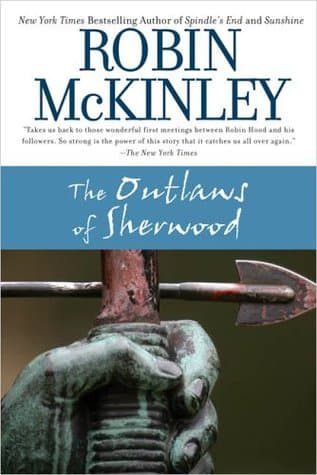
Robin McKinley (1988)
Genre
Fantasy / Historical Fiction / Young Adult / Romance
Reading Time
7-8 hours
Key Themes
See below
Sign in to track this book
In a new Sherwood, Robin Hood finds his strongest ally in Marian, a skilled archer who helps him fight for justice against King John.
Young Robin Hood, a nobleman from Gamewell, goes to an archery contest in Nottingham with his friends, Much and Marian. Robin, though young, is a great archer. During the contest, a forester named Guy of Gisbourne insults and threatens him. Robin, known for his skill and quick temper, accepts the challenge. Robin accidentally kills Gisbourne, a king's man. Realizing the seriousness of his act, Robin and Much flee into Sherwood Forest to escape the Sheriff of Nottingham, becoming outlaws.
In Sherwood Forest, Robin and Much start to get used to their new, hard life. Robin, still dealing with what he did, meets a large, loud man named John Little at a stream. After a playful but strong quarterstaff fight, which Robin loses, John agrees to join Robin's small group, earning the name 'Little John.' Soon after, Will Scarlet, a skilled swordsman and Robin's relative, also finds his way to the forest and pledges his loyalty. The group, though small, begins to form a bond, united by their shared situation and Robin's leadership.
Marian, Robin's betrothed and a very independent woman, refuses to stay home while Robin is an outlaw. Despite what society expects and the dangers, she secretly practices her archery, improving her already good skill. She eventually disguises herself as a boy and goes into Sherwood Forest, determined to find Robin and join his group. When she reveals herself, Robin is unsure because of the dangers. But Marian's strong will, sharp mind, and great archery skill quickly prove her worth, earning her a place among the Merry Men, not just as Robin's love, but as an equal.
The Merry Men's numbers grow, and they soon meet Friar Tuck, a cheerful but religious priest. He was cast out of his abbey for his unusual ways and his sympathy for common people. After a funny first meeting where Tuck shows his strength and wit, he joins Robin's group, giving spiritual advice and practical skills. With Tuck, Robin's purpose becomes clear beyond just survival: they become protectors of the poor and oppressed, fighting the corrupt Sheriff of Nottingham and his tax collectors, sharing wealth, and bringing some justice in the King's absence.
The Sheriff of Nottingham, increasingly annoyed by Robin Hood's actions and the outlaws' defiance, plans many traps to catch him. He uses disguises, sets fake contests, and tries to trick Robin with promises of safety. But Robin, with his sharp instincts, the Merry Men's network of spies, and Marian's clever planning, always sees through these tricks. Each attempt by the Sheriff only shows Robin's cleverness and his group's loyalty, often turning the tables on the Sheriff and his men, to the joy of the local peasants.
The Merry Men welcome Allan-a-Dale, a traveling singer with a nice voice and a kind heart, into their ranks. Allan-a-Dale is more than just entertainment; he brings news from outside and helps the group. His biggest help involves a young couple whose marriage is being stopped by a rich, older knight who wants to marry the maiden for her money. With Allan-a-Dale's help in planning and the Merry Men's action, they stop the forced wedding, making sure the true lovers unite. This further builds Robin's reputation as a champion of justice and love.
Years pass, and rumors spread in Sherwood Forest about King Richard's return from the Crusades. The Merry Men, tired of outlaw life but loyal to Robin and their cause, await this news with mixed feelings. They know Richard's return could end Prince John's harsh rule and the Sheriff's tyranny. But their own fate, including Robin's pardon for killing Guy of Gisbourne, depends on the King's choice. The forest, usually a safe place, becomes a place of anxious waiting.
King Richard, returning to England, travels through Sherwood Forest in disguise. He wants to see the state of his kingdom and learn the truth about Robin Hood. He meets Robin and his Merry Men, who, not knowing who he is, treat him as a rich traveler. Robin hosts him kindly and shares a meal, showing his principles and deep loyalty to the rightful King, despite being an outlaw. Impressed by Robin's character and the justice he upholds, Richard reveals himself, pardons Robin and his men, and offers them places in his service.
After King Richard's pardon, Robin Hood and Marian finally marry, a happy event celebrated by the Merry Men and the thankful villagers. Robin and many of his men take positions in the King's service, leaving Sherwood Forest for a more normal life. The change has its difficulties, as the freedom of the forest is deep within them. However, they take on their new roles, bringing their sense of justice and friendship to the King's court, while always remembering the bonds made in Sherwood.
Even after their pardons and new lives, the wild spirit of Sherwood Forest still calls to some of the Merry Men. The structured life of court and settled living is too restrictive for a few, especially Little John and Much. They eventually return to the familiar paths and freedom of the forest. Robin, though committed to his new life with Marian, understands their longing. He knows that for some, who they are is forever tied to the greenwood. The legend of Robin Hood and his group, though officially over, lives on in people's hearts and the forest's whispers.
The Protagonist
Robin transforms from an impulsive young nobleman into a wise and principled leader, ultimately finding a way to reconcile his outlaw past with a life of service to the King.
The Protagonist/Supporting
Marian asserts her independence and skill, moving from a noblewoman to an active participant in Robin's adventures, ultimately becoming his partner in all aspects of life.
The Supporting
Much remains a constant and loyal presence, finding his place and purpose as a dedicated member of the Merry Men, eventually returning to the forest.
The Supporting
Little John finds a family and purpose with the Merry Men, embracing his role as a protector of the poor and a loyal friend, ultimately choosing the freedom of the forest.
The Supporting
Will Scarlet matures from a somewhat self-absorbed youth into a dedicated and reliable member of the Merry Men, finding purpose in their cause.
The Supporting
Friar Tuck finds a new calling and community among the outlaws, where his faith and wisdom are truly valued and put to good use.
The Antagonist
The Sheriff consistently fails in his attempts to capture Robin, his power and reputation diminishing with each defeat, until he is ultimately stripped of his authority upon the King's return.
The Mentioned/Supporting
King Richard's return symbolizes the restoration of justice and order, validating Robin's actions and bringing an end to the outlaw life.
The novel explores the conflict between legal rules and moral rightness. Robin Hood and his Merry Men, though outlaws, show a higher form of justice. They protect the poor and oppressed from the corrupt legal system of the Sheriff of Nottingham and Prince John. They steal from the rich to help the poor, questioning laws that only serve the powerful. This idea is key to Robin becoming an outlaw and his actions, like stopping unfair taxes or helping the wronged, as seen when they stop the forced marriage of Allan-a-Dale's love interest.
“He took from those who had too much and gave to those who had too little, and always, always, he did it for justice.”
Sherwood Forest is a safe place of freedom, both physical and in ideas, for the outlaws. It is a place where they can live by their own rules, free from the kingdom's harsh laws. This freedom stands against the social expectations and limits of feudal England. The characters, especially Robin and Marian, choose the wild freedom of the forest over a comfortable, normal life, showing the value of independence. Even after their pardon, the forest's lasting call for characters like Little John and Much highlights how deeply this freedom affects them.
“The forest was their home, their shield, their freedom.”
The strength of Robin Hood's group comes from the strong loyalty and deep bonds among its members. Each Merry Man, from Much and Little John to Marian and Friar Tuck, promises loyalty to Robin and to each other. They form a family in the forest's hard environment. This theme shows in their support during fights with the Sheriff, their shared meals and friendship, and their group commitment to their cause. Their loyalty goes beyond social status and personal goals, creating a strong group that can defy the established order.
“They were a family, bound not by blood, but by choice and by the greenwood.”
Robin McKinley's story greatly increases Marian's role, making her a main character who actively goes against old gender expectations. Marian is not a helpless woman but a skilled archer, a strategic thinker, and Robin's equal partner. Her choice to join the Merry Men, disguised as a boy, and her help in their success, directly challenges the social norms of her time. This theme shows female independence and strength, proving that skill and courage are not limited by gender, and that women can be strong leaders and fighters.
“She was not content to wait; she was a part of his life, his struggle, and his strength.”
Characters use disguises to move freely, gather information, or deceive their enemies.
Disguise is a recurring and vital plot device. Robin Hood frequently uses disguises, often as a monk, a beggar, or a common traveler, to infiltrate Nottingham, gather intelligence, or observe situations firsthand without revealing his identity. This allows him to outsmart the Sheriff and his men, who are often fooled by appearances. Marian also employs a disguise as a boy to join the Merry Men, highlighting her determination and subverting gender expectations. The King himself uses a disguise to test Robin, showcasing the device's role in revealing character and truth.
A recurring event used to initiate conflict, showcase skill, and lure characters into traps.
The archery contest serves multiple functions throughout the narrative. It is the catalyst for Robin's outlaw status, as his accidental killing of Guy of Gisbourne occurs during such an event. Later, the Sheriff of Nottingham frequently uses archery contests as a trap to lure Robin out of the forest, knowing his pride and skill as an archer. These contests provide opportunities for dramatic tension, demonstrations of the Merry Men's unparalleled skill, and clever escapes, often turning the Sheriff's own traps against him.
Sherwood Forest functions as a safe haven and a symbol of freedom for the outlaws.
Sherwood Forest is more than just a setting; it is a character in itself and a crucial plot device. It provides physical protection for Robin and his men, its dense cover and intricate paths making it difficult for the Sheriff's forces to penetrate. Beyond its physical utility, the greenwood symbolizes freedom, self-sufficiency, and a return to a more natural, just order. It allows the Merry Men to forge their own community and code of conduct, separate from the corrupt society outside its bounds. It is both their refuge and the source of their power and identity.
“For if you were born to be an outlaw, what was the use of trying to be anything else?”
— Robin's early thoughts on his destined path.
“The trees were his oldest friends, and the forest his truest home.”
— Describing Robin's deep connection with Sherwood Forest.
“There are some things that even a king cannot command, and one of them is the loyalty of a free man.”
— Robin's philosophy on freedom and allegiance.
“He knew, with a sudden certainty, that the only way to be truly free was to be an outlaw.”
— Robin's realization about the nature of true freedom.
“Justice, he thought, was not something handed down from above, but something fought for, fiercely, on the ground.”
— Robin's view on how justice is achieved.
“The world was a place of sharp edges and sudden changes, and only the quick and the clever survived.”
— Reflecting on the harsh realities of their world.
“Love, like the forest, could be both beautiful and dangerous.”
— Marian's thoughts on the complexities of love.
“It was not enough to merely exist; one must live, truly live, with purpose and passion.”
— A character's reflection on the meaning of life.
“He had traded a life of comfort for a life of purpose, and he did not regret it.”
— Robin's introspection on his choices.
“Sometimes, the only way to save what you loved was to break all the rules.”
— A justification for their outlaw actions.
“The forest held secrets, old and green, and sometimes, if you listened carefully, it would whisper them to you.”
— Describing the mystical connection to Sherwood Forest.
“A good laugh, like a good meal, was something to be savored, especially in hard times.”
— Highlighting the importance of joy amidst hardship.
“He was not a king, nor a lord, but he was master of his own fate, and that was enough.”
— Robin's contentment with his self-made identity.
“There was a wildness in her, like the untamed deer of the forest, and he loved her for it.”
— Robin's admiration for Marian's spirit.
Ready to see how well you understood this book? Take our interactive quiz with 10 questions.

Robin McKinley is an American author best known for her fantasy novels and fairy tale retellings. Her 1984 novel The Hero and the Crown won the Newbery Medal as the year's best new American children's book. In 2022, the Science Fiction and Fantasy Writers Association named her the 39th Damon Knight Memorial Grand Master in recognition of her significant contributions to the literature of science fiction and fantasy.







