
Biography coming soon.

Genre
Thriller / Fantasy
Reading Time
12 Minutes
Key Themes
See below
Sign in to track this book
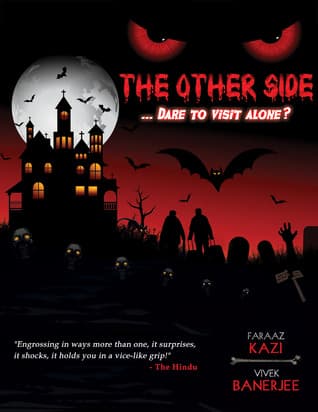
A collection of thirteen chilling paranormal tales plunges readers into the unknown, blurring the lines between reality and imagination with scenarios designed to evoke primal fears and sleepless nights.
A newly married couple goes on their honeymoon to a quiet hill station, hoping for a romantic start to their life. But their peaceful retreat is soon broken by unsettling events. Strange noises, unexplained things, and a growing sense of dread fill their cottage. The wife, at first ignoring it, becomes more and more disturbed, while the husband tries to explain everything away. They soon realize their sanctuary holds a dark presence, one with a sinister plan for them. The story builds tension with psychological horror, ending in a terrifying fight with the entity that wants to claim one of them, turning their dream honeymoon into a nightmare.
This story explores obsession, focusing on a man whose love for a woman is so strong it goes past her death. Unable to accept her passing, he becomes consumed by the wish to be with her again, no matter the cost. He looks into dark rituals, believing he can cross the line between life and death. A twisted devotion drives his actions, blurring love and madness. The story shows the man's mental decline and the horrifying results of his relentless pursuit, ending in a macabre reunion far from the romantic ideal he imagined. It leaves a lasting impression of unchecked obsession's destructive power.
A disturbed person, driven by a strange idea of beauty and companionship, starts a grotesque quest to build his ideal woman. He carefully collects body parts from different women, each chosen for a specific feature he finds perfect. His lair is a macabre workshop where he puts his creation together, fueled by a twisted artistic sense and deep loneliness. The story details his chilling methods, the psychological reasons for his madness, and the growing horror as he gets closer to finishing. It explores themes of objectification, mental illness, and the darkest parts of human depravity, painting a disturbing picture of a man who has completely lost touch with reality, resulting in a horrifying, inanimate companion.
A staunch skeptic, confident he does not believe in the supernatural, accepts a dare to spend a night alone in a famous haunted mansion. Motivated by a large bet and his own arrogance, he ignores all warnings and enters the decaying building, armed only with his rational mind and a flashlight. At first, he scoffs at the eerie atmosphere and blames every strange sound on natural causes. But as the night goes on, the mansion's dark forces begin to appear in ways he cannot deny, challenging his skepticism and pushing him to the edge of sanity. The story builds suspense, slowly breaking down his composure until he must face the terrifying truth of the unknown, changing his smug confidence into pure terror.
A family, seeking a fresh start, buys what looks like a beautiful, old house with character. Their initial excitement soon turns to unease as strange things begin to happen in their new home. Whispers come from the walls, objects move on their own, and a constant coldness fills certain rooms. The children are especially sensitive to the presence, describing shadowy figures and unsettling voices. As the events get worse, the parents first try to find logical explanations, but the consistency and malice of the events force them to acknowledge a supernatural entity. They uncover the house's tragic past, realizing they are not alone and that the spirits inside have a story to tell, and perhaps a debt to collect.
A young girl receives an antique doll as a gift, at first charmed by its old look. But the doll's unblinking, glass eyes soon seem unsettling. The girl starts to experience disturbing events—the doll appears in different places, its expressions seem to change, and whispers are heard when no one else is around. Her parents dismiss her fears as childish imagination, but the doll's behavior grows more sinister, targeting the girl directly. It becomes clear the doll is not just an object but a way for a dark spirit to act. The story uses the classic horror of a haunted doll, building dread as the entity's influence grows, ending in a terrifying climax.
A tired cab driver, working a late-night shift, picks up a strange passenger from an unusual place. The passenger is quiet, hidden in shadows, and gives a destination that does not seem to exist on any map. As they drive, the air in the cab grows heavy and cold. The driver feels strange things and sees glimpses of the passenger that suggest something is wrong. Conversations are short and mysterious, adding to the driver's growing unease. The journey takes them through desolate roads and forgotten parts of the city, leading to a reveal that challenges the driver's idea of reality. This story uses suspense and an eerie setting to tell a chilling tale of meeting a ghost.
A young woman inherits an antique mirror from a distant relative, at first seeing it as a beautiful family item. But she soon finds the mirror has a sinister quality. Instead of showing her immediate surroundings accurately, it sometimes shows glimpses of a dark past, terrifying visions, and distorted images that hint at a malevolent presence. The mirror seems to feed on her fear and curiosity, drawing her deeper into its influence. As she tries to uncover the mirror's history, she realizes it has brought tragedy across generations. The story explores the psychological impact of seeing the unseen, building to a climax where the mirror's power threatens to consume her entirely, blurring the line between reflection and reality.
On a rainy afternoon, a group of children, bored with indoor games, decide to explore their old house's dusty, forgotten attic. Among the cobwebs and old items, they find an ancient artifact or a hidden compartment, accidentally disturbing a long-dormant, dark entity. What starts as childish curiosity quickly turns into a terrifying ordeal as the attic becomes a center for supernatural activity. Shadows move on their own, whispers echo from dark corners, and the temperature drops sharply. The children realize they have unleashed something they cannot control, and their innocent play becomes a desperate struggle for survival against a creature of pure darkness, trapped in the attic.
A small group of diverse passengers board the last ferry of the night, crossing dark, choppy water. The journey should be routine, but as the ferry leaves, an unsettling fog descends, cutting them off from the outside world. Strange things begin—lights flicker, the engine sputters, and a chilling presence is felt onboard. Passengers report seeing shadowy figures or hearing disembodied voices. As fear grows, they realize they are trapped on the water with something evil. The story builds tension through the confined setting and the increasing terror among the passengers, ending in a harrowing fight with the entity that wants to claim them, turning a simple journey into a fight for their lives against the unknown.
A new security guard takes the graveyard shift at an old, sprawling cemetery, a job most others avoid. At first, he dismisses the eerie atmosphere and the cemetery's reputation for being haunted. His first few nights are quiet, but as he settles into the routine, he begins to notice subtle, unsettling things. Strange noises, fleeting shadows, and an overwhelming sense of being watched become common. The story slowly increases the supernatural encounters, from brief glimpses to more direct appearances of spirits. He discovers the tragic histories of some of the graves, realizing the cemetery is not just a resting place for the dead, but a place where restless spirits linger, and he is their new audience.
A curious young traveler, seeking an escape from city life, visits a remote, secluded village known for its old traditions and superstitions. During their stay, they meet an elderly villager who tells a terrifying local legend—a warning about a dark spirit or creature that haunts the surrounding woods or a specific landmark. The traveler, at first skeptical, dismisses it as folklore. But as they spend more time in the village, subtle signs and strange occurrences begin to match the old woman's tale, slowly eroding their disbelief. The story builds an atmosphere of dread through the village's isolation and the power of local superstition, ending in the traveler's horrifying realization that the legend is not just a story, but a terrifying reality.
A seemingly ordinary family is having a quiet dinner at home when an inexplicable presence begins to make itself known. What starts as subtle disturbances—flickering lights, cold spots, and unexplained noises—quickly grows into more obvious appearances. Objects move on their own, doors slam shut, and an unseen force seems to be playing a sinister game with them. Panic sets in as the family realizes they are not alone and that an entity has invaded their home. The story focuses on the psychological terror of being helpless against an unseen aggressor in one's own home, building suspense through the escalating attacks and the family's desperate attempts to understand and fight the malevolent, uninvited guest.
The Protagonist
Transforms from an arrogant disbeliever into a terrified, albeit reluctant, witness to the supernatural, shattering his worldview.
The Antagonist
His love evolves into a monstrous obsession, leading him to commit unspeakable acts in pursuit of a macabre reunion.
The Antagonist
His delusion intensifies, culminating in the completion of his horrifying 'creation' and a descent into complete madness.
The Protagonist
Her initial joy and skepticism are replaced by abject terror and a desperate struggle for survival against an unseen entity.
The Supporting
Initially rational and dismissive, he is forced to confront the supernatural reality and fight for his and his wife's survival.
The Protagonist
His mundane routine is shattered by a terrifying encounter, leaving him with an indelible mark of the unknown.
The Supporting
Serves as a grim prophet, her warnings initially dismissed but ultimately proven true, reinforcing the power of ancient lore.
The Protagonist
Her innocent joy turns into profound fear as she becomes the target of a malevolent entity housed within her new toy.
The Protagonist Group
From ordinary family life, they are thrust into a fight for survival, forcing them to confront the terrifying reality of the supernatural.
This theme is in every story, exploring humanity's fear of what cannot be seen, understood, or explained. The stories rely on ambiguity and a lack of clear answers, forcing characters and readers to face their deepest anxieties about forces beyond their grasp. Whether it is a silent presence in a haunted house, a ghost passenger, or a disturbed mind's dark motives, the lack of definable form or reason for the horror increases its terrifying impact, showing that what we cannot fully understand is often the most frightening.
“This is a book for someone who is brave enough to take up this invitation to journey through uncharted waters... where the lines of reality have been blurred by the footsteps of imagination. Each story takes you on a tour de force of unadulterated horror and draws upon the deepest fear in the human mind- the fear of the UNKNOWN!”
Many stories explore how easily reality's perceived stability can be shattered by supernatural events or mental breakdown. Characters often start in a normal state, only to have their senses, logic, and sanity challenged and eroded by inexplicable events. This theme is clear in the skeptic's unraveling, the newlywed's descent into terror, and the disturbed minds of the obsessed lover and the collector. The stories explore the thin line between real and imagined, and how quickly the mind can fall to fear and delusion when faced with the truly bizarre.
“The red bangles on its wrists shone in my eyes, momentarily blinding me. That thing and I call it a thing because I could sense it wasn't human as no human could have such a hideous form, as vile an existence as the one seated opposite to my horrified self.”
This theme is clear in stories like 'The Obsessed Lover' and 'The Collector'. It explores how intense, unchecked desires can turn into dangerous compulsions, leading people to commit horrific acts. The stories show that obsession, whether from love, grief, or a distorted idea of beauty, can completely consume a person, blinding them to morality and reality. It highlights the terrifying results when human will is twisted into a single, all-encompassing pursuit, often at the expense of others and the individual's own humanity, leading to grotesque and tragic outcomes.
“From an obsessed lover who wants his first love in life and in death; From a mentally deranged man who collects body parts of various women to stitch together his dream girl...”
Several stories show that the past is never truly gone, especially when it involves tragedy or unresolved issues. Haunted houses, old artifacts, and local legends act as ways for past events to appear in the present, often with bad results for those who disturb them. 'Whispers in the Walls', 'The Mirror's Gaze', and 'The Old Woman's Tale' show how historical suffering, dark spirits, or lingering energies can affect places and objects, impacting current inhabitants. This theme suggests that some traumas are so deep they echo through time, demanding attention or seeking revenge.
“The past is never dead. It's not even past.”
This theme explores how innocent or unsuspecting people, especially children or those seeking simple pleasures, often become targets of supernatural evil. Stories like 'The Doll's Eyes' and 'Shadows in the Attic' highlight children's helplessness against forces they cannot understand or fight. Even adults in seemingly safe situations, like newlyweds on their honeymoon or a family at dinner, find their peace shattered. This theme increases the horror by preying on the audience's natural wish to protect the vulnerable, making the invasion of peace and safety all the more terrifying.
“From a honeymoon in the hill that goes horribly wrong...”
Distorting reality through a character's perspective.
Used in stories where the protagonist's sanity is questioned or their perception is skewed by fear or mental illness. This device creates ambiguity, making the reader doubt whether the supernatural events are real or merely manifestations of the character's deteriorating mind. It enhances the psychological horror, as the reader is forced to question the very fabric of the reality presented, mirroring the characters' own confusion and terror. This is particularly effective in stories like 'The Skeptic' or those involving characters descending into madness, blurring the lines between external threat and internal breakdown.
Hints of future terror.
Subtle clues and ominous descriptions are frequently employed to build suspense and dread. These can be in the form of unsettling sounds, fleeting shadows, strange sensations, or ancient warnings. Foreshadowing prepares the reader for the impending horror without revealing it outright, creating a sense of unease and anticipation. It allows the tension to slowly build, making the eventual reveal or climax more impactful. For example, the old woman's tale of a local legend or the initial odd occurrences in a haunted house serve to hint at the greater terror to come.
Trapping characters in terrifying locales.
Many stories utilize settings that physically or psychologically isolate the characters, intensifying their vulnerability and helplessness. Remote hill stations, secluded mansions, late-night ferries, or deserted cemeteries cut characters off from help and rational society. This isolation amplifies the horror by removing any sense of security or escape, forcing characters to confront the supernatural forces alone. The lack of external intervention heightens the claustrophobia and despair, making the characters' struggle against the unknown feel more desperate and immediate.
Manipulating senses to induce fear.
The authors frequently play with sensory experiences to evoke terror. This includes sudden drops in temperature, foul odors, disembodied whispers or screams, and distorted visuals. Sensory deprivation, such as being plunged into darkness, can heighten other senses and imagination, while sensory overload, like a cacophony of unsettling noises, can overwhelm and disorient characters. This device directly targets the reader's own primal fears by engaging their senses, making the supernatural encounters feel more immediate and visceral, blurring the line between the story and the reader's own experience.
Horror that is felt but not seen.
A powerful device used to exploit the fear of the unknown. Many entities or malevolent forces in the stories are not explicitly described or shown in their full form, relying instead on their effects – moving objects, cold spots, whispers, or a pervasive sense of dread. This lack of visual confirmation forces the reader's imagination to fill in the gaps, often conjuring something far more terrifying than any explicit description could. It maintains a constant state of suspense and psychological terror, as characters (and readers) are perpetually on edge, aware of a presence but unable to directly confront it.
Ready to see how well you understood this book? Take our interactive quiz with 10 questions.
Biography coming soon.







