BookBrief
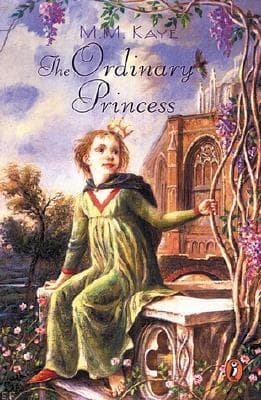
The Ordinary Princess cover
Archivist's Choice

The Ordinary Princess

M.M. Kaye (2002)

Genre

Fantasy / Children's / Young Adult / Romance

Reading Time

90 min

Key Themes

See below

Track Your Reading

Sign in to track this book

Gifted with ordinariness in a world of enchanted princesses, Amy flees a forced marriage only to discover that true magic lies not in royal beauty, but in finding an equally un-extraordinary prince while working as a kitchen maid.

Synopsis

Princess Amethyst Alexandra Augusta Araminta Adelaide Aurelia Anne, or Amy, is the seventh princess of Phantasmorania. Unlike her six beautiful and talented older sisters, Princess Amy receives the gift of 'Ordinariness' at her christening from the Fairy Malicia. This gift makes Amy plain-looking with brown hair and freckles. It also gives her a preference for adventures and practical pursuits over typical royal accomplishments like playing the harp or embroidery. As Amy grows up, her parents struggle to marry her off, as no prince wants an ordinary princess. When many princes come to court, each finding fault with Amy's ordinariness, she decides to run away. She easily escapes the palace; her ordinariness acts as a perfect disguise. She finds work as the fourteenth assistant kitchen maid in the neighboring kingdom of Periwinkle. There, she meets Peregrine, an equally ordinary and kind prince who also prefers a simple life and outdoor adventures. They share a secret friendship and growing affection. A royal hunt and a chance encounter with the Fairy Malicia reveal their true identities to each other and their families. Amy and Peregrine's shared 'ordinariness' leads them to a truly royal match and a happy, unpretentious 'ever after,' proving that being ordinary can be the most extraordinary gift of all.
Reading time
90 min
Difficulty
Easy
Pacing
Moderate
Mood
Whimsical, Charming, Heartwarming, Humorous
✓ Read this if...
You love classic, charming fairy tales with a humorous twist and a strong, relatable heroine who redefines royalty.
✗ Skip this if...
You prefer dark, complex fantasy worlds or stories without a clear, traditional happy ending.

Plot Summary

A Most Unusual Gift

Princess Amethyst Alexandra Augusta Araminta Adelaide Aurelia Anne, or Amy, is the seventh daughter of the King and Queen of Phantasmorania. At her christening, the royal family and court gather for the blessings of the fairies. Six fairies bestow traditional gifts like Beauty, Grace, Wit, and Charm upon her older sisters. However, the seventh fairy, the Bad-Tempered Fairy, whose name is Dulcibelle, bestows upon Amy the gift of 'Ordinariness.' This gift causes great concern among the royal family, as Amy grows up to be a perfectly ordinary girl with brown hair, freckles, and a love for climbing trees and exploring, rather than typical princess pursuits like embroidery and harp-playing. Her ordinariness makes her unusual in the perpetually perfect royal household.

Growing Pains and Royal Expectations

As Amy matures, her ordinariness becomes a problem for her parents, the King and Queen. While her six older sisters are beautiful, each with a unique talent and destined for a splendid marriage, Amy remains plain and unconventional. She prefers comfortable clothes to elaborate gowns and finds lessons in deportment, dancing, and harp-playing tedious. Her adventurous spirit and love for the outdoors clash with the rules of royal life. Her parents, especially the Queen, are frustrated by her inability to conform to the expected image of a princess, fearing she will never make a suitable match or bring honor to the kingdom of Phantasmorania.

The Parade of Princes

When Amy reaches marriageable age, her parents grow desperate to find her a suitor. They host royal balls and invite eligible princes from neighboring kingdoms. However, each prince who meets Amy is unimpressed by her ordinary appearance and unconventional demeanor, or she finds them equally unappealing. Prince Gruffanuff of the North, for example, is pompous, while Prince Marvellous of the South is too focused on his own reflection. Amy deliberately acts in un-princess-like ways, such as yawning during a dance or expressing disinterest in their boasts, effectively scaring off every potential suitor, much to her parents' chagrin and the court's amusement.

A Royal Escape

The constant pressure to marry and conform to an ideal she despises becomes unbearable for Amy. After another failed attempt at a royal match, her parents threaten to send her to the Royal Academy for the Daughters of Kings, a finishing school she dreads. Feeling trapped and misunderstood, Amy decides to run away. She packs a small bag, dons a simple cloak, and, using her knowledge of the palace's secret passages and her ordinary appearance, slips out unnoticed into the night. Her escape is easy, as her 'ordinariness' makes her unremarkable enough to blend in.

A New Life as a Kitchen Maid

Amy wanders for several days, enjoying the freedom of the open road and the anonymity her ordinariness provides. She eventually arrives in the kingdom of Pergamonia and, seeking employment, presents herself at the royal palace. Her plain appearance and practical nature make her an ideal candidate for a humble position. She is hired as the fourteenth assistant kitchen maid, a role far removed from her royal upbringing. She enjoys the simple, honest work, the camaraderie of the other kitchen staff, and the feeling of being truly useful. She adopts the name 'Amy Smith' to further hide her true identity, enjoying her new, ordinary life.

The Ordinary Prince

While working in the kitchens of Pergamonia, Amy frequently crosses paths with a young man who also seems out of place in a royal setting. He is often found in the stables, gardens, or helping with various odd jobs, always dressed in simple, practical clothes. Like Amy, he has an unassuming charm and a kind demeanor. He seems to prefer the company of animals and the outdoors to courtly affairs. His name is Peregrine, and he is just as 'ordinary' in appearance and temperament as Amy, with sandy hair and a friendly smile. They develop a comfortable, easy friendship, sharing jokes and quiet moments away from the palace bustle, neither knowing the other's true identity.

A Shared Secret and Growing Affection

Amy and Peregrine's friendship deepens as they spend more time together. They discover a shared love for exploring the palace grounds, finding hidden nooks, and enjoying the simple pleasures of nature. They confide in each other, though neither reveals their royal lineage. Amy finds herself drawn to Peregrine's genuine kindness, his wit, and his lack of pretense — qualities she rarely found in the princes she was forced to meet. Peregrine, in turn, is captivated by Amy's independent spirit, her practical nature, and her refreshing honesty. Their mutual 'ordiness' creates a bond that feels natural and deeply comforting to both of them, leading to a quiet, undeniable affection.

The Royal Hunt and a Moment of Truth

A grand royal hunting party is organized in Pergamonia, attended by the King and Queen of Pergamonia, and a visiting Prince from a neighboring kingdom. During the hunt, a wild boar charges, endangering the Queen of Pergamonia. Peregrine, demonstrating unexpected bravery and skill, quickly intervenes, saving her. His heroic act, coupled with his familiarity with the forest, makes the King and Queen realize he is no ordinary stable boy. At the same time, Amy, who had been observing from a distance, is recognized by a visiting courtier from Phantasmorania who had been part of one of her earlier suitor parades. The revelation of Peregrine as Prince Peregrine and Amy as Princess Amethyst stuns everyone, especially each other.

The Fairy's Return

After their identities are revealed, the Bad-Tempered Fairy, Dulcibelle, unexpectedly appears. She explains that her gift of 'Ordinariness' was not a curse but a blessing. She clarifies that true ordinariness is not about being plain or dull, but about being genuine, practical, and true to oneself, free from the superficial demands of royalty. She reveals that Peregrine also received a similar gift from her years ago, which is why he, too, grew up to be an 'ordinary' prince who valued substance over show. Dulcibelle emphasizes that their shared ordinariness allowed them to find each other, recognizing true worth beyond outward appearances and royal titles.

A Truly Royal Match

With their true identities known and the fairy's explanation shedding new light on their unique qualities, Amy and Peregrine are free to openly acknowledge their feelings. They realize that their shared 'ordiness' is precisely what makes them perfect for each other. They propose to each other, not out of duty or political alliance, but out of genuine love and mutual respect. Their parents, initially surprised, quickly accept and even celebrate this unconventional match. The King and Queen of Phantasmorania are overjoyed that Amy has found happiness, and the King and Queen of Pergamonia are delighted that their son has chosen a partner who understands and complements him so well. They plan a wedding that, while royal, reflects their practical and unpretentious natures.

A Happy, Ordinary Ever After

Amy and Peregrine marry in a joyful ceremony that, while fitting for royalty, is less ostentatious than what might be expected of other princesses. They rule the kingdom of Pergamonia together, proving to be wise, practical, and beloved monarchs. They prioritize the well-being of their people, focusing on sensible governance rather than grand displays of wealth or power. Their reign is marked by stability, common sense, and genuine care for their subjects. They live a happy and fulfilling life, showing that 'ordiness,' when coupled with kindness and integrity, can be the most extraordinary gift of all, leading to a truly content 'happily ever after' for the Ordinary Princess and her Ordinary Prince.

Principal Figures

Princess Amethyst Alexandra Augusta Araminta Adelaide Aurelia Anne (Amy)

The Protagonist

Amy transforms from a frustrated, misunderstood princess trapped by expectations into a self-assured, independent woman who embraces her unique qualities and finds a partner who loves her for who she truly is.

Prince Peregrine

The Love Interest / Deuteragonist

Peregrine, initially a seemingly unremarkable prince, reveals his true worth and bravery, finding a partner who truly understands and complements him.

The Bad-Tempered Fairy (Dulcibelle)

The Supporting / Catalyst

Dulcibelle's 'bad-tempered' nature is subverted, as her actions are revealed to be benevolent and wise, guiding the protagonists to their true destiny.

The King of Phantasmorania

The Supporting

He evolves from a king worried about appearances to one who values his daughter's genuine happiness above all else.

The Queen of Phantasmorania

The Supporting

She begins as a mother overly concerned with appearances and societal expectations, eventually accepting and celebrating her daughter's unique path to happiness.

The Six Older Sisters

The Mentioned / Supporting

They remain largely static, serving as a backdrop against which Amy's journey unfolds.

The Royal Staff of Pergamonia (Kitchen Staff)

The Supporting

They serve as static characters who provide Amy with a temporary haven and a taste of ordinary life.

The Suitor Princes

The Mentioned / Antagonistic (minor)

They remain static, representing the conventional expectations and superficiality that Amy rejects.

Themes & Insights

The Value of Ordinariness and Authenticity

The main theme of the story is that 'ordinariness' is not a flaw but a blessing. Amy's gift allows her to be genuine, practical, and true to herself, rather than conforming to superficial royal expectations. Her plain appearance and independent spirit enable her to escape her gilded cage and experience life authentically. Her lack of pretension and her down-to-earth nature allow her to connect with Prince Peregrine, who shares similar values. The story argues that true worth and happiness come from within, not from external beauty or status. This is clear when the Bad-Tempered Fairy explains that her gift was meant to free Amy from the 'burdens of beauty and fame.'

For the gift of ordinariness, if you use it properly, will bring you more happiness than all the beauty, wit, and charm in the world.

The Bad-Tempered Fairy (Dulcibelle)

Challenging Societal Expectations and Gender Roles

The novel subtly critiques traditional fairytale tropes and rigid societal expectations placed upon princesses. Amy consistently defies the expectations of her royal parents and court, rejecting lessons in traditional 'feminine' accomplishments like embroidery and harp-playing in favor of climbing trees and exploring. She actively sabotages her own arranged marriages because the princes are superficial or unappealing. Her decision to run away and become a kitchen maid is an act of self-determination, breaking free from a life dictated by others. This theme is reinforced by Prince Peregrine, who also avoids typical princely pursuits, showing that both genders can be constrained by expectations.

She much preferred climbing trees to playing the harp, and running wild in the gardens to doing tapestry work.

Narrator

Finding True Love and Companionship

The story explores the idea that true love is based on genuine connection, mutual respect, and shared values, rather than superficial attractions or dynastic arrangements. Amy and Peregrine fall in love when they are both disguised as 'ordinary' people, unaware of each other's royal status. Their shared 'ordiness' allows them to see and appreciate each other's true character, kindness, and practical nature. Their relationship develops naturally through shared experiences and genuine affection, contrasting sharply with the forced, superficial interactions Amy had with her previous suitors. Their bond shows the importance of finding a soulmate who understands and accepts one's true self.

He was just as ordinary as she was, and quite as nice, and she loved him very much indeed.

Narrator

Freedom and Self-Determination

Amy's journey is about seeking freedom and the right to determine her own life. She feels stifled by the rigid protocols of the Phantasmorania court and the constant pressure to marry a prince she doesn't love. Her act of running away is a powerful assertion of her desire for autonomy. As a kitchen maid, she experiences true freedom for the first time — the freedom to work, to choose her own path, and to live unburdened by her royal title. This freedom ultimately allows her to meet Peregrine and make a choice of love and partnership on her own terms, showing that true happiness often requires breaking free from imposed constraints.

She wanted to be free. Free to choose her own life, free to be herself, free to be just ordinary Amy.

Narrator

Plot Devices & Literary Techniques

The Fairy Godmother's Gift/Curse

A magical blessing that initially appears to be a curse, driving the plot.

The 'gift of Ordinariness' bestowed by the Bad-Tempered Fairy (Dulcibelle) is the central plot device. At first, it appears to be a curse, making Amy a disappointment to her family and seemingly hindering her prospects. However, it is revealed to be a blessing that allows Amy to escape royal expectations, find genuine experiences, and ultimately connect with a like-minded individual. This device creates the initial conflict and drives Amy's motivations, as well as providing the unique premise of the story. It subverts the traditional fairy tale trope of a magical gift leading to beauty or power, instead leading to authenticity.

Disguise and Hidden Identity

Characters conceal their true royal status to live ordinary lives.

Both Princess Amy and Prince Peregrine adopt disguises and hide their royal identities to escape the pressures of their birth. Amy becomes 'Amy Smith,' a kitchen maid, while Peregrine, despite being a prince, lives a largely unprincely life, often found in the stables or gardens. This device allows them to interact as equals, stripped of their titles and the expectations that come with them. It facilitates their genuine connection, as they fall in love with each other's true selves rather than their royal status, highlighting the theme of authenticity.

Foil Characters

Characters whose contrasting traits highlight the protagonist's unique qualities.

Amy's six older sisters and the various suitor princes serve as foil characters. Her sisters, with their conventional beauty and grace, highlight Amy's 'ordiness' and independent spirit. The superficial and boastful suitor princes contrast sharply with Prince Peregrine's genuine kindness and practicality, emphasizing why Amy rejects them and is drawn to Peregrine. These foils effectively demonstrate the societal expectations Amy is rebelling against and underscore the value of her unique characteristics and choices.

Critical analysis

Notable Quotes

There was once a King and Queen who had ten beautiful daughters. And they were all beautiful, that is, except the youngest, who was called Amethyst and who was, to put it mildly, a very ordinary princess.

Opening lines, introducing Princess Amethyst.

The only thing was that she had been christened by a fairy, and the fairy had given her the gift of being ordinary. A very rare gift indeed, though no one, least of all Amethyst's parents, appreciated it.

Explaining the origin of Amethyst's 'ordinariness'.

A princess should be beautiful, graceful, clever, charming, and accomplished. Amethyst was none of these things. She was just... ordinary.

Description of Amethyst compared to societal expectations for a princess.

The trouble with being ordinary was that nobody noticed you. And if nobody noticed you, you couldn't get into trouble. Which was, Amethyst sometimes thought, a pity.

Amethyst reflecting on the downsides and upsides of her ordinariness.

She was so ordinary, in fact, that her parents decided to send her away, disguised as a common girl, to try and find a prince who wouldn't notice her lack of extraordinary qualities.

The king and queen's desperate plan for Amethyst's future.

It was a wonderful thing, she discovered, to be able to do ordinary things, like run and climb trees and get dirty, without anyone gasping in horror.

Amethyst experiencing freedom after leaving the palace.

He looked at her, really looked at her, as if she were a person and not just a princess.

Amethyst's first impression of Prince Peregrine.

Peregrine, on the other hand, was not at all handsome. He had a pleasant, open face, with kind eyes, and a cheerful smile, and Amethyst thought him the most charming person she had ever met.

Amethyst's assessment of Prince Peregrine's appearance and character.

The best kind of magic, she decided, was the kind that made ordinary things extraordinary.

Amethyst musing on the nature of magic and happiness.

She had always thought that being a princess was a burden, but now she realized that being herself, whoever that was, was the real adventure.

Amethyst's growing self-awareness and acceptance.

And the Prince, who was not at all extraordinary himself, found her entirely captivating precisely because she was so utterly, wonderfully ordinary.

Peregrine's feelings for Amethyst, highlighting their compatibility.

It isn't what you are, but who you are, that matters.

A central theme of the story, often implied through the characters' journeys.

And they lived happily ever after, not because they were special, but because they understood that being ordinary, when shared with the right person, was the most special thing of all.

The concluding sentiment of the story.

Quiz

Test Your Knowledge

Ready to see how well you understood this book? Take our interactive quiz with 10 questions.

10
Questions
~5
Minutes
?
Best Score

Key Questions (FAQ)

Princess Amy receives the gift of Ordinariness from the fairy godmother, which makes her plain with brown hair and freckles, unlike her stunningly beautiful sisters. This gift allows her to blend in and be inconspicuous, enabling her to pursue adventures and avoid the typical royal expectations placed on princesses.

About the author