BookBrief
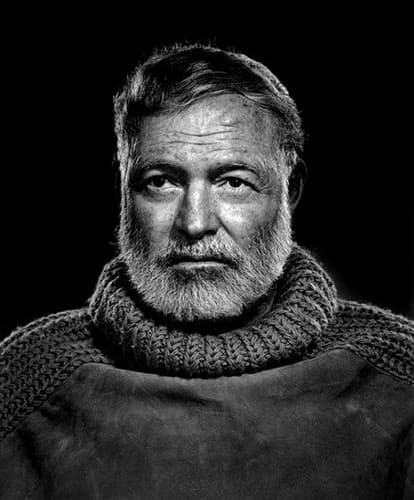
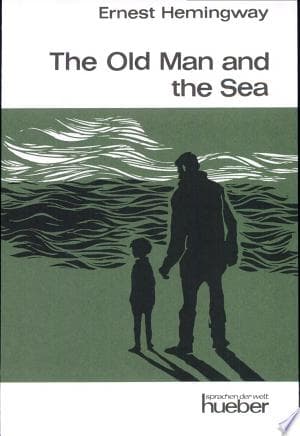
The Old Man and the Sea cover
Archivist's Choice

The Old Man and the Sea

Ernest Hemingway (1952)

Genre

Literary Fiction

Reading Time

120 min

Key Themes

See below

Track Your Reading

Sign in to track this book

A Cuban fisherman's long struggle with a giant marlin becomes a story of endurance and dignity, now retold for young adults with illustrations, phonetic guides, and writing prompts in Traditional Chinese.

Synopsis

Santiago, an old Cuban fisherman, has gone 84 days without catching a fish. Other fishermen call him 'salao' (unlucky). Manolin, his young apprentice, is not allowed to fish with Santiago by his parents and works on a more successful boat. Still, Manolin visits Santiago every night, bringing him food and talking about baseball, especially their shared hero, Joe DiMaggio. On the 85th day, Santiago decides to go far out into the Gulf Stream, past where other fishermen go, believing his luck will change. Far at sea, Santiago hooks a huge marlin, bigger than any he has seen. A long struggle begins, lasting two days and two nights. Santiago battles the fish's great strength, dealing with pain, tiredness, and being alone on the ocean. He respects the marlin, seeing it as a worthy opponent. Finally, after much effort, Santiago harpoons the marlin, killing it. He ties the big fish to the side of his boat because it is too large to bring inside, and starts the long trip back to shore. However, the marlin's blood attracts sharks. Santiago fights off several waves of sharks, using his harpoon, a knife tied to an oar, and then a club. Despite his efforts, the sharks eat the marlin, leaving only its skeleton, head, and tail by the time he reaches the harbor. Tired and beaten, Santiago returns to his shack and sleeps deeply, dreaming of lions on an African beach. The other fishermen are surprised by the size of the marlin's skeleton, and Manolin, seeing Santiago's suffering, promises to fish with him again, no matter what his parents say, and to learn from him, showing their strong bond.
Reading time
120 min
Difficulty
Easy
Pacing
Moderate
Mood
Reflective, Solemn, Resilient, Hopeful
✓ Read this if...
You appreciate stories of human perseverance against nature, allegories about life and struggle, or a classic, concise narrative that explores themes of defeat, dignity, and the human spirit.
✗ Skip this if...
You prefer fast-paced plots with multiple characters and complex subplots, or if you dislike stories with a melancholic tone and an ultimately bittersweet resolution.

Plot Summary

Eighty-Four Days Without a Fish

Santiago, an old Cuban fisherman in a small village near Havana, is called 'salao' — the worst kind of unlucky — by many other fishermen. For eighty-four days in a row, he has come back to shore with an empty boat or only a few small fish. His only real friend and helper, a young boy named Manolin, has been told by his parents not to fish with Santiago because of the old man's bad luck. Even so, Manolin stays loyal, bringing Santiago food, helping him carry his gear, and talking about baseball, especially their shared admiration for Joe DiMaggio. Santiago, though physically weak, keeps a strong spirit and a deep connection to the sea, believing his luck will soon change.

Setting Out for the Deep Sea

On the eighty-fifth day, Santiago decides to go farther out than usual, past the coastal waters where other fishermen usually stay. He wakes early, before dawn, and Manolin helps him get his boat ready, giving him fresh bait and coffee. Santiago tells Manolin he will be fine and feels sure he will catch a great fish. He rows out into the dark, calm sea, leaving the lights of Havana behind. As he rows, he watches the natural world around him — flying fish, birds, and the changing currents — feeling a strong sense of belonging and hope. He sets his lines at different depths, hoping to attract a large catch.

The Strike of the Great Marlin

Around noon, one of Santiago's deep lines gets a strong tug. He knows right away that it is a huge fish, much bigger than anything he has met before. The fish starts pulling the boat steadily northward, away from land. Santiago cannot pull it in; he can only hold on to the line, bracing it against his back and shoulders, feeling great pain. He realizes it is a giant marlin and feels both respect and determination. The struggle is quiet, a test of wills between man and fish. Santiago wishes Manolin were with him to help, but he stays firm, knowing he must face this challenge alone.

A Day and Night at Sea

The marlin keeps pulling the boat for the rest of the day and through the night. Santiago's hands are cut and stiff from holding the line, and his back and shoulders hurt badly. He eats a raw tuna he caught earlier to keep going, thinking about his past strength and the things he learned when he was young. He talks to the marlin, showing his admiration and his will to kill it. He also talks to himself, giving himself encouragement and ideas. He sees two porpoises playing, which he thinks is a good sign. The stars appear, and he uses them to steer, keeping his course as the fish pulls him deeper into the open ocean.

The Marlin's First Appearance

As the second day starts, the marlin finally comes to the surface, letting Santiago see his opponent fully for the first time. The fish is enormous, longer than Santiago's boat, with a beautiful purple color and a sword-like bill. Santiago is amazed by its beauty and size, feeling a deep bond and respect for the creature. He thinks, 'He is a great fish and he must have been a great fish for a long time.' The sight gives him energy, even as his pain grows. He renews his resolve, knowing he is in a battle of equals, a fight for survival and honor against a worthy opponent.

The Final Struggle and Kill

On the third day, the marlin starts to circle the boat, showing it is getting tired. Santiago, equally tired and suffering from extreme thirst, hunger, and muscle cramps, must use all his remaining strength. He uses his last bit of energy to pull the line, slowly bringing the marlin closer. As the fish circles, Santiago carefully moves his boat and, with a final, desperate push, plunges his harpoon into the marlin's heart. The great fish makes one last, powerful leap, showing its huge size again, before dying and turning belly up in the water. Santiago is overcome with tiredness but also a deep sense of success and sadness.

Towing the Great Fish Home

The marlin is too large to fit inside the boat, so Santiago ties it tightly to the side of his boat, making sure its head and tail are above the water. He raises the sail, using the wind to help him go home. The journey is slow and hard; the huge fish drags the boat down a lot. Santiago is proud of his catch but also very tired. He thinks about the fish's greatness and his own endurance. He guesses the marlin's weight and imagines how much awe it will cause when he finally brings it to market, hoping to prove his worth to the other fishermen and to himself.

The First Shark Attack

About an hour after killing the marlin, the first shark appears — a large mako, drawn by the blood trail. Santiago, seeing the danger to his prize, gets ready to fight. He uses his harpoon, hitting the mako directly in the brain. The shark is killed, but not before it takes a large piece out of the marlin's side. Santiago is saddened by the loss but feels a surge of anger and new resolve to protect what is left of his catch. He knows more sharks will come and feels a sense of dread about the fight ahead, but he will not give up.

Relentless Shark Attacks

As night falls, two shovel-nosed sharks attack at the same time. Santiago fights them off with his harpoon, but he loses the weapon when one of the sharks takes it. He then ties his knife to an oar, making a makeshift spear. More sharks, a group of galanos, arrive. Santiago battles them fiercely, hitting them repeatedly, but they do not stop. Each attack leaves more of the marlin eaten, and Santiago's strength fades. He feels a deep sadness and anger as he watches his magnificent catch being destroyed, regretting how little his efforts matter against the great power of nature.

The Marlin's Demise

By the time Santiago reaches the shallower coastal waters, the marlin has been almost entirely eaten by the sharks. Only the huge skeleton, head, and tail remain, tied to the side of his boat. He is completely exhausted, his hands cut badly, and his spirit heavy with defeat, yet also with a strange sense of calm. He has fought his battle, and though the physical prize is lost, his resolve and courage remain. He rows into the harbor, the skeletal remains of the marlin showing his great struggle. He beaches his boat and, with great difficulty, goes back to his shack, falling into sleep.

Manolin's Devotion and Santiago's Rest

The next morning, other fishermen gather around Santiago's boat, amazed by the huge skeleton of the marlin, understanding the incredible thing Santiago had done. Manolin, very worried, goes to Santiago's shack and finds him asleep, dreaming of lions on an African beach. He sees the old man's scarred hands and his deep tiredness. Manolin cries, filled with emotion. When Santiago wakes, Manolin brings him coffee and tells him he will fish with him again, no matter what his parents say. He promises to learn from Santiago and help him, strengthening their bond and Santiago's lasting place as a great fisherman.

Principal Figures

Santiago

The Protagonist

Santiago starts as a 'salao' fisherman, seemingly defeated by age and bad luck, but through his epic battle with the marlin, he reaffirms his strength, skill, and spiritual connection to the sea, regaining his self-worth and the respect of his community.

Manolin

The Supporting

Manolin's devotion to Santiago deepens as he witnesses the old man's epic struggle, solidifying his commitment to learn from and support Santiago, ultimately promising to fish with him again.

The Marlin

The Antagonist/Symbolic

The marlin is caught and killed, but its spirit and the scale of its existence leave an indelible mark on Santiago, symbolizing a victory of spirit even in its physical destruction.

The Sharks

The Antagonists

The sharks' relentless attacks lead to the destruction of Santiago's physical prize, underscoring the theme that true victory lies not in the material gain but in the struggle itself.

Pedrico

The Supporting

Pedrico's role is static, serving as a minor character who benefits from Santiago's catch.

Martin

The Supporting

Martin's role is static, providing a setting for Santiago's interactions with Manolin and the community.

Joe DiMaggio

The Mentioned

DiMaggio's influence is static, serving as a constant source of inspiration and a benchmark for resilience.

The Lions

The Symbolic

The lions consistently appear in Santiago's dreams, representing an enduring aspect of his inner self and a peaceful escape from his arduous reality.

Themes & Insights

Man vs. Nature

This theme looks at the complicated relationship between people and the natural world. Santiago fights a life-or-death battle with the marlin, yet he deeply respects and even loves the fish. He sees its greatness and feels he is part of the same natural order. However, nature also shows uncaring, destructive forces in the sharks, which eat his prize. The theme shows both the amazing beauty and the harsh indifference of nature, and where humans fit in it, not as rulers, but as participants.

“Man is not made for defeat,” he said. “A man can be destroyed but not defeated.”

Santiago

Perseverance and Endurance

Santiago's eighty-four days without a fish, followed by his three-day battle with the marlin and his fight against the sharks, show great perseverance. Despite much physical pain, tiredness, and sadness, he never quits. His mental strength lets him push past his limits, enduring hunger, thirst, and the fish's constant pull. This theme highlights the human spirit's power to handle hard times and to find meaning in the struggle itself, no matter the final result. His refusal to give up defines his character.

“But man is not made for defeat,” he said. “A man can be destroyed but not defeated.”

Santiago

Pride and Humility

Santiago deals with his pride in his fishing skill and the humility caused by his old age and bad luck. He wants to prove himself to the other fishermen and to Manolin, but more importantly, to himself. His pride drives him to go far out and to fight without stopping. Yet, he also recognizes his limits and the marlin's sheer power, showing respect for his opponent. The loss of the marlin to the sharks tests his pride, but his inner victory is in the effort, not the physical reward, showing a complex understanding of true pride.

“I have no luck anymore. But I have brain. And I have hands.”

Santiago

Friendship and Loyalty

The strong bond between Santiago and Manolin is a main part of the story. Manolin's steady loyalty, even when he is not allowed to fish with Santiago, gives the old man emotional support, practical help, and a renewed sense of purpose. Their relationship goes beyond age and situation, built on mutual respect, admiration, and love. Manolin's dedication at the end, promising to fish with Santiago again, shows the theme's importance, suggesting that human connection and care are necessary for dealing with life's difficulties and finding meaning.

“There are many good fishermen and some great ones. But there is only one like you.”

Manolin

The Code Hero

Santiago shows Hemingway's idea of the 'code hero' — a character who faces life's challenges with calm under pressure, quiet strength, and a strong personal code of honor. He handles suffering without complaining, keeps his dignity when defeated, and finds meaning in the struggle itself. His actions are guided by honesty and a firm commitment to his work, even when things are against him. This theme celebrates individual strength, courage, and resilience as the true measure of a person, regardless of outside success or failure.

“I'll stay with him until I am dead.”

Santiago

Plot Devices & Literary Techniques

Symbolism of the Marlin

Represents the ideal, the unattainable goal, and nature's majesty.

The marlin is not just a fish; it symbolizes the ultimate, magnificent prize that Santiago seeks. It represents the peak of nature's power and beauty, an adversary worthy of Santiago's greatest effort. Its immensity and nobility elevate Santiago's struggle from a simple fishing trip to an epic battle. When it is destroyed by the sharks, it emphasizes that the value lies in the pursuit and the struggle, not necessarily the material possession of the prize, highlighting the transient nature of external victories.

Symbolism of the Sharks

Represent the destructive, indifferent forces of nature and the futility of human effort.

The sharks symbolize the relentless, predatory, and ultimately indifferent forces of nature that can undo human endeavor. They are not evil, but simply act on instinct, destroying Santiago's prize without malice. They represent the cruel reality that even the most heroic efforts can be nullified by circumstances beyond human control. Their systematic destruction of the marlin underscores the theme that material success can be fleeting, and true victory often resides in the spirit of the struggle itself.

Symbolism of the Lions

Represent lost youth, innocence, and a peaceful, powerful past.

Santiago's recurring dreams of lions playing on an African beach are a powerful symbol of his past, his youth, and a time of peace and strength. The lions are depicted as playful and majestic, not threatening. These dreams offer a stark contrast to his arduous present, serving as a mental refuge and a connection to a more innocent, powerful version of himself. They represent an internal state of grace and a longing for a simpler, more harmonious existence, reinforcing his deep connection to the natural world.

The Code Hero

A character archetype embodying grace under pressure, stoicism, and personal honor.

Santiago is a quintessential example of Hemingway's 'code hero.' He adheres to a strict personal code of conduct, facing extreme adversity with dignity, courage, and quiet determination. Despite immense pain and the eventual loss of his catch, he never complains or gives up. His self-reliance, respect for his adversary, and unwavering commitment to his craft define his heroism. This device emphasizes the importance of how one faces life's challenges, rather than the outcome, as the true measure of character.

Internal Monologue

Reveals Santiago's thoughts, wisdom, and struggle.

Much of the story is conveyed through Santiago's internal monologue, as he talks to himself, the fish, and the birds. This device provides deep insight into his character, his profound wisdom, his philosophical reflections on life and death, and his raw struggle. It allows the reader to experience his pain, his determination, and his deep connection to the natural world directly, making the solitary battle feel intimate and profound. It builds empathy and reveals the complexity of his inner world.

Critical analysis

Notable Quotes

Quiz

Test Your Knowledge

Ready to see how well you understood this book? Take our interactive quiz with 10 questions.

10
Questions
~5
Minutes
?
Best Score

Key Questions (FAQ)

"The Old Man and the Sea" is a novella by Ernest Hemingway about an aging Cuban fisherman named Santiago who, after 84 days without catching a fish, ventures far into the Gulf Stream. He hooks a giant marlin and endures an epic struggle over several days to bring it in, showcasing his resilience, skill, and profound connection to the natural world.

About the author

Ernest Hemingway

Ernest Miller Hemingway was an American novelist, short-story writer, and journalist. His economical and understated style—which included his iceberg theory—had a strong influence on 20th-century fiction, while his adventurous lifestyle and public image brought him admiration from later generations. Hemingway produced most of his work between the mid-1920s and the mid-1950s, and he was awarded the 1954 Nobel Prize in Literature. He published seven novels, six short-story collections, and two nonfiction works. Three of his novels, four short-story collections, and three nonfiction works were published posthumously. Many of his works are considered classics of American literature.