“She was a child, and innocent; and heaven in its mercy had willed that she should die.”
— Reflecting on Little Nell's death.


Charles Dickens (1800)
Genre
Historical Fiction
Reading Time
10-12 hours
Key Themes
See below
Sign in to track this book
A selfless young girl and her sick grandfather escape across Victorian England, pursued by a grotesque moneylender, in a story of lost innocence and strong devotion.
Little Nell Trent, a virtuous young girl, lives in London with her eccentric grandfather in his old curiosity shop. The shop is full of unusual objects, reflecting the grandfather's reclusive nature. Nell is devoted to her grandfather, who seems to return her affection, though he hides a secret: a compulsive gambling addiction. He believes he can secure Nell's future by winning a fortune, but he is losing everything. This hidden habit leaves Nell to manage the shop and care for him, often feeling isolated and burdened by his mysterious disappearances at night.
Daniel Quilp, a grotesque and evil dwarf, is the main villain. He is a moneylender who holds the grandfather's many debts. Quilp enjoys tormenting others and sees the grandfather's financial ruin as a chance for cruel amusement and profit. He often visits the shop, his presence casting a shadow over Nell and her grandfather. Quilp uses Sampson Brass, a crooked lawyer, and his equally dishonest sister, Sally Brass, to manage his affairs, further trapping the grandfather in his web of deceit and financial despair.
The grandfather's gambling debts become too large. Quilp takes legal possession of the old curiosity shop. Facing poverty and the threat of imprisonment, the grandfather and Nell decide to flee London at night. They leave their only home, starting a desperate journey through the English countryside, hoping to escape Quilp and find a peaceful place, away from the city's corrupt influence and the grandfather's addiction.
Kit Nubbles, a loyal and kind boy who worked for the grandfather, is upset by their disappearance. Mr. Garland, a kind gentleman, and his family hire Kit. Mr. Garland, along with Nell's brother, Frederick Trent, and later, the bachelor Mr. Abel Garland, begin a search for Nell and her grandfather. Frederick is mainly motivated by a rumored inheritance Nell is supposed to receive, while Kit and the Garlands are driven by genuine concern for Nell's well-being and a wish to protect her from Quilp.
During their difficult journey, Nell and her grandfather meet many different characters. They briefly join a traveling puppet show, where Nell must beg, and her grandfather's gambling tendencies return. They meet Mrs. Jarley, who owns a waxworks exhibition and offers them temporary work and kindness. However, the grandfather's paranoia and recurring gambling habits eventually force them to move on. Their travels are marked by poverty, exhaustion, and Nell's constant struggle to protect her increasingly frail and confused grandfather.
Quilp, convinced that the grandfather is hiding a fortune, uses various ways to track them down. He manipulates and intimidates those who might know their whereabouts, including Kit Nubbles and the Brass siblings. His pursuit is not just for money; he enjoys the torment he inflicts and the power he holds over others. He sends agents and spies after them, making their journey full of constant fear and the knowledge that they are never truly safe from him.
Back in London, Kit Nubbles is falsely accused of theft and imprisoned, a scheme planned by Sampson and Sally Brass at Quilp's urging. They hope to remove Kit as a possible obstacle in their pursuit of Nell and the grandfather. However, the 'Marchioness,' a neglected servant girl in the Brass household, overhears their plans and eventually escapes. She tells the truth to Dick Swiveller, a wasteful but good-hearted clerk, who then works to expose the Brass siblings' treachery and clear Kit's name.
After much hardship, Nell and her grandfather find a secluded and peaceful village, far from London's industrial grime and moral decay. They find shelter in a small cottage near an old church, where Nell becomes a caretaker. The villagers are kind and welcoming, offering them a brief period of peace and stability. For a time, Nell's health seems to improve, and her grandfather's mind appears clearer, offering a glimmer of hope that they might finally find lasting comfort.
Despite the peaceful surroundings, the grandfather's mental and physical health continues to decline. His gambling obsession returns in desperate moments, causing Nell great distress. Nell, worn down by their journey, constant worry, and the strain of caring for her grandfather, becomes increasingly frail. She selflessly gives her remaining energy to comforting him, her own health suffering as she tries to shield him from their harsh situation and the lingering fear of Quilp's return.
Quilp and the Brass siblings' schemes begin to fail. Dick Swiveller, helped by the Marchioness, exposes the Brass siblings' plot against Kit. Faced with exposure and capture, Quilp tries to flee. During his escape, he drowns in the Thames, ending his terror. The Brass siblings are arrested, and Kit is cleared. These events allow the truth about Nell and her grandfather's location to finally reach those who genuinely care for them.
Guided by clues and the tireless efforts of Kit Nubbles and Mr. Garland, the search party finally finds the remote village where Nell and her grandfather have settled. They arrive full of hope, eager to bring Nell back to safety and care for her. However, their arrival is mixed with apprehension, as they have heard whispers of Nell's declining health and the grandfather's fragile state, fearing what they might find.
Sadly, just before her rescuers can reach her, Little Nell dies, exhausted by her hardships and self-sacrifice. Her death is shown with great sadness, a poignant end to her innocent suffering. Her grandfather, already frail, is devastated by her loss. He refuses to believe she is gone, sitting by her grave every day, waiting for her return, his mind broken by grief. He eventually dies, lying beside her grave, unable to live without his beloved Nell.
Afterward, the virtuous characters find their just rewards. Kit Nubbles, cleared of all charges, continues to thrive under the patronage of Mr. Garland and his family, marrying and having children. Dick Swiveller, having changed, marries the Marchioness, who grows into a respectable woman. The Brass siblings face imprisonment for their crimes. The novel ends with a sense of moral justice, where the good are rewarded and the wicked punished, though Nell's untimely death remains a sad reminder of the world's harshness.
The Protagonist
Nell endures a prolonged period of suffering and self-sacrifice, culminating in her tragic death, which serves as a poignant commentary on the vulnerability of innocence in a cruel world.
The Supporting
His mental and physical state deteriorates throughout the novel, exacerbated by his addiction and Nell's suffering, culminating in his complete breakdown and death after Nell's passing.
The Antagonist
Quilp's reign of terror continues unchecked until his schemes unravel, leading to his desperate flight and accidental death, symbolizing the ultimate triumph of justice.
The Supporting
Kit faces false accusations and imprisonment but is ultimately exonerated and rewarded for his goodness, representing the triumph of virtue and diligent effort.
The Supporting
Dick transitions from a lazy, self-indulgent clerk to a responsible and moral individual, driven by his compassion for the Marchioness and his desire for justice.
The Supporting
Brass's schemes are exposed, leading to his downfall and imprisonment, demonstrating that even clever villainy eventually faces justice.
The Supporting
Sally's manipulative nature leads to her downfall alongside her brother, as their crimes are revealed and they face the consequences of their actions.
The Supporting
From a state of extreme neglect and deprivation, the Marchioness finds kindness and a new life through Dick Swiveller, eventually marrying him and achieving respectability.
The Supporting
Mr. Garland consistently acts as a force for good, ultimately succeeding in his efforts to bring justice and care to those in need, though he cannot save Nell.
The novel shows how seeking wealth, especially through gambling and usury, corrupts people and destroys lives. The grandfather's gambling addiction leads to Nell's suffering and their ruin. Daniel Quilp embodies pure greed, driving his relentless persecution of the innocent. The Brass siblings are motivated by money to engage in legal trickery and false accusations. These characters show how money, when pursued without moral limits, can lead to moral decay and great human suffering, contrasting with the simple virtues of characters like Kit Nubbles and the Garlands.
“What is it that makes a man so much more cruel than a wild beast? What is it that makes a man so much more base than the lowest reptile? What is it that makes a man so much more vile than the vilest insect? Money.”
Little Nell is the main symbol of vulnerable innocence in a harsh world. Her purity, selflessness, and devotion to her grandfather are constantly tested by poverty, exhaustion, and the malice of characters like Quilp. Despite great suffering, Nell keeps her moral integrity and compassion. However, her death tragically shows that innocence, no matter how pure, is not always protected from the world's cruelties, highlighting the fragility of good against overwhelming evil and neglect.
“She was a child, and yet she had a soul. She was a child, and yet she had a heart. She was a child, and yet she had a mind. She was a child, and yet she had a spirit.”
Dickens uses the contrast between London and the English countryside to symbolize moral purity versus corruption. London is a place of moral decay, full of greedy moneylenders, crooked lawyers, and the desperate poor. It is where the grandfather's gambling addiction grows and where Nell first suffers. The countryside, in contrast, offers moments of peace, natural beauty, and the kindness of strangers. Nell and her grandfather's flight to the country represents a search for comfort and refuge from the city's corrupting influence, though even there, their past eventually catches up to them, suggesting that evil can affect even the most peaceful settings.
“Oh! what a world is this, when the children of the poor are driven forth to wander in the deserts of the wide, wide earth!”
The novel explores the deep impact of loyalty and betrayal on its characters. Kit Nubbles shows unwavering loyalty, tirelessly searching for Nell and her grandfather and remaining steadfast despite being framed. Dick Swiveller, initially self-serving, develops loyalty towards the neglected Marchioness, leading to his moral change. Conversely, Daniel Quilp and the Brass siblings are masters of betrayal, manipulating trust and exploiting weaknesses for their own gain. The grandfather's betrayal of Nell through his gambling, though perhaps not fully intended, is a central tragic element, showing how even those who love us can accidentally cause harm through their weaknesses.
“There are some things you may be sure of in a man, and that is, that he will always be true to himself. And there are some things you may be sure of in a man, and that is, that he will always be false to himself.”
Dickens, a master of social commentary, highlights the widespread issues of poverty and social injustice in Victorian England. The struggles of Nell and her grandfather, forced into poverty and homelessness, show the suffering of the poor. The neglect and abuse the Marchioness endures further expose the harsh realities faced by vulnerable children. The legal system, as shown by the corrupt Brass siblings, is easily manipulated by the wealthy and powerful, offering little help for the innocent. These elements emphasize Dickens's criticism of a society that often fails to protect its most vulnerable members.
“Oh, for a little light, a little comfort, a little hope, in this dark and dreary world!”
Nell and her grandfather's physical journey mirrors their spiritual and emotional decline.
The arduous journey undertaken by Nell and her grandfather after fleeing London serves as a central metaphor for their declining health, increasing desperation, and the gradual fading of hope. Each new place they visit, from the bustling city to the peaceful countryside, reflects a stage in their physical and emotional deterioration. The journey also represents a quest for safety and peace, which ultimately remains elusive for Nell, culminating in her death at the journey's end. It underscores the idea that they are forever fleeing, never truly finding a permanent haven.
The shop represents the grandfather's past, Nell's innocence, and their lost home.
The Old Curiosity Shop itself is a potent symbol. It represents the grandfather's past life, his eccentricities, and the initial, albeit fragile, security of Nell's childhood. Filled with forgotten and peculiar objects, it mirrors the grandfather's own mind and the fragmented nature of their existence. When the shop is lost to Quilp, it symbolizes the loss of their home, their stability, and Nell's innocence. The shop becomes a tangible representation of what they are forced to abandon, setting in motion their tragic journey.
Daniel Quilp's physical deformity mirrors his moral depravity.
Daniel Quilp is a classic example of a grotesque villain in Dickens's work. His physical deformity as a dwarf is directly linked to his monstrous moral character and sadistic personality. This device emphasizes his otherness and his complete lack of humanity, making him a more terrifying and memorable antagonist. His grotesque appearance reinforces the idea that his evil is inherent and profound, a visual representation of the dark forces at play in the novel and a stark contrast to Nell's angelic beauty.
The novel employs extreme emotion to evoke sympathy for its characters, particularly Nell.
Dickens utilizes pathos and sentimentality to an extreme degree, particularly in the portrayal of Little Nell's suffering and eventual death. This device aims to elicit strong emotional responses from the reader, fostering deep sympathy for Nell and outrage at the injustices she faces. While criticized by some for being overly sentimental, it effectively highlights the vulnerability of innocence and the harsh realities of poverty and exploitation in Victorian society, driving home the novel's moral message through emotional impact rather than purely rational argument.
“She was a child, and innocent; and heaven in its mercy had willed that she should die.”
— Reflecting on Little Nell's death.
“There are some people who, in a great fuss, are so busy with their own importance, that they have no time to think of anybody else.”
— Describing a certain type of person's behavior.
“The earth is a great labyrinth, and the greater part of mankind are hurrying through it, with no other end than to lose themselves.”
— A philosophical observation on human existence.
“How often we find ourselves in the company of others, yet feel utterly alone.”
— Reflecting on feelings of loneliness despite being surrounded by people.
“When the day is done, and the night is come, and all the world is still, then the heart of man may speak its mind.”
— Describing the quiet introspection of night.
“It is a world of change, and we are changing with it. The old order gives place to new, and all things pass away.”
— Observation on the transient nature of life and society.
“There are some people who, in their eagerness to assist, only make matters worse.”
— Commentary on misguided attempts at help.
“Sorrow is a great artist. It paints its pictures on the heart, and they remain there for ever.”
— Metaphorical description of the lasting impact of sorrow.
“The sun himself, though he be a god, cannot shine alike on all.”
— A comment on the unequal distribution of fortune or happiness.
“It is a matter of no small moment to be the proprietor of a curiosity shop.”
— A seemingly simple statement about owning such a shop, hinting at its complexities.
“He was a man who, if he had a fault, was too good for this world.”
— A character assessment, often used for those who are overly kind or naive.
“The face of a child is the face of a miracle.”
— Expressing the wonder and purity seen in children.
“The path to ruin is often paved with good intentions.”
— A classic proverb about how well-meaning actions can lead to disaster.
“There is nothing in the world so irresistibly contagious as laughter and good humour.”
— Highlighting the infectious nature of joy.
Ready to see how well you understood this book? Take our interactive quiz with 10 questions.
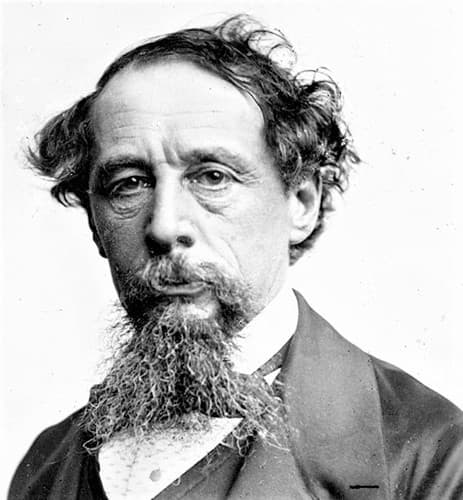
Charles John Huffam Dickens was an English writer and social critic who created some of the world's best-known fictional characters and is regarded by many as the greatest novelist of the Victorian era. His works enjoyed unprecedented popularity during his lifetime and, by the 20th century, critics and scholars had recognised him as a literary genius. His novels and short stories are widely read today.







