“'Twas the night before Christmas, when all through the house Not a creature was stirring, not even a mouse.”
— The opening lines setting the scene for Christmas Eve.

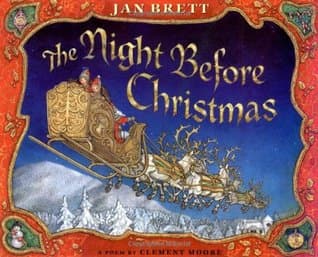
Clement C. Moore (2023)
Genre
Fantasy / Children's
Reading Time
5 min
Key Themes
See below
Sign in to track this book
On a silent, snowy Christmas Eve, a father's quiet house is magically disrupted by the arrival of a miniature sleigh, eight tiny reindeer, and a jolly, soot-covered St. Nicholas descending the chimney with a sack full of toys.
On Christmas Eve, the narrator describes the scene inside their house. All the children are in their beds, dreaming of sugar-plums. The narrator and their spouse are in their own bed. Quiet expectation fills the air as they prepare for a peaceful night. The narrator, wearing a kerchief, and their spouse, in a cap, have just settled down for a long winter's nap, having finished their day's tasks. Suddenly, a noise from outside the window breaks the quiet, waking the narrator.
When the narrator hears the unexpected noise, they jump out of bed to see what it is. Tearing open the shutters and flinging wide the sash, they look out into the snowy night. To their surprise, they see a miniature sleigh and eight tiny reindeer. The sight is so sudden and magical that the narrator can barely believe it. The reindeer are lively and quick, suggesting great speed as they move through the night sky. This first look prepares for a special visitor.
The narrator quickly realizes that the tiny old driver of the sleigh must be St. Nicholas. The reindeer, guided by this skilled driver, fly directly towards the house and land on the roof. In a flash, St. Nicholas descends the chimney, arriving in the living room with a thud. His arrival is swift and unexpected, filling the room with wonder. The narrator watches in awe as this legendary figure enters, ready to deliver his Christmas gifts.
St. Nicholas is described in detail as he comes from the fireplace. He is dressed entirely in fur, from head to foot, and his clothes are dirty with ashes and soot from his trip down the chimney. He carries a bundle of toys over his back, like a peddler. His eyes twinkle, his dimples are merry, his cheeks are like roses, and his nose like a cherry. His mouth is drawn up like a bow, and his beard is as white as snow. He has a broad face and a little round belly that shakes when he laughs, like a bowl full of jelly, showing his famously jolly mood.
With a nod of his head and a quick wink of his eye, St. Nicholas shows his purpose. He speaks no word, but goes straight to his work. He quickly fills all the stockings hung by the chimney with care, likely with toys from his large bundle. His actions are swift and silent, showing his practiced routine. The narrator watches as St. Nicholas finishes his task, making sure each child will wake to find their stocking filled with surprises on Christmas morning. This moment shows his gift-giving mission.
After filling the stockings, St. Nicholas turns suddenly. With a finger placed beside his nose, and giving a nod, he signals he is ready to leave. He then goes up the chimney with surprising ease, disappearing back the way he came. Once back on the roof, he leaps into his sleigh, calls out to his team, and they take flight. The departure is as swift and magical as his arrival, leaving the narrator alone again in the quiet house, but with a heart full of wonder at what they have just seen.
As St. Nicholas and his sleigh fly away into the night sky, disappearing from view, the narrator hears his voice. He exclaims, 'Happy Christmas to all, and to all a good-night!' This farewell echoes through the frosty air, a final blessing before he continues his journey to other homes. The narrator is left with the memory of this magical visit, the sound of the sleigh bells, and the joyous wish from St. Nicholas, making the wonder and spirit of Christmas Eve real.
The Protagonist
From a sleepy parent, the narrator becomes a wide-eyed witness to a miraculous event, affirming their belief in Christmas magic.
The Central Figure
St. Nicholas arrives, delivers gifts, and departs, fulfilling his annual role as the bringer of Christmas cheer.
The Supporting
She remains asleep and undisturbed, serving as a contrast to the narrator's awakened wonder.
The Supporting
They remain sleeping throughout the narrative, their anticipation of gifts driving St. Nicholas's actions.
The Supporting
They facilitate St. Nicholas's journey, bringing him to the house and carrying him away.
The poem celebrates the magic and wonder of Christmas Eve. The sudden appearance of a miniature sleigh, flying reindeer, and a magical St. Nicholas coming down a chimney all create a strong sense of magic. The narrator's awe and the clear descriptions of St. Nicholas's special abilities and jolly mood reinforce the idea that Christmas is a time when unusual things happen. This theme encourages belief in the unseen and the joy of holiday wonder, especially from a child's view, even if an adult sees it.
“When, what to my wondering eyes should appear, / But a miniature sleigh, and eight tiny reindeer,”
A main theme is children's innocent excitement during the holiday season. The 'children were nestled all snug in their beds, while visions of sugar-plums danced in their heads,' perfectly shows the pure, hopeful dreams of children waiting for Christmas morning. Although the children are asleep, their presence and their expected joy are why St. Nicholas visits. The poem focuses on creating the magical conditions for their happiness, showing the value of childhood belief and the delight of holiday surprises.
“The children were nestled all snug in their beds, / While visions of sugar-plums danced in their heads;”
Giving is central to the poem, shown entirely by St. Nicholas. His purpose is to deliver toys and fill stockings, expecting nothing in return. He 'spoke not a word, but went straight to his work, / And filled all the stockings; then turned with a jerk.' This silent, quick, and joyful act of giving gifts shows the generosity that defines Christmas. It highlights the joy found in giving and the happiness it brings to others, especially children, reinforcing the selfless nature of holiday traditions.
“He filled all the stockings; then turned with a jerk,”
St. Nicholas himself is joy and happiness. His 'eyes—how they twinkled! his dimples how merry!' and his 'little round belly, that shook when he laughed like a bowlful of jelly!' paint a picture of pure happiness. His final 'Happy Christmas to all, and to all a good-night!' is a direct expression of holiday cheer. The poem's tone is lighthearted and happy, aiming to give the reader a sense of warmth and happiness, matching the overall happy mood of the Christmas holiday.
“He had a broad face and a little round belly, / That shook when he laughed, like a bowlful of jelly.”
Creates a rhythmic, musical quality, ideal for a children's poem.
The poem is predominantly written in rhyming couplets, following an AABB rhyme scheme (e.g., 'cap'/'nap,' 'brass'/'grass'). This consistent and predictable rhythm makes the poem highly memorable, engaging, and easy to read aloud, particularly for children. It contributes significantly to the poem's lighthearted and whimsical tone, enhancing its musicality and making it feel like a song or chant. This structure helps build anticipation and carries the reader smoothly through the narrative of St. Nicholas's visit, reinforcing its classic, sing-song quality.
Paints a clear, iconic picture of St. Nicholas and the Christmas Eve scene.
Moore uses rich and specific descriptive language to create strong visual images in the reader's mind. Phrases like 'visions of sugar-plums danced in their heads,' 'a miniature sleigh, and eight tiny reindeer,' and the detailed description of St. Nicholas's appearance ('His eyes—how they twinkled! his dimples how merry! His cheeks were like roses, his nose like a cherry!') allow readers to clearly visualize the magical events and characters. This imagery is crucial in establishing the poem's enchanting atmosphere and solidifying the iconic image of Santa Claus in popular culture.
Emphasizes the speed and power of the reindeer.
The repetition of the phrase 'More rapid than eagles his coursers they came, / And he whistled, and shouted, and called them by name' (and subsequent lines naming the reindeer) is a classic example of anaphora. This literary device builds excitement and emphasizes the incredible speed and magical nature of St. Nicholas's sleigh and reindeer. The successive naming of each reindeer, preceded by the powerful descriptor, creates a sense of momentum and reinforces the iconic image of Santa's flying team, making their arrival and departure feel grand and swift.
Engages the reader's senses to immerse them in the Christmas Eve experience.
The poem effectively uses sensory details, particularly sound and sight, to bring the narrative to life. The 'clatter' on the roof, the 'whistle' and 'shout' of St. Nicholas, and the 'jingling bells' engage the reader's auditory sense, while the visual descriptions of the 'miniature sleigh,' 'tiny reindeer,' and St. Nicholas's detailed appearance (his fur, soot, twinkling eyes, rosy cheeks) paint a vivid picture. These details immerse the reader in the experience, making the magical visit feel more tangible and immediate, enhancing the overall wonder of the story.
“'Twas the night before Christmas, when all through the house Not a creature was stirring, not even a mouse.”
— The opening lines setting the scene for Christmas Eve.
“The children were nestled all snug in their beds, While visions of sugar-plums danced in their heads.”
— Describing the sleeping children's dreams.
“When, what to my wondering eyes should appear, But a miniature sleigh, and eight tiny reindeer,”
— The narrator's first sight of Santa's arrival.
“With a little old driver, so lively and quick, I knew in a moment it must be St. Nick.”
— Identifying the driver of the sleigh as Santa.
“More rapid than eagles his coursers they came, And he whistled, and shouted, and called them by name:”
— Santa calling out to his reindeer.
“"Now, Dasher! now, Dancer! now, Prancer and Vixen! On, Comet! on, Cupid! on, Dunder and Blitzen!"”
— Santa listing his reindeer by name.
“As dry leaves that before the wild hurricane fly, When they meet with an obstacle, mount to the sky;”
— A simile describing the reindeer flying upwards.
“So up to the house-top the coursers they flew, With the sleigh full of toys, and St. Nicholas too.”
— The sleigh and Santa landing on the roof.
“And then, in a twinkling, I heard on the roof The prancing and pawing of each little hoof.”
— The narrator hearing Santa on the roof.
“He was dressed all in fur, from his head to his foot, And his clothes were all tarnished with ashes and soot;”
— Describing Santa's appearance after coming down the chimney.
“His eyes—how they twinkled! his dimples, how merry! His cheeks were like roses, his nose like a cherry!”
— Detailed description of Santa's cheerful face.
“He had a broad face and a little round belly That shook, when he laughed, like a bowlful of jelly.”
— Describing Santa's jovial physique.
“He spoke not a word, but went straight to his work, And filled all the stockings; then turned with a jerk,”
— Santa efficiently filling the stockings.
“And laying his finger aside of his nose, And giving a nod, up the chimney he rose!”
— Santa's gesture before disappearing up the chimney.
“Happy Christmas to all, and to all a good-night!”
— Santa's parting words as he flies away.
Ready to see how well you understood this book? Take our interactive quiz with 10 questions.

Clement Clarke Moore was an American poet and academic. He is best known as the author of the Christmas poem "A Visit from St. Nicholas," published in 1823, which is widely credited with shaping the modern image of Santa Claus. Moore was also a professor of Oriental and Greek literature at General Theological Seminary in New York City.







