“I was late, as usual, but the good humor of my parents was a river without end, and they would forgive me anything.”
— Art Bechstein reflecting on his relationship with his parents.

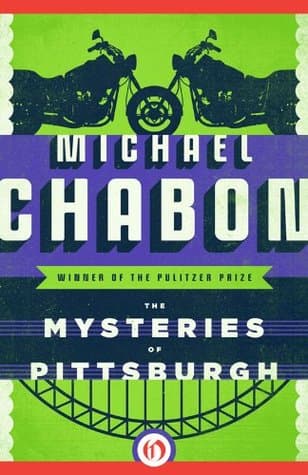
Michael Chabon (1988)
Genre
Literary Fiction
Reading Time
360 min
Key Themes
See below
Sign in to track this book
In a sweltering Pittsburgh summer, a restless college graduate navigates illicit affairs, unexpected friendships, and a burgeoning sense of self, all while trying to escape his gangster father's long shadow.
Art Bechstein, having just graduated from the University of Pittsburgh and with his mob-affiliated father expecting him to attend law school, decides to take a summer job at a used bookstore instead. He is adrift and unsure of his future. His father, a notorious figure known as 'The King of the Yiddish Maffia,' believes Art is preparing for law school, a lie Art maintains to avoid confrontation. This deception sets the tone for a summer of concealed identities and ambiguous relationships. Art's initial encounters involve a mysterious girl named Phlox, and his immediate attraction to her hints at the romantic entanglements to come, even as he grapples with his own sexual identity.
Art encounters Arthur Lecomte, a charming and reckless young man, at a restaurant. Arthur, with his charisma and dangerous edge, immediately captivates Art. Later, Art runs into Phlox Lombardi, a girl he briefly knew in college, and a tentative friendship begins. Phlox is intelligent and somewhat melancholic, drawn to Arthur's wild energy. The three begin to spend time together, forming an unconventional trio. Their interactions are marked by shared meals, late-night conversations, and a growing intimacy, though the exact nature of their relationships remains undefined and fluid, particularly for Art.
Through Arthur, Art meets Cleveland Arning, a flamboyant and openly gay man who is Arthur's former lover and close friend. Cleveland is a poet and a free spirit, living in a dilapidated mansion and hosting unconventional gatherings. Art is initially hesitant but soon finds himself drawn into Cleveland's bohemian world, which offers a stark contrast to his own sheltered upbringing. Cleveland's presence introduces Art to a more explicit exploration of sexuality and identity, challenging Art's ideas and making him confront his own desires and confusions, especially regarding his attraction to both Phlox and Arthur.
The summer progresses with Art spending more time with Phlox, Arthur, and Cleveland. He finds himself in a love triangle of sorts with Phlox and Arthur, though it is never explicitly defined. Art is attracted to Phlox, and they have several intimate moments, but he also feels a deep, unspoken connection and attraction to Arthur. Cleveland observes these dynamics with a knowing eye, sometimes offering cryptic advice. Their nights are filled with aimless drives, philosophical discussions, and reckless adventures, blurring the lines between friendship, romance, and sexual exploration for Art as he tries to understand his own feelings.
Arthur's thrill-seeking tendencies become more apparent and concerning. He is involved in minor criminal activities, such as drug dealing and petty theft, often involving a mysterious figure named Augustus. Art, despite his reservations, finds himself complicit in some of these escapades, drawn in by Arthur's charisma and a desire to be part of his world. Phlox also expresses concern for Arthur's safety. These incidents heighten the sense of danger and unpredictability surrounding Arthur, making Art question the true nature of their friendship and the path he is choosing for himself.
One memorable night, Art, Phlox, Arthur, and Cleveland visit an abandoned industrial site known as the 'Cloud Factory.' Amidst the decaying machinery and ghostly atmosphere, they share a moment of connection and vulnerability. This scene is important as it allows for a temporary suspension of their usual guardedness. Art experiences a powerful emotional and physical closeness with Arthur, solidifying his complex feelings. The Cloud Factory becomes a symbol of their shared, transient summer, a place where their hidden desires and unspoken affections momentarily surface before receding into the complexities of their lives.
Art's carefully constructed lie about attending law school begins to unravel when his father, Joe Bechstein, unexpectedly visits Pittsburgh. Joe, a man of formidable presence and a reputation as a mob enforcer, is proud of what he believes is Art's academic ambition. Art struggles to maintain the façade, feeling the weight of his father's expectations and the guilt of his deception. This encounter highlights Art's deep-seated fear of his father and his desire for independence, even as he struggles to articulate his true desires and identity to the man who has largely shaped his life.
Arthur, with Art's reluctant involvement, plans a robbery involving Augustus, a more dangerous criminal. The plan goes wrong, culminating in a violent confrontation where Arthur is injured. This event shatters the illusion of their carefree summer. Art is deeply shaken by the violence and the realization of the real dangers Arthur has been involved in. The incident forces him to re-evaluate his relationship with Arthur and the extent to which he is willing to participate in Arthur's reckless world. It marks a turning point, pushing Art towards a more mature understanding of consequences.
Following the robbery, Phlox, disillusioned by Arthur's dangerous lifestyle and the instability of their relationships, decides to leave Pittsburgh. Her departure is a blow to Art, forcing him to acknowledge the depth of his feelings for her and the potential loss of a meaningful connection. This moment of separation compels Art to reflect on the fleeting nature of their summer and the way his relationships have shaped his understanding of himself. He begins to see the necessity of making his own choices rather than simply drifting along with others' currents.
With Phlox gone and Arthur recovering, the summer begins to wind down. Art has a final, poignant encounter with Arthur, acknowledging the impact Arthur has had on him, both emotionally and sexually. He also makes a tentative peace with his father, though the full truth of his summer is never entirely revealed. Art finally begins to shed the lies and uncertainties that have defined his post-college existence. He accepts the complexities of his sexual identity and the lessons learned from his intense relationships. The ending is not a neat resolution but a hopeful step towards self-acceptance and a future of his own making.
The Protagonist
Art evolves from a passive, deceptive young man unsure of his sexual and personal identity to someone who begins to accept his true self and the complexities of his desires.
The Supporting/Love Interest
Arthur remains largely consistent in his reckless nature, serving as a dynamic force that impacts Art's development rather than undergoing a significant personal transformation himself.
The Supporting/Love Interest
Phlox moves from being entangled in the complex dynamics with Art and Arthur to making a decisive choice for her own future, seeking stability.
The Supporting
Cleveland remains a consistent, grounding, and insightful figure, providing wisdom and perspective to Art without undergoing significant personal change.
The Supporting
Joe Bechstein's character remains largely static, serving as an external force and a representation of the societal and familial expectations Art struggles against.
The Mentioned
Augustus serves a plot function, instigating conflict, and does not have a character arc.
The novel explores Art Bechstein's journey of self-discovery as he grapples with his sexual identity, his future career, and his place in the world, separate from his father's imposing legacy. Art's attraction to both Phlox and Arthur, and his inability to fully commit to either, reflects his internal confusion about who he is and who he wants to be. His summer is a period of intense thought and experimentation, where he sheds the expectations of others to begin understanding his authentic self, often through his relationships with Phlox, Arthur, and Cleveland.
“I was born to a world of lies, and I was going to find out who I was if it killed me.”
A central theme is Art's awakening to his own sexuality, particularly his bisexuality. The novel portrays a nuanced exploration of desire, attraction, and the fluidity of sexual identity, largely through Art's intense feelings for both Phlox and Arthur. Cleveland's openly gay lifestyle normalizes non-heteronormative relationships, providing Art with a broader understanding of love and connection. The physical and emotional intimacy Art shares with both men and women challenges traditional notions of sexuality, suggesting that desire is complex and not easily categorized, especially during a formative period of life.
“I was falling in love with Arthur, or at least with the idea of him, and it terrified me.”
The strained relationship between Art and his mob-affiliated father, Joe Bechstein, is a significant theme. Art constantly struggles to define himself outside his father's imposing shadow and the expectations that come with his family name. His lie about attending law school is a direct manifestation of this conflict, a desperate attempt to gain independence while still seeking his father's approval. The novel explores the burden of a parent's legacy and the difficulty of forging one's own path when a powerful figure like Joe Bechstein looms large.
“My father was a man of power, and I was his son, which meant I was also, in some way, his property.”
The complexities of human connection are explored through Art's relationships with Phlox, Arthur, and Cleveland. The novel blurs the lines between friendship, romance, and sexual attraction, showing how these bonds can be intense, transformative, and often ambiguous. Art's summer is defined by the impact these individuals have on him, challenging his understanding of loyalty, intimacy, and the various forms love can take. The narrative suggests that these formative relationships, even if transient, are important for personal growth and self-understanding.
“We were a strange constellation, spinning around each other, held by invisible forces.”
Art's summer marks a transition from youthful naivety to a more mature understanding of the world's complexities and dangers. The carefree atmosphere of early summer gives way to the harsh realities of Arthur's criminal involvement and the violence of the robbery. This shift forces Art to confront the consequences of reckless behavior and the vulnerability of those he cares about. The departure of Phlox and the end of the intense summer signal a necessary disillusionment, prompting Art to move past his passive role and take more responsibility for his own life choices.
“The summer was a dream, and like all dreams, it had to end, leaving me with the wreckage of its beauty.”
The story is told from Art Bechstein's perspective, looking back on the pivotal summer.
The entire novel is narrated by Art Bechstein, recounting the events of his post-college summer. This retrospective first-person perspective allows for Art's immediate thoughts and feelings to be conveyed, creating a deep sense of intimacy and empathy with the protagonist. It also enables Art to reflect on the significance of events and relationships after they have occurred, adding layers of insight and emotional depth to his journey of self-discovery. The retrospective nature subtly suggests that Art has gained some understanding and perspective since the summer ended.
The city of Pittsburgh reflects Art's internal state and the novel's themes of decay and transformation.
Pittsburgh itself functions as a significant symbol in the novel. Its industrial landscape, decaying factories (like the 'Cloud Factory'), and hidden corners reflect Art's own internal state of transition, uncertainty, and the shedding of old identities. The city is a backdrop for Art's aimless wanderings and his encounters with characters who embody different facets of its underground. The changing seasons of summer represent the fleeting nature of Art's experiences and the period of intense, yet temporary, personal growth he undergoes within its confines.
The complex romantic and sexual entanglements between Art, Phlox, Arthur, and Cleveland drive the emotional plot.
The intricate web of relationships between Art, Phlox, Arthur, and Cleveland is a primary plot device. This 'love triangle' (or quadrangle, considering Cleveland's past with Arthur and his role as an observer) fuels much of the emotional tension and character development. Art's divided affections and attractions force him to confront his own sexual identity and desires. The shifting dynamics between the characters, marked by jealousy, longing, and unspoken feelings, propel the narrative forward and create the central conflict of Art's internal struggle for self-understanding and belonging.
“I was late, as usual, but the good humor of my parents was a river without end, and they would forgive me anything.”
— Art Bechstein reflecting on his relationship with his parents.
“I was a good boy, a smart boy, but I was also a boy who was always looking for a way out of the good and smart.”
— Art describing his internal conflict and desire for escape.
“The past, it was a country to which you could never return, a country whose borders were always changing.”
— Art contemplating the nature of memory and change.
“There was a lot of love in the world, and a lot of loneliness, and sometimes it was hard to tell the difference.”
— Art observing the complexities of human connection.
“That summer, I was a man of leisure, a man of mystery, a man who was always on the verge of something.”
— Art reflecting on his aimless yet expectant summer.
“It was a strange kind of freedom, the freedom of having nothing to lose.”
— Art considering his circumstances and sense of liberation.
“Pittsburgh was a city of bridges, and I was always looking for a way to cross them.”
— Art's metaphorical view of Pittsburgh and his own journey.
“Everything was an adventure, even the quiet moments, even the moments when nothing was happening.”
— Art's perspective on life during his summer.
“There was a certain kind of sadness that came with knowing too much, with seeing too much.”
— Art reflecting on the burdens of awareness and experience.
“Love was a dangerous country, and I was always getting lost in it.”
— Art's view on the unpredictable nature of love.
“We were all just trying to figure things out, one way or another.”
— Art's general observation about people and life.
“The future was a dark room, and I was always fumbling for the light switch.”
— Art's uncertainty about his future.
“Sometimes the most important things were the ones you couldn't explain.”
— Art acknowledging the ineffable aspects of life and emotion.
“I was learning that the world was full of mysteries, and that some of them were meant to remain unsolved.”
— Art's realization about the complexities of life.
Ready to see how well you understood this book? Take our interactive quiz with 10 questions.
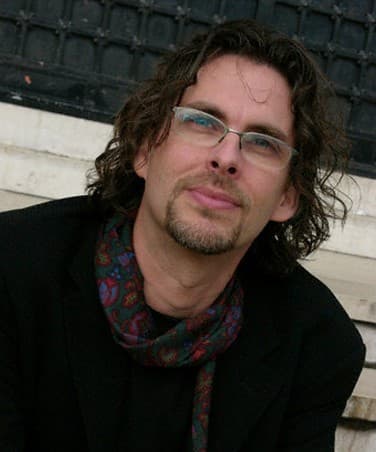
Michael Chabon is an American novelist, screenwriter, columnist, and short story writer. Born in Washington, D.C., he spent a year studying at Carnegie Mellon University before transferring to the University of Pittsburgh, graduating in 1984. He subsequently received a Master of Fine Arts in creative writing from the University of California, Irvine.







