“I want to be the first to open your shirt, your dress, your heart, your life, your soul.”
— Kemal's intense desire for Füsun.

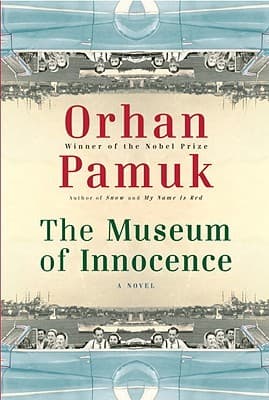
Orhan Pamuk (2009)
Genre
Historical Fiction / Romance
Reading Time
12-15 hours
Key Themes
See below
Sign in to track this book
In 1970s Istanbul, a wealthy socialite's brief affair with a shopgirl turns into an eight-year obsession. He collects items from their lost love and a past era, building a museum for his broken heart and a changing city.
In the spring of 1975, Kemal Basmacı, a wealthy Istanbul socialite, prepares for his engagement to Sibel, an elegant woman from a prominent family. While looking for a handbag for Sibel, he meets Füsün, a beautiful, poor shopgirl who is a distant relative. Despite his upcoming marriage, Kemal is immediately drawn to Füsün. Their first meetings have an unspoken tension, and Kemal likes her innocence and directness. This shopping trip starts a lasting obsession, sending Kemal on a different path from his privileged life.
After their first meeting, Kemal arranges more encounters with Füsün. He uses an empty apartment his family owns, meant for his future life with Sibel, as their secret meeting place. There, their affair becomes passionate and intense. Kemal is consumed by Füsün, feeling a happiness he has never known. He thinks about her constantly, neglecting his social duties and even Sibel. During these secret meetings, Füsün shares details of her simple life, making Kemal like her more, while he is both thrilled by their secrecy and troubled by his deception.
The day of Kemal and Sibel's engagement party arrives, and Kemal is conflicted. He goes through the motions, surrounded by Istanbul's elite, but thinks only of Füsün. The next day, he decides to break off his engagement to Sibel, believing he can now openly be with Füsün. However, when he goes to Füsün, expecting her to be happy, he finds she has disappeared. Her family, having learned of the affair, took her away, feeling ashamed and protective. This sudden loss sends Kemal into deep sadness, marking the start of his long suffering.
For a year after Füsün's disappearance, Kemal is consumed by grief and a constant search for her. He visits every possible place, asks mutual acquaintances, and falls into a state of deep sadness. He neglects his business, pushes friends away, and withdraws from society. His family, at first sympathetic, grows worried and frustrated by his obsession. During this time, Kemal begins to collect small objects that remind him of Füsün—a hair clip, a cigarette butt, a teacup—unknowingly starting his future museum. This year is a turning point, solidifying his obsessive love and setting the stage for his unique way of mourning.
After a year, Kemal finally finds Füsün. To his dismay, she is now married to Feridun, a struggling filmmaker. Despite this news, Kemal cannot give up his love. He begins a strange routine: for the next eight years, he finds reasons to visit Füsün and her family at their humble home in Nişantaşı, attending their nightly dinners. He endures the presence of Füsün's husband and her parents, silently hoping for a sign of her affection or a chance to restart their love. During these visits, he carefully watches Füsün, collecting hundreds of objects from her home—salt shakers, cigarette stubs, playing cards—each a reminder of her presence.
Driven by his wish to be near Füsün, Kemal tries to help her achieve her dream of becoming an actress. He funds Feridun's film projects, believing that by making Füsün a star, he can create situations where they might be together again. He spends time on film sets, enduring Feridun's company and the seedier parts of the Turkish film industry. This venture is less about Füsün's career and more about Kemal's constant pursuit of her. He hopes that shared ambition and closeness will rekindle her feelings for him, but these efforts mostly cause frustration and further involvement in her family's life.
One summer, Kemal, Füsün, and Feridun take a road trip across Turkey, supposedly for Feridun's film. This journey becomes a time of heightened tension and fragile hope for Kemal. During the long drives and stops, he experiences brief moments of closeness and connection with Füsün, especially when Feridun is distracted or absent. He sees her glances and gestures as signs that her feelings for him might still exist. These moments, though few, fuel his hope and strengthen his belief that their love is meant to be. The road trip is a tempting glimpse of a possible future, but ultimately a false hope.
Years into Kemal's dinner visits, a tragic event occurs: Feridun dies in a car accident. This unexpected turn of events seemingly removes the main obstacle to Kemal and Füsün's reunion. Kemal feels renewed hope, believing that fate has finally helped them. He imagines a future where they can openly express their love and build a life together. Füsün, though grieving, slowly allows Kemal to become a more central figure in her life. This period is marked by a delicate dance of unspoken expectations and tentative steps towards a potential future, weighed down by their past.
After Feridun's death, Kemal and Füsün spend time together, slowly rebuilding their connection. They decide to announce their engagement. On the day they are to tell Füsün's parents, Kemal picks Füsün up in his car. As they drive, filled with anticipation and a fragile happiness, Füsün says she wants to drive. Kemal, hesitant but wanting to please her, lets her take the wheel. Tragically, Füsün, perhaps inexperienced or distracted, loses control of the car, and they are in a fatal accident. Füsün dies instantly, leaving Kemal physically injured but, more deeply, devastated and alone. This mirroring of Feridun's death is a cruel twist of fate.
Following Füsün's death, Kemal's grief is absolute. He realizes that his love for her, though unfulfilled in life, can be made eternal. He spends the rest of his life and fortune creating The Museum of Innocence, a physical representation of his obsessive love. He turns Füsün's childhood home into a museum, carefully arranging the thousands of objects he collected over the years—each item a memory of Füsün, their time together, and his strong devotion. The museum becomes his sanctuary, his project, and his way of sharing his deep love with the world, ensuring Füsün's memory lives on.
Kemal works tirelessly on the museum, arranging the objects thematically rather than chronologically, creating scenes that evoke specific moments, feelings, and details of Füsün's life and his love for her. He sees it as a 'real' museum, one that tells a personal story rather than a grand historical one. He includes everyday items, personal effects, and even trivial things that held meaning for him. The museum also serves as a record of Istanbul society in the late 20th century, particularly the contrast between its Westernized elite and its more traditional middle class. It becomes a unique record of memory, obsession, and the lasting power of a singular, unrequited love, inviting visitors to share in his experience.
The Protagonist
Transforms from a conventional, privileged man into a solitary, obsessive collector, finding his life's purpose in memorializing his lost love.
The Love Interest
Begins as an innocent young woman, becomes a wife and aspiring actress, and ultimately a symbol of lost love and memory.
The Supporting
Starts as Kemal's fiancée, is abandoned, and moves on to build her own life, symbolizing normalcy and resilience.
The Supporting
Begins as Füsun's husband and aspiring filmmaker, inadvertently becoming an obstacle to Kemal, before his tragic death.
The Mentioned
Remains an observer, facilitating Kemal's narrative and the museum's creation.
The Supporting
Remains a constant, observant presence, witnessing Kemal's life unfold without personal change.
The Supporting
Maintains a consistent character, representing traditional values and enduring the complexities of his daughter's relationships.
The Supporting
Remains a constant, nurturing presence, adapting to the unusual circumstances of Kemal's visits.
The novel explores obsessive love, as Kemal's life is defined by his desire for Füsün. From their first meeting, he is consumed by her. Even after she marries, he spends eight years visiting her family's home, hoping for a sign of her affection. This obsession is not just romantic; it is a deep need to possess and preserve Füsün, ending with the museum's creation. The unfulfilled nature of his love fuels his sad devotion, making his pursuit both tragic and romantic. His love shows itself as a form of collecting, where every object becomes a stand-in for his beloved, as seen in his careful gathering of her personal items.
“It was the happiest moment of my life, though I didn’t know it.”
Memory is central to Kemal's story and the novel's structure. His entire project—the museum and his story—is an attempt to fix and preserve memories of Füsün and their time together. He carefully collects objects, each acting as a reminder, triggering specific recollections and emotions. The novel itself is an act of memory, written years after the events, filled with Kemal's sad longing for a lost love and a past Istanbul. This theme shows how people build their pasts and find meaning in personal items, turning personal grief into a tangible, shared experience. The museum is a physical archive of one man's memory.
“I want to collect and exhibit the innocence of the human heart, its purity and simplicity, its ability to love without calculation.”
The novel shows the social and cultural tensions in Istanbul during the 1970s and 80s, especially the gap between its Westernized upper class and its more traditional, conservative middle class. Kemal, from a wealthy, Europeanized family, falls for Füsün, who comes from a more traditional background. Their affair crosses social lines and highlights the different moral codes and expectations of these two worlds. The lavish parties of Kemal's circle contrast sharply with the humble, television-centered dinners at Füsün's home. This theme is explored through character interactions, settings, and Kemal's observations, reflecting a city struggling with its identity. The museum itself, a modern idea, is filled with traditional artifacts.
“In Istanbul, every street corner is a museum of memories, and every memory carries the weight of history.”
Collecting is not just a hobby for Kemal; it is his main way of expressing love, grief, and existence. He collects thousands of objects linked to Füsün, each with personal meaning. The novel explores the idea of collecting, arguing that true museums should be personal, emotional stories rather than dry historical accounts. Kemal's Museum of Innocence challenges traditional museum practices by presenting a deeply subjective, intimate collection that tells the story of one man's heart. This theme explores how objects can hold memory, emotion, and identity, turning ordinary things into something special. His collection maps his troubled heart.
“The purpose of my museum is to show that a truly happy life is one lived without calculation, without fear of loss, in innocent abandon to the moment.”
The novel subtly critiques Istanbul's social hypocrisy and rigid class structures. Kemal's initial engagement to Sibel is about social convenience and status, while his secret affair with Füsün highlights the double standards in society. The wealthy elite, while outwardly modern and Westernized, often follow conservative moral codes, especially concerning female virginity and family honor. Kemal's ability to keep his social standing while pursuing Füsün through various means, including financially supporting her husband, reveals the power dynamics and unspoken rules of his class. The contrast between Kemal's opulent life and Füsün's modest existence underscores these social divides.
“We were all hypocrites, of course, but it was a hypocrisy rooted in the desire to be loved.”
The entire story is told from Kemal's subjective and often unreliable perspective.
The novel is narrated entirely by Kemal Basmacı, recounting his life-defining obsession with Füsun. This first-person perspective allows readers deep insight into Kemal's thoughts, emotions, and justifications for his actions, creating an intimate and confessional tone. However, it also means the reader only sees Füsun and other characters through Kemal's biased lens, making her motivations and feelings somewhat ambiguous. This device emphasizes the subjective nature of love and memory, and how one person's narrative can dominate and shape the interpretation of events, aligning with the idea of a personal museum.
A real-life museum created by Kemal to house objects related to Füsun, serving as a central metaphor.
The Museum of Innocence is both a fictional construct within the novel and a real-life museum founded by Orhan Pamuk in Istanbul. In the story, it is Kemal's life's work, a collection of thousands of objects associated with Füsun and their relationship. As a plot device, it provides a tangible goal for Kemal after Füsun's death, giving his grief a purpose. Metaphorically, the museum represents the power of memory, the nature of obsessive love, and the idea that personal history can be curated and preserved. It challenges conventional notions of museums, asserting the value of individual experience over grand narratives.
Kemal's compulsive habit of collecting objects linked to Füsun.
Throughout the novel, Kemal compulsively collects objects that remind him of Füsun—her hairpins, cigarette stubs, teacups, earrings, even movie tickets. These items serve as powerful mnemonic devices, each triggering a specific memory, emotion, or moment from his past with her. This act of collecting is central to Kemal's character and his obsession, transforming mundane items into sacred relics. It foreshadows the eventual creation of the museum and provides a structural framework for his narrative, as he often recounts stories prompted by a specific object. The collection represents his attempt to physically possess and preserve Füsun's essence.
Kemal's eight-year routine of dining at Füsun's family home.
For eight years, Kemal makes it a routine to visit Füsun's family home for dinner, enduring the presence of her husband, Feridun. This ritual is a crucial plot device, allowing Kemal to remain physically close to Füsun despite her marriage. It highlights his unwavering obsession and his capacity for self-humiliation. The dinner table becomes a stage for unspoken desires, subtle glances, and Kemal's meticulous observation of Füsun. This prolonged, uncomfortable social arrangement underscores the cultural norms of politeness and hospitality, even in the face of underlying tension and unrequited love, and provides countless opportunities for Kemal to collect his 'innocent' objects.
“I want to be the first to open your shirt, your dress, your heart, your life, your soul.”
— Kemal's intense desire for Füsun.
“Happiness is holding someone in your arms and knowing you hold the whole world.”
— Kemal reflecting on his early moments with Füsun.
“Real museums are places where time is transformed into space.”
— Kemal's philosophical musings on the nature of museums.
“It was the happiest moment of my life, though I didn't know it.”
— Kemal looking back at a specific joyous memory with Füsun.
“To forget, one must be able to remember.”
— Kemal's struggle with memory and forgetting Füsun.
“I’ve learned that life is a game of waiting. You wait for the right moment, the right person, the right words.”
— Kemal's reflection on the patience required in his pursuit of Füsun.
“Every object, however small, contains a universe within it.”
— Kemal's rationale for collecting everyday objects related to Füsun.
“The greatest joy of my life was to be in Füsun’s presence, even if it was just to watch her eat.”
— Kemal describing the simple pleasure of observing Füsun.
“A genuine museum is where we can see time transform into space.”
— Another iteration of Kemal's theory about museums.
“My obsession with Füsun was not a sickness, but a way of life.”
— Kemal defending his consuming love for Füsun.
“If you really loved someone, you would want to collect every piece of them.”
— Kemal explaining his impulse to gather Füsun's belongings.
“The feeling of being in love is the most beautiful lie in the world.”
— A more cynical reflection by Kemal on the nature of love.
“All that a museum can do is to remind us that we are all, in our own way, collectors of lost time.”
— Kemal's broader conclusion about the human experience of collecting and memory.
“I had finally found the love of my life, but I had found her in the wrong life.”
— Kemal's lament about the circumstances of his relationship with Füsun.
“The objects we collect are not just objects; they are witnesses to our lives.”
— Kemal emphasizing the importance and meaning behind his collection.
Ready to see how well you understood this book? Take our interactive quiz with 10 questions.
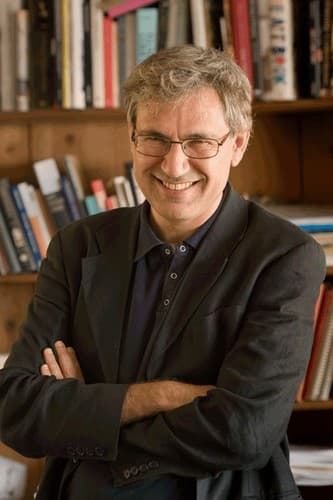
Ferit Orhan Pamuk is a Turkish novelist, screenwriter, academic, and recipient of the 2006 Nobel Prize in Literature. One of Turkey's most prominent novelists, he has sold over 13 million books in 63 languages, making him the country's best-selling writer.







