“The thing about being a misfit is that you're not trying to fit in, so you're free to be whoever you want to be.”
— Bobby, one of the 'misfits,' reflecting on their group's identity.

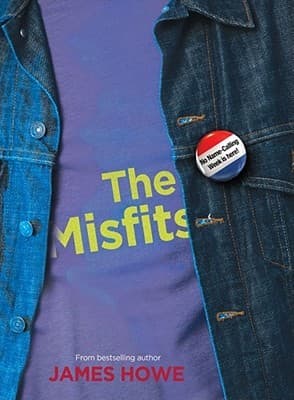
James Howe (2001)
Genre
Children's / Young Adult
Reading Time
288 min
Key Themes
See below
Sign in to track this book
Four middle school outcasts, united by shared ridicule, navigate seventh grade by forming their own political party and embracing their true selves.
The story introduces the 'Gang of Five'—Addie Carle, Joe Bunch, Skeezie Tookis, and Bobby Goodspeed—though there are only four. They are united by being labeled misfits, a term they have accepted. Seventh grade at Phunn Middle School is hard. Addie, the outspoken intellectual, often challenges authority. Joe, a large and quiet boy, struggles with his weight and feeling unintelligent. Skeezie, the artistic and somewhat rebellious one, often watches from the side. Bobby, the narrator, is sensitive and often targeted for being effeminate. Their weekly meetings at the Candy Kitchen are a safe place where they discuss everything from school politics to personal struggles, strengthening their friendship in a school that often misunderstands them.
Addie Carle causes a stir in homeroom by refusing to say the Pledge of Allegiance. She believes 'liberty and justice for all' isn't true for everyone. This act of defiance catches the attention of classmates and teachers, especially Mr. Kellerman, the civics teacher. Inspired by her conviction and the upcoming student council elections, Addie decides to run for president. She won't join the existing popular parties but will form her own: the No-Name Party. Her platform is simple: to represent all the 'misfits' and those who feel unseen. Her friends, the Gang of Five, agree to be her campaign team, despite their initial worry about the spotlight.
Addie's campaign for student council president, under the No-Name Party, quickly grows within their small group. They create unusual posters and slogans, sharing their message of inclusivity and challenging the popularity-driven school politics. However, their efforts also bring ridicule from popular students, especially Stacey and her friends. Joe's struggle with his weight is mocked, and Bobby's perceived effeminacy becomes a target. Despite the taunts, they find unexpected allies and a growing number of students who like their message, showing a deeper unhappiness among the student body.
During a moment in the cafeteria, a popular student cruelly calls Joe 'Fat Boy.' This public humiliation deeply affects Joe, who has always been sensitive about his weight. The incident leads to a discussion among the Gang of Five about the power of words and name-calling. Joe, usually quiet, tells his friends about the pain these labels cause. In an act of defiance and self-acceptance, Joe decides to reclaim the word. He starts wearing a t-shirt that simply says 'FAT' on it, turning the insult into a statement of ownership and challenging others to look beyond the label. This act inspires his friends and has a subtle impact on their classmates.
Skeezie, a talented artist, begins drawing cartoons for Addie's campaign, using his art to express the No-Name Party's message. Meanwhile, Bobby still deals with being called 'queer' by some classmates, particularly Kevin, the football player. Bobby is confused and hurt by the label, not fully understanding what it means or why it's directed at him. He tells Skeezie, who, through his art and quiet support, helps Bobby process these difficult emotions. Skeezie's drawings often subtly address individuality and acceptance, giving a visual voice to the misfits and implicitly defending Bobby against the narrow-mindedness of their peers.
The student council debate is an important platform for Addie and the No-Name Party. While other candidates focus on superficial promises, Addie gives a passionate speech about respecting differences and giving a voice to all students, especially those who feel marginalized. She uses her friends' experiences and the wider 'misfit' community to make her points, stressing that true leadership means representing everyone, not just the popular few. Her performance connects with many in the audience, even surprising some who had initially dismissed her, showing her intelligence and real commitment to her ideals.
As election day nears, the No-Name Party's message spreads beyond the core group of misfits. Students from various cliques and backgrounds, who had felt invisible or misunderstood, start to openly support Addie. Posters for the No-Name Party appear in unexpected places, and discussions about the 'misfits' and their platform become more common in the hallways. This growing support creates a noticeable change in the school's social dynamics, as the established popular groups realize their power is being challenged. The campaign creates unity among previously separate students, showing that a shared feeling of being an outsider can be a strong connector.
Election day arrives, full of anticipation. The Gang of Five, along with their new supporters, nervously await the results. While Addie doesn't win the student council presidency, the No-Name Party gets a significant number of votes, far more than anyone, including themselves, expected. The outcome, though not a victory in terms of position, is a moral triumph. It shows that their message resonated and that a large part of the student body wants change and inclusivity. More importantly, the campaign has created a new sense of community and empowerment among the 'misfits,' proving that their voices matter and can make a difference.
After the election, the atmosphere at Phunn Middle School has subtly but permanently shifted. The labels and taunts haven't entirely disappeared, but their power has lessened. Joe continues to wear his 'FAT' shirt with pride, and Bobby feels more confident, less affected by the 'queer' comments. Skeezie continues to use his art to express important ideas, and Addie, though not president, has shown her leadership and conviction. The Gang of Five remains strong, and their 'Gang of Five' mantra feels even more relevant, symbolizing that there's always room for one more misfit in their circle, and in the world they've helped to create.
The main lesson the Gang of Five, and many of their peers, learn is the importance of self-definition. They understand that while others may try to reduce them to a single, often negative, word, their identities are complex. Joe's reclaiming of 'fat,' Bobby's quiet strength against 'queer,' Addie's firm principles, and Skeezie's artistic voice all contribute to this realization. They discover that real strength comes not from conforming, but from embracing their unique qualities and standing up for themselves and each other. The book ends with hope and empowerment, as the misfits look forward to continuing to challenge stereotypes and build a more inclusive world.
The Protagonist/Narrator
Bobby moves from internalizing hurtful labels to developing a stronger sense of self-acceptance and confidence, finding his voice through his friendships and the campaign.
The Protagonist/Leader
Addie channels her idealism and frustration with injustice into concrete political action, inspiring others and proving the power of a clear, principled voice.
The Protagonist/Supporting
Joe transforms from passively enduring hurtful labels to actively reclaiming and redefining them, finding strength in self-acceptance.
The Protagonist/Supporting
Skeezie uses his artistic talents to give voice to the No-Name Party's message, finding purpose and impact in his creative expression.
The Antagonist/Supporting
Stacey begins as a symbol of the superficial 'in-crowd' and is subtly challenged by the No-Name Party's message, though her transformation is implied rather than explicit.
The Antagonist/Mentioned
Kevin remains a static antagonist, serving as a catalyst for Bobby's internal struggle and growth in self-acceptance.
The Supporting
Mr. Kellerman moves from a position of challenging Addie's defiance to one of respecting her conviction and encouraging her political engagement.
The Supporting
Ms. Peterson consistently offers support and understanding, reinforcing the theme of seeing beyond labels and fostering a positive learning environment for Joe.
The novel explores how words, especially negative labels, shape self-perception and social groups. The 'misfits' are defined by names others call them ('Fat Boy,' 'Queer,' 'Brain,' 'Rebel'), and a main struggle is the characters' journey to reclaim or shed these labels. Joe's decision to wear a 'FAT' shirt is a strong example of taking ownership of an insult. The campaign itself is a group effort to challenge the simple nature of these labels and assert the complexity of individual identities, highlighting how much language affects self-worth and community.
“Kids who get called the worst names oftentimes find each other. That's how it was with us.”
A core theme is each character's journey to understand and accept who they are, especially when their identities don't fit social norms. Bobby struggles with being called 'queer,' Joe with his weight, Addie with being an outspoken intellectual, and Skeezie with his artistic, rebellious nature. Through their friendship and the No-Name Party campaign, they learn that true strength comes from embracing their unique qualities rather than trying to fit in. The group act of standing up for their 'misfit' identities reinforces that self-acceptance is a powerful way to defy external judgments.
“After years of getting by, they are given the chance to stand up and be seen -- not as the one-word jokes their classmates have tried to reduce them to, but as the full, complicated human beings they are just beginning to discover they truly are.”
The strong bond between Addie, Joe, Skeezie, and Bobby is the heart of the story. Their friendship provides a safe place from the harsh realities of middle school and helps them face challenges they couldn't alone. The 'Gang of Five' dynamic, including the imaginary fifth member, symbolizes their belief in inclusivity and the constant search for others who need a place to belong. This theme extends to the No-Name Party, which aims to create a larger community for all the 'misfits' in the school, showing that shared vulnerability and mutual support can lead to collective strength and social change.
“We do it to keep people on their toes. Make 'em wonder. Or maybe we do it because we figure that there's one more kid out there who's going to need a gang to be a part of. A misfit, like us.”
Addie's refusal to say the Pledge of Allegiance and her decision to run for student council on a platform of inclusivity and fairness are central to this theme. The book explores how young people can see unfairness in their environment and act to challenge it. The No-Name Party's campaign, though unusual, shows the power of a clear message, group action, and standing up for unheard voices. It teaches that 'politics' is not just about winning elections, but about advocating for those who are unheard and working for a fairer community, even in middle school.
“I refuse to say the Pledge of Allegiance because I don't believe there's liberty and justice for all.”
The novel subtly critiques popularity in middle school, showing it to be often superficial, temporary, and based on exclusion rather than real connection. The 'in-crowd' represented by Stacey and her friends prioritizes image and social status, often at the expense of kindness or authenticity. In contrast, the Gang of Five, initially considered unpopular, builds a campaign based on real connection, shared values, and inclusivity. By the end, the No-Name Party's significant vote count suggests that many students are tired of the popularity game and want something more meaningful, revealing how fragile popularity can be.
“Popularity is just a way for people to feel important by making other people feel unimportant.”
The story is told from Bobby Goodspeed's perspective.
Bobby's first-person narration allows the reader intimate access to his thoughts, feelings, and observations about his friends and the challenging social landscape of middle school. His sensitive and introspective voice provides a relatable lens through which to experience the pain of being labeled, the strength of friendship, and the complexities of identity. This perspective emphasizes the subjective experience of being a 'misfit' and helps build empathy for the characters, making their struggles and triumphs feel deeply personal and authentic.
A symbolic name for four friends, representing their inclusivity and hope.
The name 'Gang of Five' for only four friends is a recurring symbolic device. It signifies their open-ended sense of community and their constant hope that there's always room for one more person who feels like an outsider. It's a subtle act of defiance against exclusion and a testament to their belief in finding belonging. This device not only highlights their unique bond but also foreshadows the broader inclusivity of the No-Name Party, which aims to welcome all 'misfits' into a larger, supportive community.
A political party created by Addie to represent the marginalized students.
The No-Name Party is a central plot device that serves as a vehicle for the novel's themes of social justice, identity, and standing up for the marginalized. Its name itself is symbolic, rejecting the need for a catchy, branded identity in favor of representing those who feel invisible. The campaign allows the characters to actively challenge the school's social hierarchy, articulate their values, and find collective strength. It transforms personal struggles into a public movement, demonstrating how even young people can initiate meaningful social change and foster a more inclusive environment.
Characters take ownership of derogatory terms used against them.
This device is most prominently seen when Joe Bunch, after being called 'Fat Boy,' decides to wear a T-shirt that simply says 'FAT.' This act transforms a hurtful insult into a statement of self-acceptance and defiance. It's a powerful way for the characters to strip the bullies of their power by refusing to let words define them negatively. This device reinforces the theme of identity and self-worth, showing that true strength comes from within and that individuals have the agency to redefine how they are perceived by the world.
“The thing about being a misfit is that you're not trying to fit in, so you're free to be whoever you want to be.”
— Bobby, one of the 'misfits,' reflecting on their group's identity.
“Sometimes the bravest thing you can do is just be yourself.”
— A general theme reinforced by the characters' struggles and triumphs.
“It's not about being popular. It's about being real.”
— Joe, the narrator, contemplating the social hierarchy of middle school.
“Words can hurt, but they can also heal.”
— The characters discuss the impact of the 'Fat Boy's' nickname.
“Maybe being different isn't so bad after all. Maybe it's even good.”
— Addie, a character often feeling like an outsider, begins to embrace her uniqueness.
“Silence can be louder than words when it comes to what's really going on inside someone.”
— Joe observes a quiet moment among his friends, understanding unspoken emotions.
“You don't have to be perfect to be important.”
— A message conveyed through the narrative as the misfits find their voice.
“It's hard to stand up for yourself when you feel like you're standing alone.”
— Joe reflects on the challenges of facing bullies before the group forms.
“Friendship isn't about being the same. It's about accepting each other's differences.”
— The core message of the book, exemplified by the diverse group of friends.
“Sometimes the people who seem the strongest are just better at hiding their pain.”
— A character shows vulnerability, revealing deeper struggles.
“A name is just a name, but what people do with it can make all the difference.”
— The discussion around the 'Fat Boy's' name and its potential for change.
“When you find your voice, you find your power.”
— The misfits decide to run for student council, using their collective voice.
“It's not about winning or losing. It's about trying.”
— The group's attitude towards the student council election.
“The best way to get rid of a label is to make it your own.”
— The misfits embrace their collective identity.
Ready to see how well you understood this book? Take our interactive quiz with 10 questions.
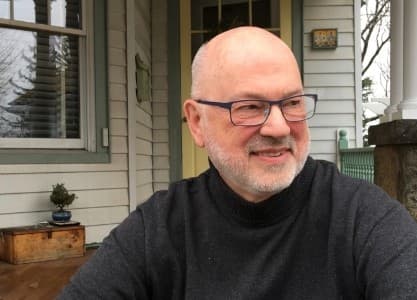
Biography coming soon.

Dan Gemeinhart
4.5

Kate O'Hearn
4.4

Jeanne Birdsall
4.4

Jen Wang
4.4
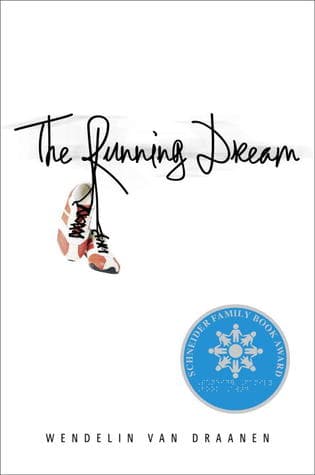
Wendelin Van Draanen
4.3

John Marsden
4.3

Chris Van Allsburg
4.3
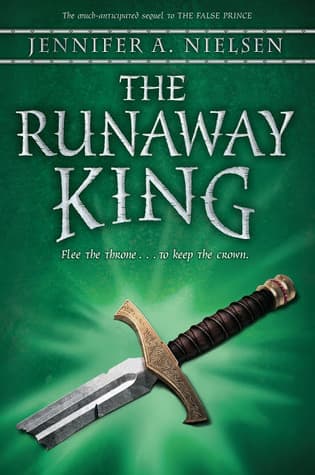
Jennifer A. Nielsen
4.2