
The Mimicry of Empire
Colonial societies are defined by a pervasive, often unconscious, imitation of their former masters.
Quote
Living in a borrowed culture, they were no more than mimics. They mimicked the British, and they mimicked the French, and they mimicked the Americans. The result was a society without a center, a society of echoes.
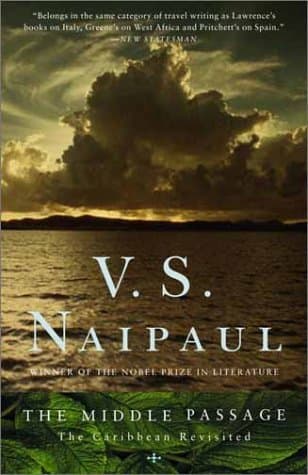
Naipaul claims that post-colonial Caribbean societies are defined not by a unique local culture, but by a deep copying of their colonizers. This goes beyond language or fashion; it is a basic adoption of values, social structures, and even self-perception. The people, having lost their original cultures through slavery and displacement, try to fill this emptiness by imitating European norms. This imitation is often uncritical, creating a sense of unoriginality and a constant struggle to define an independent identity. The result is a ...
Supporting evidence
Naipaul describes the Trinidadian movie audience's adulation of Humphrey Bogart, shouting 'That is man!' – an external validation of masculinity rather than an internal definition. He also notes the French pretensions in Martinique, where roads are considered extensions of France's national routes, illustrating a complete mental annexation.
Apply this
When observing cultural phenomena in formerly colonized regions, look beyond superficial differences to understand underlying patterns of influence and adaptation. Recognize that cultural identity is a complex, often fraught, process of negotiation between inherited traditions and external impositions. Avoid romanticizing 'authentic' cultures without acknowledging the historical forces that shaped them.








