“The mind is not a vessel to be filled, but a fire to be kindled.”
— A reflection on learning and education, though often attributed elsewhere, Berry's work frequently touches on similar themes of active engagement with knowledge.

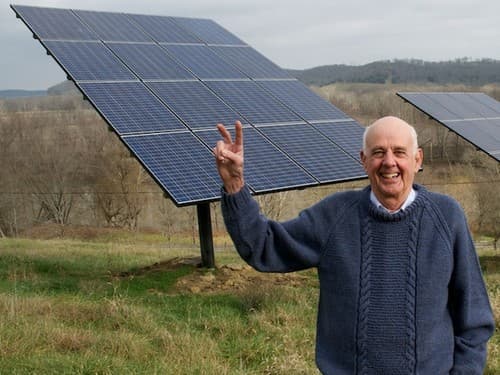
Wendell Berry (1974)
Genre
Literary Fiction / Historical Fiction
Reading Time
240 min
Key Themes
See below
Sign in to track this book
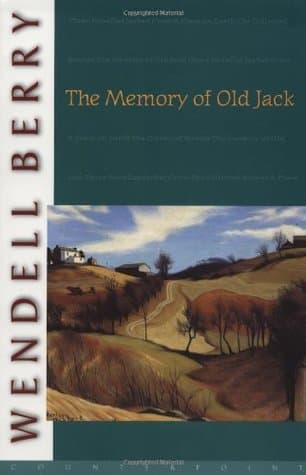
On a single September day in 1952, an aging Kentucky farmer, Old Jack Beechum, sifts through his life's memories, showing the lasting spirit and values tied to the land and its people.
The novel begins on a September morning in 1952. Old Jack Beechum, ninety-two and retired, wakes in his bed at his son Henry and daughter-in-law Clara's house. The farm sounds — roosters crowing, Henry moving — are a comforting, lifelong rhythm. Jack's body is weak, his movements slow, but his mind is clear and immediately starts going through his many memories. He recalls the feel of earth, the smell of the barn, and the weight of tools, sensing this day might be special, a culmination of all past days. His first thoughts are of the land and the routines that have defined his life for nearly a century.
Jack's memory goes back to his childhood on the Port William farm. He recalls his father's early death, which made him responsible for the farm at a young age, shaping his quiet and hardworking character. He then remembers meeting Ruth Lightwood, a quiet and smart woman from a nearby farm. Their courtship was simple, built on mutual respect and understanding of farm life. Their marriage, though not passionate in a typical way, was a deep partnership, a bond of commitment and shared work that formed the base of his adult life and the stability of the Beechum farm.
A major event in Jack's early farming life was Mat Feltner's arrival, a young man looking for work. Jack saw Mat's hard work and good nature, so he hired him. Their relationship quickly grew beyond employer and employee. Mat became Jack's steady helper, a loyal friend, and later, a trusted partner in the farm's operations. Their bond was one of deep respect and shared work, showing the strength of community and cooperation. Mat's presence brought practical help and deep companionship that enriched Jack's life and the farm.
Jack's memories shift to the joy and responsibility of fatherhood with his only son, Henry, being born. This event deepened his commitment to the land and to providing for his family. He recalls the hard work and planning involved in growing and improving the Beechum farm, buying more land, and using new farming methods. His life was a continuous cycle of work, observation, and adapting to nature's rhythms, always focused on sustaining the land for future generations. The farm, his family, and his friendship with Mat Feltner became the main parts of his life.
Among the steady story of his marriage and farm life, Jack's mind briefly thinks of Margaret, a woman who represented a brief change from his disciplined life. This memory carries both strong longing and deep regret. The affair was a moment of intense, almost reckless, passion that contrasted sharply with the quiet devotion he shared with Ruth. Though it was a secret for decades, its emotional weight remained, showing the complexity of human desire and the choices that shape a life, even hidden ones.
Jack's memories eventually lead him to the loss of his wife, Ruth. He recalls her slow decline due to illness, a time of quiet suffering and his steady care. Her death was a deep grief, leaving a void in his life that was never truly filled. Despite the pain, Jack continued his farm work, finding comfort in the land and the routines they had built together. Her memory remained a constant, guiding presence, strengthening his commitment to the values and life they had shared.
As the day goes on, Jack's memories mix with his observations of the current farm. He notices the gradual change from horse-drawn plows to tractors, new technologies, and changing farm economics. He reflects on how these changes, while making things more efficient, also subtly altered the relationship between farmers and the land. He sees his son, Henry, using some modern methods while still keeping many traditional ways, a continuity that brings Jack quiet satisfaction amid the larger societal shifts he watches from his porch.
Jack's thoughts go deep into the philosophy of work and the strong connection between humans and the land. He considers the value of physical labor, the satisfaction of honest work, and the lessons learned from working the soil. He sees the land not just as property but as a living thing, a sacred trust passed down through generations. His memories are full of farm details — the smell of fresh earth, the feel of rain, the warmth of the sun — all contributing to a spiritual understanding of his place in nature.
Throughout the day, Jack watches his son, Henry, and his grandson, Andy, working on the farm. He sees the continuity of generations in their movements and their shared commitment to the land. Henry, though more open to modern methods than Jack, still shows the same dedication and respect for the farm. Young Andy represents the future, a new link in the Beechum family's ongoing care for the land. This observation gives Jack a sense of peace and fulfillment, knowing his life's work and values will continue.
As the September day ends, casting long shadows across the farm, Jack's memories come together into a full understanding of his life. He re-evaluates his choices, his loves, and his losses, not bitterly, but with quiet acceptance. Past and present merge, and he sees the complex story of his life, woven with hard work, loyalty, and deep connection to the land and his community. The day, initially ordinary, has become a deep journey through his mind, showing the full scope of his ninety-two years.
As night falls, Jack's body weakens further, but his mind stays clear, finishing its review of his long life. He feels a sense of completion, of having lived fully and faithfully by the values he held dear. The farm sounds fade, and his mind, having gone through nearly a century of memories, gently lets go. Old Jack Beechum, surrounded by the quiet hum of the farm he loved, peacefully falls into his final sleep, his journey through memory ending with his earthly days, leaving behind a legacy of integrity and connection to the land.
The Protagonist
Jack's arc is not one of change but of consolidation and acceptance, as he reviews his life and finds peace in its entirety.
The Supporting
Ruth's character remains consistent as a loving and supportive wife, embodying the steadfastness of the farm community.
The Supporting
Mat's arc shows a journey from a young worker to a respected and indispensable partner and friend.
The Supporting
Henry's arc is subtle, showing his progression into a responsible steward of the family farm, balancing tradition with modernity.
The Supporting
Clara remains a consistent, nurturing figure, representing the domestic stability of the farm family.
The Supporting
Andy's brief appearance symbolizes the continuation of the family line and the farm's future.
The Mentioned
Margaret's role is static, existing primarily as a past memory that highlights Jack's internal conflicts.
The novel is entirely built around Old Jack's memories, showing how the past shapes the present. His reflections are not in order but connected by association, revealing how moments across a lifetime are linked. Memory here is not just remembering, but a way of understanding, letting Jack re-evaluate choices, deal with losses, and find meaning in his whole experience. The clear way he recalls specific details — the feel of a plow, Ruth's voice, the smell of earth — highlights memory's power to preserve identity and ultimately bring him peace in his final hours.
“He knew that he possessed his life, and that it possessed him, and that it was whole, and that he was whole in it.”
A main theme in the novel is the deep, almost spiritual, connection between Old Jack and the land he has farmed his entire life. The land is not just property but a living thing, a teacher, and a source of food, identity, and meaning. Jack's life is tied to the cycles of planting, growing, and harvesting. His deep respect for the soil, his understanding of its rhythms, and his commitment to caring for it show a philosophy where people and nature depend on each other. This theme is clear in Jack's constant recall of farm tasks and his observations of the changing agricultural scene, regretting any practice that harms the land's health.
“The earth was the great fact of his life, and he had lived in its presence and in its knowledge.”
The novel shows physical labor, especially farming, as having great dignity and spiritual importance. Jack's memories are full of his work — plowing, planting, harvesting, caring for animals. For him, work is not a burden but a calling, a way of connecting with the world, and a source of honest self-worth. Through his labor, he takes part in the natural order, provides for his family, and builds a legacy. The story celebrates the skill, patience, and dedication needed for farm life, contrasting it with a growing distance from physical work in the modern world.
“He knew the joy of the body, and the joy of the mind, and the joy of the spirit, and he knew that they were one joy, and that it was in his work.”
The novel explores the balance between old ways and new through the Beechum family farm. Jack's memories span nearly a century, seeing big changes in farming and society. He observes his son, Henry, adopting some new technologies while keeping many traditional ways, and his grandson, Andy, represents the future. This theme highlights the challenge of keeping core values while adapting to a changing world. It suggests that real progress means understanding and carefully blending past wisdom with new ideas, ensuring a meaningful way of life continues.
“The past was not a burden, but a living presence, a rich soil out of which the present grew.”
Jack's journey through memory is also a journey through his relationships, marked by deep love, great loss, and finally, acceptance. His steady devotion to Ruth, the quiet friendship with Mat Feltner, and the complexities of his brief affair with Margaret all add to the rich story of his emotional life. The pain of Ruth's death is revisited, but without bitterness; instead, it is part of a larger understanding of life's cycles. By the end of his day, Jack accepts all his experiences — the joys and the sorrows — as parts of a full and meaningful life, finding deep peace.
“He had loved and been loved, and that was the sum of it, and it was enough.”
The entire narrative unfolds within Jack's mind as he recalls his life.
The novel is almost entirely presented through Old Jack Beechum's stream of consciousness on his last day. This allows for a non-linear exploration of his memories, thoughts, and reflections, mimicking the natural flow of human thought. The past and present intermingle freely, with Jack's observations of the current farm triggering vivid recollections from decades prior. This device immerses the reader directly into Jack's subjective experience, revealing his character, philosophy, and the intricate tapestry of his long life without external narration or dialogue driving the plot in a conventional sense. It creates an intimate and deeply personal narrative.
The entire story is set within the confines of one September day in 1952.
The novel uses a framing device where the entirety of Old Jack's life review occurs over the course of a single, ordinary September day in 1952. This limited timeframe creates a sense of immediacy and poignancy, as the reader experiences Jack's final hours alongside his mental journey. The slow, deliberate pace of the day, marked by the sounds and routines of the farm, provides a quiet, reflective backdrop against which the vastness of his memories unfolds. This structure emphasizes the idea that a lifetime can be comprehended and reconciled in a single, focused period of reflection.
Subtle hints throughout the day suggest Jack's imminent passing.
While never explicitly stated until the very end, there are subtle hints and a pervasive atmosphere throughout the day that foreshadow Old Jack's impending death. His physical frailty, the deepening introspection, the sense of summing up his life, and the peaceful, almost detached way he observes the world all contribute to this quiet anticipation. The completeness of his memories, the feeling that he has 'finished' his life's review, subtly prepares the reader for his peaceful passing at the novel's conclusion, adding a layer of profound significance to his final day of reflection.
The rural Kentucky farm serves as both physical location and thematic anchor.
The Port William farm in rural Kentucky is not merely a setting but a central character and thematic anchor of the novel. Its unchanging cycles, the rhythms of its labor, and its inherent beauty provide the context for Jack's entire life and his moral framework. The pastoral setting grounds the abstract themes of memory, work, and community in tangible, sensory details. It represents a way of life deeply connected to the earth, contrasting with the encroaching modern world and reinforcing the values of stewardship, resilience, and belonging that define Jack's existence.
“The mind is not a vessel to be filled, but a fire to be kindled.”
— A reflection on learning and education, though often attributed elsewhere, Berry's work frequently touches on similar themes of active engagement with knowledge.
“To be sane in a mad world is a madness itself.”
— Old Jack's internal musings on his life and the changes he has witnessed in his community and the world.
“What we will be, we are now becoming.”
— A thought on the continuous process of life and character formation, relevant to Jack's long life and the sum of his experiences.
“The earth is what we all have in common.”
— A central theme in Berry's work, emphasizing the shared human connection to land and nature, deeply felt by Old Jack.
“The branch cannot bear fruit except it abide in the vine.”
— A biblical allusion that resonates with Jack's deep roots in his community and his understanding of belonging and sustenance.
“Only in the quiet of the heart can one hear the whisper of truth.”
— Old Jack's moments of solitude and introspection, where he grapples with the meaning of his life and experiences.
“The past is not dead. It is not even past.”
— A profound realization for Old Jack as he relives his memories, understanding the enduring presence of history in his present.
“Love is not a feeling, but a practice.”
— Reflecting on his long marriage and relationships, Old Jack understands love as a sustained act of will and commitment.
“There are no shortcuts to any place worth going.”
— A belief that underpins Old Jack's work ethic and his understanding of the value of sustained effort and dedication.
“The real work of the world is done in silence.”
— Emphasizing the quiet, often unacknowledged labor that sustains life and community, a principle Old Jack embodies.
“To be at home in the world is to be at peace with its changes.”
— Old Jack grapples with the transformation of his beloved Port William, eventually finding a measure of acceptance.
“One's life is a story told by God.”
— A reflection on the narrative arc of human existence and the spiritual dimension of life, as seen through Jack's long perspective.
“The health of the land is the health of the people.”
— A core Berry tenet, deeply felt by Old Jack through his life as a farmer and his connection to the soil.
“We do not inherit the earth from our ancestors; we borrow it from our children.”
— While a famous quote, its sentiment perfectly encapsulates Old Jack's sense of stewardship and responsibility for the land.
Ready to see how well you understood this book? Take our interactive quiz with 10 questions.
Biography coming soon.







