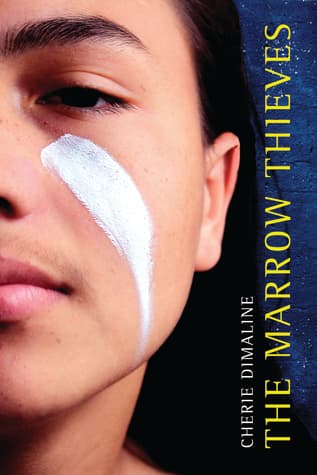
In a drowned world where dreams are a lost luxury, Frenchie and his Indigenous family must outrun those who would steal their very essence to reclaim what it means to be human.
Synopsis
Cherie Dimaline's "The Marrow Thieves" is a dystopian novel set in a future Canada ravaged by environmental collapse, where non-Indigenous people have lost the ability to dream. The government, in a chilling echo of historical atrocities, hunts Indigenous people to harvest their bone marrow, believed to hold the cure for dreaming. The novel follows Frenchie and his found family of Indigenous survivors as they flee north, seeking refuge and a mythical safe haven.
At its heart, the book explores the unyielding persistence of Indigenous culture, language, and spirituality in the face of ongoing genocide and trauma. It delves into the profound importance of storytelling, family (both blood and chosen), and the power of dreams as a source of identity, resistance, and hope, even as these very elements become targets for exploitation.
Difficulty
Medium
Plot Summary
Principal Figures
Frenchie (Francis)
The Protagonist
Frenchie evolves from a scared, somewhat naive boy into a capable hunter, a leader, and a young man deeply committed to his chosen family and his heritage. He learns to balance his personal grief and longing for love with the collective needs of his community, ultimately choosing to fight for a future for his people.
Miigwans (Miig)
The Leader/Mentor
Miigwans's arc is less about personal transformation and more about his unwavering commitment to his role as a protector and storyteller. He endures immense personal loss but maintains his strength and purpose, ultimately fulfilling his promise to his lost love, Isaac, by finding a safe haven and continuing to preserve his culture.
Rose
The Supporting Character/Love Interest
Rose's arc centers on her journey from a fiercely independent loner to a valued member of the family, learning to trust and rely on others. Her initial departure and eventual return highlight her growth in understanding the importance of community and shared purpose, solidifying her bond with Frenchie and the group.
Minerva
The Supporting Character/Elder
Minerva's arc culminates in a profound act of spiritual resistance. Her quiet presence throughout the journey belies her immense power, which she reveals at a critical moment, demonstrating that true strength lies not just in physical prowess but in cultural memory and spiritual connection.
Chi-Boy
The Supporting Character
Chi-Boy's arc is one of quiet loyalty and growing confidence within the group. He struggles with the trauma of losing his sister but finds purpose in protecting his new family and utilizing his skills for their survival.
Travis and Lincoln
The Antagonists
Their arc is one of moral degradation and tragic irony. They represent the internal divisions and desperation that can arise within oppressed communities, ultimately meeting a violent end that underscores the consequences of their choices.
Themes & Insights
Plot Devices & Literary Techniques
Critical analysis
Notable Quotes
Quiz
Test Your Knowledge
Ready to see how well you understood this book? Take our interactive quiz with 10 questions.
10
Questions
~5
Minutes
?
Best Score
Key Questions (FAQ)
The Marrow Thieves is a dystopian novel set in a future where climate change has devastated Earth and a pandemic has caused most people to lose the ability to dream. It follows Frenchie, a young Indigenous boy, and his group as they flee government recruiters hunting them for their bone marrow, which can restore dreaming.
Cherie Dimaline is a Métis author celebrated for her young adult fiction. Her most acclaimed novel, "The Marrow Thieves," won the Governor General's Award for Children's Literature and the Burt Award for First Nations, Métis and Inuit Literature. Dimaline is known for her powerful storytelling that often explores themes of Indigenous identity, resistance, and reclamation.