“We are all born with a map inside us, and it is our job to follow it.”
— Reflecting on destiny and personal journey.

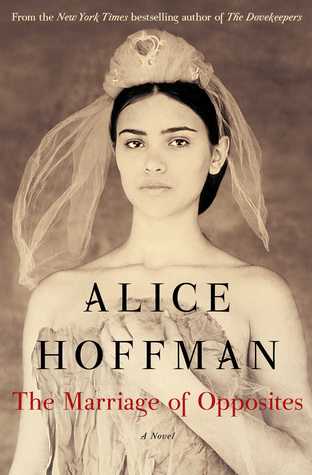
Alice Hoffman (2015)
Genre
Historical Fiction / Creativity / Romance
Reading Time
10-12 hours
Key Themes
See below
Sign in to track this book
On the lush, restrictive island of St. Thomas, a fiercely independent Jewish woman defies her community and fate, sparking a scandalous, passionate love affair that will ultimately birth the father of Impressionism.
Rachel Pomie Petit Pomié, born into a Sephardic Jewish family on St. Thomas in the early 1800s, is an unconventional child. Her mother, Clemence, a refugee from the Inquisition, is strict and disapproves of Rachel's wild nature and red hair, believing it means a difficult spirit. Rachel finds solace and understanding in the island's culture, especially through her bond with the family's maid, Adelle, and Adelle's daughter, Jestine, who becomes Rachel's lifelong friend. Rachel's father, Frederic, a kind but somewhat ineffective merchant, tries to lessen his wife's severity. Despite her community's rules, Rachel dreams of a life beyond St. Thomas, particularly in Paris, and often defies expectations, preferring to explore the island's hidden corners and listen to the local women's stories.
As Rachel grows into a young woman, her father's business faces financial difficulties. To prevent ruin, a marriage is arranged between Rachel and Isaac Pissarro, a wealthy, much older widower from a prominent Jewish family in St. Thomas. Isaac is kind and respectable, but Rachel feels no love for him, seeing the marriage as a duty and a sacrifice. She moves into his grand house, becoming a stepmother to his three children: Julie, Leon, and Clara. Though she performs her wifely duties, Rachel struggles with the limits of her new life, feeling trapped and unfulfilled. She finds some comfort in her friendship with Jestine, who continues to be her confidante, and in the small acts of defiance she manages within her restricted existence.
Several years into her marriage, Isaac Pissarro falls ill and dies suddenly, leaving Rachel a widow at a young age. His death, while sorrowful, also brings Rachel an unexpected sense of freedom. Soon after, Isaac's nephew, Fréderick Pissarro, arrives from France to help settle the estate and manage the family business. Fréderick is handsome, charming, and close in age to Rachel, a stark contrast to her late husband. There is an immediate, undeniable attraction between them, despite the societal taboos against a widow marrying her deceased husband's nephew. Fréderick, initially dismissive of St. Thomas, quickly becomes captivated by Rachel's spirit and the island's unique charm, leading to a blossoming, yet forbidden, romance.
Rachel and Fréderick begin a passionate, secret love affair. Their relationship, however, violates Jewish law, which forbids a man from marrying his deceased uncle's wife. When their affair becomes public, it causes a scandal within the Jewish community of St. Thomas. Rachel's mother, Clemence, is particularly outraged and shamed. The synagogue elders, led by Rabbi Hayyim, condemn their union. Despite the intense pressure and the threat of excommunication, Rachel and Fréderick refuse to deny their love. They are excommunicated from the synagogue, ostracized by many, and forced to marry in a civil ceremony, further showing their defiance against tradition and family expectations.
After their excommunication, Rachel and Fréderick face social isolation but remain devoted to each other. They continue to run Isaac's business, which Fréderick manages well. Over the years, they have many children together, including their son, Jacob-Abraham-Camille, known as Camille. Rachel, now a mother of many, including her stepchildren, embraces her role with fierce protectiveness. She recognizes a unique sensitivity and artistic inclination in Camille from a young age, often seeing him sketching and observing the world with intense focus. Despite the hardships, Rachel finds happiness in her unconventional family, cherishing her bond with Fréderick and her children, particularly Camille, who embodies her own artistic and independent spirit.
As Camille grows, his artistic talent is clear. He spends his days drawing the landscapes, people, and daily life of St. Thomas, often neglecting his duties in the family business. Rachel, though proud, worries about his future, understanding the difficulties of an artist's life. Fréderick, initially wanting Camille to follow in the family trade, eventually recognizes his son's dedication to art. With the encouragement of a visiting Danish painter, Fritz Melbye, Camille decides to leave St. Thomas to study art in Paris, a city Rachel had long dreamed of but never reached. His departure is bittersweet for Rachel, who fears losing him to the wider world but also understands he must go to fulfill his artistic destiny.
Many years pass, and Rachel, now an elderly woman, continues to live in St. Thomas with Fréderick. The sting of excommunication has faded somewhat, and the community, having seen their enduring love and respectable lives, slowly begins to accept them again. Rachel's children, including Camille, who has found success as a painter in Paris, visit when they can. Her stepchildren also maintain a connection, and her bond with Jestine remains strong. Rachel reflects on her life, realizing the impact her choices had on her family, particularly on Camille, whose artistic vision was shaped by his unconventional upbringing and the complex world of St. Thomas. She finds quiet satisfaction in her defiance and the rich life she built on her own terms.
Camille Pissarro, now an established artist, returns to St. Thomas periodically to visit his aging parents. During these visits, he continues to paint the island, his work reflecting an understanding of its light, colors, and people. He sees his mother, Rachel, not just as a parent but as a powerful, enduring figure whose strength and unconventional spirit directly influenced his own artistic path. Rachel, in turn, takes pride in her son's achievements, recognizing that his art is a result of the life she chose and the beauty she found in defiance. Her story, once scandalous, becomes a legacy of courage, love, and the power of individual will against societal constraints, ultimately helping to birth a revolutionary artistic movement.
The Protagonist
Rachel transforms from a rebellious girl yearning for freedom into a defiant woman who creates her own destiny, enduring ostracization to build a loving, unconventional family.
The Supporting/Love Interest
Fréderick evolves from a European outsider to a man deeply rooted in St. Thomas, embracing a life of love and defiance with Rachel.
The Supporting/Antagonist
Clemence begins as a rigid, disapproving mother and slowly softens, eventually reaching a quiet understanding with Rachel in her old age.
The Supporting
Jestine remains a constant, loyal presence in Rachel's life, her friendship a steadfast anchor amidst Rachel's turbulent journey.
The Supporting
Camille discovers and nurtures his artistic talent, ultimately leaving St. Thomas to become a celebrated artist, carrying the spirit of his origins with him.
The Supporting
Isaac's role is largely static; his death serves as the catalyst for Rachel's transformation and the central conflict of the story.
The Supporting
Adelle serves as a consistent source of comfort and unconventional wisdom for Rachel throughout her childhood and young adulthood.
The Mentioned/Antagonist
Rabbi Hayyim's role is primarily to enforce the community's religious laws, acting as a barrier to Rachel's chosen path.
The novel explores Rachel's journey to create her own identity against her strict religious upbringing and the culture of St. Thomas. From a young age, Rachel rejects the expectations placed upon her, shown by her red hair and rebellious spirit. Her self-discovery ends with her courageous decision to pursue a forbidden love, defining herself by her own heart, not by societal rules. This theme is mirrored in Camille's journey to embrace his artistic identity despite parental expectations for him to join the family business.
“She was a woman who understood that the only way to be free was to make her own rules.”
The central theme is Rachel and Fréderick's passionate, taboo love, which defies religious law and societal norms. Their relationship, considered incestuous by the Jewish community, leads to their excommunication and ostracization. Despite the severe consequences, they choose to prioritize their love, showing courage and resilience. This defiance is not just romantic but a broader statement about personal freedom and the right to choose one's own path, even when it means sacrificing social acceptance.
“Love was not a gentle feeling; it was a storm, and you had to be willing to drown in it.”
St. Thomas is a character in the novel, its mix of Caribbean mysticism, European colonial influence, and Sephardic Jewish tradition shaping the lives of its inhabitants. The island's beauty, local customs, and diverse population influence Rachel's worldview and, subsequently, Camille's artistic vision. The magical realism woven into the narrative reflects the island's spiritual essence, showing how an environment can nurture or challenge one's identity and destiny.
“The island taught you that there were other ways to see, other ways to believe.”
The novel examines family inheritance, not just of wealth or business, but of spirit, talent, and trauma. Rachel inherits both the resilience of her Inquisition-survivor mother and a rebellious streak. Her defiance and artistic sensibility are then passed down to her son, Camille, who inherits her unique way of seeing the world and transforms it into art. The narrative explores how past generations' choices and struggles shape the destinies of those who follow, creating a lineage of creativity and independence.
“A child always carries the history of her parents, whether she knows it or not.”
Rachel's journey as a mother is tied to Camille's artistic development. She recognizes and nurtures his talent from a young age, understanding his unique way of observing the world. Her own life, filled with passion, defiance, and a deep connection to the island, becomes an inspiration for Camille. The novel suggests that the artist's eye is often inherited or fostered, and that the mother's lived experience can be a source of creativity for her child.
“She saw the world as a canvas, and her son, she knew, would paint it with his own heart.”
Subtle integration of magical elements into the realistic setting of St. Thomas.
Alice Hoffman weaves subtle elements of magical realism throughout the narrative. This manifests in characters having prophetic dreams, an intuitive understanding of nature, and the belief in island spirits or omens. For example, Rachel's red hair is seen as a sign of her wildness, and the island's flora and fauna often seem to reflect or influence human emotions. This device enhances the atmosphere of St. Thomas, blurring the lines between the tangible and the mystical, and reflecting the unique cultural beliefs that shape Rachel's world and perception.
The specific historical setting of St. Thomas in the 1800s drives the plot's conflicts and character development.
The novel is firmly rooted in the historical context of St. Thomas in the early 19th century, a melting pot of cultures (Sephardic Jewish, Danish colonial, African Caribbean). This setting is crucial for understanding the rigid religious laws, societal expectations, and the unique challenges faced by the characters. The threat of the Inquisition still lingers in the minds of the Jewish refugees, influencing Clemence's strictness. The island's remote nature and diverse population also provide the space for Rachel's unconventional life to unfold and for Camille's artistic vision to be nurtured, highlighting how specific historical circumstances can both constrain and liberate.
Characters whose contrasting traits highlight the protagonist's qualities.
The novel effectively uses foil characters to illuminate Rachel's personality and choices. Her mother, Clemence, with her strict adherence to tradition and fear of scandal, acts as a direct foil to Rachel's rebellious and passionate nature. Similarly, Jestine, Rachel's lifelong friend, serves as a grounded, loyal counterpoint, offering unconditional acceptance that contrasts with the judgment Rachel faces from the wider community. These contrasts emphasize Rachel's unique strength, independence, and the depth of her defiance.
Rachel's red hair symbolizes her rebellious spirit and unconventional nature.
Rachel's red hair is a recurring symbol throughout the novel. From childhood, it is viewed by her mother as a mark of a difficult, wild, and even cursed spirit. In the context of her conservative Jewish community, it sets her apart and is often associated with her defiance and passion. It represents her inherent difference and her refusal to conform to societal expectations. The red hair becomes an outward manifestation of her internal fire and her destiny to live a life less ordinary, ultimately becoming a source of pride rather than shame.
“We are all born with a map inside us, and it is our job to follow it.”
— Reflecting on destiny and personal journey.
“Love is not a choice. It is a force of nature, as strong as the wind, as relentless as the tide.”
— Describing the uncontrollable nature of love.
“In every family there is a secret, and in every secret there is a story.”
— Discussing hidden truths within families.
“Art is not what you see, but what you make others see.”
— Inspired by the artistic perspective of Camille Pissarro.
“The past is a ghost that haunts us, but it is also the foundation upon which we build our future.”
— Contemplating the influence of history on present life.
“To be a woman is to be a warrior in a world that does not always see your strength.”
— Empowering reflection on womanhood.
“Sometimes the most beautiful things are born from the darkest places.”
— Finding beauty in adversity.
“A marriage of opposites is not a battle, but a dance.”
— Describing the harmony in contrasting relationships.
“The island does not forget. It holds our stories in its soil and in its sea.”
— Set in St. Thomas, emphasizing the island's memory.
“We paint not to capture the world, but to set it free.”
— Artistic philosophy tied to Pissarro's work.
“In love, there are no rules, only risks.”
— Discussing the unpredictable nature of romantic love.
“A mother's love is a compass that guides you home, no matter how far you wander.”
— Reflecting on maternal bonds.
“The colors of the Caribbean are not just seen; they are felt in the soul.”
— Evoking the sensory experience of the setting.
“To create is to breathe life into the silent spaces of the world.”
— Philosophizing about the act of creation.
Ready to see how well you understood this book? Take our interactive quiz with 10 questions.

Alice Hoffman is a celebrated American novelist known for her magical realism and explorations of family, love, and loss. Her notable works include the bestselling 'Practical Magic' series, 'The Museum of Extraordinary Things,' and 'The Rules of Magic.' Hoffman's poignant storytelling and vivid imagery have earned her widespread critical acclaim and a dedicated readership.







