“There are no accidents in our business, Mr. Shamron. Only varying degrees of intent.”
— Shamron's cynical view on the nature of intelligence work.

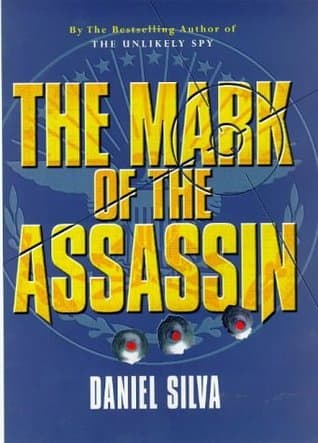
Daniel Silva (1997)
Genre
Thriller / Mystery
Reading Time
7 hours 20 min
Key Themes
See below
Sign in to track this book
A CIA operative, haunted by a past encounter, races against time to unmask a ghost-like assassin whose signature triple-tap to the face reappears after a catastrophic airline bombing, forcing him into a deadly, personal hunt where every step closer endangers his family.
Flight 002, a commercial airliner, is bombed off the coast of Long Island, killing all 212 people on board. While initial investigations suggest a terrorist attack, a body found near the crash site has a horrifying mark: three bullets to the face. This signature is known only to a few in intelligence. This discovery immediately points to Jean-Luc Martel, a legendary assassin. Michael Osbourne, a CIA officer with a personal history with Martel, is reluctantly pulled into the investigation by his superior, Walter Ross, because of his unique knowledge of Martel's methods.
The story flashes back to Michael Osbourne's previous encounter with Jean-Luc Martel. Years earlier, during a mission in Beirut, Osbourne saw Martel's brutal efficiency when the assassin killed an asset Osbourne was protecting, leaving the three bullet wounds. This event deeply affected Osbourne, leading to his unofficial pursuit of Martel over the years. This history now makes Osbourne the most qualified, but also the most conflicted, agent to lead the hunt for Martel. His personal vendetta threatens to cloud his judgment, worrying his wife, Elizabeth.
As Osbourne investigates Flight 002, he quickly realizes the bombing is more complex than a simple terrorist act. The victim with Martel's mark is identified as David Miller, a former high-ranking CIA officer. Miller was traveling to Washington D.C. to expose a major conspiracy. Osbourne suspects Miller was silenced before he could reveal information, and that Martel was hired to make his death look like part of a larger terrorist plot. This leads Osbourne to question the official story and suspect a cover-up involving powerful figures in the U.S. government and intelligence agencies.
Realizing the depth of the conspiracy and his agency's limitations, Osbourne travels to Israel to consult with Ari Shamron, a retired Mossad spymaster and his former mentor. Shamron, known for his knowledge of the intelligence world, gives Osbourne insights into Martel's background, methods, and potential patrons. Shamron also warns Osbourne about the extreme danger he faces, stressing that those who employ Martel are ruthless and will stop at nothing to protect their secrets, including targeting Osbourne and his family.
With Shamron's guidance and his own investigations, Osbourne begins to piece together Jean-Luc Martel's past. Martel, a former French intelligence operative, was disavowed and became a freelance assassin, known for his skill and ruthlessness. Osbourne learns that Martel is not just a killer for hire but is connected to a network, code-named 'October.' This group consists of former intelligence officers and powerful individuals who manipulate global events for their own benefit. This revelation raises the stakes, showing that Osbourne is not just hunting an assassin, but confronting a formidable organization.
As Osbourne gets closer to the truth, the conspirators target his family. Martel orchestrates threats and an attempted kidnapping of Osbourne's young daughter, Lily, and his wife, Elizabeth. This direct attack on his loved ones shatters Osbourne's professional distance and intensifies his personal vendetta against Martel. The incident forces Osbourne to send Elizabeth and Lily into hiding, isolating him but also strengthening his resolve to bring down Martel and his organization, no matter the personal cost.
Osbourne's pursuit uncovers the true masterminds behind the Flight 002 bombing and Martel's actions. He discovers that the conspiracy involves high-ranking U.S. government officials, including a senator and a former CIA director. They were trying to destabilize a Middle Eastern peace initiative for their own political and financial gain. David Miller, the victim on Flight 002, had discovered their scheme and was about to expose them, leading them to hire Martel to kill him and create a diversionary terrorist attack.
Following clues and using his contacts, Osbourne tracks Martel to London. He believes Martel is preparing for another assassination, likely to eliminate loose ends for his employers. Osbourne, operating outside official channels and with minimal support, prepares for a direct confrontation. The tension builds as Osbourne closes in on Martel, knowing this encounter is the culmination of years of obsession and a chance for justice and personal closure. He understands this is likely a fight to the death.
Osbourne finally corners Jean-Luc Martel in a tense and brutal confrontation in London. The two men, familiar with each other's capabilities, engage in a cat-and-mouse game through the city. The battle is both physical and psychological. Osbourne, driven by his vendetta, and Martel, by his ruthlessness. Osbourne, though not as efficient a killer, uses his knowledge of Martel's psychology and his training to gain an advantage. The fight ends in a violent struggle where Osbourne narrowly defeats Martel, ending the assassin's reign.
With Martel defeated, Osbourne focuses on exposing the powerful conspirators behind the Flight 002 bombing and the assassin. He gathers evidence, including Martel's operational files and the information David Miller was trying to expose. Osbourne faces resistance within the intelligence community as the conspirators try to discredit him and hide the truth. However, with help from trusted allies and his evidence, Osbourne brings the truth to light, leading to a public reckoning for those involved.
The exposure of the conspiracy leads to a major political scandal and criminal investigations. The high-ranking officials are arrested and charged for their roles in the Flight 002 bombing and cover-up. While justice is served, the events leave a lasting impact on Michael Osbourne. He reunites with his wife, Elizabeth, and daughter, Lily, but the experience has changed him. Osbourne grapples with the emotional toll of his pursuit and the sacrifices he made, wondering if he can return to a normal life or if he is destined to remain in the shadows, forever marked by his encounter with the assassin.
The Protagonist
Osbourne transforms from a haunted agent driven by personal revenge into a more resolved, albeit still scarred, individual who brings a powerful conspiracy to light.
The Antagonist
Martel remains a consistent force of evil and a professional killer, ultimately meeting his end at Osbourne's hands.
The Supporting
Elizabeth endures the escalating threats against her family, demonstrating resilience and unwavering support for Michael.
The Supporting
Shamron consistently provides guidance and wisdom, acting as a crucial, unchanging source of insight for Osbourne.
The Supporting
Ross moves from skepticism and bureaucratic caution to a more trusting and supportive role towards Osbourne.
The Mentioned
Miller's narrative arc is complete before the main story begins, serving as the inciting incident.
The Supporting
Lily remains an innocent figure, serving as a symbol of what Michael fights to protect.
The novel explores obsession, specifically Michael Osbourne's focus on Jean-Luc Martel. His past encounter with Martel, where an asset was murdered, fuels a personal vendetta beyond his professional duties. This obsession is a double-edged sword: it helps him hunt Martel but also blinds him to dangers and strains his personal life. The pursuit of vengeance threatens to consume Osbourne, pushing him to the brink and endangering his family. This theme is clear in Osbourne's relentless tracking of Martel, even when told to stop, as seen in his early interactions with Walter Ross and his consultations with Ari Shamron.
“He knew Martel. He knew his methods. He knew the cold, hollow place where the assassin lived. And in that place, Osbourne had nursed a hatred for years.”
The story shows how power, especially in government and intelligence agencies, can be corrupted for personal gain, leading to terrible outcomes. The Flight 002 bombing is not a random terrorist act but a planned event by high-ranking officials to cover up their illegal dealings and manipulate international politics. This theme highlights the dangers of unchecked authority and the moral compromises made by those at the top. The conspirators' willingness to murder hundreds of innocent people and silence whistleblowers like David Miller shows how far they will go to protect their secrets and influence.
“The truth was not a weapon. It was a disease. And those who carried it often died from it.”
The book examines the personal and professional cost for those in intelligence work. Michael Osbourne's commitment to his duty and mission strains his marriage and endangers his family. He makes sacrifices, risking his career, his life, and his loved ones' safety, to pursue justice. This theme highlights the isolation and moral ambiguity in espionage, where agents operate in shadows, making difficult choices with far-reaching consequences. His separation from his family and the constant threat they face show these sacrifices.
“He was a man caught between two worlds: the brutal, unforgiving one he inhabited for work, and the fragile, beautiful one he called home.”
A central theme is the struggle to find truth in a world full of deception, lies, and cover-ups. From the initial lie that the Flight 002 bombing was a simple terrorist act, to the layers of political intrigue and betrayal, Osbourne must navigate misinformation. The story emphasizes the difficulty of telling allies from enemies and the need to question official stories. This theme is clear in Osbourne's efforts to piece together clues and challenge the convenient narratives presented by powerful institutions, ultimately revealing a deeper, more sinister reality.
“In this game, the truth was rarely what it appeared to be. It was always buried under layers of lies, like a body under concrete.”
Three bullets to the face, a signature calling card.
The 'three bullets to the face' is the distinctive signature of Jean-Luc Martel. This plot device is crucial as it immediately identifies the assassin and sets the entire plot in motion. It also serves as a personal trigger for Michael Osbourne, connecting the current crisis to his traumatic past. The mark is not just a detail; it's a symbol of Martel's ruthless efficiency and the personal nature of Osbourne's vendetta, making the antagonist instantly recognizable and terrifying.
The critical intelligence David Miller was carrying.
The information David Miller was attempting to expose about the conspiracy is a key plot device. Though Miller is killed early on, the content of his intended revelation drives Osbourne's investigation. It provides the motive for the bombing and Martel's involvement, slowly revealing the scope and nature of the powerful conspirators. Uncovering this information becomes Osbourne's primary goal, leading him through a complex web of lies and betrayal, and ultimately providing the evidence needed to expose the truth.
Osbourne's long-standing obsession with Martel.
Osbourne's personal vendetta against Martel is a powerful plot device that drives his character and the narrative forward. It provides a deep emotional core to the thriller, making Osbourne's pursuit more than just a professional duty. This personal connection allows for a more intense and focused conflict between protagonist and antagonist, giving Osbourne unique insight into Martel's methods while also making him vulnerable. It justifies his unconventional actions and the extreme risks he takes, elevating the stakes beyond a simple spy hunt.
A clandestine network of powerful, corrupt individuals.
The existence of 'October,' a clandestine network of former intelligence officers and powerful figures, serves as a significant plot device. It expands the scope of the conspiracy beyond a single assassin, revealing a deeply entrenched and dangerous organization. This device elevates the threat level, showing that Osbourne is fighting not just an individual but a systemic corruption. It provides a larger, more formidable antagonist, explaining the resources Martel has and the difficulty Osbourne faces in exposing the truth, adding layers of intrigue and danger.
“There are no accidents in our business, Mr. Shamron. Only varying degrees of intent.”
— Shamron's cynical view on the nature of intelligence work.
“The past is never truly buried. It merely waits for the right moment to resurface.”
— Pondering the lingering effects of past events on present circumstances.
“In this game, the truth is often more dangerous than any lie.”
— Reflecting on the perils of revealing sensitive information.
“Every man has his price, Mr. Shamron. The trick is knowing what it is.”
— A pragmatic assessment of human motivation and vulnerability.
“Assassins don't retire. They just become targets.”
— A stark reality about the life of a professional killer.
“He knew the smell of fear. It was the same in every language, every culture.”
— Observing the universal signs of fear in others.
“The greatest weapon in the arsenal of an intelligence officer is patience.”
— Emphasizing the importance of strategic waiting in intelligence gathering.
“Sometimes, the only way to find the truth is to create your own lie.”
— Considering the deceptive tactics employed to uncover information.
“Revenge is a dish best served cold, but sometimes, it's better served with a bullet.”
— A more aggressive take on the concept of retribution.
“The world is full of shadows, and sometimes, the deepest ones are found in the brightest places.”
— A philosophical observation on hidden darkness and corruption.
“Trust is a luxury few in our profession can afford.”
— Highlighting the pervasive distrust within the world of espionage.
“He had seen enough death to know that it always left a mark, even on those who merely witnessed it.”
— Reflecting on the psychological toll of exposure to violence and death.
“The game was never about good versus evil, but rather about who was more ruthless.”
— A cynical view of the moral landscape in the world of spies and assassins.
Ready to see how well you understood this book? Take our interactive quiz with 10 questions.

Daniel Silva is a globally acclaimed author celebrated for his thrilling espionage novels. He is best known for his Gabriel Allon series, which includes international bestsellers like "Portrait of a Spy," "The English Assassin," and "The Unlikely Spy." Silva's meticulous research and complex plots have cemented his reputation as a master of the spy thriller genre.







