“Every kid needs a hero, and sometimes, the best heroes are the ones who can make you laugh.”
— Poppy reflecting on her Uncle Sunny's role in her life.

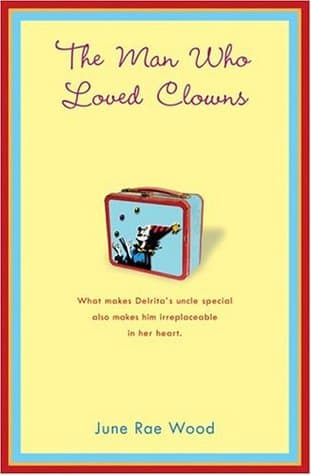
June Rae Wood (1992)
Genre
Children's / Young Adult
Reading Time
225 min
Key Themes
See below
Sign in to track this book
A shy girl, Delrita, struggles with how people see her uncle with Down Syndrome. Tragedy changes their quiet life, forcing her to face her fears and learn to trust and love.
Delrita, a twelve-year-old, lives with her parents in rural Missouri. Her life is mostly shaped by her relationship with her Uncle Punky, her mother's younger brother, who has Down syndrome. Punky, though an adult, thinks like a young child and deeply loves clowns and circuses. Delrita adores him but is fiercely protective, always guarding against others' stares and taunts. She often feels invisible, a state she prefers, believing it helps shield Punky from judgment. Their routine involves frequent visits, shared simple joys, and Delrita's quiet watch over Punky in a world that often doesn't understand him.
A trip to the county fair is a highly anticipated event for Punky, who loves the rides, games, and especially the clowns. For Delrita, however, it is a source of great worry. She tries her best to ensure Punky enjoys himself, but she is very aware of the whispers and stares from other fairgoers. The judging looks and the way people sometimes talk about Punky hurt Delrita deeply, strengthening her desire to keep him hidden and her own feelings of inadequacy and shame, even as she cherishes their happy moments, like watching Punky's pure joy at the clown show.
Delrita starts a friendship with a new girl at school, Cedar, who is outgoing and doesn't care what others think. Cedar's open and accepting nature first makes Delrita uneasy, as she is used to keeping people distant. Delrita struggles with introducing Cedar to Punky, fearing Cedar's reaction and possible ridicule. She desperately wants a friend but is terrified of revealing her vulnerable secret—her family's unique situation and her uncle's condition. This inner conflict shows Delrita's deep fear of judgment and her struggle to balance her love for Punky with her wish for social acceptance.
Punky's biggest passion is clowns. His room is full of clown items, he watches clown shows whenever he can, and he dreams of the circus. This obsession, while sometimes embarrassing for Delrita when others mock it, is also a window into Punky's innocent and joyful world. Delrita often uses Punky's love for clowns to connect with him, sharing in his simple happiness. It is a pure and uncomplicated joy that sharply contrasts with the difficulties and worries of Delrita's own life, reminding her of the beauty in Punky's unique perspective.
The family, including Delrita, her parents, Punky, and other relatives, goes for a day at the lake, a seemingly perfect summer outing. Punky, with his childlike excitement, is especially eager to swim. However, the day turns tragic when Punky, left alone for a brief moment, drowns. The suddenness of the loss stuns everyone. Delrita is particularly devastated, not only by losing her beloved uncle but also by a crushing sense of guilt, believing she should have been more careful in protecting him, despite her parents' reassurances.
After Punky's death, Delrita is overcome by intense grief, made worse by a heavy burden of guilt. She replays the lake events repeatedly, convinced that if she had been more attentive, if she hadn't been distracted for even a moment, Punky would still be alive. This self-blame isolates her further, making it hard to find comfort in her parents or Cedar. Her usual quietness turns into deep sadness, and her invisibility now feels like a heavy cloak rather than a shield. The joy she once found with her uncle is replaced by an aching emptiness.
After Punky's death, Cedar proves to be a surprisingly strong and understanding friend. Unlike others who offer empty words or avoid the topic, Cedar is simply present, offering quiet, steady support that Delrita desperately needs. Cedar doesn't try to fix Delrita's grief but sits with her in it, listening and empathizing without judgment. This loyal friendship slowly starts to break down Delrita's protective walls, showing her that opening up to others doesn't always lead to pain or ridicule, and that true friendship can be a source of great comfort and strength.
As Delrita struggles with her grief and guilt, her heartbroken mother shares a long-held secret about Punky's birth. She reveals that Punky was born early and had complications that caused his Down syndrome, a fact she had hidden from Delrita, fearing it would be too much for her to understand. This revelation, though painful, begins to ease some of Delrita's self-blame. It helps her understand that Punky's condition was not anyone's fault and that his life, though short, was a gift, not a burden, to their family.
Slowly, with Cedar's encouragement and her mother's honesty, Delrita begins to find her voice. She starts to talk about Punky, sharing stories and memories of his joyful spirit, his love for clowns, and their unique bond. This act of speaking out, rather than retreating into silence, is a key step in her healing. It allows her to honor Punky's memory openly and to process her grief in a healthier way. She realizes that hiding Punky's life, or her love for him, disrespects his lively spirit and her own ability to love.
As Delrita continues to heal, she learns to accept the love and support from her parents, Cedar, and other family members. She understands that Punky's life, though brief, deeply affected everyone who knew him, especially her. She begins to see that love, even with sorrow, is a powerful and transforming force. Delrita's journey ends with her embracing her own identity, no longer wishing for invisibility, and understanding that opening her heart, despite risks, is essential for a full and meaningful life. Punky's memory becomes a source of strength, not just pain.
The Protagonist
Delrita transforms from a withdrawn, guilt-ridden girl into a more open, resilient individual who can articulate her feelings and accept support from others.
The Supporting
Punky's character remains consistent in his joyful innocence; his arc is felt through his profound impact on Delrita's growth.
The Supporting
Cedar's character remains a steadfast source of support, her arc is in her deepening friendship with Delrita.
The Supporting
She moves from a position of guardedness and secrecy to one of open communication and shared vulnerability with her daughter.
The Supporting
His character remains consistent as a supportive and stable figure for his family.
The Mentioned
Aunt Mae's character serves to illustrate the extended family's role; she does not have a significant personal arc.
This theme looks at the difficulty of accepting oneself and others, especially those who are different. Delrita's initial wish to be invisible comes from her fear of judgment about Punky. She constantly feels she needs to protect him from a world that doesn't understand Down syndrome, leading her to feel shame. The fair scene, with its stares and whispers, clearly shows this. Her journey involves learning to openly accept Punky's unique qualities and, in turn, accepting herself and her family without shame. Cedar's steady acceptance of both Delrita and Punky is important in this change, showing Delrita that true belonging comes from being real, not from hiding.
“I wanted to be invisible, to disappear into the crowd so no one would notice Punky, or me with Punky.”
The novel deeply explores grief, especially the intense and complicated grief Delrita feels after Punky's accidental death. Her grief is made worse by immense guilt, as she blames herself for not protecting him enough. Immediately after the tragedy, she withdraws into silence and self-blame. The healing process is slow, involving her mother revealing a family secret, which helps ease some of her guilt. Importantly, by opening up to Cedar and her parents, and by choosing to remember Punky openly instead of hiding her sorrow, Delrita begins to heal and find a way to carry her love without the crushing weight of guilt.
“The worst part was the guilt, a heavy, cold stone in my stomach that wouldn't go away.”
Love, in its various forms, is the main force in the story. Delrita's deep, protective love for Punky is the basis of her character and her initial wish for invisibility. Punky's innocent, unconditional love for clowns and his family shines throughout the story, showing the beauty of pure affection. The novel also shows the transforming power of platonic love through Cedar's steady friendship, which gives Delrita the support she needs to deal with her grief. Ultimately, the story suggests that while love can bring sorrow and pain, it is also the most powerful force for healing, connection, and personal growth, allowing characters to open their hearts despite being vulnerable.
“Love was a tricky thing. It could make you happy, but it could also make you hurt worse than anything.”
This theme is shown by the contrast between Punky's innocent, carefree view of the world and Delrita's growing awareness of its difficulties and cruelties. Punky lives in pure joy and fascination, especially with clowns, largely unaware of society's judgments. Delrita, however, sees the world through her worry about Punky, forcing her to confront the ugliness of prejudice and the pain of loss at a young age. Her journey involves navigating this difference, learning to protect innocence while also developing the resilience and understanding that come with difficult experiences. She tries to keep a piece of Punky's joy within herself even after his death.
“Punky saw the world in bright colors, like a circus. I saw it in shades of gray, always watching for the shadows.”
Allows intimate access to Delrita's internal thoughts and emotions.
The story is told from Delrita's first-person perspective, which is crucial for conveying her deep-seated anxieties, her protective instincts towards Punky, and her profound grief. This narrative choice immerses the reader directly into her emotional world, making her internal struggles with shame, guilt, and the desire for invisibility palpable. It allows the reader to understand the nuances of her love for Punky and the weight of her responsibilities, making her eventual journey towards openness and acceptance all the more impactful and relatable.
Represents innocence, joy, and a hidden vulnerability.
Clowns are Punky's ultimate passion, symbolizing his childlike innocence, uninhibited joy, and the simple beauty he finds in the world. For Delrita, clowns initially represent a source of both shared happiness with Punky and potential embarrassment, as she fears others will mock his obsession. After Punky's death, the clowns evolve into a poignant symbol of his memory and the enduring spirit of joy he brought into her life. They remind her that even behind a painted smile, there can be deep emotion and that true happiness often comes from embracing what others might deem foolish or different.
A withheld truth that contributes to Delrita's guilt and isolation.
The secret about Punky's premature birth and the complications that led to his Down syndrome, kept by Delrita's mother, serves as a significant plot device. Its revelation after Punky's death is a turning point for Delrita, helping to alleviate her crushing guilt. This device highlights the burden of unspoken truths within families and how they can affect individuals. The secret's unveiling allows for deeper understanding, forgiveness, and ultimately, helps Delrita and her mother to connect on a more vulnerable and honest level, fostering healing.
A tragic inciting incident that propels Delrita's emotional arc.
Punky's accidental drowning is the central tragic incident that irrevocably alters Delrita's life and drives the core of her emotional arc. It serves as a stark turning point, forcing Delrita to confront profound grief, guilt, and the impermanence of life. This event shatters her desire for invisibility and forces her to engage with her emotions and rely on others. Without this tragedy, Delrita would likely remain in her protective shell, making the drowning a critical plot device for her character's transformation and the exploration of the novel's themes of grief and healing.
“Every kid needs a hero, and sometimes, the best heroes are the ones who can make you laugh.”
— Poppy reflecting on her Uncle Sunny's role in her life.
“It's not about being perfect, it's about being real. And real people make mistakes, even the ones you love most.”
— Poppy grappling with Sunny's challenges.
“Sometimes, the hardest thing to do is to let go of the way you thought things would be, and just accept the way they are.”
— Poppy coming to terms with changes in her life and family.
“Laughter is like a bridge. It can connect people even when words can't.”
— Describing the power of Sunny's clowning.
“You can't choose your family, but you can choose how you love them.”
— Poppy's evolving understanding of her family dynamics.
“Being different isn't a bad thing. It just means you have to work a little harder to find your place.”
— Relating to Uncle Sunny's unique personality and challenges.
“The world needs more kindness, and sometimes, a smile is the easiest way to give it.”
— Sunny's philosophy of making people happy.
“Growing up doesn't mean you have to stop believing in magic. It just means you learn to find it in different places.”
— Poppy's transition from childhood innocence to a more mature perspective.
“It's not always about fixing everything. Sometimes, it's just about being there.”
— Poppy's quiet support for her uncle.
“Even when things are hard, there's always something to be grateful for, if you just look for it.”
— Poppy trying to maintain a positive outlook.
“A good story can make you forget your troubles, even if just for a little while.”
— The escapism and comfort found in stories and performances.
“True strength isn't about never falling down, it's about getting back up, every single time.”
— Uncle Sunny's struggles and Poppy's observations.
“Sometimes the most important lessons are learned not from what people say, but from what they do.”
— Poppy learning from Sunny's actions and life.
Ready to see how well you understood this book? Take our interactive quiz with 10 questions.

Dan Gemeinhart
4.5

Kate O'Hearn
4.4

Jeanne Birdsall
4.4

Jen Wang
4.4

Wendelin Van Draanen
4.3

John Marsden
4.3

Chris Van Allsburg
4.3

Jennifer A. Nielsen
4.2