“There are people who can never be happy because they are always longing for something else.”
— A reflection on the nature of happiness and desire.

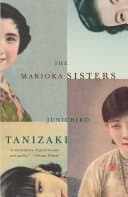
Jun'ichirō Tanizaki (2010)
Genre
Historical Fiction
Reading Time
1200 min
Key Themes
See below
Sign in to track this book
In pre-WWII Osaka, the Makioka sisters navigate a world of vanishing traditions and intricate social rituals, their family's fading prestige illuminated by Tanizaki's nostalgic and precise prose.
The story begins with the four Makioka sisters—Tsuruko, Sachiko, Yukiko, and Taeko—living in different homes after their Osaka family lost its standing. Tsuruko, the oldest, represents the main family line in Osaka. Sachiko and her husband, Teinosuke, have a branch house in Ashiya. The main problem is the marriage of Yukiko, the third sister, who is twenty-nine. Her younger sister, Taeko, cannot marry until Yukiko does, as is customary. The novel details Sachiko and Teinosuke's efforts to find Yukiko a husband through omiai (formal marriage interviews). Their first serious prospect is Mr. Segi, a diplomat. But Yukiko's shyness and the family's close scrutiny lead to the proposal's failure, frustrating Sachiko.
Taeko, the youngest and most modern sister, causes both pride and worry for the family. A few years earlier, she briefly ran off with Okuhata, a jeweler's son. This caused a small scandal and was in the newspapers. The family stopped the elopement from becoming a full marriage, but the 'Okuhata affair' damaged the Makioka family's name. This past event makes Yukiko's omiai harder, as potential suitors worry about being linked to a family with a 'blemish.' Sachiko and Teinosuke try to hide or downplay Taeko's past. This shows how important reputation is in their society.
After the Segi failure, Sachiko and Teinosuke arrange more omiai for Yukiko. These meetings are often awkward. Yukiko's quiet nature makes it hard for her to talk to suitors. The family's high standards, especially Tsuruko's wish for a prestigious match, also lead to rejections. One suitor is Mr. Mimaki, a charming but poor man from a noble family. Sachiko likes him at first, but Tsuruko rejects him. Another is Mr. Sawazaki, a successful businessman, but his family background is not good enough. Each failed attempt adds to the family's stress and Yukiko's growing sadness, while Taeko becomes more eager to marry.
Frustrated by delays in her own marriage and her sisters' strict expectations, Taeko focuses on doll-making and fashion design. She wants to open her own shop and be financially independent. This upsets Tsuruko and, to a lesser degree, Sachiko, who think such work is not suitable for a Makioka sister. Taeko also starts relationships with men the family does not approve of, including Itani, a bar owner who becomes her business partner, and later, Mr. Miyoshi, a photographer. Her modern goals and romantic choices show the generational conflict in the family and the changing society of pre-war Japan.
Sachiko and Teinosuke's young daughter, Etsuko, gets very sick with a fever. This health crisis temporarily shifts the family's focus from Yukiko's marriage, bringing the sisters together in concern. Sachiko, a devoted mother, is very upset by Etsuko's condition, showing her caring side. The illness also lets the sisters gather, sharing worries and offering support, despite their underlying tensions about Yukiko and Taeko. Etsuko recovers, allowing the family to resume finding a husband for Yukiko, but with a new awareness of how fragile life is and how important family ties are.
Taeko's relationships continue to worry the family, especially Sachiko. After her time with Itani, she becomes seriously involved with Mr. Miyoshi, a photographer, and considers marrying him. Tsuruko and Sachiko strongly disapprove of this choice. Miyoshi is from a lower social class and is not considered a suitable match for a Makioka. Sachiko tries to stop Taeko, fearing more damage to the family's name and Yukiko's chances. Taeko, however, wants to follow her heart and find her own happiness, even if it means going against her sisters and social norms. This shows her rebellious spirit.
The search for Yukiko's husband becomes more urgent as she nears thirty. Sachiko and Teinosuke look at new options, including Mr. Hashioka, a promising but eccentric man, whom Yukiko finds acceptable. However, the family's careful checks find small flaws or perceived problems, leading to another rejection. The process is tiring for everyone, especially Yukiko, who remains quiet but longs for a decision. These repeated failures highlight the strict social expectations and the difficulty of finding a 'perfect' match that satisfies the whole, often divided, Makioka family.
Yukiko develops a rash and feels unwell, which the family thinks is due to stress from the long marriage search. Sachiko, worried about her sister's health, takes Yukiko to Tokyo for a change of scene and to look for suitors there, hoping that distance from Osaka's gossip might help. This trip shows different social groups and a slight change in the sisters' views. In Tokyo, they consider new omiai prospects, but the main problems—Yukiko's shyness and the family's high standards—remain. This shows that a change of place alone cannot fix their deep-seated issues.
In a surprising turn, Taeko becomes pregnant by Mr. Okuhata, the same man from her earlier scandal, who is now married. This is a devastating blow to the Makioka family's reputation and causes great distress, especially to Tsuruko and Sachiko. The family has to deal with the scandal directly, with Sachiko leading the crisis management. Taeko miscarries, but the incident further confirms her reputation as a wild and unconventional sister. This affair highlights the severe results of defying social norms in pre-war Japanese society and its lasting impact on the whole family.
After many disappointments, a new prospect, Mr. Fukuzawa, is introduced. He is a quiet, respectable man from a good family, though he has a slight hearing problem. Despite this small flaw, the family, tired from years of searching, finds him acceptable. Yukiko, now thirty-one, is more open to the match, having accepted her situation. Sachiko and Teinosuke carefully check Fukuzawa's background, and the omiai proceeds with careful hope. This match is the family's last, most serious attempt to secure Yukiko's future and, by extension, allow Taeko to live her own life without the weight of tradition.
After the successful omiai with Mr. Fukuzawa, Yukiko's engagement is made official. The family feels a great sense of relief and accomplishment, though also sadness at seeing Yukiko leave home. Wedding preparations begin, carefully following traditional customs. Yukiko, always quiet, accepts her fate with dignity. Her departure is a major turning point, not just for her, but for the whole Makioka family. It signals the completion of a long-held duty and the end of a chapter that has dominated their lives for years. The focus now shifts slightly to Taeko's future.
With Yukiko married, Taeko is finally free to make her own choices. Despite the family's continued disapproval, she decides to marry Mr. Miyoshi, the photographer, or at least pursue a life with him. This signals her complete break from traditional expectations. The novel ends with a sense of the Makioka family's decline and the fading of their old way of life. Tsuruko and Sachiko continue to uphold tradition, but Taeko's independent path shows the irreversible changes happening in pre-war Japan. The story concludes with the family facing an uncertain future on the brink of World War II, their old world slowly disappearing.
The Supporting
Sachiko's arc involves a gradual acceptance of the changing times, recognizing the limitations of tradition while striving to uphold her family's honor.
The Protagonist
Yukiko's arc is one of quiet resignation, moving from a hopeful, albeit passive, participant to a weary acceptance of her arranged fate.
The Supporting
Taeko's arc is a defiant journey towards self-determination, culminating in her embracing an unconventional life despite family disapproval.
The Supporting
Tsuruko's arc shows her unyielding adherence to tradition even as the world around her rapidly changes, highlighting the obsolescence of her values.
The Supporting
Teinosuke's arc demonstrates his unwavering loyalty to his wife's family, diligently working towards their collective goals despite personal frustrations.
The Supporting
Itani's arc is brief, serving as a catalyst for Taeko's burgeoning independence before she moves on to other relationships.
The Supporting
Miyoshi's arc culminates in his becoming Taeko's chosen life partner, solidifying her break from traditional family expectations.
The Mentioned
Okuhata's presence serves as a recurring symbol of past indiscretions and their long-lasting repercussions on the Makioka family's reputation.
The Supporting
Etsuko's arc is brief, serving primarily to reveal Sachiko's maternal depth and the family's capacity for shared concern.
The novel details the fading glory of the Makioka family, once a prominent Osaka merchant house. Their struggle to arrange Yukiko's marriage, with its focus on lineage, reputation, and customs, highlights how old values were becoming outdated in a Japan modernizing before World War II. The family's financial struggles and the constant need to appear wealthy and proper, despite their decreasing assets, underscore this decline. Tsuruko shows strict adherence to these fading traditions, while Taeko's rebellious spirit directly challenges them, showing the generational shift away from the old order.
“For the Makiokas, a good marriage was not simply a matter of love or even money; it was a matter of preserving the family name, of maintaining a certain social standing.”
The lives of the four Makioka sisters show the societal expectations and limits placed on women in pre-war Japan. Yukiko's life centers on finding a suitable marriage, a process she has little control over. Her shyness and passive nature are both results of these limits. Taeko, in contrast, actively fights these norms, pursuing a career and choosing her own partners, often at great personal and family cost. Sachiko finds a middle ground, balancing traditional duties with a more modern, practical view. The novel explores how these women are shaped by, and react to, a patriarchal society that dictates their worth and future.
“A girl of her age, unmarried, was a constant source of anxiety, a burden on the family's conscience and reputation.”
Throughout the novel, the Makioka family's actions are heavily influenced by the need to maintain their 'face' and reputation in society. Taeko's past 'Okuhata affair' and later pregnancy are disastrous not just for her, but for the entire family's marriage prospects, especially Yukiko's. The omiai process itself is an elaborate show where appearances, family background, and perceived flaws are closely examined. Sachiko and Teinosuke constantly plan to present the best image of Yukiko and to downplay any family scandals. This theme highlights the intense social pressure and the value placed on public perception in their upper-class world.
“A blemish on the family name, however small, was a blemish that spread, tainting every member.”
Tanizaki fills the story with a deep feeling of longing for a vanishing era of elegant Osaka culture. The detailed descriptions of traditional customs, seasonal festivals, kimonos, and food paint a loving, almost sad, picture of a world slowly disappearing. The repeated references to the 'old days' and the family's attempts to hold onto past glories emphasize this theme. Time passes, marked by changing seasons and the aging of the sisters, especially Yukiko, as her marriage chances lessen. The novel is a sad tribute to the beauty and grace of a refined way of life about to be lost forever due to modernization and coming war.
“The past, for the Makiokas, was not merely a memory but a living presence, a standard against which the present always fell short.”
A central conflict in the novel is between the sisters' individual desires and their perceived duties to the Makioka family name. Yukiko's personal feelings are always less important than the family's need to secure a prestigious match. Taeko's entire struggle is a battle to put her own happiness, artistic goals, and romantic choices ahead of her sisters' expectations and the demands of family honor. Sachiko often feels torn between her affection for her sisters and her duty to uphold tradition. This conflict highlights the major shifts happening in Japanese society, where individualism was starting to challenge old collective values.
“To be a Makioka meant to sacrifice one's own desires for the good of the family name, to bear burdens silently.”
The central ritual driving the plot, revealing social customs and character.
The omiai is the primary plot device, serving as the engine for Yukiko's protracted marriage search. Each omiai functions as a mini-drama, introducing new characters (suitors and their families) and revealing intricate social protocols, expectations, and judgments. It highlights the family's meticulous standards, the importance of background checks, and the delicate dance of negotiation. The repeated failures of these interviews create dramatic tension, frustration, and a sense of mounting pressure for the Makioka family, while also showcasing Yukiko's passive personality and the societal constraints placed upon her.
A past scandal that serves as a persistent obstacle to family reputation and marriage prospects.
The 'Okuhata affair' is a crucial plot device, referring to Taeko's past elopement attempt. Although it happened before the novel's main timeline, its lingering repercussions significantly impact the Makioka family. It damages their reputation, making it harder to find suitable matches for Yukiko, and provides a constant source of anxiety and disapproval from Tsuruko. This device demonstrates the long-lasting effects of social transgression in pre-war Japan and the weight of family honor. Its re-emergence with Taeko's later pregnancy further solidifies its role as a narrative linchpin for scandal and consequence.
Immersive cultural details that establish setting, mood, and thematic elements.
Tanizaki uses extensive, loving descriptions of traditional Japanese customs, seasonal festivals, clothing (kimonos), food, and landscapes as a significant plot device. These details are not merely decorative; they immerse the reader in the opulent, intricate world of pre-war Osaka aristocracy, establishing a strong sense of place and time. They also serve a thematic purpose, highlighting the beauty and fragility of a vanishing culture, evoking nostalgia, and contrasting the elegance of the old world with the anxieties of the new. The changes in seasons often mirror the emotional shifts and progression of the marriage search.
Physical conditions that reflect emotional states and societal pressures.
Various illnesses and physical ailments serve as symbolic plot devices. Yukiko's recurring rashes and general malaise are often attributed to the stress and anxiety of her prolonged marriage search, externalizing her internal suffering. Etsuko's severe illness provides a moment of family unity and highlights the fragility of life. Taeko's later pregnancy and miscarriage are physical manifestations of her defiance and the severe consequences of her actions. These physical symptoms underscore the emotional toll of societal expectations, family burdens, and personal struggles, adding a layer of realism and psychological depth to the characters' experiences.
“There are people who can never be happy because they are always longing for something else.”
— A reflection on the nature of happiness and desire.
“The feeling of being watched, even if by a person of no consequence, can be a great restraint.”
— Reflecting on the social pressures and expectations faced by the sisters.
“For a woman, it is not enough to be beautiful; she must also be fortunate.”
— A thought on the combination of beauty and luck required for a woman's success in marriage.
“The past, once it's gone, is gone forever. But sometimes, it comes back to haunt you.”
— A contemplation of how past events and decisions continue to influence the present.
“No matter how much you try to protect your children, they will inevitably face their own difficulties.”
— Parents' anxieties about their children's future and independence.
“It is a woman's fate to be swayed by the opinions of others, especially those of her family.”
— Yukiko's struggles with her family's expectations regarding her marriage.
“Life is a series of partings, and one must learn to accept them.”
— A melancholic reflection on the transient nature of relationships and life stages.
“The most ordinary things can sometimes hold the most profound beauty.”
— Observing the subtle beauty in everyday life and nature.
“To be truly happy, one must be able to live with uncertainty.”
— A philosophical musing on the nature of happiness in an unpredictable world.
“The greater the expectation, the greater the disappointment.”
— Characters facing the reality of unmet expectations in their lives.
“There is a certain sadness in seeing things change, even if for the better.”
— A nostalgic look at the changing times and traditions in Japan.
“A woman's beauty is a fragile thing, easily damaged by time and circumstance.”
— Concerns about the aging of the sisters and its impact on their marriage prospects.
“True elegance is not about what you wear, but how you carry yourself.”
— A commentary on the deeper aspects of grace and deportment.
Ready to see how well you understood this book? Take our interactive quiz with 10 questions.
Biography coming soon.







