“It was a mistake for me to come here. I don't belong here. I don't belong anywhere.”
— Miri's initial feelings of displacement and unhappiness upon arriving at the new house.

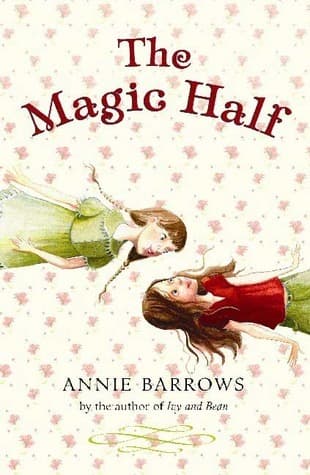
Annie Barrows (2008)
Genre
Fantasy / Children's / Historical Fiction / Science Fiction
Reading Time
212 min
Key Themes
See below
Sign in to track this book
Transported to 1935 by an old farmhouse, Miri, a lonely middle child, discovers a chance to create her own family by helping a girl from the past find hers.
Eleven-year-old Miri is a 'half' – the only single child in a family with two sets of twins: older brothers, Bobby and Donald, and younger sisters, Jill and Jane. Her family, including her parents, decides to move from their city apartment to a large, old farmhouse in the country. Miri feels displaced and lonely, often overlooked among the twin pairs. The house is a fixer-upper, and Miri is drawn to a small, dusty room on the second floor, which she claims as her own. She starts exploring the house, feeling a pull towards certain areas and a general sense of unease mixed with curiosity about the house's history. The move makes her feel more different and alone within her boisterous family.
While exploring her new room, Miri discovers a large, ornate mirror hidden behind furniture. One day, out of boredom, she steps through the mirror. To her astonishment, she finds herself in the exact same house, but everything is different: the decor, the clothing, and the general atmosphere. She quickly realizes she has traveled back in time to 1935. Here, she meets a girl named Molly, who is roughly her age. Molly is an orphan, living with an unkind aunt and uncle who treat her more like a servant than a family member. Molly is desperately lonely and longs for a family, immediately finding a kindred spirit in Miri, who she believes is a new neighbor.
Miri quickly understands what time travel means and decides to keep it a secret from her family. She begins to regularly visit Molly in 1935 through the mirror. Their friendship grows, and Miri learns more about Molly's difficult life, including the harsh chores she's forced to do and the emotional neglect she suffers from her aunt and uncle, Mrs. and Mr. O'Malley. Miri, in turn, shares stories of her modern life, careful not to reveal too much about the future. Miri finds a sense of belonging and purpose in her friendship with Molly, something she often feels is missing in her own time. She tries to bring Molly small comforts and hopes to somehow improve her friend's situation.
As their friendship deepens, Molly repeatedly expresses her yearning for a family that truly loves her and treats her as one of their own. She talks about how much she wishes she had siblings and parents who cared. These confessions make Miri increasingly uncomfortable. While Miri enjoys her visits to 1935 and genuinely cares for Molly, she struggles with the weight of Molly's longing. She knows she cannot bring Molly to her own time, nor can she fundamentally change Molly's past circumstances. Molly's desperate wishes highlight Miri's own sometimes unappreciated family life, and she starts to feel guilty about her earlier complaints.
Miri's frequent disappearances into her room and her sometimes strange behavior don't go unnoticed. Her younger twin sisters, Jill and Jane, who are usually inseparable, become curious. One day, they secretly follow Miri into her room and witness her stepping through the mirror. Shocked and intrigued, they confront Miri, who is forced to reveal her secret. Initially, the twins are scared but quickly become excited by the idea of time travel. Miri, initially annoyed, realizes she needs their help and explains the importance of keeping Molly's existence and the mirror a secret from their parents and older brothers, Bobby and Donald.
With Jill and Jane now aware of the time-traveling mirror and Molly, the trio forms a pact to help their new friend. The twins are enthusiastic, full of ideas, and determined to bring Molly into their family. Miri, however, is more cautious. She understands the potential dangers and the irreversible consequences of altering the past. She feels the immense pressure of responsibility for Molly's future, knowing that any mistake could have unforeseen repercussions. Despite her apprehension, she is touched by her sisters' genuine desire to help and their newfound understanding of her unique situation.
During one of Miri's visits to 1935, she witnesses Mrs. O'Malley's escalating cruelty towards Molly. The aunt is particularly harsh, denying Molly basic comforts and making her work excessively. Molly is distraught and more desperate than ever to escape her situation. This direct observation of Molly's suffering solidifies the sisters' resolve. They realize they can't just stand by; they have to do something to help Molly escape her miserable life. The urgency of the situation becomes clear, pushing Miri to consider more drastic measures, even if they involve greater risks of disrupting the timeline.
The three sisters devise a plan to bring Molly from 1935 to their own time. They orchestrate a moment when Molly can slip away from her aunt and uncle, and Miri guides her to the mirror. However, as Molly steps through, something goes wrong. Instead of arriving in Miri's modern-day room, Molly is transported to a different part of the house, and she appears much younger, almost a baby. The sisters are horrified and confused, realizing their attempt to 'rescue' her has had an unexpected and potentially disastrous outcome, complicating their mission even further and adding to Miri's growing anxiety.
Molly, now an infant, is crying and helpless. The sisters are in a panic. They can't explain a baby suddenly appearing in their house to their parents, especially since they're already struggling with the demands of their own two younger children. Miri, Jill, and Jane must quickly figure out how to care for baby Molly while also trying to understand why the time travel malfunctioned and how to reverse it. The situation highlights the immense responsibility they've taken on and the unforeseen consequences of tampering with time. Their secret is now much more complicated and dangerous to keep.
Desperate for answers, Miri continues to explore the house, hoping to find a clue. She stumbles upon an old diary hidden in a secret compartment. The diary belonged to a previous resident of the house, who wrote about a 'magic half' – a specific time or condition under which the mirror functioned correctly. More importantly, the diary reveals a tragic detail about Molly's past: Molly was originally abandoned as a baby near the house in 1935. This explains why Molly appeared as an infant when they tried to bring her to the present; the mirror was returning her to her earliest known point in time relative to the house.
The diary entries detail that the mirror only works as a stable portal when a specific condition, the 'magic half,' is met. This condition relates to the presence of two sets of twins and a single child in the house. The previous resident, who also had a family configuration of two sets of twins and a single child, used the mirror successfully. Miri realizes that her own family, with Bobby and Donald, and Jill and Jane, and herself, perfectly matches this configuration. This understanding gives them hope for safely bringing Molly forward in time, but it also shows the delicate balance required for the magic to function.
Understanding the 'magic half' condition, Miri, Jill, and Jane carefully plan their next attempt. They bring baby Molly back to 1935, placing her in the exact spot where she was originally abandoned. Then, using the specific timing and conditions described in the diary, they retrieve her through the mirror. This time, the magic works perfectly, and Molly arrives in their present time as a child of their own age. With the help of their parents, who are initially bewildered but ultimately compassionate, Molly is adopted into their family, finally gaining the loving home and siblings she always yearned for. Miri no longer feels like the 'half' but part of a complete, larger family.
Molly quickly adjusts to her new life in the modern world and her new family. She embraces her new siblings and parents, thriving in an environment of love and stability. Miri, who initially felt like an outsider, now feels completely integrated into her family. The experience of helping Molly has brought Miri closer to her own siblings, particularly Jill and Jane, and has given her a sense of purpose and belonging. The family, once defined by its twin pairs, now feels whole and complete with Molly's addition, solidifying Miri's own unique and important role within it.
The Protagonist
Miri transforms from a lonely, self-pitying child into a compassionate and responsible leader who finds her unique place within her family.
The Supporting Character/Catalyst
Molly transforms from a neglected orphan to a cherished member of a loving family, finding the belonging she always dreamed of.
The Supporting Characters
They grow from typical sibling antagonists to supportive and integral partners in Miri's mission.
The Antagonist
Remains static in her cruelty, serving as the oppressive force Molly needs to escape.
The Supporting/Mentioned
Remains static, a silent enabler of his wife's cruelty.
The Supporting
They evolve from somewhat oblivious parents to deeply compassionate figures who embrace an unexpected addition to their family.
The Supporting
They remain largely static, representing the established family structure Miri navigates.
This is the central theme, explored through both Miri's and Molly's experiences. Miri, despite having a family, feels like an outsider as the only single child among two sets of twins. She longs for a unique place where she truly belongs. Molly, an orphan from 1935, literally has no family and yearns desperately for a loving home. Their intertwined journeys highlight different facets of this human need. Miri's decision to help Molly is driven by her empathy for Molly's plight, which resonates with her own, albeit less severe, feelings of loneliness. Ultimately, both girls find their sense of belonging through their connection and the creation of a new, expanded family.
“She was the magic half, the single one, the one who didn't quite fit.”
Miri's character arc is largely defined by her developing empathy and sense of responsibility. Initially focused on her own feelings of being overlooked, her encounters with Molly's harsh reality in 1935 force her to look beyond herself. Witnessing Molly's suffering, particularly at the hands of Mrs. O'Malley, ignites a strong sense of moral obligation in Miri. She takes on the responsibility of changing Molly's past, understanding the gravity of her actions. This theme is reinforced by Jill and Jane's enthusiastic, if sometimes naive, commitment to helping Molly, showing how empathy can inspire collective action and personal growth.
“Miri felt a shiver, not of cold, but of a sudden, heavy responsibility.”
The time-traveling mirror introduces the complex theme of time and its unalterable nature, as well as the potential consequences of altering it. Miri quickly learns that changing the past is not simple, as evidenced by Molly appearing as a baby during their first rescue attempt. The discovery of the 'magic half' condition highlights that time travel is governed by specific, delicate rules, and any deviation can have unforeseen and sometimes dangerous repercussions. The sisters' careful planning for the final rescue demonstrates their understanding of the need to respect and work within these temporal boundaries, rather than simply defying them.
“You can't just go changing things willy-nilly. The past is the past.”
While Miri initially feels isolated from her twin sisters, Jill and Jane, their shared secret and mission to save Molly forge an unbreakable bond. The story shows how sisterhood can evolve from typical sibling squabbles to a powerful alliance built on trust, shared purpose, and mutual support. Jill and Jane's unwavering enthusiasm and Miri's protective instincts towards them create a strong, united front. Their combined efforts are essential to Molly's rescue, demonstrating that even disparate individuals, when united by a common goal and familial love, can achieve extraordinary things. The addition of Molly further solidifies and expands this theme.
“It was a secret, a big, important, dangerous secret, and it was theirs.”
A magical mirror that serves as a portal between 1935 and the present.
The mirror is the central plot device, enabling Miri's time travel and all subsequent events. It functions as a magical gateway, allowing instantaneous passage between two distinct time periods within the same physical location – the farmhouse. Its unpredictable nature, initially transporting Molly as a baby, creates a significant challenge and drives the plot towards uncovering the 'magic half' condition. The mirror is more than a simple portal; it's a mysterious object whose rules must be understood and respected for stable time travel, adding an element of puzzle-solving to the narrative.
A specific family configuration required for stable time travel through the mirror.
This is a crucial plot device that provides the solution to the time-travel conundrum. The 'magic half' refers to the unique family structure of two sets of twins and a single child, which mirrors Miri's own family. This condition, discovered through the old diary, explains why the mirror works for Miri's family and why the first rescue attempt failed. It adds a logical, albeit magical, constraint to the time travel, preventing arbitrary changes to the past and emphasizing the importance of Miri's unique place within her family.
The setting that serves as a fixed point for time travel and holds clues to its magic.
The farmhouse is more than just a setting; it's an integral plot device. It's the constant physical location through which time travel occurs, connecting Miri's present to Molly's past. The house itself holds the secrets of the mirror, with the hidden diary and the specific room being crucial elements. Its age and history lend an air of mystery and provide the necessary backdrop for a time-slip narrative. The house effectively acts as a silent character, witnessing and facilitating the magical events.
An old journal that reveals the secrets of the time-traveling mirror.
The hidden diary serves as a classic exposition device. Discovered by Miri in a secret compartment, it provides the vital information about the 'magic half' condition and the history of the mirror's use within the house. Without the diary, the sisters would likely remain stumped by Molly's baby transformation and unable to successfully complete their mission. It's a convenient but effective way to deliver crucial backstory and the 'rules' of the magic, allowing the plot to resolve its central conflict.
“It was a mistake for me to come here. I don't belong here. I don't belong anywhere.”
— Miri's initial feelings of displacement and unhappiness upon arriving at the new house.
“The past is just as real as the present, you know. Sometimes more real.”
— Mrs. Gable explaining the nature of the portal and time travel to Miri.
“A house isn't just a place. It's a memory.”
— A reflection on the old house and its significance to the characters, particularly Mrs. Gable.
“Sometimes you have to be brave, even when you don't feel brave at all.”
— Miri's internal monologue as she contemplates making difficult choices and facing fears.
“The world is full of magic, if you just know where to look.”
— A general theme of the book, often implied by the magical elements Miri discovers.
“You can't change what happened, but you can change how you feel about it.”
— A piece of wisdom offered to Miri as she struggles with past events and their impact.
“It's a lonely thing, being the only one who knows the truth.”
— Miri's isolation as she keeps her time-traveling secret from her family.
“Family isn't always about who you're born to. Sometimes it's about who you find.”
— Miri's growing bond with Molly and the understanding of their connection.
“The most important adventures are the ones you don't expect.”
— A reflection on Miri's unplanned journey into the past and its profound impact.
“Everything has its own time, and its own place.”
— Mrs. Gable's philosophical statement about the order of the universe and time.
“Some things are meant to be. You just have to let them happen.”
— A guiding principle for Miri as she navigates the magical elements and her role.
“It's never too late to make things right.”
— Miri's motivation to help Molly and correct past wrongs.
“Sometimes the best way to help someone is to let them help themselves.”
— Miri learning to empower Molly, rather than just solving her problems for her.
“The smallest choices can change everything.”
— Miri's realization about the butterfly effect of her actions in the past.
Ready to see how well you understood this book? Take our interactive quiz with 10 questions.

Annie Barrows is the acclaimed author of the popular "Ivy & Bean" series, including "Ivy and Bean Take Care of the Babysitter" and "Ivy and Bean Break the Fossil Record." She also penned the middle-grade fantasy novel "The Magic Half." Barrows is known for her engaging storytelling and relatable characters, appealing to young readers.







