“I can't tell you how I do it because I don't even know myself.”
— The narrator explaining her magical ability with the Magic Finger.

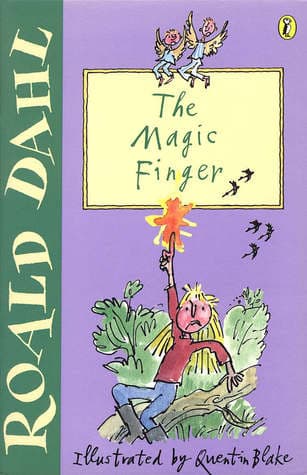
Roald Dahl (1966)
Genre
Fantasy / Children's / Young Adult
Reading Time
30 min
Key Themes
See below
Sign in to track this book
When a young girl's uncontrollable 'magic finger' transforms her hunting-obsessed neighbors into birds, they discover the terrifying reality of life as the hunted.
The unnamed eight-year-old narrator introduces herself and her 'Magic Finger'—a power that, when she gets extremely angry, causes her finger to glow and inflict strange punishments. She recounts an incident where she gave her teacher, Mrs. Winter, a tail for scolding her. The narrator lives next door to the Gregg family: Mr. Gregg, Mrs. Gregg, and their two children, Philip and William. The Greggs are avid hunters, a hobby the narrator detests. She frequently tries to persuade them to stop, but they only laugh at her concerns, dismissing her pleas.
One Saturday morning, the narrator observes Mr. Gregg, Philip, and William preparing for a duck hunt. Despite her strong protests and pleas, the Greggs are determined. They depart for the hunt and later return with thirty-two dead ducks. The sight of the lifeless birds, coupled with the Greggs' disregard for her feelings, ignites the narrator's fury. She feels her Magic Finger begin to tingle and glow, signaling that a powerful and uncontrolled transformation is about to occur. The Greggs remain unaware of the impending magic.
As the narrator's anger peaks, her Magic Finger unleashes its power. The Gregg family—Mr. Gregg, Mrs. Gregg, Philip, and William—suddenly begin to shrink and sprout feathers. Their arms become wings, and their mouths become beaks. In a flash, they all turn into tiny, wild ducks, no bigger than the ducks they had just hunted. They are bewildered and terrified by their sudden metamorphosis, unable to understand what has happened or how to reverse it. Their house, once their comfortable home, now seems impossibly large and alien.
Confused and disoriented, the bird-Greggs manage to fly out of their house. They soon discover their own house has shrunk to the size of a bird's nest. They try to return to their normal house, but find it impossible. As night falls, cold and hungry, they must seek shelter. They find a duck's nest high in a tree, which, to their dismay, is already occupied by four large, real ducks. The Greggs huddle together in the uncomfortable nest, enduring a miserable night exposed to the elements, experiencing the vulnerability of the very creatures they used to hunt.
The next morning, the bird-Greggs, stiff and famished, fly back towards their home, hoping the magic has worn off. To their horror, they find that the four large ducks from the nest have now occupied their house. The real ducks are living inside, wearing the Greggs' clothes, eating their food, and generally making themselves at home. The bird-Greggs, unable to enter their own dwelling, realize they are truly homeless and helpless. They watch in despair as the real ducks enjoy the comforts of their former lives, while they shiver outside.
While the bird-Greggs are still reeling from the shock of their house being occupied, three of Mr. Gregg's hunting friends, including the Coopers, arrive. They are armed with shotguns, ready for a day of hunting. The bird-Greggs, flying nearby, suddenly find themselves targets. Mr. Cooper aims his gun directly at them. The bird-Greggs are terrified, realizing they are about to be shot by their own friends, experiencing firsthand the terror of being hunted. They manage to escape the immediate danger by frantically flying away, but the close call changes them.
After the near-death experience, the bird-Greggs fly to a pond, their spirits crushed. They are cold, hungry, and exhausted. They reflect on their situation, remembering their past actions as hunters. They vividly recall shooting ducks out of the sky and the joy they once took in it. Now, as ducks themselves, they understand the terror and pain they inflicted. This empathy marks a turning point for the family. They realize the cruelty of their former hobby and vow to never hunt again, if only they can return to their human forms.
The narrator, watching the suffering Greggs from her window, feels a mix of satisfaction and pity. As the Greggs, still in their duck forms, make a solemn promise aloud never to hunt again, the narrator's anger subsides. Her Magic Finger, which had been glowing, begins to fade. With a flash of light, the Greggs are instantly transformed back into their human selves, standing naked and bewildered by the pond. They are overjoyed to be human again, and their first act is to retrieve their clothes and rush home.
Back in their human forms, the Greggs immediately go to their house. They find the four real ducks still inside, enjoying their comforts. Instead of evicting them, the Greggs, remembering their own experience, decide to build a beautiful new house for the ducks by the pond. They also take down all their hunting guns and trophies, burying them in the garden. They become strong advocates for animal welfare, dedicating themselves to protecting creatures rather than harming them. The narrator observes their changed behavior with approval.
The narrator concludes her story by noting that the Greggs have truly changed, never hunting again. However, she then observes Mr. Cooper and his two sons, also avid hunters, walking by her house with their guns. Her Magic Finger begins to tingle once more, and she points it directly at the Cooper family. The story ends here, implying that the Coopers are about to experience a similar transformation or punishment for their hunting activities, hinting at the narrator's continued use of her power against those who harm animals.
The Protagonist
The narrator remains largely unchanged, acting as a catalyst for others' transformation and holding firm to her moral compass regarding animal welfare.
The Supporting/Antagonist (initially)
Transforms from a thoughtless hunter to an empathetic animal protector, learning to appreciate life from a new perspective.
The Supporting
Undergoes a similar transformation to her husband, moving from indifference to empathy regarding animal life.
The Supporting
Learns the harsh realities of being hunted, changing his view from a sport to a cruel act.
The Supporting
His perspective on hunting transforms from enjoyment to deep aversion after experiencing it firsthand as prey.
The Supporting/Mentioned
Represent the victims of hunting who temporarily gain the upper hand.
The Mentioned/Antagonist (implied)
Serves as a recurring symbol of persistent hunting, implying he will face the same fate as the Greggs.
The Mentioned
A static character serving as an example of the Magic Finger's past use.
The central theme is understanding others' experiences by literally walking in their shoes. The Gregg family, initially unaware of animal suffering, is forced to become ducks themselves. This transformation allows them to experience the terror of being hunted, the discomfort of living in a nest, and the vulnerability of prey. Their realization, 'We were the ducks!', highlights how direct experience can change one's perspective and create empathy, leading to a complete reversal of their values. This is shown when they build a new house for the real ducks, rather than simply evicting them.
“What a terrible thing it is to be a duck! What a terrible thing it is to be shot at!”
The book strongly advocates for the ethical treatment of animals and condemns hunting for sport. The narrator's anger at the Greggs' hunting stems from her belief that it is cruel and unnecessary. The Magic Finger enforces animal rights, punishing those who harm creatures. The Greggs' transformation is a powerful metaphor for the consequences of human actions on the animal kingdom. By the end, the Greggs become active protectors of animals, burying their guns and building a home for the ducks, symbolizing a shift towards a more compassionate relationship with nature.
“I hated the hunting. I hated the gun. I hated the way they all laughed when I asked them to stop.”
A key theme is that every action has consequences, especially when those actions cause harm to others. The Greggs' repeated disregard for the narrator's pleas and their continued hunting leads to their magical punishment. The Magic Finger ensures that they directly experience the negative results of their own behavior. The discomfort, fear, and loss they endure as ducks are direct consequences of their past actions as hunters. This theme is clear by the immediate reversal of the spell once they genuinely repent and promise to change, showing a cause-and-effect relationship between their morality and their fate.
“We were the ducks! We were the ones who were getting shot at!”
The story highlights how a child's perspective and moral convictions, even when initially dismissed, can hold significant power. The narrator, despite being only eight years old, holds a strong moral stance against hunting. Although the adults initially laugh at her, her 'Magic Finger' gives her a literal voice that cannot be ignored. Her power forces the adults to listen and learn, demonstrating that children's concerns and ethical insights should be taken seriously. The ending, with the narrator pointing her finger at the Coopers, suggests that this power will continue to be used to uphold her moral code.
“I tried to tell them to stop, but they only laughed at me.”
A supernatural power that transforms people when the narrator gets angry.
The Magic Finger is the central magical element and primary plot device. It is an uncontrollable power possessed by the unnamed narrator, which activates when she becomes extremely angry. It causes her finger to glow and inflicts bizarre, often animal-related, transformations or punishments on the offending party. It serves as an instrument of divine-like justice, directly manifesting the narrator's moral outrage into tangible consequences. The device drives the entire plot, initiating the conflict and resolving it by forcing the antagonists to experience the repercussions of their actions.
The primary method of punishment, forcing characters to experience life from an animal's perspective.
The transformation of the Gregg family into ducks is the key mechanism through which the story's themes are explored. This role reversal forces the hunters to become the hunted, experiencing the fear, vulnerability, and discomfort of the creatures they once casually killed. It's a literal application of the concept of 'walking in someone else's shoes,' allowing for profound empathy to develop. This device is crucial for the Greggs' character arc, making their change of heart believable and impactful, as it stems directly from their lived experience as ducks.
The physical dwellings symbolize the characters' status and values.
The Greggs' large, comfortable house symbolizes their human privilege and their detachment from nature. When they are transformed into ducks, their house becomes inaccessible and is then occupied by real ducks, while the Greggs are forced to live in a cold, exposed nest. This contrast highlights their loss of status and comfort, mirroring their newfound vulnerability. The subsequent building of a new house for the real ducks by the transformed Greggs symbolizes their complete change of heart and their new commitment to coexisting respectfully with animals, rather than dominating them.
A first-person perspective from a child with extraordinary power, enhancing the story's moral clarity.
The story is told from the first-person perspective of the unnamed eight-year-old narrator. This narrative choice allows the reader to directly access her moral indignation and strong convictions about animal welfare. Her lack of a name universalizes her experience, making her a representative of innocent justice. By filtering the events through her eyes, the story maintains a clear moral compass and emphasizes the straightforward, often black-and-white, ethical understanding of a child, making the message about the cruelty of hunting more impactful and less open to adult rationalizations.
“I can't tell you how I do it because I don't even know myself.”
— The narrator explaining her magical ability with the Magic Finger.
“All of a sudden, my right forefinger began to tingle.”
— The first sign that the Magic Finger is about to be used.
“It was the Magic Finger. I could feel it burning like fire.”
— The narrator describing the intense sensation of her activated power.
“They were all standing on their heads and flapping their arms.”
— The immediate effect of the Magic Finger on the Gregg family as they transform.
“The next morning, when they woke up, they were birds.”
— The Gregg family's complete transformation into ducks.
“They had wings instead of arms, and feathers all over their bodies.”
— Detailed description of the Greggs' new bird forms.
“They were ducks. Four enormous ducks.”
— The narrator's clear identification of the transformed Gregg family.
“It's not fair to shoot things just for fun.”
— The narrator's strong moral stance against hunting.
“They had to build a nest for themselves.”
— The Gregg family's struggle to adapt to their new bird lives.
“They were learning what it felt like to be a bird.”
— The Greggs gaining empathy through their transformation.
“They didn't like it one bit.”
— The Gregg family's negative reaction to their new, vulnerable existence.
“They never went hunting again.”
— The ultimate lesson learned by the Gregg family after their ordeal.
“I hope I never have to use my Magic Finger again.”
— The narrator expressing her wish that people would behave without needing magical intervention.
“It was a very queer sort of a day.”
— The narrator reflecting on the unusual events caused by the Magic Finger.
Ready to see how well you understood this book? Take our interactive quiz with 10 questions.
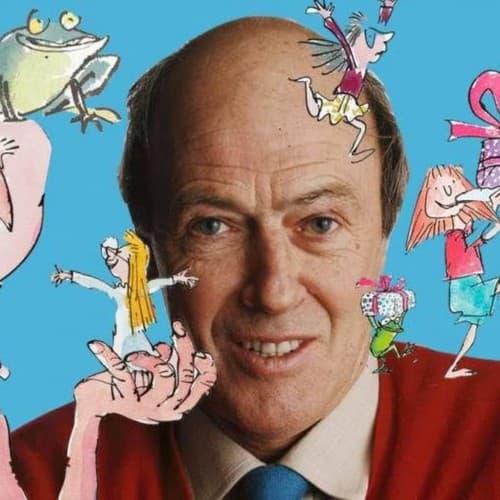
Roald Dahl was a British popular author of children's literature and short stories, a poet, and wartime fighter ace. His books have sold more than 300 million copies worldwide. Dahl has been called "one of the greatest storytellers for children of the 20th century".







