“The wind was a monster that day, a roaring, invisible beast that snatched hats and scarves and flung them into the churning waters of Lake Michigan.”
— Describes the weather and setting in the opening chapter.


Christopher Paul Curtis (2014)
Genre
Children's / Historical Fiction / Young Adult
Reading Time
480 min
Key Themes
See below
Sign in to track this book
In 1901 Michigan, the unlikely friendship between a Black boy and a white boy from neighboring towns blossoms as they uncover the truth behind the mysterious 'Madman of Piney Woods' haunting their shared forest.
In 1900, nine-year-old Benji and his grandmother, Mama-Jo, live in Sweetwater, Michigan, a mostly Black town. While gathering herbs in the Piney Woods, they have a chilling encounter. Mama-Jo senses a presence and tells Benji to stay still. A tall, thin figure, covered in bark and leaves, appears silently and watches them from a distance before disappearing. Mama-Jo calmly explains that this is the 'Madman of Piney Woods,' a legendary figure in local stories, believed to live deep within the forest and occasionally show himself to those who respect the woods. Benji is both scared and curious about the encounter, which sparks his interest in the figure.
Meanwhile, across the Piney Woods, in the segregated, mostly Irish immigrant town of Otsego, ten-year-old Steve 'Red' Hammell lives a harder life. Red lives with his strict father, a logger, and his younger sister, Rosie. Their mother recently died, leaving Red with many responsibilities. He often feels the sting of poverty and his father's rough manner. Red's days involve chores, school, and constant awareness of the social divisions between his town and Sweetwater. He often escapes into the woods, finding peace and freedom there, unaware that his path will soon cross with the legendary figure his father and other townsfolk also speak of with fear and superstition.
During a harsh Michigan winter, Red is trapping in the Piney Woods, a skill he has learned to help his family. He notices unusual tracks in the fresh snow – too large and oddly shaped to be from any common animal. The tracks lead deeper into an untouched part of the forest, sparking Red's adventurous spirit. He follows them for a while, feeling watched, but never seeing anyone. His father and the other loggers often tell tales of a 'wild man' or 'madman' living in the woods, a figure they blame for various misfortunes. Red's discovery of the tracks makes him wonder if these stories are true, deepening the forest's mystery.
Benji gets a severe fever, leaving him weak and confused. Mama-Jo, using her knowledge of traditional medicine and the forest, gathers specific herbs and roots from the Piney Woods to make remedies. While caring for Benji, she tells him more stories about the Madman, not as a monster, but as a guardian of the woods, a being who understands nature's balance. She explains that the Madman is not evil, but misunderstood, and has been part of the woods' history for generations, often appearing to those who are lost or need guidance. Mama-Jo's stories calm Benji and deepen his respect for the mysterious figure and the natural world.
Both Benji and Red experience a significant encounter with the Madman, though separately. Benji, while recovering from his illness, goes back into the woods with Mama-Jo and catches another glimpse of the figure, feeling a strange connection rather than fear. Red, after a particularly difficult day with his father and feeling the weight of his family's struggles, goes to his favorite spot in the woods. He sees the Madman watching him from a distance, a silent, watchful presence that seems to understand his sorrow. These encounters make the Madman more than just a legend but a real, if mysterious, entity in their lives.
Red's father and the other loggers from Otsego face declining resources and economic hardship. They decide to expand their logging operations deeper into the Piney Woods, entering untouched areas. This decision causes tension and concern among Sweetwater residents, who see the woods as sacred and vital to their community. Mama-Jo and other elders worry about disturbing the natural balance and the potential consequences for both towns. Red, though dependent on his father's work, feels a growing unease about the forest's destruction, sensing that something important is threatened by the constant advance of the axes.
Tragedy strikes when a large forest fire erupts in the Piney Woods, likely started by careless logging practices. The fire spreads quickly, threatening to burn both Sweetwater and Otsego. Panic grips both communities as residents try to evacuate or fight the blaze. Benji, Mama-Jo, Red, and Rosie are all in grave danger. The fire represents the destructive consequences of human interference with nature, and the shared threat forces the divided communities to face their common vulnerability. The once comforting woods become a terrifying, consuming force, and everyone's survival depends on a desperate struggle against the flames.
Amidst the chaos and smoke of the raging fire, the Madman of Piney Woods appears. He does not fight the fire directly but acts as a mysterious guide. Benji, separated from Mama-Jo, finds himself disoriented and trapped, but the Madman silently leads him through dangerous paths, pointing towards safety. Similarly, Red, trying to protect Rosie, is also guided by the Madman's subtle gestures and presence, showing them hidden clearings and safer routes. The Madman's actions are not overt heroism but a deep, almost primal, instinct to protect the children and the spirit of the woods, revealing his true nature as a protector rather than a threat.
The shared disaster of the forest fire forces the long-divided communities of Sweetwater and Otsego to set aside their prejudices and work together. People from both towns collaborate, digging firebreaks, carrying water, and helping evacuate the vulnerable. Red's father and Mama-Jo, despite their initial mistrust, find themselves coordinating efforts, their shared humanity overcoming their differences. This collective effort, born out of desperation, begins to build new understanding and respect between the two towns, showing that their survival depends on unity rather than segregation. The fire, while destructive, helps break down barriers.
As the fire finally lessens, leaving a scarred landscape, Benji and Red see the Madman one last time. Mama-Jo, having witnessed the Madman's actions during the fire, reveals his true story. She explains that the Madman is not a supernatural being but a man named Elijah, a formerly enslaved person who escaped to the Piney Woods generations ago. He found refuge there, learned to live off the land, and became a silent guardian, observing and protecting the forest and its inhabitants. His 'madness' was simply his choice to live apart from a world that had caused him great suffering, and his deep connection to nature. This revelation changes all the legends and fears surrounding him.
After the fire, Benji and Red, having shared the terrifying experience and the Madman's guidance, develop a new respect and friendship. Their shared ordeal crosses the social barriers between Sweetwater and Otsego. The two towns, though changed by the fire, begin to rebuild with a new spirit of cooperation. The adults, including Red's father and Mama-Jo, start to interact more openly, recognizing their shared humanity and the need for mutual support. The Piney Woods, though damaged, will eventually regrow, symbolizing the resilience of both nature and the human spirit, and the potential for a more inclusive future for the two young boys and their communities.
The Protagonist
Benji transforms from a boy who hears legends to one who experiences them, growing in courage and understanding of the natural world and the complexities of human history.
The Protagonist
Red moves from a life of hardship and isolation to forming a meaningful friendship and gaining a deeper understanding of the world beyond his immediate struggles.
The Supporting
Mama-Jo continues to embody wisdom and guidance, ultimately revealing the Madman's true story to the next generation.
The Supporting
The Madman's arc is one of revelation, as his true identity and purpose are unveiled, transforming him from a figure of fear into one of understanding and quiet heroism.
The Supporting
Red's father experiences a softening of his prejudices and a growing understanding of inter-community cooperation through the shared crisis of the fire.
The Supporting
Rosie's arc is less about personal development and more about serving as a catalyst for Red's protective instincts and the communities' efforts to save their children.
The Mentioned
The community of Sweetwater moves from cautious self-reliance to a more open, cooperative stance with Otsego due to shared crisis.
The Mentioned
The community of Otsego is forced to confront its prejudices and learn cooperation through shared adversity.
The novel explores the connection between humans and the natural world, especially the Piney Woods. The woods are not just a setting but a living entity that provides food, shelter, and spiritual guidance. Mama-Jo's wisdom highlights respect for nature, while the loggers' exploitation leads to the forest fire. The Madman himself embodies this theme, living in harmony with the woods and acting as its silent guardian. The fire ultimately forces both communities to understand that their survival depends on the forest's health.
“The woods ain't just trees, Benji. They got a heart, a memory, and a spirit. You treat 'em right, they'll treat you right back.”
A main theme is overcoming racial and social prejudices that divide the African American community of Sweetwater and the Irish immigrant community of Otsego. Initially, there is deep mistrust and misunderstanding between the towns, fueled by history and economic competition. The shared threat of the forest fire acts as a powerful event, forcing individuals like Red's father and Mama-Jo to work together for survival. This shared experience breaks down barriers, building empathy and showing that unity is essential for collective well-being and progress.
“When the fire comes, it don't ask if you're Black or white. It just burns.”
Storytelling is a key element, particularly through Mama-Jo, who uses traditional tales and legends to share wisdom, history, and moral lessons with Benji. The legend of the 'Madman of Piney Woods' is a prime example, initially a source of fear and superstition, but gradually revealed as a complex story reflecting real history and human suffering. The stories shape the characters' perceptions and understanding of their world, connecting the past with the present and helping to explain mysterious events. They serve as a way to preserve culture and teach morals.
“Stories ain't just words, Benji. They're seeds. Plant 'em right, and they grow into understanding.”
The novel addresses the lasting impact of slavery and the resilience of those who survived it. The revelation of the Madman's true identity as Elijah, a formerly enslaved person who found freedom and refuge in the Piney Woods, shows the strength and determination needed to build a new life despite great trauma. His silent existence in the woods symbolizes a deep independence and a quiet reclaiming of dignity. This theme connects the historical struggle for freedom to the present lives of the characters, especially Benji and the Sweetwater community, emphasizing the human spirit's endurance.
“He chose the woods over a world that had tried to break him. He chose freedom, quiet and deep.”
Both Benji and Red grow significantly throughout the novel, moving from childhood innocence to a more mature understanding of the world. They face fear, loss, and the complexities of human nature and societal divisions. Their encounters with the Madman, the fire, and each other force them to develop courage, empathy, and resilience. This theme is clear in their growing friendship, which marks a step towards a more inclusive and understanding future, beyond the prejudices of their upbringings. They learn to question inherited beliefs and forge their own paths.
“Sometimes, the biggest lessons ain't learned in school, but in the heart of the woods, or the heat of a fire.”
A living, symbolic setting that shapes the narrative.
The Piney Woods is more than just a setting; it acts as a character, a symbol, and a catalyst for the plot. It is the physical barrier between Sweetwater and Otsego, but also the place where their fates intertwine. It provides sustenance, refuge, and mystery. Its health reflects the moral state of the human communities, and its destruction by fire forces change. The woods are also the Madman's home, making it a sacred space for certain characters and a source of fear for others.
A legendary figure whose true identity is a central mystery and revelation.
The Madman serves as a mystery that drives the narrative, initially presented as a frightening legend, then evolving into a silent, watchful presence, and finally revealed as a man with a poignant history. His character facilitates the exploration of themes like prejudice, resilience, and the human connection to nature. His subtle interventions, particularly during the fire, provide moments of unexpected guidance and highlight his role as a protector, challenging the initial fears and superstitions surrounding him.
A catastrophic event that acts as a powerful turning point and catalyst.
The forest fire is a major plot device, serving as the ultimate external conflict that forces the characters and communities to confront their divisions and cooperate. It represents the destructive consequences of human carelessness and disregard for nature. More importantly, it acts as a crucible, forging new relationships (like Benji and Red's friendship) and breaking down old prejudices between Sweetwater and Otsego. It is the event where the Madman's protective nature is most clearly demonstrated, and where the communities learn the hard lesson of interconnectedness.
Alternating viewpoints of Benji and Red to show contrasting worlds.
The novel uses a dual perspective, alternating between the experiences of Benji in Sweetwater and Red in Otsego. This allows the author to effectively showcase the stark social, economic, and racial divisions of the time. By presenting both boys' inner thoughts and external realities, the narrative builds empathy for each and highlights their similarities despite their different backgrounds. This device creates suspense as their paths gradually converge, culminating in their shared experiences and eventual friendship, underscoring the theme of unity.
“The wind was a monster that day, a roaring, invisible beast that snatched hats and scarves and flung them into the churning waters of Lake Michigan.”
— Describes the weather and setting in the opening chapter.
“It ain't fair, but then again, a whole lot of things ain't fair. You just gotta keep on keeping on.”
— Benny's grandmother offers words of wisdom to him.
“Sometimes the best way to get rid of a problem is to make a new one, a bigger one, that makes the first one seem small.”
— Benny reflects on a strategy he might employ.
“There are some things in this world that are just plain wrong, and no amount of wishing or praying is going to make them right.”
— Benny's internal thoughts about injustice he witnesses.
“History ain't just somethin' you read in a book. It's somethin' that happens every day, all around you, if you just open your eyes and see it.”
— A character explains the importance of understanding current events as history in the making.
“Fear can make a person do some mighty peculiar things, things they wouldn't never do otherwise.”
— A character reflects on the motivations behind someone's actions.
“The past ain't never really past. It just waits for you to catch up to it.”
— A poignant reflection on the enduring impact of past events.
“Sometimes you gotta make your own family, the kind that chooses you just as much as you choose them.”
— Benny considers the bonds he forms with his friends.
“A good story, well told, can change a person's mind, even if it don't change the world.”
— Reflecting on the power of storytelling.
“It takes courage to look at the truth, even when the truth is ugly.”
— A character encourages another to confront a difficult reality.
“The world is full of madmen, but sometimes the ones they call mad are the only ones who see things clearly.”
— A philosophical observation on the perception of sanity and wisdom.
“You can't fix everything, but you can always try to make one little corner of the world a bit better.”
— A character offers a hopeful perspective on making a difference.
“Laughter is a powerful thing. It can chase away the shadows, even if just for a little while.”
— Benny finds solace in humor amidst difficult times.
“Sometimes you just gotta trust your gut, even when your brain is telling you to be scared.”
— Benny makes a decision based on intuition.
Ready to see how well you understood this book? Take our interactive quiz with 10 questions.
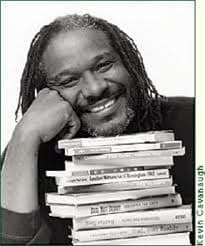
Christopher Paul Curtis is a celebrated author of children's historical fiction, renowned for his engaging narratives and authentic portrayals of African American life. His Newbery Medal-winning novel, "Bud, Not Buddy," and the Newbery Honor book "Elijah of Buxton" are cornerstones of his acclaimed body of work, earning him widespread recognition for bringing history to life for young readers.
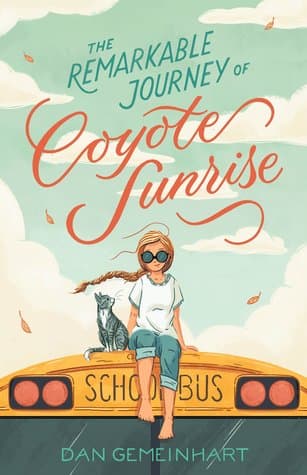
Dan Gemeinhart
4.5

Kate O'Hearn
4.4

Jeanne Birdsall
4.4

Jen Wang
4.4

Wendelin Van Draanen
4.3

John Marsden
4.3

Chris Van Allsburg
4.3
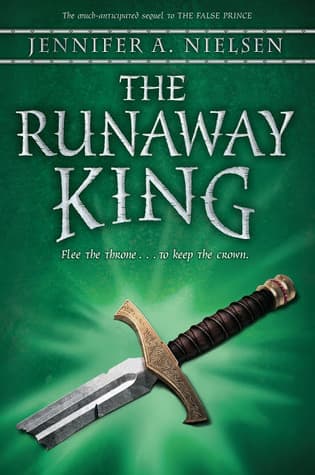
Jennifer A. Nielsen
4.2