“The earth is an immense lottery ticket, and it is not always the best numbers that win.”
— A general reflection on the unpredictable nature of life and fortune.

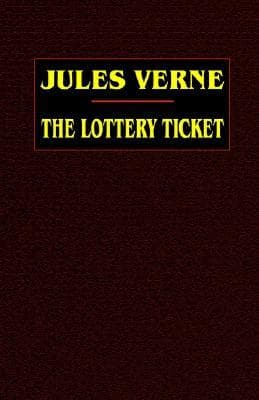
Jules Verne (1889)
Genre
Historical Fiction / Science Fiction
Reading Time
240 min
Key Themes
See below
Sign in to track this book
In 1800s Norway, a young woman's grief for her lost betrothed aboard the fishing boat 'Viking' is entwined with the tantalizing hope of a lottery ticket found in a bottle, promising a fortune that could change her fate or deepen her despair.
In the small Norwegian fishing village of Mygganaes, Hulda Hansen waits for her fiancé, Ole Kamp, a young fisherman who promised to bring her fortune from his latest voyage aboard the fishing boat, the Viking. Weeks turn into months, and the Viking, along with its crew, remains missing, feared lost at sea. The village, including Hulda's aunt and uncle, Mrs. and Mr. Hansen, and their neighbor, Sylvius Hog, begins to accept the grim reality. Hulda, however, holds onto hope, frequently visiting the shore, scanning the horizon for any sign of Ole or his ship. The loss of the Viking affects the livelihoods and spirits of many families. Hulda is sad, yet she believes Ole will return, or at least send a sign.
One day, a young boy finds a bottle washed ashore near Mygganaes. Inside, preserved, is a note from Ole Kamp, confirming the Viking's loss during a terrible storm and detailing the crew's struggle. The note is addressed to Hulda, expressing his love and his final wishes, and to her astonishment, it also contains a lottery ticket, numbered 9672. Ole's message explains that he purchased the ticket in Bergen before their ill-fated voyage, intending it as a gift for her. The discovery brings a mix of renewed grief for Ole and a strange sense of hope and bewilderment regarding the lottery ticket. News of the bottle and its contents spreads rapidly through the village, sparking conversations about Ole's fate and the ticket's potential significance.
Hulda's lottery ticket, number 9672, quickly becomes the talk of Mygganaes and beyond. With the drawing day approaching, speculation about its potential value intensifies. The ticket becomes a symbol of both Ole's tragic end and Hulda's potential salvation, drawing the attention of various characters. Mr. Hansen, Hulda's uncle, initially dismisses it as a cruel jest of fate, while his wife, Mrs. Hansen, begins to see it as a potential windfall. Sylvius Hog, a local shopkeeper and a suitor for Hulda, also takes an interest, both out of concern for Hulda and an eye on her prospective fortune. Hulda's quiet life is suddenly disrupted by the public's fascination with her unique predicament.
Sylvius Hog, known for his shrewd business practices, sees an opportunity in Hulda's sudden fame and potential wealth. He begins to pursue her with renewed vigor, trying to convince Hulda and her guardians that marriage to him would provide her with security and a proper home, especially if the lottery ticket proves valuable. Hulda, still mourning Ole and repulsed by Sylvius's opportunistic advances, firmly rejects him. Mr. and Mrs. Hansen are torn; while they recognize Sylvius's dubious character, the prospect of financial stability for Hulda, and by extension themselves, makes them consider his proposal more seriously than Hulda would like. Sylvius's persistence makes Hulda uncomfortable.
As the day of the lottery drawing approaches, the tension in Mygganaes is clear. Hulda faces increasing pressure from those around her. The local community, while sympathetic to her loss, is also curious about the ticket's fate. Mr. Hansen becomes more insistent that Hulda consider Sylvius's proposal, believing it to be a practical solution regardless of the lottery outcome. Hulda, however, remains firm in her refusal, her heart still belonging to Ole. She guards the ticket carefully, seeing it as the last tangible link to her lost love. The impending drawing creates an atmosphere of anticipation mixed with underlying greed and speculation.
Finally, the day of the lottery drawing arrives. The entire village gathers, waiting for news from Bergen. When the winning numbers are announced, a collective gasp goes through the crowd as ticket 9672 is not among them. Hulda's ticket is worthless. Disappointment washes over the onlookers, particularly those who had hoped to benefit from Hulda's fortune, like Sylvius Hog and even the Hansens. Hulda, while initially saddened, feels a strange sense of relief, as the burden of the potential wealth and the pressures associated with it are lifted. The lottery result ends one chapter of her life, closing the door on the dream of inherited riches but also freeing her from the opportunistic advances of others.
With the lottery ticket proven worthless, Sylvius Hog's demeanor changes dramatically. His feigned interest in Hulda disappears, replaced by open disdain and resentment. He makes it clear that his pursuit was solely motivated by the prospect of her potential wealth, confirming Hulda's long-held suspicions about his character. His abrupt change in attitude leaves no doubt about his mercenary nature, humiliating Hulda and further cementing her resolve to keep him at arm's length. The Hansens, seeing Sylvius's crude display, are also somewhat chastened, realizing the extent of his opportunism and the precarious position they had nearly pushed Hulda into. The incident teaches Hulda about the true intentions of those around her.
After the lottery results, Hulda experiences a quiet transformation. The initial disappointment gives way to a sense of liberation. She is no longer seen as a potential heiress, but simply as herself, a young woman who has endured loss. She finds solace in her work and the affection of her few true friends. The experience, though painful, has made her stronger. She begins to consider her future not in terms of inherited wealth, but in terms of her own efforts and aspirations. The village, having moved past the lottery frenzy, returns to its usual rhythm, and Hulda begins to rebuild her life, focusing on her independence and inner strength.
Some time after the lottery drawing, a ship unexpectedly arrives in Mygganaes harbor. Its arrival causes a stir in the quiet village, as it is not a vessel regularly seen in their waters. The crew disembarks, and among them is a familiar face that sends a wave of disbelief and excitement through the onlookers. The news this ship brings is astounding and unforeseen, shattering the accepted reality of the Viking's loss and Ole Kamp's death. The villagers gather, eager to hear the tale and understand the meaning of this miraculous return, which promises to rewrite the tragic narrative that has defined Hulda's recent past.
To the astonishment of everyone, Ole Kamp, Hulda's betrothed, steps off the newly arrived ship, alive and well! He explains that after the Viking was indeed lost, he and a few other crew members managed to survive on a makeshift raft, drifting for weeks before being rescued by a passing foreign vessel. They were taken far from Norway, and it took considerable time and effort for them to arrange passage back home. His return is a joyous, almost miraculous event for Mygganaes, and especially for Hulda. The village celebrates, overjoyed by the unexpected reunion and the reversal of a long-held tragedy. Hulda's hope is finally rewarded, bringing an emotional and triumphant end to her period of mourning and uncertainty.
Upon his return, Ole Kamp clears up the mystery of the 'great fortune' he promised Hulda. He reveals that the lottery ticket was merely a jest, a playful symbol of the good luck he hoped to bring her, and not the actual fortune itself. The true 'fortune' he intended was the wealth of his love, his hard work, and their future together, built on honesty and mutual affection. He had never truly believed in the lottery as a source of lasting happiness. This revelation brings a deeper understanding to Hulda, reaffirming her own values and proving that her unwavering love for Ole was indeed her greatest treasure. The misconception about the lottery ticket highlights the contrast between superficial wealth and genuine human connection.
With Ole's return and the clarification of his intentions, Hulda and Ole can finally look forward to their future together. The brief period of external pressures and the influence of the lottery ticket has passed. They are free to build their life based on their mutual love and shared values, rather than on the whims of fate or the greed of others. The experience has strengthened their bond and clarified what truly matters to them. The village rejoices in their reunion, and the couple, having weathered significant trials, is ready to embark on their life as husband and wife, embracing a future founded on genuine affection and the simple joys of their community.
The Protagonist
Hulda transforms from a grieving fiancée into a resilient woman who understands that true fortune lies in love and character, not in material wealth.
The Protagonist/Catalyst
Ole's journey from presumed death to miraculous return solidifies his role as Hulda's true fortune, proving his love is genuine.
The Antagonist
Sylvius's character remains static, serving to highlight the contrast between true affection and mercenary intentions.
The Supporting
He learns the folly of prioritizing wealth over his niece's happiness and character.
The Supporting
She realizes that true happiness for Hulda doesn't come from forced marriages or lottery winnings.
The Supporting/Mentioned
Their collective perspective shifts from hopeful speculation to understanding the true value of human connection.
The novel explores the contrast between material wealth and the 'fortune' found in love, integrity, and human connection. Hulda's lottery ticket symbolizes potential riches, attracting opportunists like Sylvius Hog and swaying even her guardians, Mr. and Mrs. Hansen. However, the worthlessness of the ticket ultimately frees Hulda, allowing her to recognize that her true fortune is her unwavering love for Ole and his eventual return, which is priceless. Ole himself clarifies that his promised 'great fortune' was always their future together, not a monetary prize.
“The true fortune lay not in the numbers on a ticket, but in the steadfastness of a heart and the promise of a shared future.”
Hulda's character shows unwavering hope and resilience. Despite the presumed death of her fiancé, Ole, and her immense grief, she refuses to give up, clinging to the smallest signs and maintaining her inner strength. This is further highlighted by her rejection of Sylvius Hog's opportunistic advances, showing her moral fortitude. Her resilience is ultimately rewarded by Ole's miraculous return, proving the power of enduring hope against seemingly impossible odds. Her journey shows that true strength is in perseverance and faith.
“Even in the darkest of storms, a flicker of hope can guide the heart through the longest night.”
Greed is a theme, appearing primarily through Sylvius Hog and, to a lesser extent, the initial reactions of Mr. and Mrs. Hansen and the villagers. The mere prospect of the lottery ticket's value changes relationships and exposes the mercenary nature of some individuals. Sylvius Hog's sudden and aggressive pursuit of Hulda is entirely driven by potential inheritance, and his subsequent abandonment of her after the ticket proves worthless clearly shows how greed can distort human behavior and blind individuals to genuine affection. The lottery ticket acts as a catalyst, revealing the true character of those around Hulda.
“The promise of gold, however distant, often reveals the baser metals of the human soul.”
At the story's heart is the love and loyalty between Hulda and Ole. Hulda's devotion to Ole, even in his presumed absence, shows the strength of their bond. She consistently rejects other suitors and the allure of potential wealth because her heart remains true to Ole. Ole's efforts to send her a message and his eventual return further emphasize his reciprocal love and commitment. Their relationship is a beacon against the backdrop of greed and opportunism, ultimately prevailing as the most significant and rewarding 'fortune' in the narrative.
“No storm, however fierce, could extinguish the flame of true love that burned in their hearts.”
A classic literary device used to deliver crucial plot information and introduce the central conflict.
The message in a bottle serves as a pivotal plot device. It not only confirms the tragic loss of the Viking and Ole Kamp's presumed death, thus instigating Hulda's period of grief, but also introduces the titular lottery ticket. This device creates immediate suspense and provides the catalyst for the entire narrative, shaping Hulda's immediate future and attracting the attention of others in the village. It is a dramatic and iconic way to deliver information from a character believed to be lost.
A MacGuffin that drives the plot and exposes character motivations.
The lottery ticket, numbered 9672, functions as a powerful MacGuffin. Its potential value, rather than its actual inherent worth, drives the plot forward, creating conflict and revealing the true motivations of characters like Sylvius Hog, Mr. and Mrs. Hansen, and the villagers. It represents the illusion of fortune and tests Hulda's character. The ticket's ultimate worthlessness removes the external pressure on Hulda, allowing her to appreciate true values, and its symbolic nature is later clarified by Ole.
The audience's knowledge of Ole's potential survival contrasts with the characters' belief in his death.
Dramatic irony is subtly employed throughout the narrative, particularly concerning Ole Kamp's fate. While the characters in Mygganaes, including Hulda, mourn Ole as lost at sea, the genre (Science Fiction/Adventure) and the general tone of Verne's works often hint at miraculous survivals. This creates a sense of anticipation for the reader, who might suspect Ole's return, contrasting with the characters' certainty of his death. This irony heightens the emotional impact of Ole's eventual, unexpected reappearance.
An unexpected, miraculous event that resolves the central conflict.
Ole Kamp's miraculous return at the story's climax can be seen as a form of deus ex machina. After the lottery ticket's resolution and Hulda's acceptance of her fate, Ole's unexpected reappearance from the dead serves as a sudden, almost unbelievable resolution to the core conflict of Hulda's loss and loneliness. While Verne often features adventurous survivals, the timing of Ole's return provides a convenient and joyous ending, affirming the theme of true love's triumph and rewarding Hulda's enduring hope.
“The earth is an immense lottery ticket, and it is not always the best numbers that win.”
— A general reflection on the unpredictable nature of life and fortune.
“Money does not give happiness, but it does allow us to procure the means of being happy.”
— Discussing the practical benefits of wealth, even if it's not a direct source of joy.
“Hope is the last thing that dies in man.”
— Characters facing dire circumstances still cling to the possibility of a better outcome.
“The future belongs to those who believe in the beauty of their dreams.”
— Emphasizing the importance of ambition and vision.
“There are two ways of looking at life: one as a tragedy, the other as a comedy. The choice is yours.”
— A philosophical observation on perspective and attitude.
“Adventure is not outside man; it is within.”
— Highlighting the internal drive for exploration and challenge.
“The greatest joy is to be able to give.”
— A character finds fulfillment in generosity rather than personal gain.
“Patience and perseverance have a magical effect before which difficulties disappear and obstacles vanish.”
— Encouraging persistence in the face of challenges.
“It is not the strongest of the species that survives, nor the most intelligent that survives. It is the one that is most adaptable to change.”
— A reflection on the necessity of adaptability in life's struggles.
“To be able to wait is a great art.”
— Characters often have to endure long periods of uncertainty.
“The true measure of a man is not how he behaves in moments of comfort and convenience, but how he stands at times of controversy and challenge.”
— Evaluating character through adversity.
“Every man is the architect of his own fortune.”
— Emphasizing personal responsibility and agency in one's destiny.
“The world is a book, and those who do not travel read only one page.”
— Promoting exploration and broadening one's horizons.
“It is by acts and not by ideas that people live.”
— Highlighting the importance of action over mere thought or intention.
“There is no more beautiful spectacle than that of a man struggling against adversity.”
— Admiring the human spirit in overcoming difficulties.
Ready to see how well you understood this book? Take our interactive quiz with 10 questions.
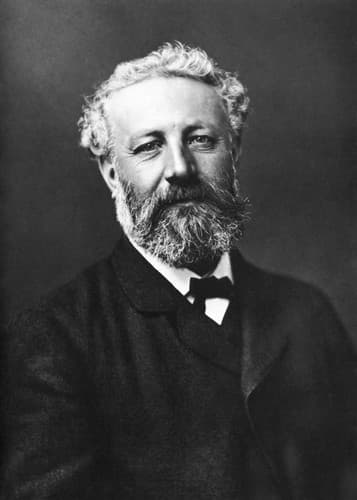
Jules Gabriel Verne was a French novelist, poet, and playwright. His collaboration with the publisher Pierre-Jules Hetzel led to the creation of the Voyages extraordinaires, a series of bestselling adventure novels including Journey to the Center of the Earth (1864), Twenty Thousand Leagues Under the Seas (1870), and Around the World in Eighty Days (1872). His novels, always well documented, are generally set in the second half of the 19th century, taking into account the technological advances of the time.







