“The garden was a place of secrets, and she was a woman who knew how to keep them.”
— Describing the protagonist's relationship with the garden and her nature.

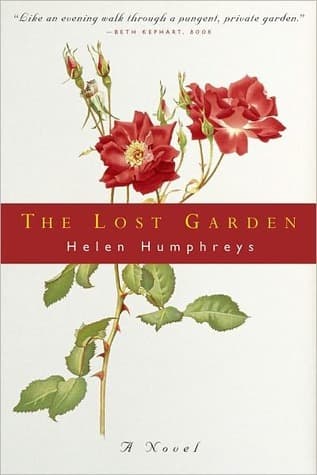
Genre
Literary Fiction / Historical Fiction / Romance
Reading Time
240 min
Key Themes
See below
Sign in to track this book
Amidst the desolation of wartime Britain, a young Londoner tending a forgotten country estate unearths a garden of lost love that blossoms into her own.
In early 1941, Gwen Davis, a quiet and somewhat detached gardener, is sent from blitz-torn London to the rural safety of Devon. She has volunteered for the Women's Land Army and leads a group of young women who will cultivate food crops on a neglected country estate called Selworthy. The estate's once-grand gardens have fallen into disrepair, and Gwen, despite her apprehension about leading others, is determined to succeed. Her arrival marks a significant shift from the urban chaos she left behind to the quiet, yet challenging, rural life.
Upon arriving at Selworthy, Gwen meets the group of Land Girls she will supervise. They are a diverse group of young women, initially somewhat resistant to Gwen's quiet authority. Also present on the estate is a regiment of Canadian soldiers, awaiting deployment. One soldier, Adam, catches Gwen's eye, though she initially keeps her distance. The estate itself, with its overgrown grounds and a sense of faded grandeur, presents a daunting task for Gwen and her team, who are expected to transform it into productive farmland for the war effort.
Gwen faces initial challenges leading the Land Girls, who are often inexperienced and sometimes resentful of the hard labor. She finds an unexpected ally in one of the girls, Elspeth, who possesses a quiet strength and a practical nature. Meanwhile, the Canadian soldiers, particularly Adam, start to interact more with the Land Girls. Adam, a thoughtful and observant man, is drawn to Gwen's reserved demeanor and her passion for gardening. Their conversations begin tentatively, marked by a shared sense of displacement and a longing for something beyond the war.
While exploring the neglected grounds of Selworthy, Gwen discovers a hidden, walled garden, completely overgrown and forgotten. This discovery ignites a new passion within her, distinct from her duty to grow crops. She feels an inexplicable pull to restore this particular garden, sensing it holds a deeper story. The Land Girls, initially skeptical, become intrigued by Gwen's fascination with this secret place. This discovery becomes a central focus for Gwen, offering a respite from the war and a personal project that speaks to her soul.
As Gwen dedicates herself to clearing the lost garden, she starts to uncover clues about its past. She finds old gardening tools, forgotten plant markers, and eventually, a hidden diary belonging to a woman named Katherine, who lived at Selworthy many years ago. Adam, increasingly drawn to Gwen, offers his help with the laborious task. Their shared work on the garden, coupled with their conversations about Katherine's story, deepens their connection. They begin to fall in love amidst the digging, weeding, and the unfolding narrative of Katherine's life and her own lost love.
Katherine's diary entries reveal a poignant love story between her and a man named Rupert, a gardener at Selworthy in the early 20th century. Their love was deep but forbidden, and the walled garden was their secret sanctuary. Gwen becomes deeply engrossed in Katherine's narrative, finding parallels between Katherine's hidden passion and her own feelings for Adam. The diary entries paint a vivid picture of a love that defied societal norms and the tragic circumstances that ultimately separated them, leaving the garden to fall into ruin.
Beyond her romance with Adam, Gwen develops her first true friendship with Elspeth. Elspeth, initially one of the more reserved Land Girls, proves to be reliable, insightful, and genuinely interested in Gwen's well-being and her passion for the lost garden. Their shared labor in the fields and their conversations about life, love, and the war forge a deep connection. Elspeth offers Gwen a different kind of companionship, one built on mutual respect and understanding, providing emotional support that Gwen had previously lacked in her solitary life.
Gwen and Adam's relationship deepens into a profound love. They share stolen moments in the lost garden, their conversations filled with vulnerability and hope. Adam brings Gwen a sense of belonging and joy she has never experienced. Their love story unfolds with an awareness of the war's ever-present threat, making their time together precious and poignant. The garden, once a symbol of past love, becomes a place for their own burgeoning romance, a place where they can escape the harsh realities of their world.
The idyllic interlude at Selworthy is shattered when Adam's regiment receives their orders for deployment. The news brings a stark reminder of the war's relentless nature and the temporary quality of their happiness. Gwen and Adam must confront the imminent separation and the uncertainty of Adam's return. The joy they found in each other and in the restoration of the garden is now tinged with the pain of impending loss, mirroring the tragic undertones of Katherine and Rupert's story.
Before Adam leaves with his regiment, he and Gwen share a heartfelt and emotional farewell. Their goodbye is imbued with the weight of their love and the fear of the unknown. Adam promises to return, and Gwen, though heartbroken, holds onto the hope of their reunion. The scene emphasizes the profound impact Adam has had on Gwen's life, opening her heart and showing her a love she never thought possible. Their parting signifies the end of their temporary haven at Selworthy and the beginning of a period of anxious waiting for Gwen.
Despite Adam's departure and the ache in her heart, Gwen continues her work with the Land Girls, driven by her newfound purpose and the memory of Adam's love. They successfully cultivate the fields, producing vital food crops for the war effort. The Land Girls, now a cohesive and dedicated team, look up to Gwen, who has transformed from a reserved individual into a confident and inspiring leader. The estate, once derelict, now flourishes under their care, reflecting their hard work and resilience.
Gwen completes the restoration of the lost garden, bringing it back to its former beauty. It is a testament to Katherine and Rupert's love, and now, to her own love for Adam. The garden, once a symbol of forgotten sorrow, becomes a place of hope and remembrance. Through its restoration, Gwen not only honors the past but also cultivates a sense of self-worth and purpose, finding solace and strength in the beauty she has created. The garden embodies her journey of self-discovery and love.
Weeks later, Gwen receives a letter from Adam. It is a brief but heartfelt message, confirming his safety and expressing his enduring love for her. The letter brings a wave of relief and renewed hope to Gwen, reaffirming the reality of their connection amidst the chaos of war. It is a lifeline, bridging the distance between them and giving Gwen strength to face the future, knowing that their love, like the garden, is real and enduring, even if its future remains uncertain.
The Protagonist
Gwen transforms from a lonely, reserved individual into a confident leader and a woman capable of deep love and friendship, finding her true self in the process.
The Supporting
Adam remains a steadfast and loving presence, acting as a catalyst for Gwen's emotional growth and providing her with her first true love.
The Supporting
Elspeth develops a deep, supportive friendship with Gwen, remaining a constant and reliable presence throughout their time at Selworthy.
The Mentioned
Her story, though from the past, profoundly influences Gwen's present, guiding her emotional journey and understanding of love.
The Mentioned
His story, along with Katherine's, serves as a historical parallel and a cautionary tale of love and loss for Gwen.
The Supporting
They evolve from a disparate group of individuals into a united and productive team, finding camaraderie and purpose.
Nature, particularly gardening, is a source of healing, purpose, and connection throughout the novel. For Gwen, the physical act of tilling soil and nurturing plants provides solace from the trauma of the Blitz and a path to self-discovery. The lost garden, in particular, becomes a metaphor for uncovering hidden beauty and forgotten stories. As seen when Gwen tirelessly clears the overgrown garden, the process of bringing life back to the land mirrors her own emotional awakening and the blossoming of her love with Adam. It suggests that even in times of war, nature offers enduring beauty and renewal.
“She had always preferred the company of plants to people; they were predictable, resilient, and offered a quiet, unwavering beauty.”
The novel explores the intense, poignant nature of love that blossoms under the shadow of war, and the inevitable pain of loss or separation. Gwen and Adam's romance is accelerated by the uncertainty of their future, making every moment precious. This theme is powerfully echoed through Katherine and Rupert's historical love story, which is also marked by societal constraints and ultimate separation. Both narratives highlight how war amplifies emotions, creating powerful bonds that are simultaneously beautiful and heartbreaking, leaving characters to grapple with hope and despair in equal measure.
“Their love was a fragile blossom, nurtured in the brief, stolen moments between the constant rumble of war.”
Gwen's journey is one of self-discovery and personal transformation. Leaving her solitary life in London, she is thrust into a leadership role and new relationships that force her to confront her own emotional barriers. Through her work in the garden, her friendship with Elspeth, and her love for Adam, Gwen sheds her quiet detachment and discovers a capacity for connection, leadership, and deep affection she never knew she possessed. The restoration of the lost garden symbolizes her own internal life being brought back to life and beauty.
“She had come to Devon to grow food, but she was growing herself, too, leaf by leaf, root by root.”
The past, particularly the story of Katherine and Rupert, influences the present. The lost garden itself is a tangible legacy of a past love, and its discovery allows Gwen to connect with a history that mirrors her own experiences. Katherine's diary acts as a guide, offering Gwen guidance and a sense of shared human experience across generations. This theme suggests that stories and places hold memories, and by unearthing them, one can gain perspective, comfort, and a deeper understanding of one's own journey. The past is not merely history but a living presence that shapes the present.
“The garden held secrets, not just of plants, but of hearts, whispering across the decades.”
A hidden, overgrown garden symbolizing forgotten beauty, love, and the past.
The lost garden at Selworthy is the central symbolic plot device. Initially, it represents neglect and forgotten history. Its discovery by Gwen acts as a catalyst for her personal and emotional awakening. As she clears and restores it, the garden becomes a metaphor for her own self-discovery, the blossoming of her love with Adam, and the uncovering of Katherine's past love story. It functions as a sanctuary, a link between past and present, and a testament to enduring love and resilience.
A historical document revealing a past love story that parallels Gwen's own.
Katherine's diary is a crucial plot device. It provides a narrative within a narrative, unfolding a poignant love story from the past between Katherine and Rupert. This historical account serves as a mirror for Gwen's own burgeoning romance with Adam, offering her insight, empathy, and a sense of connection to a larger human experience of love and loss. The diary deepens the themes of enduring love and the legacy of the past, enriching Gwen's understanding of her own feelings and the nature of relationships.
A real-life wartime initiative providing a backdrop for female empowerment and resilience.
The Women's Land Army serves as the authentic historical backdrop and a significant plot device. It places Gwen and the other Land Girls in a unique situation, forcing them into new roles and responsibilities. This setting highlights themes of female empowerment, camaraderie, and contribution to the war effort. It provides the initial motivation for Gwen's move to Devon and creates the environment where she can shed her old self and discover her capabilities as a leader and a vital contributor.
A regiment stationed at Selworthy, representing the human cost and romantic possibilities of war.
The presence of the Canadian soldiers at Selworthy is a key plot device. They represent the immediate human impact of the war, bringing both the threat of deployment and the possibility of unexpected connection. Adam, in particular, is a central figure, initiating Gwen's romantic awakening. The soldiers' temporary stay underscores the fleeting nature of peace and happiness during wartime, creating a poignant contrast with the enduring beauty of the garden and the land.
“The garden was a place of secrets, and she was a woman who knew how to keep them.”
— Describing the protagonist's relationship with the garden and her nature.
“Sometimes the greatest love is the one you can't have, the one that lives only in your memory.”
— Reflecting on lost love and its enduring impact.
“Every flower, every leaf, every blade of grass held a story if you only knew how to listen.”
— Highlighting the detailed and observant nature of the protagonist towards her surroundings.
“She understood that grief was not a single event but a garden you tended, sometimes with joy, sometimes with tears.”
— Metaphorical description of grief as a continuous process.
“The past was not a burden but a foundation, a rich soil from which new life could spring.”
— The protagonist's perspective on history and its influence.
“Silence could be a comfort, a space where thoughts could unfurl like new leaves.”
— Exploring the value of quietude and introspection.
“There was a fierce beauty in things that had been broken and then mended, a strength that whole things never knew.”
— Contemplating the resilience found in imperfection and repair.
“A garden, like a life, was never truly finished; it was always in a state of becoming.”
— Drawing parallels between the continuous evolution of a garden and a human life.
“The scent of earth after rain was a promise, a reminder that even after darkness, growth would return.”
— Sensory detail evoking hope and natural cycles.
“She learned that to truly nurture something, you had to understand its needs, not impose your own.”
— A lesson learned about gardening, applicable to relationships.
“History wasn't just dates and names; it was the whispered stories carried on the wind.”
— A broader definition of history beyond academic facts.
“The most beautiful things often grew in the wildest places, untamed and unburdened by expectation.”
— Observing the natural beauty in untouched, wild environments.
“To forget was not to forgive, but sometimes, to remember too much was a different kind of prison.”
— Exploring the complexities of memory, forgiveness, and moving on.
“The garden held time differently, each season a chapter, each year a volume in an endless book.”
— Contemplating the unique perception of time within the garden's cycles.
Ready to see how well you understood this book? Take our interactive quiz with 10 questions.

Biography coming soon.







