“But a mermaid has no tears, and therefore she suffers so much more.”
— The narrator reflects on the mermaid's inability to cry, emphasizing her silent pain.

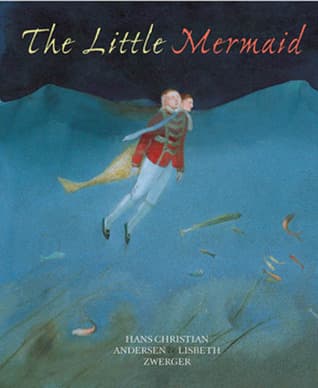
Genre
Fantasy / Children's / Romance
Reading Time
45 min
Key Themes
See below
Sign in to track this book
A mermaid gives up her voice and endures pain for a chance at love with a human prince, facing a choice between his life and her own.
The Little Mermaid is the youngest of six daughters of the Sea King, living in a coral castle. She is quiet and thinks a lot, fascinated by human world stories told by her grandmother. Each of her sisters, at fifteen, can rise to the surface to see the human world. The Little Mermaid waits for her turn, decorating her garden with a statue of a boy from a shipwreck, which makes her want to see what is above the waves. Her grandmother explains that humans have immortal souls, unlike mermaids who turn into sea foam when they die.
On her fifteenth birthday, the Little Mermaid goes to the surface. She sees a celebration on a ship for a handsome young prince's birthday. A storm starts, capsizing the ship and throwing the prince into the sea. The Little Mermaid saves him from drowning and carries him to the shore of a temple, where a young woman from the temple finds him. She watches as the prince wakes up, believing the temple maiden saved him. The mermaid returns to the sea, sad but in love with the prince, wanting to be with him.
Filled with love for the prince and wanting an immortal soul, the Little Mermaid tells her grandmother. Her grandmother says mermaids can only get an immortal soul by marrying a human who loves them most. Upset, the Little Mermaid decides to visit the Sea Witch. She goes through dangerous depths, past a garden of polyps and creatures, to the witch's lair. The Sea Witch, a powerful figure, agrees to change her tail into human legs, but for a high cost.
The Sea Witch demands the Little Mermaid's beautiful voice as payment, cutting out her tongue. In return, the witch gives her a potion that will give her legs. However, each step the mermaid takes on land will feel like walking on sharp knives, causing extreme pain. Also, if the prince does not fall in love with her and marry her, she will turn into sea foam on the morning after his wedding day, losing all hope of an immortal soul. Despite the terrible terms, the Little Mermaid accepts, driven by her love and hope for a soul.
The Little Mermaid drinks the potion and washes ashore near the prince's castle, where he finds her. Though unable to speak and in constant pain from her new legs, her beauty and grace charm the prince. He takes her into his palace, where she becomes his closest companion. She dances for him, despite the pain, and sleeps at his door, wanting his love. The prince likes her, calling her his 'little foundling' and showing affection, but he sees her more as a pet or a beloved sister, never knowing her true identity or her deep love for him.
The Prince often talks about the beautiful maiden he believes rescued him, the one he saw at the temple shore. His parents pressure him to marry a neighboring princess. He travels to a distant kingdom to meet her, saying he does not want to marry anyone but his perceived rescuer. However, when he sees the princess, he recognizes her as the maiden he saw at the temple, believing her to be the one who saved his life. He is happy, convinced he has found his true love, and announces their coming marriage.
The Little Mermaid is crushed by the news of the prince's engagement. She knows that with his marriage to another, she will turn into sea foam. On the wedding night, as the prince and his bride celebrate on a ship, her sisters rise from the sea, their long hair cut off. They made a new deal with the Sea Witch: in exchange for their hair, the witch gave them a magical knife. If the Little Mermaid kills the prince and lets his blood drip on her feet before sunrise, her legs will turn back into a tail, and she can return to her family, regaining her mermaid life.
The Little Mermaid takes the knife, her heart heavy with sadness. She enters the prince's cabin, where he sleeps peacefully with his bride. Despite her great pain and the certainty of her own death, she cannot harm the man she loves. As the first rays of dawn appear, she throws herself into the sea. Instead of dissolving into sea foam, she feels herself change into a spirit, a Daughter of the Air. She learns that she has a chance to earn an immortal soul by doing good deeds for 300 years, because of her selfless love and suffering.
As a Daughter of the Air, the Little Mermaid floats above the waves, invisible to humans. She joins other spirits who explain her new existence. She is told that for every good deed she does, 300 years will be taken from her penance. If she finds a good child, she can shed a tear, and that tear will shorten her time by a year. If she sees a naughty child, she weeps, and each tear adds a day to her trial. She now has a path, though long and hard, to eventually earn an immortal soul and go to God's kingdom, finding peace in her selfless sacrifice.
The Protagonist
She transforms from a curious, naive mermaid to a suffering human, and finally, to a selfless Daughter of the Air, finding a spiritual path to an immortal soul through good deeds.
The Supporting
He remains largely unchanged, finding happiness with the princess he believes saved him, oblivious to the mermaid's suffering.
The Antagonist
She remains a static, powerful, and malevolent force, serving as a catalyst for the mermaid's transformation and suffering.
The Supporting
She remains a source of wisdom and information, grounding the mermaid in her heritage while also sparking her curiosity for another world.
The Supporting
They evolve from playful companions to desperate, loving siblings willing to sacrifice for their sister's life.
The Supporting
She remains a static character, fulfilling her role as the Prince's fated bride.
The Mentioned
They serve as guides, revealing the mermaid's new spiritual journey.
The main theme is the Little Mermaid's deep and selfless love for the Prince, which makes her make great sacrifices. She gives up her voice, endures constant pain, and ultimately gives up her own life for his happiness and the small hope of an immortal soul. Her final act of choosing not to kill the prince, even if it means her death, shows her pure, unrequited love and the ultimate sacrifice she makes.
“She saw the Prince and his beautiful bride searching for her. She gazed at them, and then she threw herself into the sea, and felt her body dissolving into foam.”
Beyond romantic love, the Little Mermaid's deepest wish is to gain an immortal soul, a privilege mermaids do not have, as they simply turn into sea foam when they die. This spiritual longing is a strong reason for her, leading her to accept the Sea Witch's terrible deal. The story compares the temporary beauty of mermaid life with the eternal promise of a human soul, showing how this spiritual ambition connects with, and sometimes even goes beyond, her romantic wishes.
“We have no immortal soul, we shall never live again; we are like the green sea-weed, which, when once cut through, can never blossom more.”
The story shows the physical and emotional suffering the Little Mermaid goes through for her love. Each step on her new human legs feels like walking on sharp knives, a constant, painful reminder of her sacrifice. Her inability to speak further isolates her, stopping her from telling her true feelings or identity. This theme highlights the harsh reality and personal cost of her choices, showing that her search for love and a soul is not a romanticized, painless effort.
“Every time her foot touched the ground, it felt as though she were treading on sharp knives, so that her blood flowed.”
The Little Mermaid's love for the Prince remains unreturned, not from bad intentions, but because of circumstances and misunderstanding. The Prince never realizes she is his true rescuer or that she sacrificed everything for him. He thinks another princess is his ideal, leading to the mermaid's heartbreak. This theme explores the pain of loving someone who cannot return that love, and the deep loneliness that can come with such devotion when it is not seen or known.
“He took her hand and led her into the palace, and she danced as no one had ever danced before, though every time her foot touched the ground, it felt as though she were treading on sharp knives.”
The story has many transformations: from mermaid to human, from human to Daughter of the Air. Each change means a shift in the Little Mermaid's identity and her understanding of herself and her purpose. Her physical change is painful and not complete, failing to secure her human identity or love. Her final, spiritual change is one of transcendence, where she finds a new, spiritual identity and a path to an immortal soul, moving past her first worldly desires.
“She felt her body dissolving into foam, but instead of sinking into the clear waves, she felt herself lifted up into the air, and saw a host of glorious, ethereal beings floating around her.”
A classic Faustian bargain, driving the central conflict and tragic events.
The Sea Witch's bargain serves as the primary plot device, initiating the Little Mermaid's transformation and setting the terms for her ultimate fate. It is a classic Faustian deal, where a desperate wish is granted at an excruciating, often hidden, cost. This device highlights the themes of sacrifice, the dangers of desperate measures, and the often-cruel nature of fate when one seeks to defy natural order. It creates irreversible consequences and propels the narrative towards its tragic conclusion.
A powerful symbolic motivator, driving the mermaid's ultimate quest.
The concept of the immortal soul is a profound symbolic device. It represents not just eternal life, but also a higher spiritual existence and a sense of belonging to a divine order, which mermaids inherently lack. This desire for a soul elevates the Little Mermaid's quest beyond mere romantic love, giving it a spiritual dimension. It provides a moral framework for her choices and ultimately offers a path to redemption and peace, even after her worldly desires are thwarted.
A symbol of a final, terrible choice and the ultimate test of love.
The knife, given to the Little Mermaid by her sisters, is a stark and powerful symbol of the ultimate choice between self-preservation and selfless love. It represents the last, desperate chance to save her own life by committing an act of violence against the man she loves. Her inability to use it signifies the purity and depth of her love, confirming her selflessness and paving the way for her spiritual salvation rather than a return to her former life.
A device highlighting the mermaid's inability to express her true self and love.
The Little Mermaid's loss of her voice is a crucial plot device and a powerful metaphor. It physically prevents her from revealing her identity to the Prince or expressing her deep feelings, ensuring his misunderstanding. Symbolically, it represents the silencing of her true self and the profound isolation she experiences in the human world. It forces her to communicate through actions and suffering, intensifying the tragedy of her unrequited love.
A constant physical manifestation of her sacrifice and suffering.
The excruciating pain she feels with every step on her human legs is a visceral plot device. It is a constant, physical reminder of the immense sacrifice she has made and the suffering she endures for love. This ongoing agony grounds the fantastical elements of the story in a harsh reality, preventing her transformation from being purely magical and instead emphasizing the brutal cost of her desires. It highlights the theme of suffering for love and the mermaid's incredible endurance.
“But a mermaid has no tears, and therefore she suffers so much more.”
— The narrator reflects on the mermaid's inability to cry, emphasizing her silent pain.
“I would give all my three hundred years of life for one day as a human being, to have a soul that lives forever.”
— The Little Mermaid expresses her longing for an immortal soul to her grandmother.
“Only if a man were to love you so much that you were more to him than his father or mother, and if all his thoughts and all his love were fixed upon you, and he let the priest join his right hand to yours and promised to be true to you here and hereafter, then his soul would flow into your body.”
— The Sea Witch explains the condition for the mermaid to gain a soul.
“She had always been silent and thoughtful, and now she was more so than ever.”
— Describing the Little Mermaid's demeanor after falling in love with the prince.
“The sea witch lived where the polypi, half animal and half plant, writhed like snakes in the deep.”
— Setting the scene as the mermaid travels to the Sea Witch's eerie abode.
“Every step she took was as the witch had said it would be, she felt as if treading upon the points of needles or sharp knives.”
— The Little Mermaid experiences the pain of walking on her new human legs.
“He did not know that she had saved his life. She had seen him more nearly, and he was handsomer than even the marble statue in her garden.”
— The mermaid observes the prince after rescuing him from drowning.
“In the morning the ship sailed into the harbor of a beautiful town belonging to the king whom the prince was going to visit.”
— Describing the prince's arrival at a coastal town, leading to new events.
“She laughed and danced with the thought of death in her heart.”
— The Little Mermaid hides her sorrow while attending the prince's wedding celebrations.
“The sun rose above the waves, and its warm rays fell on the cold foam of the little mermaid, who did not feel as if she were dying.”
— The mermaid's transformation into a daughter of the air as she faces her fate.
“You, poor little mermaid, have tried with your whole heart to do as we are doing.”
— The daughters of the air speak to the mermaid, acknowledging her efforts.
“But the mermaid kissed his hand, and already she felt as if her heart was breaking.”
— The Little Mermaid bids farewell to the prince on his wedding day.
“Far out in the ocean the water is as blue as the petals of the most beautiful cornflower, and as clear as the purest glass.”
— The opening line of the story, describing the underwater world.
“She had a beautiful voice, more beautiful than that of any human being.”
— Introducing the Little Mermaid's singing talent, which she later sacrifices.
Ready to see how well you understood this book? Take our interactive quiz with 10 questions.
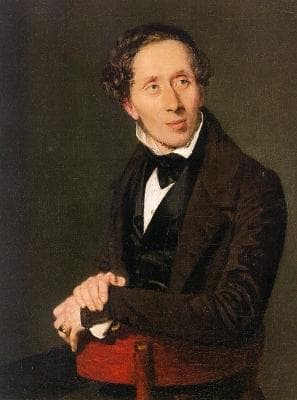
Biography coming soon.







