“Oscar was an enigma, a brilliant legal mind trapped in the body of a man who preferred to be anywhere but a courtroom.”
— Describing Oscar Finley, the senior partner of the firm.

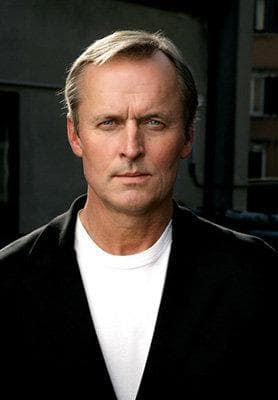
John Grisham (2011)
Genre
Thriller / Mystery
Reading Time
360 min
Key Themes
See below
Sign in to track this book
Two down-on-their-luck lawyers and a burned-out associate stumble into a potentially lucrative class-action lawsuit against a pharmaceutical giant, hoping to strike it rich without ever stepping foot in a courtroom.
David Zinc, a thirty-something attorney at the high-powered corporate law firm of Rogan Rothberg, experiences a sudden breakdown. Overwhelmed by the relentless demands and soulless nature of his work, he impulsively walks out of a meeting, goes on a multi-day drinking binge, and ends up sleeping in a park. Disoriented and jobless, he eventually finds himself outside the rundown offices of Finley & Figg, a two-man 'boutique' law firm specializing in divorces and DUIs. Desperate for any employment, David accepts an offer from the eccentric partners, Oscar Finley and Wally Figg, to work for them, despite the firm's obvious lack of prestige and professional polish. His first task is to sort through years of disorganized files.
Wally Figg, the more ambitious and less ethical of the Finley & Figg partners, is constantly on the lookout for a 'jackpot' case. He becomes fixated on news reports about Krayoxx, a popular cholesterol-reducing drug manufactured by the pharmaceutical giant Varrick Labs, which is being linked to an increased risk of heart attacks. Wally discovers that a major plaintiffs' firm in Florida, Steckler & Wayne, is assembling a class action lawsuit against Varrick. His plan is simple: Finley & Figg will recruit a few local Krayoxx victims, join the class action as co-counsel, and passively collect a substantial referral fee without having to do much actual legal work. Oscar is skeptical, but Wally's enthusiasm is strong.
Wally, with David reluctantly in tow, begins his aggressive pursuit of potential Krayoxx clients. Their methods are unorthodox, involving cold calls to local cardiologists' offices and even visiting a senior center to distribute flyers. David, accustomed to corporate law, finds Wally's ambulance-chasing tactics distasteful and unprofessional, but he needs the job. They eventually sign a few elderly clients who have suffered heart attacks while taking Krayoxx, including Mrs. Boones and Mr. Finkel. These initial clients are the foundation of Finley & Figg's involvement in the mass tort litigation against Varrick Labs.
Wally successfully contacts Paul Steckler of Steckler & Wayne, the Florida firm leading the Krayoxx litigation. Steckler, a savvy and experienced mass tort lawyer, agrees to include Finley & Figg as local co-counsel, primarily for their ability to bring in new plaintiffs. The agreement promises Finley & Figg a percentage of any settlement or judgment for the clients they refer. David is assigned to manage the firm's Krayoxx files, a task that involves a steep learning curve in medical records and pharmaceutical litigation. He begins to interact more with the clients, developing a personal connection to their situations.
David accompanies Paul Steckler and other lawyers to a deposition of a former Varrick Labs scientist, Dr. Maxfield. During the deposition, Dr. Maxfield reveals that internal company studies had shown potential cardiac risks associated with Krayoxx, but these findings were suppressed by Varrick's management. This testimony is a major turning point, providing strong evidence of corporate wrongdoing. David, despite his initial detachment, feels a surge of genuine legal interest and a desire to see justice served. He realizes the true gravity of the case and the suffering of the clients.
Fueled by his desire for quick money and recognition, Wally Figg, without consulting Steckler & Wayne, decides to file a separate, individual lawsuit against Varrick Labs on behalf of one of their clients, Mr. Finkel, in a small, rural county known for its plaintiff-friendly juries. This move infuriates Paul Steckler, who views it as a reckless attempt to jump ahead of the coordinated class action strategy and potentially undermine the larger case. Steckler threatens to cut Finley & Figg out of the class action entirely, creating immense tension and putting the firm's 'jackpot' at risk. Oscar is furious with Wally's impulsiveness.
With Steckler & Wayne distancing themselves, Finley & Figg are left to handle the Finkel case on their own. Wally, realizing the depth of his blunder, is overwhelmed and ineffective. Oscar, though experienced, is hesitant to take on a major pharmaceutical company. David, despite his lack of trial experience, reluctantly steps forward to prepare for the trial. He dives into the details of Krayoxx, medical literature, and trial procedure, working tirelessly with the firm's limited resources. This marks a significant turning point in David's career, forcing him to confront his fears and embrace the role of a litigator.
The trial of Finkel v. Varrick Labs begins in the rural courthouse. David, along with Oscar, faces a team of highly skilled and well-funded defense attorneys from a prestigious Chicago firm. David's inexperience is evident, but he is determined. He struggles initially with objections and courtroom procedure, but gradually finds his footing, relying on the extensive research he has done. Wally, though mostly a distraction, occasionally offers bizarre but sometimes insightful suggestions. The pressure is immense, and the stakes are incredibly high for both Mr. Finkel and Finley & Figg.
During the trial, David manages to secure the testimony of another former Varrick scientist, Dr. Jenkins, who corroborates Dr. Maxfield's earlier statements about suppressed research. This testimony significantly damages Varrick's defense. The jury, after intense deliberation, returns a shocking verdict in favor of Mr. Finkel, awarding him a substantial amount in damages. This victory, though for a single plaintiff, sends shockwaves through the legal community and puts immense pressure on Varrick Labs. It validates Finley & Figg's risky strategy and elevates David's standing within the firm.
The Finkel verdict forces Varrick Labs to reconsider its stance in the broader Krayoxx litigation. Paul Steckler, now eager to re-engage with Finley & Figg, works with them to leverage the Finkel victory into a favorable settlement for all their clients. Finley & Figg, having proven their capability, receive a substantial share of the settlement funds, finally achieving the financial success Wally had always dreamed of. David Zinc, no longer the burnt-out corporate lawyer, finds purpose and satisfaction in litigation. He has transformed from a disillusioned associate into a genuine litigator, committed to fighting for justice, and fully embraces his role at the now prosperous Finley & Figg.
The Protagonist
David transforms from a jaded, uninspired corporate lawyer to a competent and committed litigator who finds purpose in helping ordinary people.
The Supporting
Wally remains largely unchanged in his character, but his schemes ultimately lead to the firm's success, forcing him to confront the real implications of his ambition.
The Supporting
Oscar maintains his pragmatic approach, but the Krayoxx case reignites a spark of professional pride and ambition in him.
The Supporting
Steckler's initial skepticism of Finley & Figg turns into respect after their surprising individual trial victory.
The Supporting
Mr. Finkel's suffering leads to a landmark legal victory that impacts countless other victims.
The Antagonist
Varrick Labs initially denies wrongdoing but is forced to settle after Finley & Figg's trial victory.
The Mentioned
Dr. Maxfield's testimony plays a vital role in exposing Varrick's misconduct.
The Supporting
Mrs. Boones's case contributes to the overall success of the Krayoxx litigation, though her individual story is less central than Mr. Finkel's.
This theme is central to the Krayoxx litigation, pitting the financial interests of Varrick Labs against the health and well-being of its consumers. Varrick Labs' decision to suppress research indicating cardiac risks highlights the moral conflict when profit motives override ethical responsibilities. Finley & Figg, initially driven by the prospect of a large payout, eventually find themselves fighting for genuine justice for their clients, particularly in the Finkel trial, where David Zinc's commitment to exposing the truth is important.
““They knew it was killing people, and they covered it up. That’s why we’re here.””
David Zinc's journey explores this theme. He begins the novel as a burnt-out, disillusioned corporate lawyer who has lost his sense of purpose and integrity. His dramatic breakdown and subsequent employment at Finley & Figg force him into a completely different legal environment. Through the Krayoxx case, particularly the Finkel trial, David rediscovers his passion for the law, finds meaning in fighting for ordinary people, and ultimately redeems himself from his previous professional emptiness. He finds his true calling as a litigator.
““For the first time in his legal career, David felt like he was doing something real, something that mattered.””
The narrative contrasts the small, scrappy Finley & Figg and the monolithic Varrick Labs, supported by its high-powered defense team. This classic 'David and Goliath' dynamic shows the immense challenge faced by the plaintiffs. Finley & Figg's rundown office, unorthodox methods, and limited resources are constantly compared against Varrick's corporate might and endless legal budget. The eventual victory in the Finkel case shows the underdog's ability to triumph against overwhelming odds, even if through unconventional means.
““Two lawyers from a rundown bungalow against one of the largest pharmaceutical companies in the world. It was insane.””
The book contrasts two very different sides of the legal profession: the sterile, high-stakes corporate world of Rogan Rothberg and the messy, personal, often ethically ambiguous world of small-time personal injury law at Finley & Figg. It explores the varied motivations for practicing law—from wealth and prestige to a genuine desire for justice, or simply survival. David's transition highlights the moral and emotional compromises inherent in each path, suggesting that 'real' law often involves direct engagement with human suffering and fighting for the disenfranchised, even if it's less glamorous.
““He’d spent years chasing billable hours, but he’d never actually helped anyone.””
David Zinc's displacement from corporate law into personal injury.
This device is central to David Zinc's character arc. His transition from the plush, corporate world of Rogan Rothberg to the chaotic, rundown offices of Finley & Figg immediately creates humor and conflict. His initial discomfort with ambulance-chasing tactics and his lack of experience in personal injury law allow the reader to experience the quirks and challenges of Finley & Figg through his fresh, often bewildered, perspective. This device highlights the differences between legal worlds and facilitates David's personal growth as he adapts and finds his footing.
Wally Figg's relentless pursuit of a life-changing lawsuit.
The Krayoxx litigation serves as the 'big break' that Wally Figg has perpetually sought for Finley & Figg. This device drives much of the initial plot, as Wally's ambition pushes the firm into uncharted territory. It creates both comedic moments and serious tension, as his impulsive decisions often threaten to derail the 'jackpot' he so desperately craves. The pursuit of this lucrative case is the primary external motivator for the firm's actions and sets the stage for their unexpected success.
Detailed depiction of trial preparation, depositions, and courtroom proceedings.
As a John Grisham novel, the story heavily relies on the legal procedural drama device. It provides detailed, albeit sometimes simplified, accounts of depositions, evidence gathering, expert witness testimony, and courtroom strategies during the Finkel trial. This device builds suspense, educates the reader about the legal process, and allows for the display of legal skill (or lack thereof). The focus on David's learning curve during the trial is a key aspect, making the courtroom scenes particularly engaging and impactful.
Varrick Labs' suppression of Krayoxx's risks as the central antagonist.
The core conflict of the novel stems from the alleged corporate malfeasance of Varrick Labs. The pharmaceutical company's decision to prioritize profits over patient safety by suppressing research on Krayoxx's cardiac risks serves as the primary antagonistic force. This device not only provides a clear villain but also allows for exploration of themes like justice, ethics, and the power imbalance between corporations and individuals. The uncovering of this malfeasance is what gives the Krayoxx case its moral weight and drives the plot towards its resolution.
“Oscar was an enigma, a brilliant legal mind trapped in the body of a man who preferred to be anywhere but a courtroom.”
— Describing Oscar Finley, the senior partner of the firm.
“They were ambulance chasers, yes, but they were *their* ambulance chasers.”
— David describing his new colleagues at Finley & Figg.
“The law, like life, was full of gray areas. And in those gray areas, fortunes were made and lost.”
— A reflection on the nature of legal practice, particularly personal injury law.
“There’s a reason they call it ‘personal injury.’ It’s personal. And it hurts.”
— Wally explaining the emotional core of their cases to David.
“The Big Pharma companies had armies of lawyers, but they didn't have Wally.”
— Highlighting Wally's unique and aggressive approach to litigation.
“Most people think justice is about right and wrong. It’s not. It’s about who has the best lawyer.”
— Oscar's cynical view on the legal system.
“The smell of old paper, stale coffee, and desperation hung heavy in the air.”
— Describing the atmosphere of the Finley & Figg office.
“He knew the game. He just didn’t know how to play it without selling his soul.”
— David's internal conflict about adapting to his new firm's methods.
“A good settlement is when both sides walk away unhappy.”
— Wally's pragmatic view on reaching an agreement in a lawsuit.
“They weren't just fighting for money; they were fighting for recognition, for dignity, for a voice.”
— Explaining the deeper stakes in their personal injury cases.
“Ignorance of the law is no excuse, but it’s a damn good business model for lawyers.”
— A sardonic observation on how the legal system operates.
“Sometimes, the smallest firms make the biggest waves.”
— A hopeful thought about Finley & Figg's potential impact.
“The courtroom was a theater, and they were all actors, playing their parts for the judge and jury.”
— A metaphor for the performative aspect of legal proceedings.
“He had traded his plush office for a folding chair, his corner suite for a cramped cubicle, and his soul for a shot at something real.”
— David's reflection on his drastic career change.
Ready to see how well you understood this book? Take our interactive quiz with 10 questions.
Biography coming soon.







