BookBrief
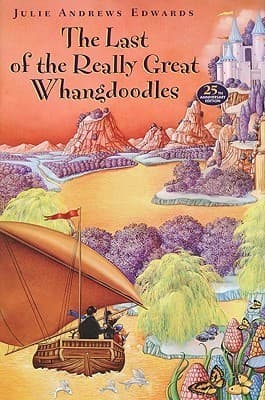
The Last of the Really Great Whangdoodles cover
Archivist's Choice

The Last of the Really Great Whangdoodles

Julie Andrews Edwards (1974)

Genre

Fantasy / Children's / Young Adult

Reading Time

200 min

Key Themes

See below

Track Your Reading

Sign in to track this book

Three children and a professor go on a secret journey to a hidden land of strange creatures to find the last Whangdoodle.

Synopsis

Professor Savant, a quirky scholar, believes the Whangdoodle, a mythical creature, lives in a hidden land. He asks the three Potter children—Lindy, Tom, and Ben—to help him find Whangdoodleland. The Professor teaches them skills like 'spectrum analysis' and 'creative worrying' for the journey. They find a secret, magical path and arrive in Whangdoodleland, a whimsical place with creatures like ten-legged Sidewinders and furry Flukes. Their quest is challenged by the Prock, who guards the Whangdoodle and uses tricks to stop the travelers. The children and Professor explore Whangdoodleland, outsmarting the Prock and befriending creatures like the Whiffle Bird. They eventually reach the Whangdoodle, who reveals his wish: to be remembered and for his land to be known. By fulfilling his wish, the travelers bring joy to Whangdoodleland and return home changed by their adventure.
Reading time
200 min
Difficulty
Easy
Pacing
Moderate
Mood
Whimsical, Gentle, Imaginative, Dreamy, Heartwarming
✓ Read this if...
You love classic, whimsical children's fantasy with unique creatures and a gentle, imaginative journey.
✗ Skip this if...
You prefer fast-paced action, complex adult themes, or stories without a clear antagonist.

Plot Summary

The Professor's Invitation

Lindy, Tom, and Ben Potter, three siblings, spend their summer vacation bored in a new town. One day, they find the eccentric Professor Savant, who lives in a peculiar house full of strange things. The Professor, a brilliant but reclusive scholar, likes the children. He tells them his lifelong goal: finding the mythical Whangdoodle, the last of its kind, said to live in Whangdoodleland. He believes the Whangdoodle holds the key to happiness and wisdom and has sought its realm for years. The children are captivated and agree to help him.

The Training Begins

Professor Savant explains that reaching Whangdoodleland needs more than a physical journey; it needs mental preparation and imagination. He starts training the children with unusual exercises to expand their minds and senses. They learn to see with their 'mind's eye,' hear the 'unheard,' and feel the 'unfelt.' These exercises include staring at blank walls to see patterns, listening to silence for hidden sounds, and focusing inward to understand emotions. Lindy, the oldest, is skeptical but eventually accepts the challenge. Tom and Ben, being younger, find it easier to use their imaginations. The Professor stresses that only those with pure hearts and open minds can truly enter Whangdoodleland.

The Secret Way

After weeks of training, Professor Savant thinks the children are ready. He reveals that Whangdoodleland's entrance is a magical portal, accessible through focused thought and shared imagination. They gather in a hidden room in the Professor's house, which he has prepared with symbolic objects. Following his instructions, they close their eyes and concentrate, visualizing Whangdoodleland and their desire to reach it. As they focus, the room shimmers, and a strange, swirling light appears. With a final, shared effort, they step through the shimmering portal, leaving their world for Whangdoodleland.

Arrival in Whangdoodleland

Inside Whangdoodleland, the Professor and children find a colorful, otherworldly place unlike anything they have seen. Trees are made of candy, rivers flow with lemonade, and the sky is a mix of colors. They quickly meet some of the land's unique creatures: the ten-legged Sidewinders, shy but helpful, and small, furry Flukes, who communicate with musical chirps. The children are charmed by the place's beauty and strangeness, but Professor Savant reminds them of their mission to find the Whangdoodle. They learn that Whangdoodleland has many fantastic beings, some friendly, some less so. Their journey has truly begun.

Encounter with the Prock

As they go deeper into Whangdoodleland, the group meets the Prock, a cunning creature who guards the Whangdoodle. His loyalty is mostly to himself. The Prock is suspicious of the outsiders, seeing their presence as a threat to his comfortable life and influence over the Whangdoodle. He uses tricks to discourage them, sending them on false trails and inventing stories about the Whangdoodle's dislike of visitors. The Prock's attempts to mislead them become a repeated challenge, testing the children's resolve and the Professor's wisdom. He is a master manipulator, and his presence adds danger to their quest.

Meeting the Whiffle Bird

Despite the Prock, the travelers continue, driven by their goal. They soon meet the Whiffle Bird, a gentle and wise creature known for its songs and helpfulness. The Whiffle Bird, unlike the Prock, wants to help them and sees their arrival as a potential source of joy for the lonely Whangdoodle. It gives them important directions and warnings about the Prock's plans. The Whiffle Bird's songs lift their spirits and strengthen their belief in the Whangdoodle's goodness, offering hope amidst challenges. The bird's kindness contrasts with the Prock's malice.

Navigating Whangdoodleland's Wonders

The journey through Whangdoodleland includes both wonders and small problems. They cross landscapes where colors change and sounds echo strangely. They learn to talk with Sidewinders and understand Flukes. The Prock keeps appearing, setting small traps or giving bad advice. But the Professor and children, learning his ways, overcome these problems. They meet the 'Thingamajig,' a creature that shows their inner thoughts, and learn to navigate the 'Frazzle Maze,' a place where logic is inverted. Each encounter helps them understand Whangdoodleland and themselves.

The Prock's Final Stand

As the group nears the Whangdoodle's home, the Prock grows desperate. Fearing he will lose his influence, he plans a more complex scheme to stop them. He leads them to a seemingly impassable barrier, a 'Wall of Worries,' made of the travelers' doubts and fears. He also spreads rumors that the Whangdoodle is angry and does not want visitors. The Professor and children must use their combined mental strength and positive thinking to overcome this final psychological barrier. This is a moment of self-reflection and determination, where they must face their anxieties and trust their purpose.

Meeting the Whangdoodle

After overcoming the Prock's last deception and the Wall of Worries, the group finally arrives at the Whangdoodle's secluded home. They find the Whangdoodle, a magnificent and old creature, but also very sad and lonely. The Whangdoodle is at first hesitant, having lived alone for so long. Professor Savant explains their purpose: to remind him he is not forgotten and that joy and connection still exist. The children, with their genuine curiosity and kindness, slowly break through the Whangdoodle's solitude. They share stories of the outside world and express their admiration for him.

Granting the Whangdoodle's Wish

Through their talks, the Whangdoodle reveals his wish: not for solitude, but for companionship and shared joy. He confesses he created Whangdoodleland to escape being the 'last of his kind,' but isolation only made him lonelier. The children, especially Lindy, understand that the Whangdoodle needs 'connection' more than he needs to be 'found.' They explain that while he is the last *Whangdoodle*, he is not alone, and his wisdom and kindness can be shared. They offer him friendship and promise to return, bringing a renewed sense of purpose and connection to the outside world.

A Renewed Whangdoodleland

With his wish for companionship granted and his spirit rekindled, the Whangdoodle changes. The sadness that filled him lifts, and he radiates a renewed sense of purpose and joy. This change shows in Whangdoodleland; colors become more vibrant, whimsical elements more apparent, and happiness fills the air. The Prock, seeing the Whangdoodle's contentment, also seems to lose some of his 'oiliness' and becomes less antagonistic, realizing his king's happiness benefits everyone. The Whangdoodle, now a kind and joyful ruler, embraces his role with new enthusiasm.

The Return Journey

Having completed their mission and brought joy back to the Whangdoodle, Professor Savant and the children prepare to return. They say goodbye to the Whangdoodle, who promises to keep the portal open for future visits. The Whiffle Bird sings a final, happy song, and even the Prock gives a reluctant nod of respect. The children are no longer the bored individuals they were at summer's start. They have grown in imagination, courage, and self-understanding. They gather again in the Whangdoodle's home, and with a shared thought of returning home, they step back through the shimmering portal, leaving Whangdoodleland.

Home, But Different

The Professor and children reappear in the hidden room in his house, back in their own world. Everything looks the same, but *they* are different. The children are no longer bored; their imaginations are alive, and they now see the ordinary world with new eyes, finding magic in everyday things. Lindy has lost her skepticism, Tom is more confident, and Ben's innocence is enriched. Professor Savant is no longer a solitary eccentric; he has found kindred spirits and validation for his lifelong quest. They carry the lessons of Whangdoodleland, understanding the importance of imagination, kindness, and connection, knowing that the greatest adventures are within themselves.

Principal Figures

Professor Savant

The Protagonist/Mentor

Professor Savant evolves from a solitary seeker to a validated mentor, finding companionship and confirmation of his beliefs through the children's shared adventure.

Lindy Potter

The Protagonist

Lindy transforms from a skeptical, responsible elder sister into an open-minded individual who embraces imagination and wonder.

Tom Potter

The Protagonist

Tom develops from an energetic, easily excited boy into a more focused and resourceful adventurer.

Ben Potter

The Protagonist

Ben's natural imagination is affirmed and strengthened, proving the power of a pure heart and open mind.

The Whangdoodle

The Central Figure/Catalyst

The Whangdoodle transitions from a reclusive, lonely ruler to a joyful, connected being, finding renewed purpose through friendship.

The Prock

The Antagonist/Obstacle

The Prock's antagonistic behavior is somewhat mitigated by the Whangdoodle's renewed happiness, showing a grudging acceptance of change.

The Whiffle Bird

The Supporting

The Whiffle Bird remains a consistent source of goodness and support throughout the journey.

Sidewinders

The Supporting

The Sidewinders remain consistent inhabitants, their interaction with the children highlighting the children's growing empathy.

Flukes

The Supporting

The Flukes remain consistent inhabitants, their musical communication enchanting the children.

Themes & Insights

The Power of Imagination and Belief

This theme highlights that imagination is not just fantasy but a strong tool for understanding and changing reality. Professor Savant teaches the children to 'see with their mind's eye' and 'hear the unheard,' suggesting that people limit their own perception. Their ability to enter Whangdoodleland depends entirely on their shared belief and imagination. Challenges in Whangdoodleland, like the 'Wall of Worries,' are overcome not by physical strength but by mental strength and belief in possibilities. This shows that belief can create real results and overcome inner obstacles. The journey itself confirms that the world holds more than appears if one is willing to imagine it.

"The Whangdoodle exists because he is believed in. He exists because you believe in him. And if you stop believing in him, he will cease to exist."

Professor Savant

The Importance of Connection and Overcoming Loneliness

The Whangdoodle's situation shows how much loneliness affects even a powerful, magical creature. He created an entire land to avoid being the 'last of his kind,' but this isolation made him sad and withdrawn. The children's mission changes from just 'finding' him to understanding and easing his deep loneliness by offering friendship and connection. The Prock's selfishness, which adds to the Whangdoodle's isolation, further emphasizes the negative effects of being disconnected. The story's ending, where the Whangdoodle finds joy through renewed companionship, underlines the universal need for belonging and shared experiences.

"He wasn't lonely because he was the last of his kind. He was lonely because he had no one to share his wonderful land with."

Lindy Potter (implied realization)

The Value of Different Perspectives and Open-Mindedness

The different personalities of the Potter children—Lindy's skepticism, Tom's enthusiasm, and Ben's innocence—are all needed for their success. Lindy's logical approach helps them with the Professor's abstract ideas, while Ben's free belief often helps him grasp concepts others struggle with. Professor Savant encourages them to look beyond the obvious, question assumptions, and embrace new ways of seeing the world. The creatures of Whangdoodleland, from the ten-legged Sidewinders to the musical Flukes, challenge their ideas of what is 'normal' or 'possible,' promoting a greater appreciation for diversity and the richness of different perspectives.

"You must learn to see with your mind's eye, not just with your ordinary eyes. For the world holds many wonders that are invisible to the unthinking observer."

Professor Savant

The Journey of Self-Discovery

While the goal is to find the Whangdoodle, the children's adventure is about self-discovery and personal growth. Lindy learns to trust her imagination and intuition, overcoming her initial skepticism. Tom sharpens his adventurous spirit into focused determination. Ben's natural wonder is confirmed and celebrated. Professor Savant also finds validation and companionship. The challenges they face in Whangdoodleland, especially the 'Wall of Worries' made from their own fears, force them to confront inner obstacles and understand their strengths and weaknesses. They return home not just with stories, but as changed individuals with a deeper understanding of themselves and the world.

"The journey to Whangdoodleland is not just a journey to a place, but a journey within yourselves."

Professor Savant

Good vs. Selfishness

This theme appears in the contrast between the good characters and the Prock. The Whangdoodle, though reclusive, is good and kind. The Whiffle Bird is a loyal and helpful friend. Professor Savant and the children have pure intentions and want connection. In contrast, the Prock acts only for himself, trying to manipulate and stop the protagonists to keep his comfortable position. His 'oily' nature symbolizes the damaging effect of selfishness. The story shows that good intentions and working together win over selfish and dishonest motives, leading to a better outcome for Whangdoodleland.

"Some creatures, my dears, only see what benefits themselves, and they will try to make you see it their way too."

Professor Savant

Plot Devices & Literary Techniques

The Magical Portal

A non-physical gateway to Whangdoodleland, accessed through imagination.

The magical portal is a crucial plot device, representing the bridge between the ordinary world and the extraordinary. Unlike a traditional physical gate, it requires mental and imaginative effort to activate, reinforcing the book's central theme of the power of belief. This device allows the protagonists to transcend conventional reality and enter a fantastical realm, setting the stage for their adventure. Its non-physical nature emphasizes that the journey is as much internal as external, and that the ability to perceive and access magic lies within the human mind. It serves as both the entry and exit point for their transformative journey.

The Prock's Deceptions

The antagonist's use of trickery and misinformation to create obstacles.

The Prock's deceptions serve as the primary source of conflict and rising action throughout the journey in Whangdoodleland. His attempts to mislead the Professor and children, sending them on false trails, fabricating stories, and creating psychological barriers (like the 'Wall of Worries'), test their resolve, intelligence, and belief. This device not only creates suspense but also forces the protagonists to sharpen their critical thinking and trust their instincts. It highlights the theme of overcoming obstacles through perseverance and discernment, and allows for character development as the children learn to see through the Prock's 'oiliness' and rely on their own inner compass.

The Whangdoodle's Loneliness

The emotional state of the titular character, serving as the central quest's motivation.

The Whangdoodle's profound loneliness is the driving force behind the entire quest. It provides the Professor with his initial motivation to find the creature and gives the children a deeper purpose beyond mere adventure. This emotional state transforms the mission from a simple exploration into one of empathy and connection, underscoring the book's themes of companionship and overcoming isolation. The Whangdoodle's sadness makes him a sympathetic figure, and the ultimate goal becomes not just to 'see' him, but to bring him joy. This device elevates the narrative beyond a simple fantasy tale, giving it emotional depth and a meaningful resolution.

Professor Savant's Training Exercises

Unusual mental and sensory drills designed to prepare the children for Whangdoodleland.

Professor Savant's eccentric training exercises are a crucial plot device that enables the children to access Whangdoodleland. These drills, which focus on imagination, perception, and inner awareness, are not just preparatory but also symbolic. They illustrate the book's central message that special places and experiences require an expanded way of thinking. By teaching the children to 'see the unseen' and 'hear the unheard,' the Professor equips them with the mental tools necessary to navigate a world that defies conventional logic. This device effectively grounds the fantastical elements in a process of learning and self-improvement, making the children's eventual success feel earned and logical within the story's framework.

Critical analysis

Notable Quotes

There are some things you can't hurry and some you can't stop. A tree growing, for instance, or a river flowing. And a Whangdoodle, once it decides to appear, will appear.

Professor Savant explains the nature of Whangdoodles and the importance of patience.

It's all a matter of looking at things the right way. And sometimes, the right way is a little bit sideways.

The Professor encourages the children to think creatively and unconventionally.

The Whangdoodle is a creature of pure delight, and it responds to joy. But it also responds to sadness, because sadness, too, is a form of feeling.

Professor Savant describes the Whangdoodle's emotional sensitivity.

You can't catch a Whangdoodle. You have to wait for it to catch you.

The Professor explains the elusive nature of the Whangdoodle and the need for receptiveness.

The world is full of wonders, if only you have the eyes to see them.

A recurring theme emphasizing observation and appreciation of the extraordinary in the ordinary.

Imagination, you see, is not just for making up things. It's for understanding things, too.

The Professor highlights the practical application of imagination beyond fantasy.

Sometimes the most important things are the ones you can't see.

A lesson about intangible values and the unseen magic in the world.

Don't be afraid to be a little bit silly. Sometimes silliness is the shortest path to wisdom.

The Professor encourages lightheartedness and embracing the unconventional.

The greatest adventures are often found in the most unexpected places.

The children's journey to Whangdoodleland illustrates this point.

Curiosity is a wonderful thing, but it must be tempered with respect.

A guiding principle for the children as they explore the magical world.

There's a reason for everything, even if you don't understand it yet.

A comforting thought amidst the mysteries of Whangdoodleland.

The Whangdoodle is not just a creature; it's a feeling, a way of looking at the world.

The Professor explains the symbolic nature of the Whangdoodle.

Never underestimate the power of a good story.

Stories play a crucial role in understanding and connecting with the magical world.

To find something truly special, you often have to go where no one else has gone.

The children's unique journey to Whangdoodleland.

Quiz

Test Your Knowledge

Ready to see how well you understood this book? Take our interactive quiz with 10 questions.

10
Questions
~5
Minutes
?
Best Score

Key Questions (FAQ)

'The Last of the Really Great Whangdoodles' centers on Professor Savant and the three Potter children, Lindy, Tom, and Ben, as they embark on a secret quest to find Whangdoodleland. This hidden world is home to the Whangdoodle, a wise and extraordinary creature, and other unique animals, who have retreated from humanity.

About the author