“There are no new stories under the sun, only new ways of telling them.”
— The narrator reflecting on storytelling and the human condition.

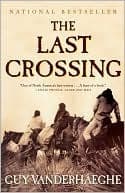
Guy Vanderhaeghe (2002)
Genre
Literary Fiction / Historical Fiction
Reading Time
12-14 hours
Key Themes
See below
Sign in to track this book
In the 1870s American West, two brothers search for their missing sibling, a grieving woman seeks vengeance, and their Métis guide leads them on a journey of love, loss, and self-discovery across a brutal landscape.
The novel begins in 1878 with the arrival of English brothers Charles and Addington Gaunt at Fort Walsh in the Canadian North-West Territories. They are looking for their younger brother, Simon, who disappeared while pursuing a woman named Emily. Charles, the more practical brother, is frustrated by Addington's intellectual and somewhat detached nature, which seems unsuited for the frontier. They are directed to Jerry Potts, a half-Blackfoot, half-Scottish scout known for his tracking skills and knowledge of the land. Potts is initially hesitant but agrees to guide them into the American West.
Before the journey, the Gaunt brothers and Jerry Potts meet Lucy Stoveall, a young woman consumed by grief and a desire for revenge. Her sister, Madge, was murdered by the Kelso brothers, and Lucy has dedicated her life to finding them. Despite the dangers, Lucy insists on joining the Gaunt party, believing their path might cross with the Kelsos. Her fierce determination and pain add a volatile element to the group, challenging the Gaunts and intriguing the stoic Jerry Potts, who sees a similar suffering in her.
As the journey into the American West begins, Charles, Addington, Jerry Potts, and Lucy Stoveall are joined by other individuals, each with their own reasons for venturing into the frontier. These include the cynical Reverend William Clay, a missionary with a hidden past; his resilient wife, Margaret 'Maggie' Clay, a photographer; and the experienced frontiersman, Frank Busby. This diverse group acts as a small representation of frontier society, bringing a mix of biases, hopes, and secrets. Their interactions, often tense, highlight the social complexities and moral ambiguities of the era and the harsh realities of life on the plains.
As the group crosses the vast landscape, Jerry Potts's mysterious nature slowly becomes clear. Flashbacks and subtle interactions reveal his painful past as a man caught between his Blackfoot heritage and his Scottish father's legacy. He carries the burden of personal tragedies, including the loss of his family, which has made him stoic and given him a deep understanding of the land's indifference. His connection to the prairie and his survival skills become essential to the group, but his emotional distance remains, even as Charles and Lucy try to connect with him. His internal struggles reflect the external challenges of the expedition.
The journey is full of danger, testing each member's endurance. The group faces severe weather, dwindling supplies, and the constant threat of hostile Indigenous tribes and outlaws. These hardships reveal the true characters of the travelers: Charles's quiet leadership emerges, Addington struggles physically, Lucy's resolve strengthens, and Jerry Potts's expertise proves vital. Tensions rise as personalities clash and the journey takes its toll. The stark beauty and indifference of the landscape become a character, constantly reminding them of their vulnerability in the vast American West. These challenges create unexpected bonds and reveal hidden strengths.
Lucy's unwavering goal to find the Kelso brothers increasingly directs the group's movements, bringing them close to the violent outlaws. Rumors of the Kelsos, known for their brutality, spread among settlements. Lucy's single-minded focus on revenge often puts the party at risk, forcing Charles to weigh the ethics of helping her against the safety of his brother and the others. The looming confrontation with the Kelsos creates a constant sense of dread, pushing Lucy to her limits and forcing others to consider their own sense of justice in a lawless land.
Amidst the harsh realities of the journey, an unexpected connection forms between Charles Gaunt and Lucy Stoveall. Initially, their relationship is marked by respect, but as they face dangers together and witness each other's resilience, a deeper emotional bond develops. Charles is drawn to Lucy's independence and spirit, while Lucy finds comfort and strength in Charles's quiet determination. This growing love story becomes the emotional center of the novel, contrasting with the surrounding violence. Their connection shows the human capacity for love and hope even in difficult circumstances, suggesting a future beyond their immediate quests.
The long-awaited confrontation with the Kelso brothers finally happens, erupting in a violent showdown. The encounter is chaotic and devastating, resulting in deaths and injuries on both sides. Lucy, driven by her rage, plays a central role, facing her sister's murderers directly. The battle leaves a lasting mark on all survivors, changing their perspectives and forcing them to deal with the consequences of vengeance and the cost of justice in a world without clear laws. The aftermath is grim, showing the destructive nature of unchecked hatred and leaving the survivors to rebuild their lives after the trauma.
Later in their journey, the Gaunt brothers, with Jerry Potts's tracking, finally learn the truth about Simon's disappearance. The reality is far from the romantic ideal Charles and Addington imagined. Simon's pursuit of Emily led him to foolish decisions and a more mundane, tragic end, caught in local disputes and his own naivety. This revelation shatters the brothers' idealized image of Simon and forces them to confront the difference between their expectations and the realities of the West. This discovery brings a bittersweet closure to their quest, along with a deep sense of loss and disillusionment.
With their quests complete, the surviving members of the party begin their journey back to civilization. The return trip is quieter and more reflective, as each character processes the events and changes they have experienced. The bonds formed in hardship remain, especially between Charles and Lucy, whose love has deepened through shared trauma. Jerry Potts, stoic as ever, continues to guide them, a silent witness to their struggles and triumphs. The West has marked them all, stripping away illusions and revealing the truths of human nature, survival, and lasting connection.
The Protagonist
Charles transforms from a reserved English gentleman into a resilient and compassionate man, finding love and a new sense of purpose amidst the harshness of the West.
The Supporting
Addington's romantic view of the West is shattered, forcing him to confront the grim realities and mature his understanding of life and human nature.
The Supporting
Jerry Potts remains largely consistent in his stoicism, but the journey allows for glimpses into his profound humanity and the depth of his unspoken grief.
The Protagonist
Lucy evolves from a woman solely defined by vengeance to one capable of love and hope, finding a path towards healing and a future beyond her pain.
The Supporting
Clay's hypocrisy is gradually exposed, revealing his true, morally corrupt nature, which remains largely unredeemed.
The Supporting
Maggie endures her circumstances with quiet resilience, finding a subtle form of agency through her photography and observation.
The Supporting
Busby remains a steadfast and practical presence, embodying the enduring spirit of the frontiersman.
The Mentioned
Simon's arc is revealed retrospectively; his idealized image is shattered by the mundane and tragic reality of his demise.
The Antagonist
The Kelso brothers remain static in their villainy, serving as the embodiment of evil that must be confronted.
The American West is shown not as a romantic adventure, but as a harsh, indifferent landscape that removes illusions. Characters constantly face extreme weather, starvation, violence, and the struggle to survive. This theme appears in the physical challenges of the expedition, the cruelty of figures like the Kelso brothers, and Simon Gaunt's tragic, unglamorous fate. The land itself acts as a powerful, silent opponent, forcing characters to confront their own mortality and the fragility of human existence.
“The land didn't care for their hopes or their sorrows; it simply was.”
The novel explores the moral complexities of seeking revenge in a lawless land. Lucy Stoveall's entire being is focused on vengeance against the Kelso brothers, raising questions about whether her actions are justice or simply continue a cycle of violence. Charles Gaunt grapples with the ethics of helping her, highlighting the blurred lines between personal revenge and societal justice on the frontier. The violent confrontation with the Kelsos and its tragic aftermath show the destructive nature of unchecked hatred and the high cost of personal retribution, often causing more devastation.
“Vengeance was a fire that consumed not only its target but also the one who wielded it.”
The novel clearly depicts the clash of different cultures and identities on the frontier. The refined English sensibilities of the Gaunt brothers contrast with the practical nature of American frontiersmen and Jerry Potts's spiritual connection to the land. Potts, a man of mixed heritage, navigates the complexities of his Blackfoot and Scottish roots, feeling he belongs to neither, yet essential to both worlds. The interactions expose prejudices, misunderstandings, and the struggle to form a new identity among diverse peoples.
“He was a man caught between two worlds, belonging fully to neither, yet indispensable to both.”
Despite the widespread violence and despair, the novel suggests that love and human connection can thrive even in brutal environments. The growing romance between Charles Gaunt and Lucy Stoveall is the emotional heart of the story, showing the human capacity for intimacy and hope amidst suffering. Their shared journey and mutual support allow them to find comfort and strength in each other. This theme extends to the bonds formed between other group members, showing how shared hardship can create deep, lasting relationships that cross social barriers and offer a glimmer of light.
“In the vast, indifferent wilderness, their hands found each other, a small, stubborn warmth against the cold.”
The novel dismantles romanticized ideas of the American West common in popular literature and in the minds of characters like Addington Gaunt. The Gaunt brothers arrive with preconceived notions of adventure, but the reality they find is much grimmer. Simon Gaunt's fate, in particular, lacks heroic grandeur, revealing a tragic mistake rather than a grand adventure. This theme explores the disillusionment that comes from confronting the harsh truth of the frontier, forcing characters to abandon their illusions and face the world as it is, often with deep sadness.
“The West was not a canvas for heroic deeds, but a grinder of men's souls.”
The central narrative structure of a journey undertaken to find a lost person.
The novel is framed around the classic quest motif, with Charles and Addington Gaunt embarking on a perilous journey into the American West to find their missing brother, Simon. This primary quest serves as a vehicle to introduce other characters and their own quests, such as Lucy Stoveall's search for the Kelso brothers. The motif allows for episodic encounters, character development through hardship, and a gradual unveiling of truths about the missing person and the nature of the frontier itself. It provides a clear narrative drive while allowing for thematic exploration.
The story is told through the shifting viewpoints of several main characters.
Vanderhaeghe employs multiple perspectives, often shifting the narrative focus between characters like Charles, Lucy, Jerry Potts, and Addington. This device allows for a richer, more nuanced understanding of the events and the internal lives of the characters. It highlights their individual motivations, fears, and observations, creating a mosaic of experiences on the frontier. This technique also allows the reader to witness the same events from different emotional and cultural standpoints, deepening the thematic exploration of identity, justice, and the subjective nature of truth.
Past events are revealed through character memories, providing context and depth.
Flashbacks are strategically used to unveil the backstories and inner demons of key characters, particularly Jerry Potts and Lucy Stoveall. These glimpses into their pasts explain their motivations, their stoicism, or their consuming grief. For Potts, flashbacks reveal the personal tragedies that shaped him and his connection to the land. For Lucy, they vividly portray the trauma of her sister's murder, intensifying the urgency of her quest for vengeance. This device adds emotional depth and complexity, preventing characters from being mere archetypes and grounding their present actions in a rich personal history.
Characters' perceptions and interpretations of events are often colored by their biases and limited knowledge.
While not a single unreliable narrator, the novel subtly uses the device by presenting events through the subjective lens of various characters, whose understanding is shaped by their backgrounds, prejudices, and limited information. For instance, the Gaunt brothers initially have a romanticized, almost naive view of the West and Simon's adventures, which is gradually dismantled by harsh reality. Their interpretations of Jerry Potts or the local indigenous people are often incomplete. This device underscores the theme of deconstructing romantic ideals and highlights the difficulty of discerning objective truth in a complex and often deceptive world.
“There are no new stories under the sun, only new ways of telling them.”
— The narrator reflecting on storytelling and the human condition.
“History is not a line, but a series of circles, and we are forever returning to the places we thought we had left behind.”
— A character's philosophical observation on the cyclical nature of history.
“The past is a foreign country; they do things differently there.”
— A variation of a famous quote, used to emphasize the remoteness of the past.
“A man's character is not what he shows to the world, but what he is when no one is watching.”
— An internal thought of one of the main characters about true identity.
“The wilderness does not care for your plans, your hopes, or your fears. It simply is.”
— Describing the indifferent and powerful nature of the untamed landscape.
“Grief, like a river, carves its own path, and you can only follow where it leads.”
— A character grappling with profound loss and the overwhelming nature of grief.
“Sometimes the greatest journeys are not across oceans, but into the hidden corners of one's own heart.”
— Reflecting on the internal struggles and self-discovery of the characters.
“Truth is a stubborn thing. You can bury it, but it always finds a way to the surface.”
— Uncovering long-held secrets and the inevitable revelation of truth.
“Fear is a poor companion on a long journey.”
— A pragmatic piece of advice given about facing challenges.
“We carry our dead with us, not as burdens, but as guides.”
— A character's reflection on how past relationships and losses shape the present.
“The world is full of ghosts, if you know where to look for them.”
— Referring to the lingering presence of the past and its impact on the present.
“There's a fine line between stubbornness and strength, and sometimes it's hard to tell the difference.”
— Observing the nuanced motivations behind a character's resolve.
“Every man has a story, and every story deserves to be heard.”
— Emphasizing the importance of individual narratives and their value.
“Hope is a fragile thing, easily broken, but essential for survival.”
— Discussing the role of hope in enduring hardship and adversity.
“The greatest battles are often fought not with swords, but with words and the silence that follows them.”
— Highlighting the psychological and emotional conflicts within the narrative.
Ready to see how well you understood this book? Take our interactive quiz with 10 questions.







