“For the soul, like the body, can be starved. There is a hunger of the spirit, as there is a hunger of the flesh.”
— Reflecting on the need for spiritual nourishment.


Genre
Historical Fiction / Spirituality
Reading Time
1200 min
Key Themes
See below
Sign in to track this book
In 1920s China, a Scottish priest finds spiritual triumph despite civil war, plague, and church disapproval.
The novel opens with the elderly Monsignor Francis Chisholm thinking about his life. Flashbacks show his childhood in Tweedside, Scotland. Francis experiences tragedy early: his mother dies in childbirth, and his father is killed saving a drowning girl, leaving Francis an orphan. Raised by his stern Aunt Polly and kind Aunt Nessie, Francis finds comfort from the local Protestant minister, Mr. Tulloch. Despite the minister's faith, Francis feels drawn to Catholicism, influenced by his mother's background. These early years, marked by sorrow and spiritual awakening, lead him to pursue the priesthood.
Francis enters the seminary, a world of strict rules and traditional beliefs. He struggles to fit in, often questioning rigid interpretations of faith and showing rebellion against hypocrisy. He becomes close friends with Anselm Mealey, a fellow seminarian who is more worldly but shares a bond with Francis. Their different personalities highlight Francis's compassionate approach to faith. His directness often causes problems with conservative faculty and students, especially the ambitious Monsignor Sleeth. These early experiences predict the lifelong friction Francis will have with church leaders.
Ordained as a priest, Father Francis Chisholm is sent to a poor parish in a Scottish mining town. He immediately focuses on his parishioners' welfare over strict church rules. He befriends the local doctor, a non-Catholic, and works to improve the lives of the poor, even if it means clashing with wealthier donors or his superiors. His compassionate approach earns him the love of the common people but also the disapproval of traditional clergy, who see his methods as undignified. His time there includes spiritual success and increasing isolation from the church.
Because of his unconventional ministry and clashes with authority, particularly Monsignor Sleeth, Father Francis is seen as a problem priest. His superiors send him to a remote and challenging mission in Pai-tan, China. This assignment is a form of exile, a place where 'failed' priests are sent. Despite the harsh conditions, Francis accepts his new calling with humility and a renewed sense of purpose, seeing it as a chance to live out his faith among those most in need. This marks a turning point in his life.
Father Francis arrives in Pai-tan, China, to find a desolate and poor mission. He meets the elderly, ailing Father Hamish MacNabb, who has struggled for years. The mission has a dilapidated chapel and a few small buildings. Francis immediately faces challenges: extreme poverty, widespread disease, cultural and language barriers, and distrust from the local Chinese population, who are mostly Buddhist or Taoist. He begins rebuilding the mission by earning the trust of the villagers through kindness and selflessness, not by aggressive preaching.
Francis dedicates himself to the people of Pai-tan. He uses his practical skills to set up a small dispensary, caring for the sick and injured, earning him the nickname 'the foreign doctor.' He works with the practical Dr. Willie Tulloch (son of the Protestant minister from his youth), who later joins him. He learns the language and customs, showing respect for the local culture. Despite famine, plague, and hostility from warlords and bandits, Francis continues, often risking his life to protect his flock. His selfless actions, like sharing his food during a famine, slowly break down the villagers' skepticism, leading to the first conversions to Christianity.
Years into his mission, three Irish nuns arrive to help Father Francis: Mother Maria-Veronica, Sister Agnes, and Sister Martha. Mother Maria-Veronica is a rigid woman who disapproves of Francis's methods and his close relationship with the Chinese people, especially his willingness to adapt to their customs. She often clashes with Francis, believing his approach is too relaxed and not focused enough on strict Catholic doctrine. Despite these tensions, the sisters help, especially in educating children and caring for the sick. Their presence highlights the ongoing conflict between Francis's compassionate faith and the church's rigid interpretations.
China enters civil war, and Pai-tan becomes a battleground. The mission is threatened by warring groups, bandits, and anti-foreign feelings. Francis, with the help of loyal Chinese converts and Dr. Tulloch, protects his people and the mission. He confronts armed soldiers, negotiates with warlords, and endures hardship, including the destruction of parts of the mission. During these times, his courage, resourcefulness, and commitment to his flock are clear, strengthening his bond with the community and showing his deep spiritual conviction.
After decades in China, Francis receives a visit from his old seminary friend, Anselm Mealey, who has become a Bishop. Mealey, now a figure of authority, is shocked by the mission's primitive conditions and Francis's lack of material success. He represents the institutional church Francis has always struggled against. While there is still affection between them, their contrasting lives—Mealey's worldly success versus Francis's spiritual fulfillment in obscurity—show their different paths. Mealey, though critical at first, is moved by Francis's faith and the genuine love he receives from his Chinese parishioners.
As Francis ages, his health declines. The church decides to send a younger priest, Father Paul, to take over the mission. Francis, though sad to leave the people he has served, accepts the decision with humility. He mentors Father Paul, sharing his wisdom and lessons from his years in Pai-tan. He ensures a smooth transition, showing his devotion not to his own legacy, but to the mission's well-being. This peaceful handover marks the end of his life's work and his readiness to move on.
Francis returns to Scotland, an old man, and is assigned to a quiet parish. He lives a simple life, still practicing his compassionate ministry. He is often visited by his great-nephew, a young priest named Father Angus Mealey (Anselm's nephew), to whom Francis tells his life story. Despite never achieving high office in the church, Francis finds peace and contentment. He understands that the 'keys of the kingdom' are found in love, humility, and selfless service, especially to the poor. His life, seemingly a failure to the institution, is a triumph of spiritual integrity.
The Protagonist
Francis evolves from a questioning seminarian to a wise, humble priest whose life embodies selfless love and service, ultimately finding peace despite institutional disapproval.
The Supporting
Anselm achieves high clerical office, initially judging Francis's 'failure' but eventually gaining a deeper appreciation for his friend's spiritual integrity.
The Supporting
Willie develops from an independent doctor to Francis's steadfast partner, showing unwavering loyalty and shared purpose.
The Antagonist
Sleeth rises in the church hierarchy, remaining a consistent obstacle and foil to Francis's compassionate ministry.
The Supporting
She remains largely unchanged in her rigid beliefs, serving as a foil to Francis's flexible compassion.
The Supporting
She remains a constant, if sometimes critical, presence in Francis's early life, shaping his character through discipline.
The Supporting
She provides consistent, gentle support to young Francis, acting as a source of comfort amidst his early hardships.
The Mentioned
His early kindness influences Francis's spiritual path, and his legacy continues through his son.
The Supporting
His brief appearance highlights the decades of thankless work Francis is inheriting and the true nature of missionary life.
The Supporting
He arrives to continue Francis's work, representing the ongoing commitment to the mission.
This is the novel's main theme. Francis Chisholm's personal, compassionate faith often clashes with the rigid doctrines, politics, and hierarchy of the Catholic Church. While the institution seeks conformity and outward success, Francis prioritizes love, humility, and practical service, often at the cost of his own career. His struggles with Monsignor Sleeth and Mother Maria-Veronica show how true spirituality can be hindered by bureaucracy, but ultimately triumphs in the heart.
“"There are many keys to the kingdom, Angus, and not all of them are held by the Church."”
Francis Chisholm's life shows humility and selfless service. Despite setbacks and lack of recognition, he consistently puts others' needs before his own. Whether caring for the poor in Scotland or building a mission in China, his motivation is always genuine care. He seeks no personal glory, finding reward in his flock's well-being. This theme is clear through his willingness to endure hardship, risk his life, and sacrifice comfort for others.
“"Love is not a feeling, Angus, it is an act of the will. And it is the only key that truly opens the door."”
The novel explores what true success means, contrasting worldly achievements with spiritual fulfillment. While characters like Anselm Mealey and Monsignor Sleeth rise in the church, Francis Chisholm is seen as a 'failure' by the hierarchy. However, his life in Pai-tan, marked by deep love, a great impact on the Chinese people, and strong faith, shows a more meaningful success. The book argues that true success is in living with integrity, compassion, and genuine service.
“"The only failure, Angus, is to stop trying to do good."”
Francis's mission in China shows the importance of cultural understanding and tolerance. Unlike the rigid Mother Maria-Veronica, Francis tries to learn the Chinese language, respect their customs, and integrate himself. He does not force his beliefs but earns trust through kindness and practical help, showing that real evangelism comes from empathy and respect, not forced conversion. His friendship with Dr. Willie Tulloch also shows that shared humanity goes beyond religious differences.
“"You cannot bring God to people, Angus, until you have first shown them that you love them as they are."”
The novel shows Francis Chisholm's life as one of suffering, from childhood tragedies to the hardships of his mission in China, including famine, plague, and civil war. Yet, through it all, Francis shows resilience. His suffering deepens his faith and strengthens his resolve to serve. The book suggests that enduring hardship builds character and reveals spiritual strength, allowing Francis to find meaning in difficult challenges.
“"It is in suffering that we often find the deepest truth, Angus, if we are willing to look."”
An older Francis recounts his life story to a younger priest.
The novel employs a frame narrative, beginning and ending with the elderly Monsignor Francis Chisholm reflecting on his life and recounting his experiences to his great-nephew, Father Angus Mealey. This structure allows for a retrospective and reflective tone, providing insight into Francis's wisdom and perspective gained over a lifetime. It also allows the reader to understand the significance of his early struggles and later triumphs through the lens of his developed spiritual understanding, reinforcing the themes of faith and humility.
Characters who highlight Francis's unique qualities through contrast.
The novel extensively uses foil characters to underscore Francis Chisholm's distinctive qualities. Monsignor Sleeth, with his ambition and rigid adherence to rules, serves as a direct contrast to Francis's humility and compassionate pragmatism. Similarly, Mother Maria-Veronica's dogmatic approach to the mission highlights Francis's cultural sensitivity and flexible love. Even his friend Anselm Mealey, with his worldly success, acts as a foil, emphasizing Francis's spiritual triumph in obscurity. These contrasts effectively illuminate Francis's character and the central themes of the book.
The metaphor of 'keys to the kingdom' representing spiritual truths.
The title itself, 'The Keys of the Kingdom,' is a central symbolic device. While traditionally referring to the keys of St. Peter and the authority of the Church, Francis Chisholm's life redefines this symbolism. For him, the 'keys' are not ecclesiastical power or dogma, but rather humility, love, compassion, and selfless service to humanity. Throughout the narrative, he discovers these true 'keys' through his experiences of suffering, understanding, and unwavering faith, ultimately finding the kingdom of God within his own actions and relationships, rather than in institutional recognition.
The Pai-tan mission reflects broader societal and spiritual struggles.
The remote Pai-tan mission in China functions as a microcosm for broader human and spiritual struggles. It becomes a crucible where Francis's faith is tested against extreme poverty, disease, war, and cultural clashes. The challenges faced at the mission—building community, overcoming prejudice, providing care in dire circumstances—mirror the larger spiritual battles between love and hate, faith and despair, and institutional rigidity versus genuine human connection. The mission's isolation allows for a focused examination of these universal themes.
“For the soul, like the body, can be starved. There is a hunger of the spirit, as there is a hunger of the flesh.”
— Reflecting on the need for spiritual nourishment.
“The greatest sin, perhaps, is not to use the gifts God has given us.”
— Father Chisholm's internal thoughts on responsibility.
“It is not the quantity of our good deeds, but the quality of the love that inspires them, which matters in God's eyes.”
— A discussion about true piety and service.
“He learned that sometimes the greatest strength lay in admitting one's own weakness.”
— Francis Chisholm's personal growth and self-awareness.
“To understand all is to forgive all.”
— A philosophical reflection on empathy and judgment.
“The true test of a man's character is what he does when no one is watching.”
— An observation about integrity and inner virtue.
“Faith is not a matter of logic, but of the heart.”
— Father Chisholm contemplating the nature of belief.
“Sometimes the greatest good comes from the most unconventional paths.”
— Reflecting on Father Chisholm's unorthodox methods.
“The world is full of suffering, but it is also full of people trying to alleviate it.”
— An optimistic perspective on human compassion.
“It is easier to be a saint than to be a good man.”
— A challenging thought about the practicality of goodness.
“Every man has his own cross to bear.”
— A universal truth about personal burdens.
“You cannot truly help others unless you first understand their pain.”
— Emphasizing the importance of empathy in service.
“The only real failure is the failure to try.”
— An encouraging thought on perseverance.
“Peace comes not from the absence of trouble, but from the presence of God.”
— A spiritual perspective on finding inner peace.
Ready to see how well you understood this book? Take our interactive quiz with 10 questions.
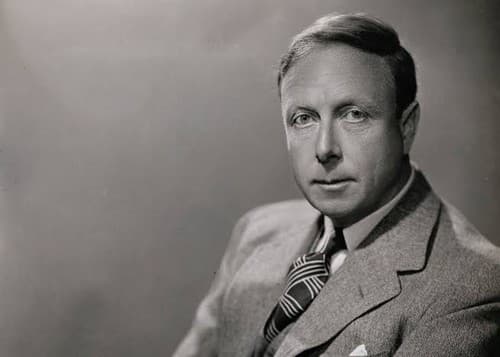
A.J. Cronin was a Scottish physician and novelist celebrated for his socially conscious fiction. His most famous works, 'The Citadel' and 'The Keys of the Kingdom,' explored themes of medical ethics and faith, achieving international bestseller status and critical acclaim. Cronin's vivid storytelling and moral seriousness left a significant mark on 20th-century literature.







