BookBrief
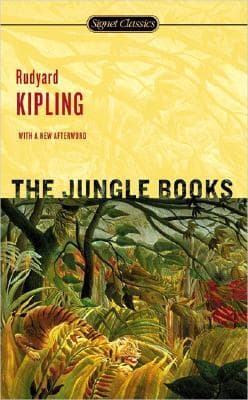
The Jungle Books cover
Archivist's Choice

The Jungle Books

Rudyard Kipling (1994)

Genre

Fantasy / Children's / Young Adult

Reading Time

10-12 hours

Key Themes

See below

Track Your Reading

Sign in to track this book

Abandoned in India, young Mowgli learns the 'Law of the Jungle' from animal mentors, finding his identity between human instinct and wild wisdom.

Synopsis

The Jungle Books is a collection of stories, mainly about Mowgli, a boy raised by wolves in the Indian jungle. The story starts with baby Mowgli's adoption into a wolf pack. He learns the 'Law of the Jungle' from Baloo the bear, Bagheera the black panther, and Akela the wolf. Mowgli faces constant threats, especially from the tiger Shere Khan, who wants to kill him. Mowgli lives among the animals, including an encounter with the monkeys, the Bandar-log, and a rescue by Kaa the python. Shere Khan's hatred eventually forces Mowgli to leave the jungle and live with humans. He struggles to adapt to human society but eventually kills Shere Khan, fulfilling an old prophecy. After some time with humans, Mowgli becomes an outcast from both worlds, returning to the jungle as its master. The collection also includes other animal tales from India: Rikki-Tikki-Tavi, a mongoose who protects a human family from cobras; Toomai, a young elephant handler who sees a secret elephant dance; Kotick, a rare white seal who searches for a safe home for his kind; and stories about other animals and even human soldiers. These stories all explore ideas of law, duty, and survival.
Reading time
10-12 hours
Difficulty
Medium
Pacing
Variable
Mood
Adventurous, Instructive, Philosophical, Wild, Nostalgic
✓ Read this if...
You enjoy classic animal fables, coming-of-age stories, or tales exploring themes of nature vs. nurture and the 'law' of different societies.
✗ Skip this if...
You prefer modern fantasy with complex magic systems, or are sensitive to colonial-era perspectives sometimes present in classic literature.

Plot Summary

Mowgli's Adoption into the Wolf Pack

Father Wolf and Mother Wolf find a human 'man-cub' in their den as Shere Khan, the lame tiger, hunts nearby. Mother Wolf, Raksha, fiercely protects the child from Shere Khan's demands. The wolves decide to keep the boy, naming him Mowgli, or 'Little Frog.' To be officially accepted, Mowgli must be shown at the Pack Council Rock. Baloo, the bear who teaches the Law of the Jungle, speaks for him, as does Bagheera, the black panther, who offers a killed bull for Mowgli's life. The Pack, led by Akela, accepts Mowgli, letting him grow up with the wolf cubs.

Life in the Jungle and the Law

Mowgli spends his childhood learning the Law of the Jungle from Baloo. This includes the master-words for different animals and understanding their ways. Bagheera also teaches him hunting and survival, often more strictly than Baloo. He learns the languages of jungle creatures and understands the balance of power and respect among them. His wolf brothers treat him as one of their own. He enjoys a carefree life, but always knows he is unique as a man-cub. He forms a strong bond with his adopted family and the jungle, following its old laws.

The Bandar-log and Kaa's Rescue

One day, while playing, Mowgli is taken by the Bandar-log, the Monkey-People. Other jungle animals dislike them for being lawless. The monkeys carry him through the trees to the Cold Lairs, an old, ruined city. Mowgli signals Chil the Kite for help. Chil tells Baloo and Bagheera, who then ask Kaa, the old python, for help. Kaa is known for his hypnosis and strength. The three travel to the Cold Lairs and fight the monkeys. Kaa's hypnotic dance freezes the Bandar-log, letting Baloo and Bagheera rescue Mowgli, who is scolded for being with the lawless monkeys.

Shere Khan's Threat and Mowgli's Banishment

As Mowgli gets older, Shere Khan, with help from some younger wolves, causes trouble for him in the pack. Akela, the old Lone Wolf, begins to lose his strength and hunting skill, suggesting his leadership might be challenged. At a Pack Council, Shere Khan openly demands Mowgli's life, saying a man-cub does not belong with wolves. Bagheera tells Mowgli to get the 'Red Flower' (fire) from the human village as a weapon. Mowgli bravely brings burning coals to the council, drives Shere Khan away, and defends Akela. But, realizing he is no longer safe with either wolves or men, Mowgli sadly decides to leave the jungle for human society.

Mowgli Among Men

Mowgli arrives at a human village and is taken in by Messua and her husband. They believe he is their lost son, Nathoo, who was taken by a tiger. Mowgli tries to learn human ways, like wearing clothes and plowing, but finds them confusing. He struggles with their language and their idea of private property. He becomes friends with Buldeo, the village hunter, who often tells exaggerated jungle stories, which Mowgli finds amusing. Mowgli's jungle instincts and close ties with animals, especially his wolf brothers, make him stand out and cause suspicion among the villagers.

The Death of Shere Khan

Mowgli learns from Grey Brother, one of his wolf brothers, that Shere Khan still plots against him and plans an ambush outside the village. Mowgli plans to trap the tiger. With Grey Brother and Akela, he herds the village buffalo into a narrow ravine. As Shere Khan enters, Mowgli signals the buffalo to stampede, killing the tiger. Mowgli then skins Shere Khan, fulfilling his old promise. He brings the hide back to the village, but instead of praise, Buldeo accuses him of being a sorcerer and demands the skin for himself. This event further separates Mowgli from the humans.

Expulsion from the Village and Return to the Jungle

After the fight over Shere Khan's hide, Buldeo turns the villagers against Mowgli, calling him a sorcerer and a wolf-child. Messua tries to defend him, but the villagers are scared. Mowgli is driven from the village, ending his attempts at human life. He returns to the jungle, where his animal friends, especially Baloo, Bagheera, and his wolf brothers, welcome him back. He feels a strong sense of belonging and relief, knowing the jungle is his true home. He then lives as the jungle's master, guiding the animals and upholding the Law.

Rikki-Tikki-Tavi's Valor

Rikki-Tikki-Tavi, a young mongoose, is washed from his home by a flood and rescued by a British family. He quickly bonds with the family's son, Teddy. Rikki-Tikki, with his natural urge to hunt snakes, finds the garden full of Nag and Nagaina, two large, poisonous cobras who threaten the family. He fights and kills Karait, a smaller, very poisonous snake, earning the family's trust. He then bravely confronts and kills Nag in the bathroom. Later, he chases Nagaina to her nest, destroys her eggs, and kills her, making the family and garden safe.

Toomai of the Elephants

Little Toomai, a ten-year-old boy, is the son of an elephant-driver in India. He wants to become a Keddah man, one who captures wild elephants. He is told he will not be a true Keddah man until he sees the 'dance' of the elephants. One night, he secretly follows Kala Nag, his family's elephant, into the jungle. He sees a secret, old gathering of wild elephants, a rare and sacred event called the 'dance.' This experience raises his status, and he is then known as 'Toomai of the Elephants,' marking him as destined for success in his job, having seen what no other man has.

The White Seal's Quest

Kotick, a unique white fur seal, is born on the Pribilof Islands, a seal breeding ground. As he grows, he sees the brutal yearly killing of young seals by human hunters. Upset by this cruelty and the older seals' lack of concern, Kotick begins a long and dangerous journey across the oceans. He searches for a safe, empty island where seals can live and breed without fear of humans. After years of searching and facing many dangers, he finds such a place. He then returns to his home island, convinces his fellow seals to follow him, and leads them to their new, safe home.

Her Majesty's Servants

This story shows a fictional talk among animals in the British Indian Army, including a cavalry horse, a mule, an artillery elephant, an ox, and a camel. They discuss their jobs, their understanding of commands, and their feelings about their human masters and the dangers of war. The animals express pride in their service, their fears, and their different ideas on obedience and their place in the military. Through their talk, Kipling explores ideas of duty, discipline, and the bond between humans and the animals they command, offering a unique view of military life.

The Undertakers

A jackal, a stork, and a mugger (crocodile) meet by the river to talk about their roles as scavengers and predators, especially after a flood and a human cholera outbreak. They describe how they find and eat the dead, showing the natural cycle of life and death in the jungle. The jackal boasts of his cleverness, the stork of his patience, and the mugger of his strength. The story gives a dark, funny, and direct look at death and the ecosystem's clean-up crew, stressing nature's fairness and the different ways creatures survive.

Principal Figures

Mowgli

The Protagonist

Mowgli evolves from an innocent man-cub to a respected master of the jungle, eventually accepting his unique identity as a bridge between two worlds.

Baloo

The Supporting

Baloo remains a steadfast source of wisdom and love for Mowgli, embodying the unchanging principles of the Law.

Bagheera

The Supporting

Bagheera consistently guides and protects Mowgli, serving as a vital link between Mowgli's human origins and his jungle life.

Shere Khan

The Antagonist

Shere Khan remains a persistent threat to Mowgli, ultimately meeting his demise at Mowgli's hands, fulfilling Mowgli's destiny.

Kaa

The Supporting

Kaa acts as a steadfast, powerful ally and a source of ancient wisdom for Mowgli, especially in times of great danger.

Akela

The Supporting

Akela's leadership wanes with age, but he remains a symbol of the Law, inspiring Mowgli to uphold justice even after his own death.

Raksha (Mother Wolf)

The Supporting

Raksha provides unwavering maternal love and protection for Mowgli throughout his childhood, solidifying his bond with the wolf family.

Rikki-Tikki-Tavi

The Protagonist

Rikki-Tikki-Tavi evolves from a displaced young mongoose to the undisputed hero and protector of his human family and garden.

Messua

The Supporting

Messua offers Mowgli a glimpse into human family life, providing him with maternal affection that contrasts with the villagers' eventual fear.

Kotick

The Protagonist

Kotick transforms from a curious individual into a heroic leader who saves his entire species from human predation.

Themes & Insights

The Law of the Jungle

The Law of the Jungle is a main idea, showing a complex set of rules that guide the jungle animals. It includes rules for hunting, self-preservation, respect for older animals, and community. For Mowgli, learning and following this Law is key to his survival and acceptance. It is not just about 'survival of the fittest' but about mutual respect and the jungle's balance. This idea is clear when Baloo teaches Mowgli the master-words and customs, and when Mowgli uses his understanding of the Law to defeat Shere Khan, who often breaks it. The Law gives structure to the wild.

For the strength of the Pack is the Wolf, and the strength of the Wolf is the Pack.

The Law of the Jungle

Identity and Belonging

Mowgli's constant struggle with his identity and where he belongs is a core theme. Raised by wolves, he is physically human but culturally an animal of the jungle. He faces rejection from both worlds: Shere Khan and some wolves see him as a 'man-cub,' while humans see him as a 'wolf-child' or sorcerer. His journey is about bringing these two parts of himself together, eventually realizing he is a unique link between them. This is clearly shown when he is forced to leave the wolf pack and later expelled from the human village, only to find his true home and purpose in the jungle, leading the animals.

Man goes to Man at the last. Though I love the jungle, I am not a wolf.

Mowgli

Nature vs. Civilization

The contrast between the wild, natural world and human society is explored through Mowgli's experiences. The jungle means freedom, old laws, and a raw but honest life, while the human village has strict customs, superstition, and a different kind of law. Mowgli finds human ways confusing – their focus on property, their fear of the unknown, and their inability to understand animal life. The jungle offers true belonging, while human society, despite its progress, often proves narrow-minded and cruel, as seen in the villagers' treatment of Mowgli and the seal hunters' actions in 'The White Seal'.

The jungle is large and the cub is little. Let him run with the Pack and be entered with the Pack.

Father Wolf

Duty and Responsibility

Many characters, both animal and human, deal with their duties and jobs. Baloo and Bagheera carefully teach Mowgli the Law, fulfilling their roles as mentors. Akela keeps his responsibility as Pack leader until he loses strength. Rikki-Tikki-Tavi takes on the big job of protecting his human family from cobras. Even the military animals in 'Her Majesty's Servants' discuss their sense of duty to their masters. This idea shows that with power or position comes responsibility, and doing these duties often needs courage and self-sacrifice for the good of the community or those in one's care.

We be of one blood, ye and I.

Mowgli (to other animals, acknowledging shared kinship and duty)

Coming-of-Age and Self-Discovery

The story, especially Mowgli's journey, is a classic coming-of-age tale. Mowgli starts as an innocent, vulnerable man-cub and grows into a wise and powerful leader. His journey involves learning, making hard choices, facing dangers, and finally understanding his unique place in the world. He discovers his strengths, his loyalties, and what home truly means. This idea is also in 'Toomai of the Elephants', where Little Toomai seeing the elephant dance marks his change into a respected Keddah man, and in Kotick's search for a safe home for his fellow seals, showing his growth into a leader.

Now I am a man-cub, and I will go to my own place.

Mowgli

Plot Devices & Literary Techniques

Anthropomorphism

Attribution of human characteristics to animals.

Kipling extensively uses anthropomorphism, giving animals the ability to speak, reason, and form complex societies with their own laws and customs. This device allows for the exploration of human themes like law, justice, identity, and morality through the allegorical lens of the animal kingdom. The animals' distinct personalities, motivations, and social structures make them relatable and allow for deeper philosophical discussions without directly stating them from a human perspective. It creates a vivid and immersive jungle world that resonates with readers of all ages.

The Law of the Jungle

A moral and ethical code governing animal behavior.

More than just a theme, 'The Law of the Jungle' also functions as a crucial plot device. It provides the framework for character interactions, dictates acceptable behavior, and drives conflicts. Breaches of the Law (like Shere Khan's lawlessness or the Bandar-log's chaos) create tension and necessitate intervention. Adherence to the Law (Mowgli's training, the Pack's decisions) shapes the narrative and characters' destinies. It serves as a moral compass and a practical guide for survival, making the jungle a structured, albeit wild, society.

Mentor Figures

Wise and experienced characters who guide the protagonist.

The presence of multiple mentor figures is a significant plot device, particularly for Mowgli. Baloo, Bagheera, and Kaa each contribute distinct lessons and forms of protection, shaping Mowgli's development. Baloo teaches the formal Law, Bagheera offers practical skills and cunning, and Kaa provides ancient wisdom and raw power. These mentors not only educate Mowgli but also act as his primary protectors, intervening in moments of danger (e.g., the rescue from the Bandar-log), and their guidance directly influences Mowgli's decisions and growth throughout his journey.

Symbolism of Fire (The Red Flower)

Fire as a representation of human power, danger, and separation.

Fire, referred to as 'The Red Flower,' is a powerful symbol and plot device. For the animals, it represents the mysterious and fearsome power of humans, a force they cannot control. For Mowgli, it becomes a tool that marks his difference from the animals and his potential to dominate. When Mowgli brings fire to the Pack Council to defy Shere Khan, it signifies his growing separation from the purely animal world and his embrace of his human capabilities, ultimately leading to his departure from the pack and the jungle.

Critical analysis

Notable Quotes

Now, don't be angry, my good friends. Remember, the Jungle Law is that you may hunt and eat anything you catch, but you may not kill the cub of any other animal, nor eat the cub of any other animal, until it has killed its first kill.

Baloo teaching the young wolves the Law of the Jungle.

For the strength of the Pack is the Wolf, and the strength of the Wolf is the Pack.

A central tenet of the wolf pack's philosophy.

We be of one blood, ye and I.

Mowgli's greeting and plea for kinship to various jungle creatures.

Man goes to Man at the last.

Akela's somber observation about Mowgli's eventual return to humanity.

The Jungle is large and the Cub is small. Let him run with the Pack and be entered with the others.

Akela's decision to accept Mowgli into the Seeonee Wolf Pack.

By the Law of the Jungle, and not by my own whim, I kill thee.

Kaa's declaration before striking his prey.

Every man must make his own Jungle.

Implicit message from Mowgli's journey, adapting to different environments.

The head and the hoof of the Law and the haunch and the hump is — Obey!

Baloo emphasizing the importance of obedience to the Jungle Law.

The one thing that the Jungle fears is Fire.

Mowgli's realization of humanity's power over the jungle.

When the man-cub is grown, he will lead the Pack.

Bagheera's prophecy about Mowgli's future.

There is no moving in the Jungle for a Panther without a good reason.

Bagheera's cautious and strategic nature is highlighted.

For the Jungle that I knew is gone.

Mowgli's mournful reflection as he leaves the jungle for good.

Unless you are a Black Panther, it is best to be careful.

A general warning about the dangers of the jungle, implying Bagheera's strength.

He knew that he was Mowgli, and not a wolf, and not a human, but something in between.

Mowgli's struggle with his identity between two worlds.

Quiz

Test Your Knowledge

Ready to see how well you understood this book? Take our interactive quiz with 10 questions.

10
Questions
~5
Minutes
?
Best Score

Key Questions (FAQ)

The Mowgli stories chronicle the life of a human child, Mowgli, who is orphaned and adopted by a wolf pack in the Seoni jungle of India. He is raised among animals, learning their ways and the intricate 'Law of the Jungle' from his mentors Baloo the bear, Bagheera the panther, and Kaa the python, as he navigates his unique identity between the human and animal worlds.

About the author

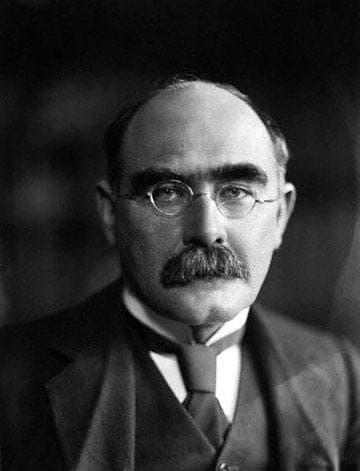
Rudyard Kipling

Joseph Rudyard Kipling was an English novelist, short-story writer, poet, and journalist. He was born in British India, which inspired much of his work.