“When you marry an Englisher, you lose your way. You lose your people.”
— Naomi's mother warning her about marrying outside the Amish community.

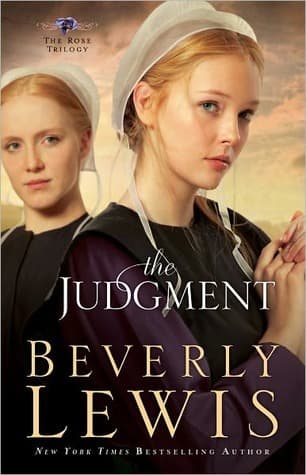
Beverly Lewis (2011)
Genre
Historical Fiction / Romance
Reading Time
334 min
Key Themes
See below
Sign in to track this book
Torn between her devout fiancé and a charismatic outsider shunned by the Amish, Rose Kauffman must navigate forbidden love and community judgment, while her sister, Hen, fights to reconcile her modern marriage with her traditional roots before a judge decides her daughter's fate.
Rose Kauffman is engaged to Silas Good, a respected member of the Amish community. Still, she longs for Nick Franco, the bishop's former foster son who left the community after a tragic accident involving the bishop's son, Daniel. Despite the community's disapproval of Nick, Rose cannot forget him. Meanwhile, Rose's older sister, Hen, has returned to her parents' farm with her young daughter, Hope. Hen's separation from her English (non-Amish) husband, Brandon, has caused problems. Brandon threatens to sue for full custody of Hope if Hen doesn't return to him. The Kauffman family, especially Rose, feels the impact of Hen's choices, which go against traditional Amish values, causing tension and uncertainty.
Nick Franco returns to the Paradise area after a long absence. His reappearance immediately worries the Amish community, who still blame him for Daniel Fisher's death, even without formal charges. Bishop Fisher, Daniel's father, remains especially cold towards Nick. Rose is torn; seeing Nick rekindles her old feelings, making her engagement to Silas feel even more wrong. Nick seems to be looking for answers and perhaps reconciliation, but the community's judgment makes his path difficult and fuels Rose's struggle between her duty and her heart.
Brandon, Hen's English husband, increases his threats about Hope's custody. He makes it clear he expects Hen to return to their modern life, or he will take legal action for sole custody of their daughter. This puts great pressure on Hen. She wants to stay with her family and reconnect with her Amish roots, but she also loves Hope deeply and fears losing her. Her parents support her but struggle with her 'English' marriage and the legal battle, which is unfamiliar to their traditional way of life. Hen finds herself caught between two worlds, with her daughter's future at stake.
As Nick spends more time in the area, working odd jobs and trying to make amends, Rose's feelings for him grow stronger. She feels drawn to him, despite the community's disapproval and her commitment to Silas. Silas, though kind, senses Rose's distraction and Nick's lingering presence. Rose begins to wonder if she can truly marry Silas when her heart belongs to another, leading to moments of quiet sadness and guilt. Her attempts to balance her duty to her family and community with her personal desires become harder, making her engagement feel like a burden.
Whispers and forgotten details about the accident that caused Daniel Fisher's death begin to surface. Nick Franco, who was there, has always felt guilty, but inconsistencies in the original story start to appear. Rose, believing in Nick and wanting the truth, begins to quietly investigate, asking people who were present at the time. This new look suggests Daniel's death might not have been as simple as the community believed, hinting at a possible cover-up or misunderstanding that unfairly blamed Nick. This development offers hope for Nick's reputation and Rose's peace of mind.
The custody battle for Hope reaches a critical point, with Hen and Brandon appearing before a judge. Hen, despite her lack of experience with legal matters, states her wish to raise Hope within the stable and loving environment of her Amish family. She also acknowledges Hope's need for both parents. Brandon presents his case, emphasizing his ability to provide a modern, financially secure life. The judge listens to both sides, considering the child's best interests against the parents' very different lifestyles. Hen waits for a decision that will shape her and Hope's future, possibly forcing her to choose between her faith and her daughter.
Overwhelmed by her feelings for Nick and the growing belief that she cannot marry Silas, Rose finally decides to break off her engagement. She respectfully tells Silas, who is hurt but understands that Rose's heart is not fully with him. This decision, though painful, brings Rose a sense of freedom but also fear of community judgment. Her family, especially her parents, are disappointed and worried about her reputation within the Amish community. However, Rose feels a renewed sense of honesty, knowing she has been true to herself, even if it means facing an uncertain future.
Through Nick's memories, Rose's inquiries, and perhaps a confession from another witness, the full, tragic truth about Daniel Fisher's death comes out. It is revealed that Daniel's death was an accident, possibly even caused by Daniel's own carelessness, and that Nick had tried to save him. The community's long-held belief that Nick was solely responsible shatters, and his innocence is finally proven. This revelation is a turning point, not only for Nick, who is free from unjust blame, but also for Bishop Fisher, who must face his grief and misplaced anger.
With the truth about Daniel's death exposed, the community slowly begins to rethink their judgment of Nick Franco. Bishop Fisher, after a period of reflection and grief, finally forgives Nick, acknowledging the misunderstanding and the pain he had caused. This act of grace is important for Nick's healing and his possible return to the community, if he chooses. The reconciliation is not instant, but it is a step towards healing old wounds and building understanding, especially within the Fisher and Kauffman families. Nick's future, once bleak, now holds the possibility of belonging.
The judge, after careful thought, rules in Hen's favor regarding Hope's custody, granting her primary custody while ensuring Brandon still has visitation rights. This decision allows Hen to continue living with her parents and raising Hope within the Amish community, a path she deeply wants. While her marriage to Brandon remains uncertain, the custody ruling gives Hen stability and the chance to re-establish her place among the People. She begins to actively participate in community life, embracing her heritage while managing co-parenting with an English husband, finding a balance for her family's future.
With Nick's name cleared and Rose's engagement broken, they can finally explore their feelings. They openly acknowledge their love for each other, a love that has lasted through years of separation and misunderstanding. Nick, now free from suspicion, expresses his desire to build a life with Rose, possibly within the Amish community, or in a way that honors their faith and values. Their future together is still uncertain in specific details, but the 'judgment' that separated them has been lifted, allowing them to imagine a life where their love can grow without past accusations.
The Protagonist
Rose transforms from a dutiful but conflicted fiancée into a woman brave enough to break her engagement and pursue a love deemed unconventional by her community, ultimately finding happiness by following her heart and faith.
The Love Interest / Secondary Protagonist
Nick moves from being an outcast burdened by false accusations to being exonerated and accepted, finding peace and the possibility of a future with Rose.
The Supporting Character / Secondary Protagonist
Hen navigates a difficult custody battle and re-establishes her place within her family and community, finding a unique way to bridge her two worlds for her daughter's sake.
The Supporting Character
Silas gracefully accepts the end of his engagement, demonstrating maturity and respect for Rose's true feelings.
The Supporting Character
Bishop Fisher moves from hardened grief and misplaced blame to ultimately forgiving Nick and finding peace.
The Supporting Character / Antagonist (initially)
Brandon softens from a demanding husband threatening legal action to a co-parent willing to share custody and respect Hen's choices.
The Supporting Character
Hope's future is secured by her mother's successful custody battle, allowing her to grow up in a loving environment that bridges two cultures.
The novel explores judgment, both from the Amish community and on a personal level, contrasted with the power of forgiveness. Nick Franco faces years of community judgment and exclusion based on a misunderstanding of Daniel Fisher's death. Bishop Fisher's inability to forgive Nick due to grief fuels this judgment. Rose defies this communal judgment by believing in Nick. The eventual truth and Bishop Fisher's forgiveness of Nick show how moving past rigid judgment leads to healing and reconciliation, allowing people to move forward.
“The judgment of man is often swift and harsh, but only God's forgiveness can truly set a soul free.”
This theme is most clear in Rose Kauffman's inner struggle. She feels a duty to her family and community to marry Silas Good, a respected Amish man, which fits traditional expectations. However, her heart belongs to Nick Franco, an 'English' man and an outcast. Rose's struggle to balance these opposing forces drives her personal journey. Similarly, Hen Kauffman faces this dilemma in choosing between her duty to her English husband and her desire to reconnect with her Amish roots and raise her daughter in that community. The novel suggests that while duty is important, true happiness often comes from aligning one's actions with one's deepest desires, even if it means challenging expectations.
“How could she pledge her life to one man, when her heart belonged to another, no matter how forbidden that love seemed?”
The search for truth and the possibility of redemption is a central theme. Nick Franco lives under suspicion and blame for years, wanting the truth about Daniel Fisher's death to be revealed. The community's story, based on incomplete information and grief, has condemned him. Rose's belief in Nick and her quiet investigation help uncover the full story. When the truth emerges, it clears Nick's name and offers redemption for him and healing for Bishop Fisher. The novel emphasizes that truth, no matter how long hidden, brings justice and allows for the redemption of character and relationships.
“The truth, like a hidden spring, would always find its way to the surface, no matter how much earth tried to cover it.”
Characters in the novel grapple with where they belong and who they are. Nick Franco, a former foster son, struggles with his identity as an 'English' man who lived an Amish life and is now an outcast. Hen Kauffman is caught between two worlds, the Amish community she grew up in and her husband's modern world, seeking to define her identity and find a place where she and her daughter can belong. Rose also questions her place when her desires conflict with community norms. The theme explores how individuals navigate their identity when faced with external expectations and how belonging is not just about physical presence but also about acceptance and shared values.
“To belong, truly belong, was more than just a place; it was a feeling of being seen and accepted for who you truly were.”
A central past event that creates conflict and drives the plot.
The misunderstanding surrounding Daniel Fisher's death and the subsequent false accusation against Nick Franco serves as the primary catalyst for the entire plot. This device creates the initial conflict, leading to Nick's ostracization, Bishop Fisher's enduring grief and anger, and Rose's internal struggle. The resolution of this misunderstanding, through the revelation of the truth, directly drives the climax and resolution of the main romantic and familial conflicts, allowing for forgiveness and new beginnings.
A romantic conflict involving three characters, creating emotional tension.
The love triangle between Rose Kauffman, Silas Good, and Nick Franco is a key plot device that fuels Rose's internal conflict and shapes her decisions. Silas represents the 'safe' and expected choice within her Amish community, while Nick represents forbidden love and a challenging path. This device heightens the emotional stakes for Rose, forcing her to confront her true feelings and ultimately make a difficult choice that challenges community norms, driving her character arc and contributing significantly to the romantic tension of the story.
A character who is not fully integrated into the community, providing an external perspective.
Nick Franco embodies the 'outsider' archetype. Having been a foster child and later ostracized, he exists on the fringes of the Amish community, allowing him to challenge its judgments and offer an alternative perspective. Similarly, Hen Kauffman, having lived in the 'English' world, brings an external viewpoint that clashes with traditional Amish values. This device highlights the insular nature of the Amish community and allows for themes of acceptance, prejudice, and the clash of cultures to be explored through their experiences and interactions.
A legal dispute over a child, creating external conflict and high stakes.
The custody battle for Hope between Hen and Brandon provides a significant external conflict that runs parallel to Rose's romantic struggles. This device raises the stakes for Hen, forcing her to actively fight for her daughter's future and her place within her family. It introduces the 'English' legal system into the traditional Amish world, highlighting the cultural clash and the challenges of bridging two very different lifestyles. The resolution of this battle provides a satisfying secondary plotline and a path for Hen's character development.
“When you marry an Englisher, you lose your way. You lose your people.”
— Naomi's mother warning her about marrying outside the Amish community.
“The Lord works in mysterious ways, and sometimes His path for us is not the one we would choose.”
— An elder comforting Naomi after a difficult decision.
“Forgiveness is not about forgetting, but about letting go of the anger and bitterness.”
— A wise character offering advice on healing past hurts.
“Sometimes the hardest choices are the ones that lead us closer to God.”
— Naomi reflecting on her personal struggles and faith.
“Love is not just a feeling, it is a commitment, a promise made before God and man.”
— A character discussing the sacredness of marriage vows.
“The Englischers have their ways, and we have ours. It is not for us to judge.”
— An Amish character advocating for tolerance towards outsiders.
“True happiness comes not from what you possess, but from the peace in your heart.”
— A character imparting wisdom about contentment.
“A mother's love is a powerful thing, able to cross any divide.”
— Naomi contemplating her relationship with her estranged mother.
“The past can hold you captive, or you can choose to learn from it and move forward.”
— A character encouraging another to overcome past regrets.
“Sometimes, the greatest strength is found in quiet endurance.”
— Naomi's internal thoughts during a period of hardship.
“God's grace is sufficient, even when our own strength fails.”
— A character offering spiritual comfort during a time of weakness.
“The ties of family, even when strained, can never truly be broken.”
— Naomi reflecting on the enduring nature of her family bonds.
“It takes courage to follow your heart, especially when it goes against what is expected.”
— Naomi making a difficult personal decision.
“There is always hope, even in the darkest of valleys.”
— A character offering encouragement during a despairing moment.
Ready to see how well you understood this book? Take our interactive quiz with 10 questions.

Beverly Lewis is a prolific author known for her heartwarming stories set in Amish communities. Her extensive body of work, including the popular "The Heritage" series and the standalone novel "The Judgment," has resonated with readers who appreciate her sensitive portrayal of faith, family, and tradition. Lewis's dedication to historical accuracy and authentic character development has made her a beloved figure in inspirational fiction.







