“Memory is a wild animal. It has its own rules, its own territory, its own predators and prey.”
— Alma reflects on the nature of memory and how it shapes her understanding of the past.

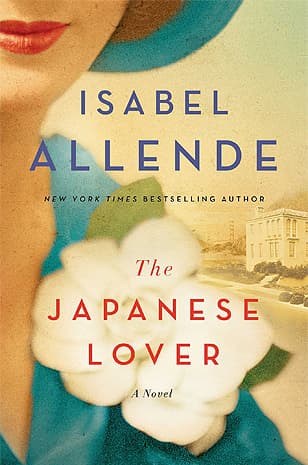
Isabel Allende (2016)
Genre
Literary Fiction / Historical Fiction / Romance
Reading Time
360 min
Key Themes
See below
Sign in to track this book
In San Francisco, a Polish heiress and a Japanese gardener's son fall in love, a secret that endures for nearly seventy years through letters and stolen moments, even as wartime internment forces them apart.
In 2005, eighty-year-old Alma Belasco, a wealthy and independent woman, moves into Lark House, an unusual nursing home in San Francisco, after a fall. Her grandson, Seth, who is devoted to her, accompanies her. Alma quickly befriends Irina Bazili, a young Moldovan caregiver with a mysterious past, who is assigned to her. Irina is drawn to Alma's elegance and intelligence, and they develop a mutual respect. Alma, though physically frail, remains curious and connected to her closely guarded past. Seth wants to ensure his grandmother is comfortable and happy in her new home.
In 1939, ten-year-old Alma Belasco is sent from Poland to live with her wealthy aunt and uncle, Lila and Nathaniel Belasco, in their large San Francisco mansion to escape the coming war in Europe. Alma is lonely and confused at first, but she finds comfort in the mansion's gardens. There, she meets Ichimei Fukuda, the quiet and artistic son of the Japanese gardener, who is a few years older. They begin a quiet friendship, unnoticed by the adults around them, amidst the grandeur and rules of the Belasco household.
After the Japanese attack on Pearl Harbor in December 1941, anti-Japanese feelings spread across America. Ichimei and his family, like thousands of other Japanese Americans, are forced into internment camps. Alma is heartbroken by Ichimei's sudden and unfair removal. She tries hard to stay in touch, but the separation is complete and painful. This forced separation is a deep trauma for both of them, showing the injustice and prejudice of the time, and leaving Alma with a strong sense of loss as the war continues worldwide.
During Ichimei's internment, Alma, with help from her aunt and uncle's chauffeur, manages to exchange secret letters with him. Their letters are full of longing and coded affection, keeping their emotional connection alive through their harsh separation. After the war, Ichimei is released from the camp. Alma, now a young woman, arranges a secret reunion with him. Their love, tested by time and events, rekindles with an intensity that shows its lasting nature, but they must keep it hidden from society and Alma's family.
At Lark House, Irina and Seth notice mysterious gifts and letters arriving for Alma. These packages contain objects like a small, carved wooden bird, a pressed flower, or an old photograph, always with a letter written in Japanese. Alma is visibly touched by these gifts but gives no explanation, which makes Irina and Seth curious. They begin to suspect these items are linked to an important, unspoken part of Alma's past, and their investigation slowly pulls them into the hidden story of her life and her secret love affair.
As Irina spends more time with Alma and Seth, her own difficult past begins to appear. Flashbacks show her hard childhood in Moldova, marked by poverty and a traumatic experience involving abuse and abandonment. This past has left her with deep emotional scars, a fear of closeness, and a tendency to keep people distant. Her guarded manner and compassionate nature come from these experiences. Alma, with her sharp perception, senses Irina's pain and offers subtle empathy, creating a safe space for Irina to slowly face her history, though she doesn't fully confide in them yet.
Prompted by the gifts and the growing trust she feels for Irina and Seth, Alma slowly begins to share parts of her lifelong love affair with Ichimei Fukuda. She tells them about their first meeting, the forced separation, and their later reunions. Irina and Seth piece together the story of a love that defied social norms, racial prejudice, and time. They learn about the sacrifices and constant need for secrecy that defined Alma and Ichimei's relationship, deepening their understanding of Alma.
Over the decades, Alma marries a respectable man, Nathaniel, and lives a seemingly conventional life, but her heart remains with Ichimei. They continue their secret affair through hidden meetings, coded messages, and unspoken understandings. Ichimei becomes a successful landscape architect, and their shared interest in art and beauty often provides a setting for their hidden encounters. Their love lasts through marriages, children, and social expectations, showing their deep connection and their determination to keep their bond alive, even if it meant living a double life.
As Alma's health declines, a final, special gift arrives: a carefully made miniature Japanese garden, reflecting Ichimei's artistic talent and their shared history. This gift prompts Alma to fully confide in Irina and Seth, revealing the depth and length of her love for Ichimei. She explains what each gift meant, how they symbolized their connection, and the circumstances of their last farewell. This confession is a release for Alma, allowing her to finally share the most important secret of her life.
With her story now fully told, Alma trusts Irina and Seth with her most private wishes. She asks them to ensure that Ichimei's memory is honored and that the truth of their love is known, if not publicly, then at least by those who care for her. She expresses her wish to be reunited with Ichimei in death. This act of trust strengthens the bond between Alma, Irina, and Seth, changing their relationship from caregiver-patient and grandson to confidantes who hear an extraordinary love story. They promise to fulfill her wishes, understanding the weight of her secret.
After Alma's death, Irina and Seth, driven by her story and their promise, begin a search for Ichimei Fukuda. They use the clues Alma provided, including old addresses, photographs, and details of his artistic career. Their journey takes them through California, uncovering more about Ichimei's life, his art, and the subtle ways he stayed connected with Alma. This search becomes a pilgrimage, deepening their understanding of love's lasting power and the sacrifices made for it, while also helping Irina face her own past and find purpose.
Irina and Seth eventually discover that Ichimei had passed away shortly before Alma. They find his final resting place and learn more about his artistic legacy, which often subtly referenced his hidden love for Alma. This discovery brings both sadness and a sense of completion. For Irina, the journey has changed her. By helping Alma and pursuing her story, Irina confronts her own trauma, finds forgiveness, and begins to heal. She decides to pursue a career helping others, finding a new sense of belonging and purpose, with Seth as a friend and companion.
The Protagonist
Alma's arc moves from a young girl discovering forbidden love to an old woman finding peace by finally sharing her profound secret.
The Protagonist
Ichimei's arc shows his journey from a young boy facing racial prejudice to a successful artist who maintains a secret, profound love throughout his life.
The Protagonist/Narrator
Irina's arc is one of healing and self-discovery, moving from a traumatized, isolated individual to finding purpose and connection through her bond with Alma and Seth.
The Supporting
Seth's arc involves deepening his understanding of his grandmother's complex life and forming a meaningful connection with Irina.
The Supporting
Nathaniel's arc is largely static, serving as a foil to Alma's passionate inner life.
The Supporting
Their role is primarily to establish Alma's early environment and the societal context of her forbidden love.
The Supporting
Julian's arc is limited to his role in enabling Alma and Ichimei's early connection.
The Mentioned
Eva's presence serves as a catalyst for Irina's emotional journey and healing.
The main theme is that true love can last through time, distance, social barriers, and even death. Alma and Ichimei's seventy-year secret affair, maintained through war, internment, and separate marriages, shows an unbreakable bond that overcomes all challenges. Their love is not public, but a quiet, constant force that gives meaning to their lives. The mysterious gifts and letters, and Alma's final confession, are strong symbols of this lasting connection, inspiring Irina and Seth.
““Love, she thought, was a vast and boundless ocean, capable of holding every kind of ship, from the smallest dinghy to the grandest liner.””
The novel explores the deep impact of living a secret life, especially for Alma and Ichimei. Their love requires constant secrecy and significant personal sacrifices, forcing them to maintain public appearances while cherishing their private world. The secrecy protects their love but also isolates them, showing the emotional cost of defying social norms and racial prejudice. Irina also carries her own secrets and trauma, showing how hidden parts of one's life can shape identity and relationships.
““Some secrets are like rivers, running deep beneath the surface, shaping the landscape even when unseen.””
The historical context of Japanese American internment during World War II is important, showing the devastating impact of racial prejudice. Ichimei and his family are unfairly stripped of their freedom and dignity, directly separating him from Alma. This social injustice forces their love underground and casts a long shadow over their lives. The theme highlights the unfairness of prejudice and its lasting effects on individuals and relationships, making their love story even more touching and defiant.
““The war had not only separated them by distance but by a barbed wire of prejudice and fear.””
The narrative structure, moving between past and present, emphasizes the importance of memory and storytelling in understanding one's life and finding closure. Alma's gradual sharing of her story with Irina and Seth is a process of emotional release, allowing her to come to terms with her past. For Irina, listening to Alma's tale and helping to put it together helps her face her own traumatic memories and begin healing. Sharing and hearing personal histories helps emotional recovery and connection.
““A life unexamined is a life half-lived. But a life shared, even in its fragments, can heal others.””
The characters deal with questions of identity and belonging. Alma, a Polish immigrant in America, finds her true self through her love for Ichimei, despite living a dual life. Ichimei, as a Japanese American, struggles with his identity in a country that both claims and rejects him. Irina, an immigrant from Moldova, searches for a sense of belonging after a traumatic past. Lark House itself, with its diverse residents, becomes a place where different identities find acceptance and community, offering a sense of belonging in their later years.
““Home, she realized, was not just a place, but a feeling, a connection to the people who knew your truest self.””
Alternates between Alma's past and Irina and Seth's present-day investigation.
The novel employs a dual narrative, weaving together Alma's historical love story (primarily from 1939 onwards) with Irina and Seth's contemporary investigation at Lark House in 2005. This structure creates suspense as the reader slowly uncovers the layers of Alma's past alongside the present-day characters. It allows for a rich exploration of how past events resonate in the present, connecting themes of memory, healing, and enduring love. The alternating perspectives provide a comprehensive view of the story's emotional and historical depth.
A series of anonymous objects and notes that serve as clues to Alma's secret past.
The recurring arrival of anonymous gifts (carved wooden birds, pressed flowers, photographs) and letters written in Japanese acts as a crucial plot device. These items pique the curiosity of Irina and Seth, driving their investigation into Alma's life. Each gift is a symbolic fragment of Alma and Ichimei's shared history, a tangible link to their hidden love. They function as a breadcrumb trail, slowly revealing the depth and longevity of the secret affair, gradually unraveling the mystery for both the characters and the reader.
Alma and Irina's memories of their pasts, presented as fragmented scenes.
Flashbacks are used extensively, particularly for Alma's historical narrative and Irina's traumatic childhood. These recollections are often triggered by present-day events or objects, providing insight into the characters' motivations and emotional states. For Alma, they are a means of sharing her story. For Irina, they represent unresolved trauma. This device allows the author to gradually reveal complex backstories, build character depth, and create a sense of intimacy with the characters' inner lives, explaining their present circumstances.
Art (sculpture, landscape architecture) and natural elements represent love and connection.
Art and nature serve as powerful symbolic devices throughout the novel. Ichimei's identity as a landscape architect and artist, and his creation of intricate miniature gardens and carvings, are not just his profession but also his primary means of expressing his love for Alma. The gifts often incorporate natural elements or artistic creations. These symbols become a secret language between Alma and Ichimei, representing the beauty, resilience, and hidden depths of their connection. They also highlight the characters' appreciation for beauty and their ability to find solace in the natural world.
“Memory is a wild animal. It has its own rules, its own territory, its own predators and prey.”
— Alma reflects on the nature of memory and how it shapes her understanding of the past.
“Love is not a matter of counting the years, but of being present in each one.”
— Alma's thoughts on her long-lasting, unconventional love with Ichimei.
“Hope is the most important thing for people to have, especially when they have nothing else.”
— Set against the backdrop of the internment camps, the characters cling to hope.
“Sometimes the greatest love stories are not the ones that are told, but the ones that are lived in silence.”
— A theme central to Alma and Ichimei's secret affair.
“You can lose everything in a single moment, but you can also find everything in another.”
— Characters experience significant losses and unexpected discoveries.
“The past is a stubborn beast. It clings to you, no matter how hard you try to shake it off.”
— Irina and Seth investigate Alma's past, which continues to influence her present.
“To be truly free, you must first be free of your own fears.”
— Characters grapple with personal fears and societal pressures.
“Life is a tapestry of threads, some bright, some dark, all interwoven to create the whole.”
— A reflection on the complex and varied experiences that make up a life.
“Sometimes the most painful truths are the ones we tell ourselves.”
— Characters face difficult self-realizations and internal conflicts.
“The world is full of wonders, but the greatest wonder of all is the human heart.”
— A general observation on human capacity for emotion and connection.
“We carry our history in our bones, even when we try to forget it.”
— The lingering impact of historical events, like the internment camps, on individuals.
“It takes courage to love, but even more courage to let go.”
— Alma's journey through love and eventually, the necessity of acceptance and letting go.
“Every life is a story, and every story deserves to be told.”
— The overarching theme of the novel, as Irina and Seth uncover Alma's life story.
Ready to see how well you understood this book? Take our interactive quiz with 10 questions.

Isabel Angélica Allende Llona is a Chilean writer. Allende, whose works sometimes contain aspects of the genre magical realism, is known for novels such as The House of the Spirits and City of the Beasts, which have been commercially successful. Allende has been called "the world's most widely read Spanish-language author." In 2004, Allende was inducted into the American Academy of Arts and Letters, and in 2010, she received Chile's National Literature Prize. President Barack Obama awarded her the 2014 Presidential Medal of Freedom.







