“There is no death, only a change of worlds.”
— Homer's comforting words to Ulysses regarding his father's death.


William Saroyan (1943)
Genre
Historical Fiction / Young Adult
Reading Time
250 min
Key Themes
See below
Sign in to track this book
In World War II California, fourteen-year-old Homer Macauley races through Ithaca as a telegraph messenger, delivering news of love, money, and death. This work forces him to confront human emotion and grow from boy to man, all set against his immigrant family's strong spirit.
The story begins in Ithaca, California, during World War II, introducing the Macauley family. Mrs. Macauley, a widow, raises her four children: Matthew, Marcus, Mary, and Homer. Matthew is away fighting in the war. Marcus, the oldest at home, cares for his mother and younger siblings. Homer, fourteen, is a careful boy, and Mary is a sweet, young girl. Ulysses, the youngest, is a curious and innocent four-year-old. The family lives simply, often discussing Matthew's absence and the war's effects. They find joy in simple things, like Ulysses's innocent observations, which often contrast with the grim realities of wartime.
Homer Macauley, wanting to help his family and feel important, gets a job as a telegraph messenger for the Western Union office. His boss, Mr. Spangler, is a kind but firm man who teaches Homer the job. Homer quickly learns the routes and the need for speed. His first few deliveries are ordinary, but he soon realizes the deep impact of the messages he carries. He delivers telegrams that announce births, deaths, and other life-changing news, becoming a silent witness to people's raw emotions. This new role makes Homer face the harsh realities of life and death, especially during wartime, at a very young age.
One of Homer's most important early deliveries is a telegram announcing a soldier's death in action. He brings the news to a family, seeing their immediate grief. This experience deeply affects Homer, making him confront the war's human cost firsthand. He feels the weight of the message, understanding he is a bearer of fate. The encounter leaves a lasting impression, making him more empathetic and aware of life's fragility. He begins to see his job as a serious duty, not just a way to earn money.
While Homer is at work, Ulysses, the youngest Macauley, has his own daily adventures around Ithaca. He is a curious child, finding wonder in everyday things. He often visits the local library, where Miss Hicks, the librarian, patiently answers his questions. He also spends time with Mr. Mechano, a kind old man in a junk shop, and Mr. Henderson, the friendly train engineer. Ulysses's innocent view contrasts with the wartime worries, often showing life's beauty and simplicity. His talks with adults reveal their kindness and resilience, even amid personal struggles.
Marcus Macauley, the oldest son at home, receives his draft notice and prepares to leave for the army. This news is a big blow to the family, especially Mrs. Macauley, who has already sent Matthew to war. The family gathers for a final meal, a sad yet loving event. Marcus tries to reassure his mother and siblings, staying brave. His departure shows the war's wide impact on every family in Ithaca. Homer feels the responsibility of being the 'man of the house' even more, while Ulysses's innocence protects him from the full weight of the upcoming separation.
Homer continues his work at the Western Union office, meeting many different people and situations. He delivers telegrams about love, money problems, and urgent family matters, along with constant war news. He observes the calm of his fellow messenger, Joe, and the quiet wisdom of Mr. Spangler. Through his deliveries, Homer becomes a silent confidant to the town's joys and sorrows. He learns to read people's reactions, developing a keen sense of empathy and understanding of human nature, which matures him beyond his years. The office becomes a small picture of wartime life.
One evening, Homer meets Tobey George, a kind young soldier passing through Ithaca. Tobey is lonely and misses his family. Homer, recognizing his gentle nature, invites Tobey to have dinner with his family. Tobey is warmly welcomed by Mrs. Macauley and the children, who treat him like family. He shares stories and laughter, bringing a brief moment of joy and friendship to the Macauley home. This meeting shows the family's generosity and their desire to connect with others, especially those serving their country. Tobey's presence offers temporary comfort and a reminder of the good in people.
A telegram arrives for the Macauley family, not about death, but about a visit from Matthew's friend, a soldier named Fat. Fat arrives at the Macauley home, bringing stories and memories of Matthew from the war. His presence fills the house with a mix of joy and longing. He shares stories about Matthew's bravery and good humor, reassuring the family that Matthew is doing well. Fat's visit provides a real link to Matthew, helping the family feel closer to him and easing some of their worries, if only for a short time. It reinforces themes of friendship and resilience.
Ulysses, in his daily walks, often visits the train station. He is fascinated by the trains and the men who run them, especially Mr. Henderson, the engineer. One day, Mr. Henderson lets Ulysses sit in the train's cab, fulfilling a childhood dream for the boy. This moment of simple joy and wonder captures Ulysses's innocent view of the world. It provides a heartwarming break during the wartime setting, emphasizing the kindness of strangers and the magic found in everyday life through a child's eyes. It is a reminder of the innocence that still exists.
After many deliveries of sad news, Homer is tasked with delivering a telegram that brings joy and hope. It is a message of love, perhaps from a soldier to his sweetheart, or news of a safe return. This delivery provides a needed emotional balance for Homer, reminding him that his job also involves bringing happiness. He sees the recipient's delight, which contrasts with the grief he has seen. This experience reinforces the idea that life continues, with all its emotions, even during challenging times, and that love and connection last.
Throughout the story, Mrs. Macauley is a strong support for her family. Despite her husband and two oldest sons being away, she stays calm and loving. She offers wisdom and comfort to Homer as he deals with the harsh realities of his job, and she patiently encourages Ulysses's curiosity. Her resilience and steady faith in humanity guide her children through their worries. She embodies the quiet strength of many mothers during wartime, providing a stable and loving home amid uncertainty. Her character is an example of family's lasting power.
The novel ends with a sense of lasting community and hope in Ithaca. Despite the war's continued presence and many personal losses, the townspeople keep a spirit of resilience and mutual support. Homer, having matured greatly through his messenger experiences, continues his work, now with a deeper understanding of life's complexities. The Macauley family, though still missing Matthew and Marcus, finds comfort in their bond and the small joys of daily life. The story concludes on a note that suggests humanity's capacity for kindness, love, and perseverance, even when facing hardship, showing the beauty of the 'human comedy'.
The Protagonist
Homer transforms from an innocent boy into a more mature and empathetic young man, gaining a profound understanding of the human condition through his experiences.
The Supporting
Her character remains a consistent source of strength and wisdom, serving as the family's emotional foundation throughout the war.
The Supporting
Ulysses remains a symbol of innocence and hope, largely untouched by the war's harsh realities, providing a consistent source of light.
The Supporting
Marcus transitions from a supportive son at home to a soldier, symbolizing the widespread personal sacrifices of wartime.
The Supporting
Mr. Spangler remains a consistent figure of authority and quiet wisdom, guiding Homer's professional and personal growth.
The Supporting
Tobey's brief appearance serves to illustrate the impact of war on soldiers and the kindness of strangers, before he moves on.
The Supporting
Mr. Henderson remains a consistent, benevolent figure, providing a source of wonder and kindness for Ulysses.
The Mentioned
Matthew's character remains a distant but significant presence, symbolizing the sacrifices and anxieties of wartime families.
This theme is central, mainly shown through Homer and Ulysses' different experiences. Homer's job as a telegraph messenger quickly takes away his innocence, forcing him to face death, grief, and complex human emotions. Scenes like his first death telegram vividly show this. In contrast, Ulysses's daily adventures, his wonder at a train, and his innocent questions about life provide a strong opposite, highlighting the lasting ability to find joy and simple beauty even during wartime. The novel suggests that while innocence may be lost, a deeper understanding and empathy can grow.
“It was impossible for Homer to deliver a telegram and not become involved in the event that the telegram signified.”
The Macauley family is the heart of the novel, showing the strength of family ties during hard times. Despite Matthew and Marcus being away at war, Mrs. Macauley's steady love and firmness hold the family together. Their shared meals, talks, and support show how love and connection offer comfort and strength in challenging times. The way they welcome Tobey George, a stranger, into their home for dinner further emphasizes their generosity and the wide reach of their love. This theme highlights the lasting power of family as a safe place and a source of hope.
“The human family, no matter what its origin in time, is a thing to be loved, cherished, and honored.”
The novel explores the full range of human experience during wartime, from deep sorrow to unexpected joy. While the war brings news of death and separation through Homer's telegrams, the story also emphasizes moments of humor, kindness, and beauty. Ulysses's innocent observations, the friendship among the telegraph boys, and the simple pleasures of daily life remind us that life continues in all its forms. The 'comedy' is in humanity's resilience and ability to find light amid darkness, while the 'tragedy' is the unavoidable pain and loss caused by conflict. This dual nature is always present in Homer's daily deliveries.
“And the telegrams kept coming, day and night, bringing news of life and death, of love and money, of sickness and health, of comedy and tragedy.”
Homer's job as a telegraph messenger is not just a way to earn money; it becomes a deep lesson in responsibility and the value of work. He learns the importance of speed and accuracy, but more importantly, he learns the ethical weight of his duties. Delivering sensitive news, he understands the respect due to the recipients and the messages themselves. This theme also appears in Mrs. Macauley's careful attention to her family and Mr. Spangler's serious approach to his office, showing that even seemingly ordinary work can have meaning and purpose, shaping one's character and understanding of the world.
“A messenger must learn to be swift, accurate, and respectful.”
The Western Union office serves as a condensed representation of human experience.
The Western Union telegraph office functions as a central hub where all facets of human life converge. Through the telegrams that pass through it, Homer and the reader witness a concentrated version of the world's joys, sorrows, hopes, and fears. It's a place where life and death are announced daily, where fortunes are made and lost, and where love is declared. This device allows the author to explore broad themes of humanity and the impact of war without needing to show every event directly, making Homer's job a lens through which the 'human comedy' is observed.
The youngest Macauley's viewpoint highlights wonder and provides emotional contrast.
Ulysses, the four-year-old, serves as a crucial plot device by offering an innocent, unburdened perspective on the world. His simple questions, observations, and fascination with everyday things (like trains or people he meets) provide moments of lightheartedness and profound insight. This innocence acts as a powerful foil to the grim realities Homer faces as a messenger, emphasizing the enduring beauty and wonder of life that persists even during wartime. His presence allows the author to inject hope and a sense of timeless human experience into the narrative.
Telegrams drive the plot and reveal the emotional landscape of the characters.
The telegrams themselves are a primary plot device, directly advancing the narrative and revealing the emotional core of the story. Each telegram Homer delivers or processes represents a specific event – a birth, a death, a declaration of love, a financial transaction. They are concise, impactful snippets of human experience that force Homer to confront various emotions and realities. This device efficiently conveys significant plot points and character reactions, allowing the story to touch upon numerous lives and illustrate the pervasive reach of the war and human connection across distances.
The setting functions as a symbolic representation of an idealized American hometown.
Ithaca, California, is more than just a backdrop; it acts as a symbolic setting. Named after the mythical Greek island, it represents a place of home, belonging, and enduring spirit, a destination that characters (like Matthew and Marcus) long to return to. The town itself, with its diverse inhabitants and close-knit community, becomes a character in its own right. It embodies the resilience of ordinary Americans during wartime, highlighting their kindness, interconnectedness, and ability to find beauty and meaning in their daily lives, even as the world outside is in turmoil.
“There is no death, only a change of worlds.”
— Homer's comforting words to Ulysses regarding his father's death.
“All that a man has to do is to live his life and to be himself. This is the whole secret of living.”
— Reflections on the simplicity and depth of life's purpose.
“It was impossible to be unhappy in Ithaca, even in wartime.”
— Describing the general feeling and atmosphere of the town of Ithaca.
“There are no strangers in the world, only friends you haven't met yet.”
— A sentiment reflecting the inherent kindness and openness of some characters.
“The world is full of wonders, and the greatest wonder of all is love.”
— A recurring theme about the beauty and power of human connection.
“Every man is a little bit of a fool and a little bit of a king.”
— A reflection on the dual nature of human beings.
“A man's life is a story, and the best stories are told by the heart.”
— Homer's musings on the importance of living with emotion and passion.
“The longest journey is the journey inward.”
— A philosophical thought about self-discovery and introspection.
“You can't hurry love, you can't hurry truth, and you can't hurry the growing of a child.”
— A gentle reminder about patience in important aspects of life.
“It's a good world, and it's a good life, if you don't weaken.”
— A resilient outlook on facing life's challenges.
“The greatest thing in the world is to love and be loved.”
— A simple yet profound statement on the core human desire.
“The mail must go through.”
— Ulysses's unwavering commitment to his job as a telegram delivery boy, even in difficult circumstances.
“When you're a telegraph messenger, you're not just carrying a message, you're carrying a piece of somebody's life.”
— Ulysses's realization of the profound impact of his job.
“Always tell the truth, even if it hurts, because in the end it's the only thing that's real.”
— A moral lesson emphasized by a character.
Ready to see how well you understood this book? Take our interactive quiz with 10 questions.
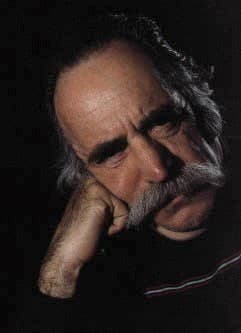
William Saroyan was an Armenian-American novelist, playwright, and short story writer. He was awarded the Pulitzer Prize for Drama in 1940, and in 1943 won the Academy Award for Best Story for the film The Human Comedy. When the studio rejected his original 240-page treatment, he turned it into a novel, The Human Comedy. Saroyan is regarded as one of the greatest writers of the 20th century.







