“He knew it for a certainty, he had lived too long.”
— Comanche chief Ten Bears reflects on the changing world and the decline of his people.

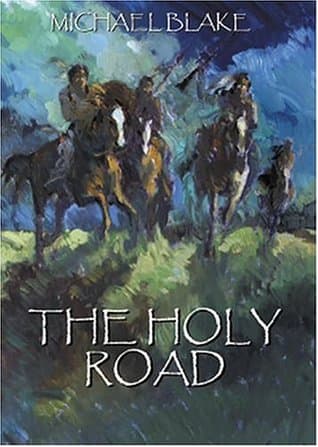
Michael Blake (2001)
Genre
Historical Fiction
Reading Time
10-12 hours
Key Themes
See below
Sign in to track this book
Eleven years after finding peace among the Comanche, Dances With Wolves must again confront the brutal expansion of white settlers when his wife and infant daughter are abducted, forcing him into a desperate quest for rescue and revenge.
Eleven years have passed since John Dunbar, now known as Dances With Wolves, joined the Comanche tribe. He lives a peaceful life with his wife, Stands With A Fist, and their three children: Christine, Emily, and the infant, John. They live in the village of the elder, Ten Bears, keeping a traditional Comanche way of life. However, the presence of white settlers and soldiers causes constant anxiety. Reports of violent clashes and demands for the Comanche to move onto reservations grow more frequent, signaling an inevitable conflict. Despite the looming threat, Dances With Wolves and his family value their peaceful life, unaware of the horrific events about to happen that will change their world and test their bonds.
The peace of Ten Bears' village is broken by a sudden, unprovoked attack by a band of white rangers. The rangers, wanting land and hating Native Americans, attack the unsuspecting village with force. The massacre is swift and horrific, leaving many Comanche dead, including children and elders. During the chaos, Stands With A Fist and her infant daughter, John, are captured and taken away by the rangers. Dances With Wolves, along with the warriors Wind In His Hair and Kicking Bird, survive the attack but are left to mourn the devastation and the loss of their loved ones.
After the raid, grief and rage grip the surviving Comanche. Dances With Wolves, Wind In His Hair, and Kicking Bird, the warriors, gather to decide what to do. The tribe is reeling, but they agree they must fight back against the white invaders to protect their people and their way of life. For Dances With Wolves, the immediate goal is to rescue Stands With A Fist and their infant daughter. He knows that because of his background, he is the only one who can navigate both worlds and successfully retrieve his family from the rangers, even as the tribe prepares for wider conflict.
Driven by love for his wife and child, Dances With Wolves begins a solitary and dangerous quest to track the rangers. Using his knowledge of the land and tracking skills, he follows the trail left by the abductors, a path marked by destruction and despair. His journey takes him through harsh landscapes, across rivers, and over plains, constantly avoiding other white patrols and hostile groups. He endures hunger, thirst, and fear of what might be happening to Stands With A Fist and little John. His determination comes from the hope of reunion and the desire for justice against those who shattered his family's peace.
Meanwhile, Stands With A Fist and her infant daughter, John, endure a difficult captivity. The rangers treat her with brutality and contempt, seeing her as a 'white squaw' who has betrayed her race. She suffers abuse, constantly fearing for her life and, more importantly, for the safety of her baby. Despite the hardship, Stands With A Fist remains strong, using her Comanche strength and her mother's instinct to protect her child. She watches her captors, gathering information and looking for any chance to escape or to send a signal, all while trying to keep her daughter alive and nourished under dire circumstances.
As Dances With Wolves pursues his mission, the conflict between the Comanche and the white soldiers grows. Wind In His Hair and Kicking Bird, leading the remaining warriors, engage in skirmishes and raids against military outposts and supply trains. These actions are revenge for the massacre and strategic attempts to disrupt the white advance and protect their diminishing territory. The Comanche warriors show their bravery and tactical skill, but they are increasingly outnumbered and outgunned by the technologically superior and expanding white forces. The war for their land and their way of life becomes a desperate struggle for survival.
After weeks of pursuit, Dances With Wolves finally finds the ranger camp where Stands With A Fist and his daughter are held. He watches the camp from a distance, studying the rangers' routines, their defenses, and his family's location. The sight of Stands With A Fist, battered but alive, renews his resolve. He sees the danger of a direct assault and begins to form a plan for their rescue. His strategy uses stealth, surprise, and his ability to understand both Comanche and white military tactics, knowing that one wrong move could cost him everything and condemn his family to an even worse fate.
Under the cover of darkness, Dances With Wolves enters the ranger camp. He moves with the silent precision of a warrior, past sentries and through the sleeping camp. He reaches Stands With A Fist and their daughter, who are overjoyed and relieved to see him. The reunion is brief, filled with quiet urgency. Dances With Wolves quickly cuts their bonds and, with Stands With A Fist clutching their baby, they escape. Their flight is dangerous, as they must avoid the roused rangers who quickly discover their absence. They rely on Dances With Wolves' knowledge of the terrain and Stands With A Fist's strength to get away from their pursuers.
After a difficult escape, Dances With Wolves, Stands With A Fist, and their infant daughter manage to evade their pursuers and eventually reunite with the Comanche tribe, led by Wind In His Hair and Kicking Bird. The reunion is emotional, a bittersweet moment of joy amidst the ongoing tragedy. Stands With A Fist is welcomed back, and her ordeal strengthens the tribe's resolve. However, the future remains uncertain. The Comanche realize that their traditional way of life is under threat, and their lands are shrinking rapidly. They face the reality of their diminishing numbers and the power of white expansion, leading to discussions about their next steps.
With their numbers depleted, their lands taken, and their hunting grounds destroyed, the Comanche leaders, including Ten Bears, Wind In His Hair, and Kicking Bird, face a difficult decision. The 'Holy Road,' the white man's term for the reservation, seems the only option for survival, despite their resistance to abandoning their freedom. Dances With Wolves, having seen the white world firsthand, understands that continued armed resistance against such odds is futile. The book ends with the Comanche confronting this devastating choice, a path that means the end of an era and forced assimilation into a world they do not understand, leaving their future uncertain but their spirit unbroken.
The Protagonist
From a peaceful family man, he is thrust into a vengeful warrior and rescuer, ultimately facing the grim reality of his people's future.
The Major Supporting
She endures brutal captivity, demonstrating immense resilience and maternal strength, and returns to her family unbroken.
The Major Supporting
He leads the Comanche in increasingly desperate warfare, facing the tragic decline of his people's way of life.
The Major Supporting
He grapples with the spiritual and practical challenges of his people's survival, guiding them through immense loss and difficult choices.
The Supporting
He attempts to guide his people through the final stages of their traditional way of life, ultimately facing the 'Holy Road'.
The Mentioned
Her arc is one of childhood innocence disrupted by violence, forcing her to adapt to a changing world.
The Mentioned
Her arc is one of childhood innocence disrupted by violence, forcing her to adapt to a changing world.
The Supporting
He endures the trauma of abduction as an infant, representing the innocent victims of the conflict.
The Antagonist
They act as a destructive force, initiating the central conflict through their violent actions.
Survival is a main theme in 'The Holy Road,' as the Comanche tribe faces a threat from white settlers and soldiers. Characters like Stands With A Fist show resilience during her captivity, enduring abuse while protecting her infant. Dances With Wolves' relentless pursuit of his family is an act of survival, not just for them, but for the hope of his adopted culture. The tribe's decision to consider the 'Holy Road' (reservations) is a desperate measure for collective survival, showing their determination to endure even as their traditional way of life crumbles.
“The white man's road was a road of sorrow, but it was a road they might have to take to live.”
The novel shows the clash between Comanche culture and expanding white civilization. Dances With Wolves, as a man who has lived in both worlds, understands the differences and the inevitability of conflict. The ranger attack on Ten Bears' village shows the disregard for indigenous life and tradition. The Comanche's struggle to maintain their identity, their land, and their spiritual beliefs against a technologically superior and expansionist force is a core conflict, illustrating the consequences of cultural collision and forced assimilation.
“He knew the white man's heart, and he knew the Comanche heart, and they were two different things, two different rivers that would never meet.”
At the heart of 'The Holy Road' is the theme of love and family loyalty. Dances With Wolves' journey is driven by his love for Stands With A Fist and their children. His desperate, solitary quest to rescue his wife and infant son shows his commitment. Stands With A Fist's resilience during captivity comes from her maternal instinct to protect her baby, infant John. This personal bond is like the larger tribal loyalty, as the Comanche fight to protect their extended family and their way of life, showing that even amidst historical conflict, individual love remains a strong force.
“His heart beat only for her, and for the small ones she carried.”
The novel has themes of loss and grief. The massacre of Ten Bears' village, with its heavy toll of lives, sets a somber tone for the narrative. The Comanche experience the loss of their people, their homes, and their traditional lands and way of life. Dances With Wolves' initial grief over his abducted family fuels his rage and determination. The eventual realization that they may have to abandon their ancestral lands for reservations is a collective act of mourning for an entire culture. The book explores how individuals and a community cope with overwhelming and continuous loss.
“The wind carried the cries of the dead, and the living could only listen and weep.”
Justice and vengeance are strong motivating forces for the Comanche after the ranger attack. Wind In His Hair, especially, shows the tribe's desire for retribution, leading warriors in retaliatory raids against white soldiers. Dances With Wolves' rescue mission, while driven by love, also has an undercurrent of seeking justice for the wrongs committed against his family. However, the novel also explores the futility of vengeance against an overwhelming power, suggesting that while justice is desired, it is often unattainable in the face of historical forces, leading to the painful consideration of surrender for survival.
“The blood of their brothers cried out for justice, and the warriors would answer.”
Shifting between Comanche and white perspectives to highlight cultural conflict.
While primarily told from Dances With Wolves' perspective, the narrative implicitly shifts between the Comanche viewpoint and glimpses into the brutal mindset of the white rangers and soldiers. This device allows the reader to understand the motivations and fears of both sides, though heavily weighted towards the Comanche experience. It underscores the tragic misunderstanding and prejudice that fuel the conflict, showing the Comanche as complex individuals fighting for their survival, while the white antagonists are often depicted through their destructive actions, creating a stark contrast and emphasizing the cultural chasm. This contrast deepens the emotional impact of the story.
A classic quest narrative structure for the central plot.
The entire second act of the novel is structured as a classic rescue mission. Dances With Wolves embarks on a hero's journey, driven by a clear objective: to find and free Stands With A Fist and their infant son. This device provides a focused, high-stakes plotline that allows for suspense, tracking sequences, infiltration, and escape. It grounds the larger historical conflict in a deeply personal narrative, making the abstract 'war' tangible through one man's desperate fight for his family. The success of the rescue provides a moment of triumph amidst the overarching tragedy.
Metaphor for the forced assimilation and loss of traditional life.
'The Holy Road' is a powerful symbol throughout the narrative. Initially, it refers to the path white settlers take, signifying their relentless advance and disruption. By the end, it explicitly refers to the reservations, representing the ultimate, tragic choice for the Comanche: a path of forced relocation, cultural subjugation, and the abandonment of their free, traditional way of life. It symbolizes the end of an era, the loss of sovereignty, and the painful sacrifice of identity for the sake of physical survival. The irony of calling it 'holy' by the white men highlights the cultural insensitivity and hypocrisy.
Brief recollections of past peace to highlight current loss.
Although not explicitly structured as formal flashbacks, Dances With Wolves often reflects on the peaceful eleven years he spent with Stands With A Fist and their children before the ranger attack. These brief mental recollections of domestic bliss and tribal harmony serve to highlight the profound loss and trauma inflicted by the violence. They contrast sharply with the grim reality of their current struggle, intensifying the emotional stakes and reminding both characters and readers of what has been irrevocably taken away. This device deepens the sense of tragedy and the longing for a past that can never be fully recovered.
The natural environment as a source of challenge and refuge.
The vast American wilderness acts almost as a character in itself. For the Comanche, it is their home, their provider, and their spiritual sanctuary. It offers refuge and concealment for Dances With Wolves during his tracking and escape. Conversely, it presents immense challenges: harsh weather, difficult terrain, and the constant need for survival skills. The changing landscape, increasingly encroached upon by white settlements, mirrors the diminishing world of the Comanche. It is a place of both beauty and danger, reflecting the struggle for existence and the deep connection the Comanche have to their land.
“He knew it for a certainty, he had lived too long.”
— Comanche chief Ten Bears reflects on the changing world and the decline of his people.
“The wind was a god, and the earth was a god, and the sky was a god. All were alive, and all were holy.”
— A description of the Comanche spiritual worldview.
“It was not a good way to live, always looking over your shoulder, always wondering when the next trouble would come.”
— A character reflects on the constant danger and insecurity of life on the frontier.
“The past was a stone around his neck, dragging him down.”
— Colonel John Chivington struggles with the repercussions of his actions at Sand Creek.
“A man could only stand so much, and then he broke.”
— After enduring significant hardship, a character reaches their breaking point.
“There was a hunger in him, a great emptiness that nothing seemed to fill.”
— Lieutenant Dunbar, now Dances With Wolves, feels a profound sense of loss and displacement.
“The world was a cruel place, and only the strong survived.”
— A pragmatic view of the harsh realities of the American West.
“Sometimes, the hardest thing to do was to let go of what you thought you knew.”
— A character experiences a paradigm shift in their understanding of the world or others.
“History was written by the victors, but the truth lived in the hearts of the vanquished.”
— A reflection on the biased nature of historical narratives.
“He had seen too many good men die for nothing.”
— A weary soldier laments the futility and cost of conflict.
“The land remembered. It always remembered.”
— A sense that the landscape itself holds the memory of past events and peoples.
“Freedom was a dream, a whisper on the wind, always just out of reach.”
— The Comanche struggle to maintain their way of life and independence.
“There were no easy answers, only choices, and every choice had a price.”
— A character grapples with difficult moral dilemmas.
“The world was shrinking, and there was nowhere left to run.”
— The realization by indigenous peoples that their traditional territories are being encroached upon.
Ready to see how well you understood this book? Take our interactive quiz with 10 questions.

Biography coming soon.







