BookBrief
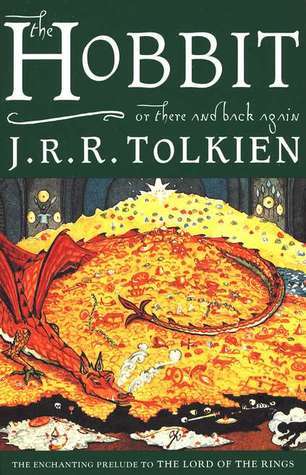
The Hobbit, or There and Back Again cover
Archivist's Choice

The Hobbit, or There and Back Again

J.R.R. Tolkien (1937)

Genre

Fantasy / Children's / Young Adult

Reading Time

360-480 min

Key Themes

See below

Track Your Reading

Sign in to track this book

A comfort-loving hobbit named Bilbo Baggins is whisked away by a mischievous wizard and a band of dwarves on an unexpected journey to reclaim stolen treasure from a fearsome dragon, discovering courage and a magical ring along the way.

Synopsis

Bilbo Baggins, a hobbit who enjoys comfort, is unexpectedly taken from his peaceful life by the wizard Gandalf and a company of thirteen dwarves led by Thorin Oakenshield. Their goal is to reclaim the dwarves' ancestral treasure, stolen by the dragon Smaug, from the Lonely Mountain. On their journey, Bilbo meets trolls, goblins, and wargs. He famously gets a magical ring from Gollum after a riddle game; the ring makes him invisible. He shows his value to the dwarves by outsmarting giant spiders in Mirkwood and helping them escape the Elvenking's dungeons. When they reach the Lonely Mountain, Bilbo bravely faces Smaug and finds a weak spot in the dragon's armor. After Bard the Bowman kills Smaug, a conflict about the treasure, especially the Arkenstone, starts between the dwarves, men, and elves. This tension leads to the Battle of Five Armies. Bilbo tries to make peace using the Arkenstone. Thorin is badly hurt but makes up with Bilbo before he dies. Bilbo returns home a much wealthier and more adventurous hobbit, changed by his experiences and the secret of the Ring.
Reading time
360-480 min
Difficulty
Easy
Pacing
Moderate
Mood
Whimsical, Adventurous, Heroic, Comforting
✓ Read this if...
You love classic fantasy adventures, charming characters, and a journey of self-discovery, or if you're looking for an accessible entry point into J.R.R. Tolkien's Middle-earth.
✗ Skip this if...
You prefer grimdark fantasy, complex political intrigue, or stories without a clear hero's journey arc.

Plot Summary

An Unexpected Party and an Unlikely Quest

Bilbo Baggins, a hobbit who loves peace in the Shire, is happy with his easy life at Bag End. One morning, the wizard Gandalf arrives and marks his door. Soon after, thirteen dwarves—Thorin Oakenshield and his group—come for an unexpected party. They explain their plan to travel to the Lonely Mountain to get back their family treasure, stolen long ago by the dragon Smaug. Gandalf, having secretly offered Bilbo as their 'burglar,' convinces a hesitant Bilbo to join. He says they need a fourteenth member for good luck. Despite wanting to stay home, Bilbo is drawn into the adventure and leaves the Shire the next morning with the group.

Trolls, Goblins, and the Discovery of Sting

The journey quickly becomes dangerous. The group meets three unintelligent trolls—William, Bert, and Tom—who capture them. Gandalf tricks the trolls into arguing until morning, turning them to stone. They search the trolls' cave and find swords, including Glamdring and Orcrist for Gandalf and Thorin, and a small elvish dagger for Bilbo, which he names Sting. Later, while hiding in a cave during a thunderstorm in the Misty Mountains, goblins attack them. Bilbo gets separated from the group while escaping. Lost in the dark tunnels, he finds a strange, pale creature named Gollum and a magical ring.

Riddles in the Dark and the Magic Ring

Deep under the Misty Mountains, Bilbo meets Gollum. Gollum, obsessed with his 'Precious' (the Ring), suggests a game of riddles: if Bilbo wins, Gollum will show him the way out; if Gollum wins, he will eat Bilbo. Bilbo, by chance, asks 'What have I got in my pocket?' which Gollum cannot answer. Angry, Gollum goes to get his Ring, but it is gone. Bilbo had picked it up earlier without Gollum knowing. Bilbo realizes the Ring makes him invisible and uses it to follow Gollum to an exit, escaping the goblin tunnels and rejoining the dwarves and Gandalf.

Wargs, Eagles, and Beorn's Hospitality

After escaping the goblins, Wargs (evil wolves) and goblins chase the group near the Wilderland. They hide in trees but are trapped. Gandalf calls the Great Eagles, who save them from danger and carry them to safety near Beorn's home. Beorn, a skin-changer who can turn into a bear, is careful at first. After Gandalf tells him their story (introducing the dwarves in small groups), Beorn offers them a place to stay, supplies, and ponies for their trip through Mirkwood Forest. He warns them not to leave the path.

Lost in Mirkwood and the Spiders' Web

Gandalf leaves the group at Mirkwood's entrance, reminding them of Beorn's warning to stay on the path and avoid the enchanted stream. The journey through the dark, heavy forest is long and hard. Hungry and curious, and ignoring Beorn's and Gandalf's warnings, Bombur falls into the enchanted stream and goes into a deep sleep. Later, they see lights far away, leave the path many times to look, and are caught by giant spiders. Bilbo, using Sting and the Ring's invisibility, bravely fights off the spiders, saving the dwarves and showing his skill as a burglar and a hero.

Elvenking's Dungeon and Barrel Escape

Soon after escaping the spiders, Wood-elves, led by the Elvenking, capture the dwarves. Thorin, refusing to tell his quest, is jailed, and the other dwarves are also locked up. Bilbo, invisible with the Ring, stays free and unseen, exploring the Elvenking's palace for weeks. He learns of a plan to send barrels of wine down the Forest River to Lake-town. Bilbo uses this chance to free the dwarves from their cells and puts each of them into empty wine barrels. He then jumps on the last barrel himself as they are sent into the river, floating toward Lake-town.

Lake-town's Welcome and the Lonely Mountain

The dwarves, bruised but free, arrive in Lake-town, a settlement on the Long Lake, near the Lonely Mountain. The people, descendants of Dale, remember the prophecy of the King Under the Mountain's return and welcome Thorin and his group with great excitement, hoping for the dragon's defeat and renewed prosperity. After resting and celebrating, the group, with supplies and a boat, travels across the lake toward the Lonely Mountain. They eventually find the secret door on the mountain's west side, guided by the moon-letters on Thorin's map.

Smaug's Awakening and the Arkenstone

Following the map's instructions, Bilbo finds the keyhole for the secret door on Durin's Day. The door opens, showing a long passage into the mountain's center. Bilbo, as the chosen burglar, bravely goes inside alone. He finds Smaug sleeping on his large treasure pile. Bilbo successfully steals a big two-handled cup, but Smaug wakes up and immediately notices it is gone. Bilbo makes a second trip, talking with the dragon and looking for weaknesses. He finds a bare spot on Smaug's underside. Angry about the intrusion and Bilbo's disrespect, Smaug bursts from the mountain and flies to destroy Lake-town.

The Death of Smaug and the Battle of Five Armies

Smaug attacks Lake-town, bringing fire and destruction. The people fight back bravely, led by Bard, a serious archer and descendant of Girion, Lord of Dale. A thrush, having heard Bilbo's talk with Smaug, tells Bard about the dragon's weak spot. Bard, using his family's black arrow, shoots Smaug directly in the unarmored spot, killing the dragon as it falls into the Long Lake. With Smaug dead, the dwarves reclaim the mountain. However, news of the treasure attracts the Men of Lake-town and the Elves of Mirkwood, who demand a share. Thorin, consumed by dragon-sickness, refuses. This leads to a standoff and the Battle of Five Armies against invading goblins and Wargs.

The Arkenstone's Role and Thorin's Redemption

Before Smaug's death, Bilbo had found the Arkenstone, the greatest treasure of Thorin's family, and kept it hidden. To stop war between the dwarves, men, and elves, Bilbo secretly gives the Arkenstone to Bard and the Elvenking, hoping to use it to get Thorin to talk. Thorin is very angry when he learns of Bilbo's 'betrayal' and offers to trade Bilbo's share of the treasure for the Arkenstone. Just as war seems sure, Gandalf reveals that Goblins and Wargs are coming, uniting the different groups against a common enemy in the Battle of Five Armies. Thorin, despite his earlier greed, fights well but is badly wounded.

Aftermath and the Journey Home

The Battle of Five Armies is won, but with many losses. Thorin Oakenshield, fatally wounded, makes peace with Bilbo before he dies, recognizing Bilbo's courage and wisdom. Fili and Kili also die. Dain Ironfoot becomes the new King Under the Mountain. The treasure is divided, with some going to the Men of Lake-town and the Elves. Bilbo gets his share, though he gives up most of it. He travels back to the Shire with Gandalf and Beorn, a much wealthier, wiser, and more experienced hobbit. He arrives home to find his belongings being auctioned, as he was presumed dead, but he reclaims his hobbit-hole and settles into a life that is forever changed.

Principal Figures

Bilbo Baggins

The Protagonist

Transforms from a timid, home-loving hobbit into a courageous, resourceful adventurer, gaining self-confidence and a broader perspective of the world.

Gandalf

The Supporting

Remains largely consistent as a wise and powerful guide, his role is to facilitate the heroes' journey rather than undergo a major transformation himself.

Thorin Oakenshield

The Supporting

Starts as a noble but proud and greedy leader, succumbs to 'dragon-sickness' near the treasure, but finds redemption through sacrifice and reconciliation before his death.

Smaug

The Antagonist

Remains consistently evil and destructive until his death.

Bard the Bowman

The Supporting

Rises from a respected archer to the heroic slayer of Smaug and the new King of Dale.

Gollum

The Supporting

Remains a tragic, corrupted figure, his brief encounter with Bilbo setting the stage for future events.

Elvenking (Thranduil)

The Supporting

Maintains his regal, somewhat aloof nature throughout, but allies for the greater good in the final battle.

Beorn

The Supporting

Acts as a powerful, benevolent, if somewhat intimidating, ally to the company.

Fili and Kili

The Supporting

Remain loyal and brave throughout the journey, ultimately sacrificing their lives for Thorin.

Themes & Insights

Heroism and Self-Discovery

The main theme is Bilbo Baggins's change from a shy, comfort-loving hobbit to a brave and clever hero. At first, Bilbo fears adventure and wants his familiar hobbit-hole. But by facing dangers like trolls, goblins, spiders, and Smaug, he finds a strength and cleverness he did not know he had. His choice to face Smaug alone and giving the Arkenstone to Bard show his growing moral courage and selflessness. This proves that heroism can come from unexpected people.

"There is more in you of good than you know, child of the kindly West. Some courage and some wisdom, blended in measure. If more of us valued food and cheer and song above hoarded gold, it would be a merrier world."

Thorin Oakenshield

Greed and Its Corrupting Influence

The theme of greed, called 'dragon-sickness,' is clear throughout the story. Smaug represents pure, destructive greed, hoarding vast amounts of gold without purpose. More sadly, Thorin Oakenshield, a noble dwarf, slowly falls to this sickness after getting back his family treasure. His refusal to share the gold, his distrust of allies, and his obsession with the Arkenstone lead to conflict and near-war. This theme shows how wanting wealth can corrupt good intentions and cause irrational, destructive behavior, which contrasts with Bilbo's eventual lack of interest in material wealth.

"He was a changed dwarf. He would not listen to the counsel of the Elvenking or of Bard, and he said that he would not yield a single coin to anyone, not even to save his life."

Narrator, describing Thorin

The Call to Adventure and the Comfort of Home

The story regularly compares the appeal of adventure with the safety and comfort of home. Bilbo's initial hesitation to leave the Shire, his frequent desire for his armchair and pantry, and his final return to Bag End show how strong the pull of home is. Yet, his 'Tookish' side, woken by Gandalf, draws him into the unknown. The journey itself has danger and discomfort, but it also brings growth, friendship, and excitement. The theme suggests that while home offers comfort, real self-discovery often means leaving one's comfort zone and embracing the unexpected.

"Adventures are nasty, disturbing, uncomfortable things. They make you late for dinner!"

Bilbo Baggins

Good vs. Evil

The basic struggle between good and evil forms the story's foundation. Good is shown by characters like Gandalf, Bilbo, the dwarves (despite their faults), the Elves, and the Men of Lake-town. They face various evils, from the simple but dangerous trolls, to the clever and mean goblins, the hunting Wargs, the sinister spiders of Mirkwood, and Smaug, the ultimate symbol of ancient evil. The Battle of Five Armies clearly pits the united good forces against the large numbers of goblins and Wargs. This reinforces the idea that working together is needed to overcome evil threats.

"The world is not in your books and maps. It is out there."

Gandalf

Friendship and Loyalty

The bonds that form between characters, especially between Bilbo and the dwarves, and later with Gandalf and Beorn, are a repeated theme. Despite initial doubts and occasional disagreements, the group learns to depend on each other. Bilbo's loyalty to the dwarves, even when he disagrees with Thorin's choices, is clear in his attempt to stop war with the Arkenstone. The sacrifices of Fili and Kili for Thorin, and Thorin's dying reconciliation with Bilbo, highlight the importance of loyalty and friendship built through shared difficulties. Even the unusual alliance of different races against the goblins shows the power of unity.

"If more of us valued food and cheer and song above hoarded gold, it would be a merrier world. But, sad or merry, I must leave it now. Farewell!"

Thorin Oakenshield

Plot Devices & Literary Techniques

The One Ring

A magical ring that grants invisibility, found by Bilbo.

The One Ring is a plain gold band that Bilbo stumbles upon in the goblin tunnels. Its primary known power is rendering the wearer invisible. Bilbo uses it repeatedly to escape danger, outwit enemies like Gollum and the spiders of Mirkwood, and navigate unseen through the Elvenking's halls and Smaug's lair. While Bilbo perceives it as merely a useful tool, the Ring's subtle influence is hinted at through Gollum's obsession and Bilbo's secrecy about its powers. It serves as a crucial plot device for Bilbo's 'burglar' role and foreshadows its greater significance in later stories, establishing its unique magical properties and its dark allure.

Moon-letters

Secret runes on Thorin's map, visible only under a specific moon.

Moon-letters are a form of runic script written in invisible ink that only appears when the correct moon shines upon them. Discovered on Thorin's map by Elrond in Rivendell, they reveal the crucial instruction: 'Stand by the grey stone when the thrush knocks, and the setting sun with the last light of Durin's Day will shine upon the key-hole.' This device provides a magical mystery that the characters must solve, guiding them to the secret entrance of the Lonely Mountain and building suspense as they race against time to find the correct day and conditions. It serves as a magical clue that is essential for the plot's progression.

Ancestral Weapons

Magical swords that glow in the presence of goblins, found in the trolls' hoard.

Gandalf and Thorin acquire the ancient Elvish swords Glamdring (Foe-hammer) and Orcrist (Goblin-cleaver) from the trolls' hoard. Bilbo also finds a small dagger, which he later names Sting. These swords possess the magical property of glowing blue when goblins or orcs are nearby, serving as an early warning system for the company. This device not only provides practical protection but also connects the present quest to the ancient history of Middle-earth, reminding readers of past battles between elves, dwarves, and goblins. Sting's transformation from a mere knife to a named, trusty weapon for Bilbo symbolizes his own growth.

The Arkenstone

The heart of the mountain, a magnificent gem coveted by Thorin.

The Arkenstone is a legendary, immense white gem, described as the 'heart of the Mountain,' and the most prized treasure of Thorin's lineage. Bilbo discovers it within Smaug's hoard and secretly keeps it, hoping to use it as a bargaining chip to prevent war between the dwarves, men, and elves. This device becomes a symbol of Thorin's 'dragon-sickness' and greed, as his obsession with it drives him to irrationality and nearly leads to a devastating conflict. Bilbo's decision to use it for peace, despite the risk to himself, highlights his moral growth and selflessness, contrasting with Thorin's avarice.

Prophecy and Foreshadowing

Hints and predictions that guide the narrative and build anticipation.

Throughout the story, various elements serve as prophecy or foreshadowing, building anticipation and providing narrative direction. Examples include the ancient songs and tales of the King Under the Mountain's return that stir hope in Lake-town, Gandalf's mysterious knowledge of Bilbo's 'Tookish' side, and Bard's lineage as a descendant of Girion, which foreshadows his role in Smaug's demise. The thrush, a recurring motif, also plays a role in carrying information and fulfilling an ancient omen. These devices lend a sense of destiny and a deeper historical context to the adventure, suggesting that events are unfolding according to a larger, ancient plan.

Critical analysis

Notable Quotes

In a hole in the ground there lived a hobbit. Not a nasty, dirty, wet hole, filled with the ends of worms and an oozy smell, nor yet a dry, bare, sandy hole with nothing in it to sit down on or to eat: it was a hobbit-hole, and that means comfort.

The very opening lines, introducing Bilbo Baggins and his home.

We are plain quiet folk and have no use for adventures. Nasty disturbing uncomfortable things! Make you late for dinner!

Bilbo's initial reaction to Gandalf's suggestion of an adventure.

May the hair on your toes never fall out!

A dwarvish blessing, uttered by Thorin Oakenshield to Bilbo.

Go back? No good at all! Go sideways? Impossible! Go forwards? Only thing to do! On we go!

Bilbo's internal monologue as he bravely decides to face the unknown in the Misty Mountains.

A good many times I have been warm and well fed, and it has been a very great comfort to me to think that it would not last for ever. Even the best of friends and the most delicious of meals must come to an end.

Bilbo reflecting on the fleeting nature of comfort and good times, even amidst his journey.

Every great story has a beginning, and this one begins with a hobbit.

A narrative statement emphasizing the importance of Bilbo's journey.

Where there's a will there's a way, and where there's a way there's usually someone to point it out.

Gandalf's wisdom, often shared when the company faces a dilemma.

Never laugh at live dragons, you fools!

Bard the Bowman warning the people of Lake-town about the danger of Smaug.

There is more in you of good than you know, child of the kindly West. Some courage and some wisdom, blended in measure. If more of us valued food and cheer and song above hoarded gold, it would be a merrier world.

Thorin Oakenshield's dying words to Bilbo, a profound moment of reconciliation and wisdom.

If you don't mind my saying so, I don't think much of your manners.

Bilbo's bold retort to Smaug, a surprising display of courage from the hobbit.

It's a dangerous business, Frodo, going out your door. You step onto the road, and if you don't keep your feet, there's no knowing where you might be swept off to.

Bilbo's advice to Frodo many years later, reflecting on his own adventure. (While technically from LOTR, it encapsulates Bilbo's learned wisdom from *The Hobbit*).

So comes snow after fire, and even dragons have their ending.

Bilbo reflecting on the defeat of Smaug and the changing fortunes of the world.

Truly songs and tales fall utterly short of the truth, O Smaug the Chiefest and Greatest of Calamities.

Bilbo's flattering, yet truthful, assessment of Smaug's terrible grandeur.

Roads go ever ever on, Over rock and under tree, By caves where never sun has shone, By rivers where the fishes flee.

A song Bilbo sings, reflecting the endless journey and wonder of the world outside his hobbit-hole.

Quiz

Test Your Knowledge

Ready to see how well you understood this book? Take our interactive quiz with 10 questions.

10
Questions
~5
Minutes
?
Best Score

Key Questions (FAQ)

The Hobbit follows Bilbo Baggins, a comfort-loving hobbit, who is reluctantly swept away on an unexpected adventure by the wizard Gandalf and a company of thirteen dwarves led by Thorin Oakenshield. Their quest is to reclaim the dwarves' ancestral treasure and homeland, the Lonely Mountain, from the fearsome dragon Smaug.

About the author