“The wind went by me with a shrill, unearthly cry, as if the very air were in pain.”
— Describing the atmosphere upon arriving at the haunted house.

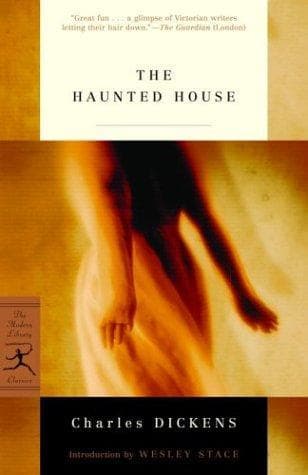
Charles Dickens (1859)
Genre
Historical Fiction / Mystery
Reading Time
126 min
Key Themes
See below
Sign in to track this book
In a Victorian country house known for local legends, a determined narrator and his literary friends face the supernatural, each sharing their chilling encounters on Twelfth Night in a collection of ghost stories compiled by Charles Dickens.
The unnamed narrator, a man of means and an adventurous spirit, travels by train when he sees a large, deserted house in a remote area. Intrigued by its desolate look and local rumors of it being haunted, he decides to rent the property for a year. He is practical and initially skeptical of the supernatural, but drawn to the challenge of living in a place others fear. This decision sets the stage for his social experiment, as he plans to investigate the alleged hauntings firsthand, inviting company to share the experience.
After moving into the Haunted House, the narrator finds that local villagers are very superstitious and tell many tales of ghostly events linked to the property. These stories, though vague, are strong enough to scare his newly hired servants. Despite the narrator's attempts to reassure them, the servants are so unnerved by the local legends and their own anxieties that they leave their jobs, leaving the narrator and his sister, Patty, mostly alone in the large, eerie house. This early departure highlights the strong psychological effect of the house's reputation.
Undeterred by the servants' departure and still determined to find the truth behind the house's reputation, the narrator and Patty decide to invite a select group of friends to join them. Their plan is to spend the Christmas and Twelfth Night period in the house, turning what could be a lonely watch into a social gathering with a shared goal. The invitation is presented as an adventure, a chance to directly confront the supernatural claims. This gathering of diverse personalities promises an interesting mix of skepticism, belief, and storytelling.
Upon arrival, guests receive specific rooms within the Haunted House, each with its own character and history. The narrator, as host, assigns these rooms as individual 'posts' for observation. Besides sharing household chores, each guest's main task is to record any supernatural events, strange feelings, or unexplained phenomena they experience in their assigned space. This structured approach aims for a systematic investigation into the house's mysteries, setting the stage for their eventual sharing of experiences.
In 'Mortals in the House,' Charles Dickens, as the narrator, details his first impressions and the practicalities of settling into the Haunted House. He describes daily life, the challenges of managing an old house without staff, and the initial lack of obvious supernatural events. He considers that the 'ghosts' might be more about human perception and expectation than actual spirits. This section introduces the reader to the physical setting and establishes the narrator's practical yet curious viewpoint before the more overtly supernatural tales begin.
Hesba Stretton's contribution, 'Ghost in the Clock Room,' describes a spectral presence linked to an old clock. The guest in this room experiences unsettling phenomena, a sense of distorted time, and a lingering, sorrowful spirit connected to the clock's mechanism. The narrative explores themes of regret and the passage of time, suggesting the ghost is a manifestation of past grief or an unresolved moment. The clock becomes a symbol for the spectral activity, marking not just hours but also the passage of sorrow.
George Augustus Sala's 'Ghost in the Double Room' presents a more vivid and unsettling haunting. The occupant of the double room sees a recurring, phantom vision of a past tragedy, perhaps a murder or betrayal, playing out within their space. The ghost is not just a feeling but a clear, if brief, scene from a past event, leaving a strong emotional mark. This story explores the idea of places holding memories of intense human drama, imprinted into the very fabric of the house.
Elizabeth Gaskell's 'Ghost in the Garden Room' offers a more poignant and less terrifying ghost story. The guest in the garden room encounters a gentle, melancholic spirit, often perceived through the scents of flowers or a faint, sorrowful presence. This ghost is not evil but seems to linger due to unrequited love or a broken heart. Gaskell's story explores themes of quiet suffering, lasting devotion, and how human emotions can leave an ethereal trace, even after death. It adds a layer of tender sadness to the collection of hauntings.
In 'Ghost in Master B.'s Room,' Charles Dickens again narrates, this time describing an experience that feels personal and almost dreamlike. The ghost is not terrifying but a mysterious, somewhat childlike figure, perhaps a reflection of innocent wonder or unresolved childhood memories. The encounter is more about atmosphere and psychological impact than overt horror, hinting at the lingering presence of past inhabitants, especially children, and how their spirits might subtly influence the living. It adds a touch of whimsical melancholy to the collection.
On Twelfth Night, the narrator and his friends gather, as planned, to share the supernatural experiences they encountered in their rooms. This meeting is the culmination of their social experiment and the central narrative device of the book. Each friend recounts their unique story, from subtle atmospheric disturbances to more distinct apparitions. The collective sharing of these diverse tales creates a mosaic of the house's haunting, allowing readers to piece together the multifaceted nature of its spectral inhabitants and their varying impacts on the living.
The Twelfth Night gathering becomes a feast of storytelling, showing the distinct literary styles and perspectives of the contributing authors. Each tale, though about the supernatural, reflects its author's unique voice and thematic concerns. From psychological subtleties to direct encounters, the stories explore different facets of fear, memory, human emotion, and the unexplained. This collaborative narrative structure highlights the Victorian fascination with ghost stories and how the supernatural could be interpreted and presented in literature.
Despite the detailed accounts shared on Twelfth Night, the ultimate mystery of the Haunted House largely remains. The stories offer glimpses into past tragedies and lingering presences, but no single explanation for the hauntings is given. Instead, the focus shifts to the human experience of the unexplained – the fear, fascination, and introspection it causes. The book ends with the understanding that the true 'haunting' is not just spectral events, but the psychological impact of such a place on the living, and the lasting power of storytelling.
The Protagonist
Begins as a skeptical investigator, but through the shared experiences, gains a deeper appreciation for the psychological and emotional impact of the 'haunted' atmosphere.
The Supporting
Maintains a steady presence, supporting her brother's endeavor throughout the stay.
The Mentioned
Remains a static, sorrowful presence, a manifestation of past grief.
The Mentioned
A static, re-enacting presence of a past tragedy.
The Mentioned
Remains a tender, sorrowful presence, a symbol of enduring, unfulfilled love.
The Mentioned
A static, enigmatic figure, stirring personal reflection.
The Supporting
Their fear and departure reinforce the house's reputation and the central premise.
The Supporting
Each friend experiences and recounts a unique haunting, contributing to the collective mystery.
The book explores how fear grows and lasts, often without clear proof. The local villagers' terror, based on legend, directly causes the servants to flee, showing the power of collective belief. The narrator, initially a skeptic, tries a rational investigation, yet even he and his friends, despite their different beliefs, are affected by the house's atmosphere. This theme highlights the psychological aspect of hauntings – that sometimes, the 'ghosts' are more about human perception, expectation, and the stories we tell ourselves, rather than actual spirits. The varying accounts on Twelfth Night show how different people interpret and are affected by the same mysterious setting.
“It is a question whether the house was haunted, or whether we were.”
At its heart, 'The Haunted House' celebrates storytelling. The framework of friends gathering on Twelfth Night to share their experiences turns the house into a stage for diverse narratives. Each 'ghost story' is a distinct piece of fiction, showing the unique voices of the contributing authors. The act of recounting these tales, embellishing them, and listening to others' interpretations, is a basic human activity, turning the mysterious into something understandable and shareable. It shows how narratives shape our understanding of the world, even the supernatural.
“A good ghost story is a mental exercise, a kind of pleasing terror.”
Many individual ghost stories within the collection suggest that the hauntings are manifestations of past events, emotions, or unresolved lives. The ghost in the Clock Room relates to lost time and regret; the Double Room's specter re-enacts a past tragedy; and the Garden Room's ghost embodies unrequited love. The house itself acts as a container for these memories, with its old walls and objects holding the imprint of human experiences. The 'ghosts' are not just spirits but echoes of what once was, showing how the past continues to influence and inhabit the present.
“The past is not dead; it is not even past.”
The narrative contrasts everyday domestic routines with the unsettling presence of the uncanny. The narrator and his sister, and later their friends, try to create a sense of normalcy – cooking, cleaning, and socializing – in a setting that constantly defies it. The servants' departure highlights the difficulty of maintaining domestic order when facing overwhelming fear. This contrast emphasizes the fragility of human comfort and routine when confronted by the inexplicable, suggesting that the most terrifying aspects of a haunting often invade the most familiar and intimate spaces.
“To be alone in a house that has the reputation of being haunted, is to be in a house that has a double reputation.”
A larger narrative that encloses a series of shorter, individual stories.
The primary plot device in 'The Haunted House' is its framing narrative. Charles Dickens's sections, particularly 'Mortals in the House' and 'Ghost in Master B.'s Room,' establish the premise: a group of friends gathering in a haunted house to share their experiences. This frame story sets the scene, introduces the characters, and provides the context for the individual ghost stories contributed by other authors. It unifies the disparate tales into a cohesive collection, making the house itself the central character and the catalyst for all the supernatural encounters.
Each story within the frame is told from a distinct first-person perspective.
While Dickens provides the overarching first-person narration for the frame story, each subsequent ghost tale is also told from a first-person perspective by the character assigned to that specific room. This allows for a diverse range of voices, tones, and interpretations of the supernatural. It creates a sense of immediacy and personal experience for each haunting, making the accounts feel more authentic and varied, reflecting the different personalities and sensitivities of the 'investigators.' This device emphasizes the subjective nature of ghostly encounters.
The house itself functions as a central, enigmatic entity that influences all characters.
The Haunted House is more than just a setting; it acts almost as a character itself. Its formidable reputation, its desolate appearance, and its unknown history are the driving forces behind the plot. It actively 'haunts' not just through specific apparitions but through its pervasive atmosphere, influencing the fears of the villagers, the flight of the servants, and the subtle psychological effects on the guests. The house is the catalyst for all the events and stories, an enigmatic entity that evokes curiosity, fear, and introspection in all who encounter it.
A specific date and event for sharing and culmination of experiences.
The decision to gather on Twelfth Night to share their ghostly tales serves as a crucial plot device. This specific date, traditionally associated with festive gatherings and the end of the Christmas season, provides a natural and dramatic culmination point for the individual investigations. It creates anticipation and structure for the narrative, allowing the various authors' contributions to be presented sequentially and collectively. The gathering transforms individual, isolated experiences into a communal storytelling event, highlighting the social aspect of fear and mystery.
“The wind went by me with a shrill, unearthly cry, as if the very air were in pain.”
— Describing the atmosphere upon arriving at the haunted house.
“It was a dreary, solitary place, that house, standing by itself, with its blank windows staring out upon the sea.”
— The narrator's initial impression of the haunted house's appearance and location.
“There is a ghostly presence in this house, I know it, I feel it.”
— The narrator's growing conviction about the supernatural activity within the house.
“The fire burned low, the shadows flickered, and the silence grew deeper and more oppressive.”
— Setting the scene for a night spent alone in the haunted house.
“Every object in the room seemed to have a history, a secret, a voice that only silence could hear.”
— Reflecting on the old furniture and the sense of lingering presences.
“I found myself listening, not for sounds, but for the absence of them; for the sudden cessation that might denote a presence.”
— The narrator's heightened senses while trying to detect ghostly activity.
“The shadows here are not merely the absence of light; they are entities, with their own cold life.”
— A description of the oppressive darkness within the haunted house.
“It is not the dead who haunt us, but the memories they leave behind.”
— A philosophical reflection on the nature of haunting and remembrance.
“The wind howled like a banshee, and the rain lashed against the panes, as if trying to force its way in.”
— Describing a stormy night, amplifying the sense of dread.
“I felt a chill that had nothing to do with the weather, a cold breath on my neck that was not the wind.”
— A direct experience of a ghostly presence.
“The very air seemed thick with unspoken words, with forgotten sorrows, with the echoes of lives long past.”
— Reflecting on the pervasive sense of history and past lives in the house.
“Fear is a strange companion; it keeps you awake, but it also sharpens your senses.”
— The narrator's internal thoughts on the effects of fear during his stay.
“The silence in this house is not empty; it is full of whispers that only the heart can hear.”
— Another reflection on the unique and unsettling silence of the haunted house.
“Every creak of the floorboards, every rustle of the curtains, became a signal, a message from the unseen.”
— The narrator's heightened interpretation of ordinary house sounds.
“To truly see a ghost, perhaps one must first believe in the possibility of its existence.”
— A concluding thought on the nature of belief and perception in supernatural encounters.
Ready to see how well you understood this book? Take our interactive quiz with 10 questions.
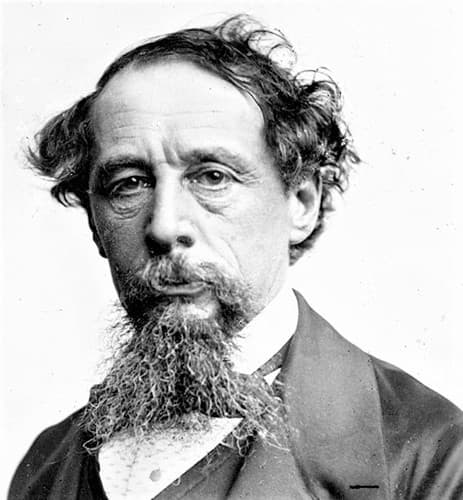
Charles John Huffam Dickens was an English writer and social critic who created some of the world's best-known fictional characters and is regarded by many as the greatest novelist of the Victorian era. His works enjoyed unprecedented popularity during his lifetime and, by the 20th century, critics and scholars had recognised him as a literary genius. His novels and short stories are widely read today.







