“Every story is a journey, and every journey is a story. The trick is to find the beginning and the end, and the courage to tell what happens in between.”
— Osama Al-Kharrat reflecting on the nature of storytelling.

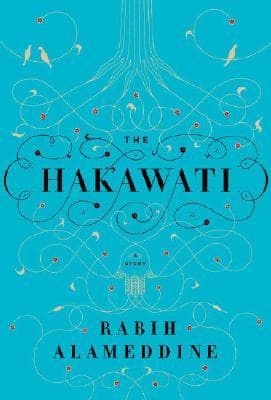
Rabih Alameddine (2008)
Genre
Literary Fiction / Fantasy / Historical Fiction
Reading Time
17-20 hours
Key Themes
See below
Sign in to track this book
A son returns to war-scarred Beirut to be with his dying hakawati grandfather. The deathbed vigil becomes a time for recounting ancient Middle Eastern myths and personal histories, weaving together tales of love, war, and endurance across millennia.
In 2003, Osama al-Kharrat, an academic living in America, returns to Beirut, Lebanon, after many years. His father, Sayyid, is dying, and the family gathers in their old house. The city, still showing signs of civil war, feels both familiar and strange to Osama. As he keeps vigil, surrounded by his mother, sister Lina, and various relatives and friends, the house becomes a center of activity, filled with conversations, memories, and, most importantly, stories. This return brings back many memories and pulls him into the family's storytelling tradition, which will help them cope with Sayyid's approaching death.
Osama thinks about his grandfather, also named Sayyid al-Kharrat, a well-known hakawati (storyteller) in Beirut. He remembers his childhood, spent listening to his grandfather perform in coffeehouses and at family gatherings. The elder Sayyid's stories were more than just entertainment; they were a way of life, a way to preserve history, morality, and identity. Osama recounts how his grandfather, an orphan from the Turkish wars, arrived in Lebanon and earned the name 'al-Kharrat'—the fibster—because of his storytelling skill. This tradition of oral narrative shaped Osama's understanding of his family and heritage, mixing personal history with mythical tales.
As the family gathers, one main story that appears, both from the past and retold in the present, is the epic saga of Baybars. This is not just a historical account but a fantastical retelling of the Mamluk Sultan who defeated the Crusaders and the Mongols. The narrative describes Baybars's beginnings as a slave, his rise through military ranks, his cleverness, and his eventual ascent to power. This tale, full of magic, betrayals, and heroic deeds, mirrors the family's own struggles and endurance. It provides a way to understand their history and Lebanon's lasting spirit.
Another important narrative is the story of Fatima, the legendary Coppersmith. This character is a powerful, ancient figure, sometimes a djinn, sometimes a wise woman, who influences events and characters throughout history, including Baybars himself. She represents wisdom, magic, and a timeless feminine power. Her story often crosses with more masculine-focused tales, offering a different view on power, fate, and the human condition. Fatima's presence highlights the mystical and mythical elements in the al-Kharrat family's storytelling, blurring the lines between reality and legend.
The al-Kharrat family's storytelling also reinterprets classic religious narratives, especially those about Abraham, Isaac, and Ishmael. These foundational stories of monotheistic faiths appear with a distinct Lebanese, and often humorous, twist. The focus shifts, questioning traditional interpretations and highlighting the human aspects of these divine figures. For example, the sacrifice of Isaac is explored from different angles, and the lineage of Ishmael, father of the Arab tribes, is emphasized. These retellings connect the family's present experiences with ancient origins, showing the shared heritage and ongoing conflicts of the region.
Osama's grandfather, the first Sayyid al-Kharrat, was an orphan who fled the Turkish wars. His personal history is a compelling story itself, describing his journey to Beirut, his struggles, and his eventual rise as a celebrated hakawati. This story explains how he got the surname 'al-Kharrat,' which means 'fibster' or 'storyteller,' acknowledging his talent for weaving tales that often mixed truth and embellishment. His life story shows how narrative shapes identity and legacy, demonstrating how even a humble beginning can have a lasting impact through storytelling.
Throughout the novel, the magical stories appear alongside the realities of modern-day Lebanon, especially the lingering effects of the civil war. Osama sees the physical and emotional scars on the city and its people. The family's conversations often turn to memories of bombings, displacements, and loss. This contrast shows how storytelling helps people cope, find beauty and meaning amid destruction, and preserve cultural identity in constant conflict. The past's epic battles echo the present's ongoing struggles.
The al-Kharrat family is a lively, often boisterous group. Osama's mother, sister Lina, and various aunts, uncles, and cousins create a rich network of relationships. Their interactions are full of typical family arguments, affectionate teasing, and much gossip. These everyday human dramas provide humor and grounding amid the fantastical tales. The personal stories and anecdotes shared among them, often embellished and retold, show that storytelling is deeply ingrained in their daily lives, not just for formal hakawati performances.
As Osama's father, Sayyid, nears his end, the atmosphere in the house becomes more emotional. The storytelling intensifies. It becomes a collective act of remembrance, a way to honor the dying man and ensure his spirit and the family's legacy continue. The ancient tales, family histories, and personal anecdotes all intertwine, creating a narrative that goes beyond individual lives. The stories offer comfort, a sense of continuity, and a way for the family to process their grief and celebrate the life that is passing.
Through his return to Beirut and the vigil by his father's side, Osama learns about the power of stories. He understands that the fantastical tales and family histories are not just entertainment but are fundamental to their identity, endurance, and survival. Listening, telling, and retelling connects generations, preserves culture, and provides meaning in a world often marked by chaos and violence. He sees himself as an inheritor of this tradition, even if in a different form, realizing that the stories are a living thing that will continue long after individuals are gone.
Throughout the various narratives, both historical and mythical, the Lion and the Unicorn appear repeatedly. These two creatures often represent opposing forces: strength and purity, violence and innocence, masculine and feminine, or different factions in conflicts. Their interactions and symbolism are woven into the tales of Baybars, Fatima, and even the family's personal histories, suggesting a constant interplay of opposing forces that shape destiny and character. This motif adds symbolic depth to the stories, inviting readers to consider the complexities and dualities in human experience and history.
Among the many stories shared, one emotional tale is that of Adnan, a young man who falls in love with a djinn, a supernatural being. This story explores themes of forbidden love, the allure of the otherworldly, and the consequences of crossing boundaries between human and spirit realms. It examines the depths of human emotion and the often-difficult choices dictated by fate and circumstance. This narrative, rich in magical realism, highlights how the mundane and the miraculous are interwoven in the al-Kharrat family's worldview, showing how myths and legends inform their understanding of love and loss.
As Sayyid's life ends, Osama thinks about his own relationship with the family's storytelling legacy. Having lived in the West for so long, he initially felt somewhat detached from the oral tradition. However, through the shared stories and the emotional intensity of his father's passing, he reclaims his connection to his roots. He understands that the 'hakawati' is not just a profession but a spirit that lives within the family, ensuring their history and culture endure. Osama realizes that he, too, is a product of these stories, and that their continuation, even in new forms, is important.
The novel ends with a sense of Beirut and its people's enduring nature. Despite the wars, destruction, and personal losses, the city, like the al-Kharrat family, continues. The stories, both ancient and contemporary, provide continuity, endurance, and hope. The narrative suggests that as long as there are people to tell and listen to stories, the spirit of Lebanon and its cultural heritage will persist. Osama's return, his father's death, and the many narratives ultimately reinforce the idea that life, like a story, constantly unfolds, adapts, and renews itself.
The Protagonist
Osama's arc involves reconnecting with his Lebanese heritage and understanding the profound power of storytelling, ultimately embracing his role as an inheritor of the hakawati tradition.
The Central figure (dying)
His arc is largely static as he is dying, but his presence acts as a powerful catalyst for the other characters' emotional journeys and storytelling.
The Legendary figure
His arc is presented retrospectively, showing his journey from an orphan to a celebrated hakawati, solidifying his role as the family's foundational storyteller.
The Supporting
Lina's arc is less about personal change and more about her steadfastness in upholding family traditions and caring for her loved ones amidst turmoil.
The Mythical hero
Baybars's arc, as told through the stories, is one of a rapid ascent from slavery to supreme power, marked by strategic brilliance and a complex moral compass.
The Mythical figure
Fatima's arc is cyclical and timeless; she is an enduring force whose influence spans generations and historical epochs, representing eternal wisdom.
The Fictional character within a story
Adnan's arc is one of passionate love and subsequent heartbreak, illustrating the perils and beauty of crossing boundaries.
The Supporting
Her arc is largely one of steadfastness and quiet strength, supporting her family through grief and maintaining the home's emotional center.
The novel's main theme is the lasting power and need for storytelling. The hakawati tradition, shown through Osama's grandfather, is not just entertainment but a way to preserve history, cultural identity, and sanity in chaos. Stories offer comfort, meaning, and a way for people and communities to connect across generations. They help characters process grief, understand their past, and imagine their future, blurring the lines between myth and reality. This is clear in how the family copes with Sayyid's death by immersing themselves in tales, both ancient and personal.
“Listen. Let me take you on a journey beyond imagining. Let me tell you a story.”
The novel explores how personal and cultural identity are shaped by narratives and a sense of place. Osama's return to Beirut makes him confront his Lebanese heritage after years in the West. His journey is about rediscovering his roots through family stories, understanding how these tales define them as individuals and as a group. The book also examines Lebanon's complex identity—a country with ancient history and myth, yet scarred by modern conflict, always balancing its place between East and West. The stories of Abraham, Isaac, and Ishmael highlight the intertwined religious and ethnic identities of the region.
“We are all the children of stories, born of the words and images that were spoken to us as children.”
The novel is set in a war-torn Beirut, and the theme of war and its aftermath is always present. The stories, both ancient (Baybars's battles) and contemporary (family members' experiences during the civil war), show the cyclical nature of conflict in the region. However, the focus is less on the violence itself and more on human endurance. Storytelling becomes a main coping mechanism, a way for the Lebanese people to endure, remember, and find hope and humor amid destruction. The family's ability to laugh, gossip, and tell tales even as their patriarch is dying shows a strong spirit of survival.
“The past is never dead. It's not even past.”
Alameddine skillfully blurs the lines between myth, legend, and historical fact. The fantastical elements of the ancient tales (djinn, magic, legendary heroes) are presented with the same narrative weight as the contemporary family's struggles. This interweaving suggests that myth is not just a separate realm but a part of understanding reality, shaping perceptions, and providing meaning. The past is alive in the present, and the fantastical informs the mundane. This is especially clear in the character of Fatima, who moves through time and genre, appearing in various forms throughout history.
“Truth, my children, is a story that has been told and retold so many times that it has become real.”
The novel is deeply rooted in the al-Kharrat family's dynamics, exploring the bonds of kinship, the weight of expectation, and the inheritance of tradition. Osama's return is prompted by his father's approaching death, which forces him to confront his family's legacy. The stories passed down through generations—both grand epics and personal anecdotes—are the family's most cherished inheritance. They define who the al-Kharrats are and connect them to a long line of storytellers. The novel emphasizes that family is a living narrative, constantly being written and rewritten by its members.
“A family is a story that never ends.”
The contemporary story of Osama's return frames the embedded historical and mythical tales.
The novel employs a frame narrative structure. The primary narrative is Osama al-Kharrat's return to Beirut to be with his dying father. This contemporary story provides the emotional and temporal context. Within this frame, numerous other stories are embedded, told by various family members or by the omniscient narrator. These embedded stories include the epic of Baybars, the tales of Fatima, and religious narratives like Abraham and Isaac. This structure allows for a fluid movement between different time periods, genres, and narrative voices, mimicking the oral tradition of the hakawati and highlighting the interconnectedness of past and present.
The novel frequently comments on its own nature as a story.
The Hakawati is highly metafictional, constantly drawing attention to the act of storytelling itself. The narrator frequently addresses the reader directly, using phrases like 'Listen' or 'Let me tell you a story,' explicitly inviting participation in the narrative act. The characters within the story also discuss the nature and power of stories, their truthfulness, and their purpose. This device emphasizes the central theme of storytelling, reminding the reader that they are engaging with a constructed narrative, and blurring the lines between the author, the narrator, and the characters, all of whom are 'hakawatis' in their own way.
The novel heavily references and reinterprets classic Middle Eastern and religious narratives.
Alameddine extensively uses intertextuality, weaving in and reinterpreting well-known stories from Middle Eastern folklore, the Quran, and the Bible. Tales of Abraham, Isaac, Ishmael, and figures like Baybars and Fatima are not just retold but often subverted, questioned, or given new perspectives. This device enriches the narrative by connecting it to a vast cultural and literary heritage, allowing for layers of meaning and commentary. It also demonstrates how stories evolve and adapt over time, and how different cultures interpret shared foundational narratives, highlighting the richness and complexity of the region's cultural tapestry.
Supernatural and fantastical elements are seamlessly integrated into the realistic setting.
Magic realism is a prominent device, especially in the embedded stories. Elements like djinns, magical transformations, and improbable coincidences are presented as natural occurrences within the narrative, without explanation or explicit wonder from the characters. This blending of the fantastic with the mundane creates a rich, dreamlike atmosphere that reflects the hakawati tradition, where the line between what is real and what is imagined is intentionally blurred. It allows the novel to explore deeper truths and emotional realities through symbolic and allegorical means, making the fantastical feel profoundly human and relatable.
“Every story is a journey, and every journey is a story. The trick is to find the beginning and the end, and the courage to tell what happens in between.”
— Osama Al-Kharrat reflecting on the nature of storytelling.
“The past is a foreign country; they do things differently there. But the past is also a mirror, and sometimes, if you look closely enough, you can see your own reflection staring back.”
— The narrator musing on the relationship between past and present.
“We are all made of stories. Some we tell, some we live, some we hide. But they are always there, weaving themselves into the fabric of who we are.”
— A general observation about human existence and narrative.
“Love, like a story, is never simple. It has its heroes and villains, its twists and turns, its moments of joy and its moments of despair. But the best ones, the true ones, are always worth the telling.”
— A character's philosophical take on love.
“The truth is a tricky thing. It hides in plain sight, it whispers in the dark, it changes its shape depending on who is looking. And sometimes, the most beautiful truths are found in the most elaborate lies.”
— An exploration of truth and its elusive nature.
“To be a storyteller is to be a god, for a brief moment. To create worlds, to breathe life into characters, to decide their fates. It is a heavy burden, but a glorious one.”
— Osama contemplating the power and responsibility of a storyteller.
“Memory is a mischievous beast. It distorts, it embellishes, it forgets. But it also preserves, it cherishes, it reminds us of who we were and who we might still become.”
— Reflections on the nature of memory.
“Every family has its secrets, its ghosts, its legends. And sometimes, the greatest act of love is to finally speak their names aloud.”
— A character considering family history and hidden truths.
“The world is full of wonders, if only we take the time to see them. And sometimes, the greatest wonders are not in distant lands, but in the stories we carry within us.”
— A perspective on finding wonder in the ordinary and internal.
“Fear is a powerful storyteller. It can conjure monsters out of shadows, create prisons out of open spaces, and silence the bravest of voices. But courage, too, has its own tales to tell.”
— A discussion on the influence of fear and courage.
“Life is a tapestry woven with countless threads, some bright, some dark, some strong, some frayed. And it is the pattern, the design, that truly tells the story.”
— A metaphor for the complexity and interconnectedness of life.
“To truly listen is to open oneself to another world, to another's pain and joy, to another's truth. It is an act of profound empathy, and the beginning of all understanding.”
— An emphasis on the importance of listening and empathy.
“Sometimes, the most important stories are not the ones we hear, but the ones we imagine. For imagination is the bridge between what is and what could be.”
— Highlighting the power of imagination.
“The greatest magic is not in spells or potions, but in the human heart, in its capacity for love, for resilience, for endless invention. It is the magic of being alive.”
— A reflection on the inherent magic of human existence.
Ready to see how well you understood this book? Take our interactive quiz with 10 questions.

Biography coming soon.







